Beyond the Tourist Trails: Discovering Nepal’s Best-Kept Secrets
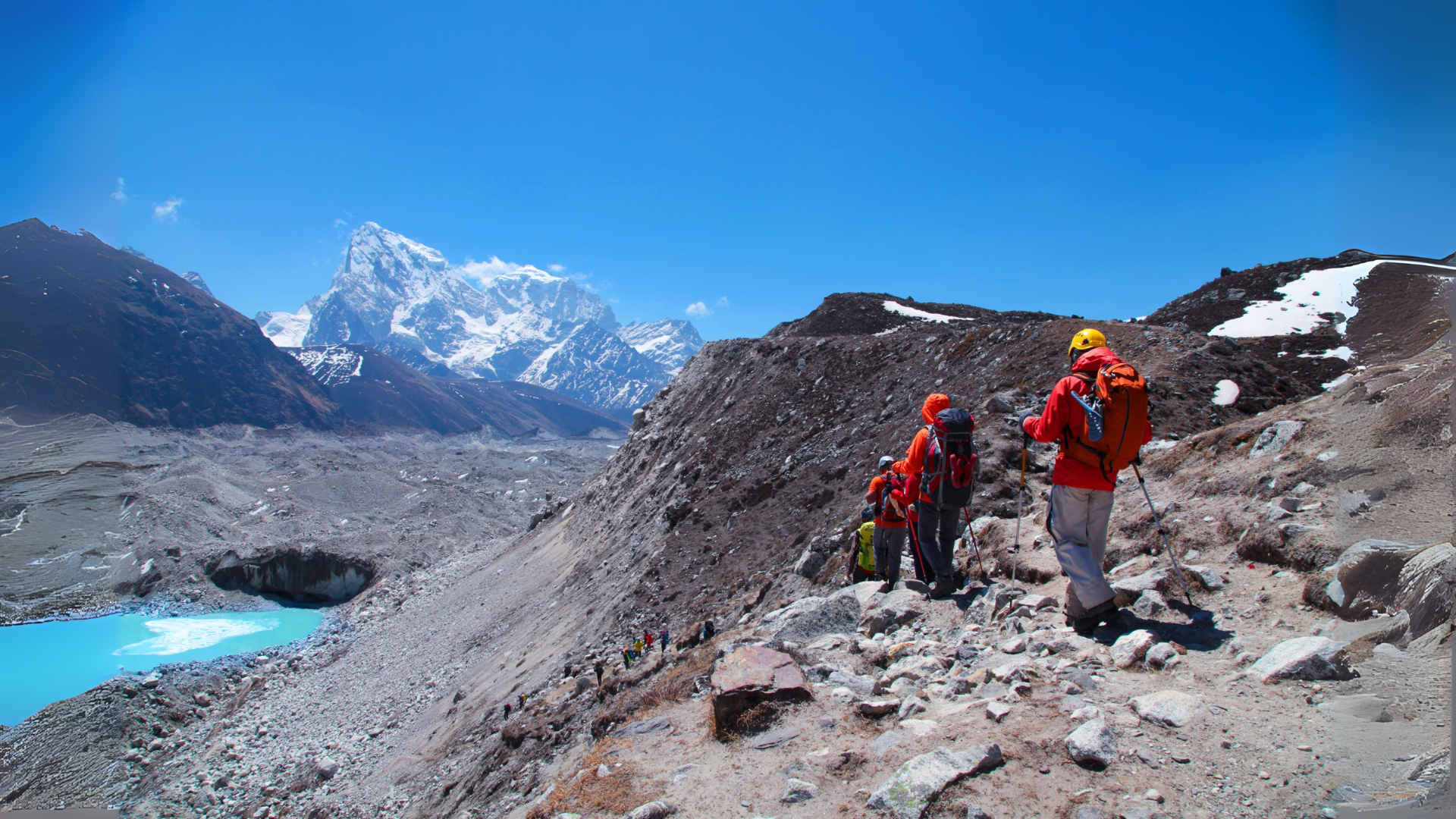
Beyond the well-trodden paths of Nepal lies a world of hidden wonders. From remote trekking trails to serene mountain lakes, discover the best-kept secrets of Nepal’s majestic landscapes and immerse yourself in the authentic, untouched beauty of the Himalayas. A journey into the heart of Nepal awaits!
Nepal is widely known for its majestic mountains, vibrant culture, and welcoming people. While iconic destinations like Kathmandu, Pokhara, and the Everest Base Camp draw millions of visitors each year, there’s much more to this incredible country than meets the eye. Beyond the well-trodden tourist paths lies a treasure trove of hidden gems, waiting to be explored. These lesser-known destinations offer a unique opportunity to experience Nepal in a more authentic, peaceful, and intimate way. In this article, we’ll take you off the beaten track to discover some of Nepal’s best-kept secrets.
1. Rara Lake: The Jewel of Northwestern Nepal
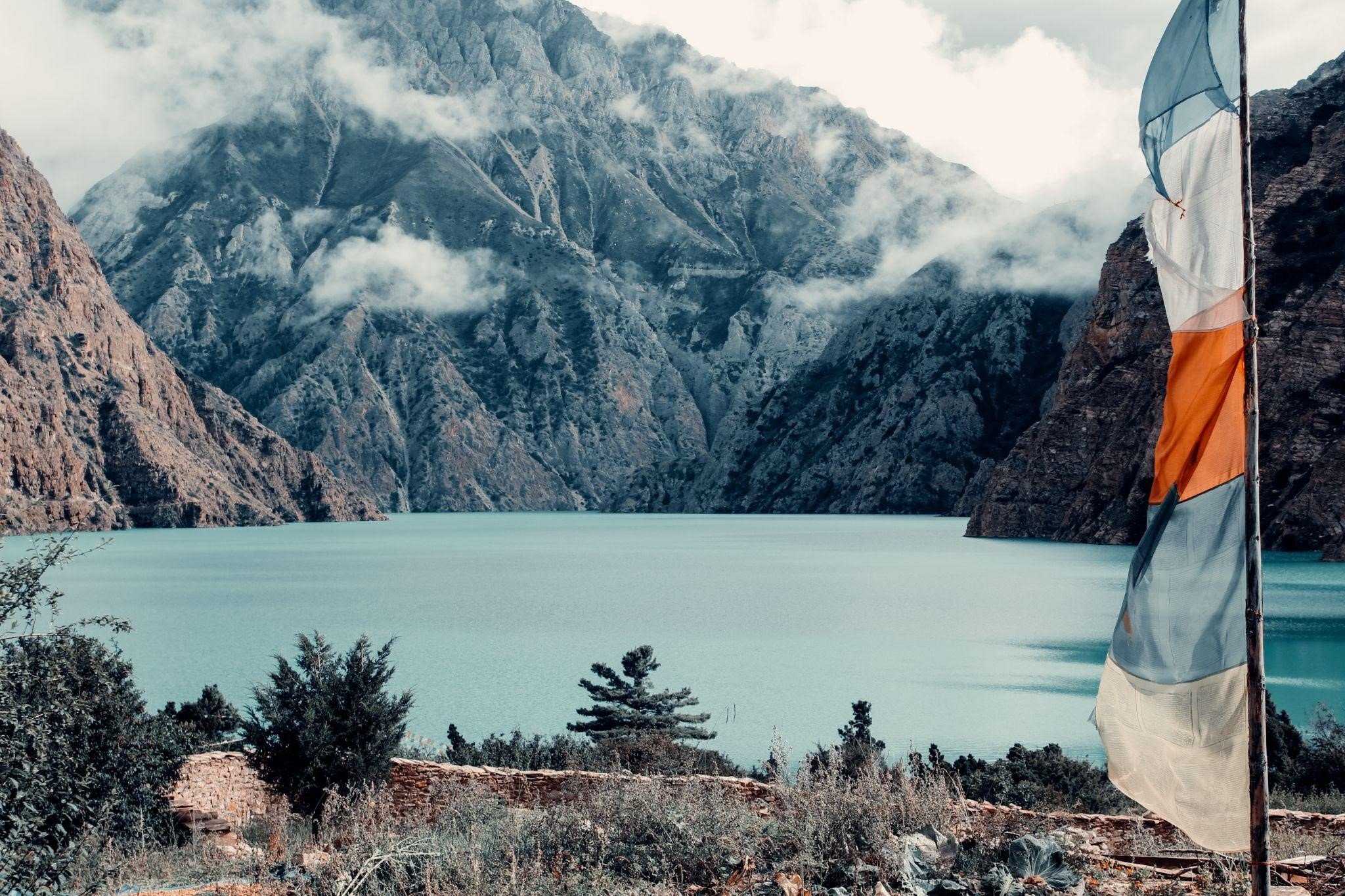
Located in the remote region of Mugu in northwestern Nepal, Rara Lake is the largest lake in the country. Surrounded by snow-capped peaks and lush forests, Rara Lake remains relatively untouched by mass tourism. Its pristine waters, reflecting the grandeur of the Himalayas, create a serene and breathtaking setting that is hard to match. Trekking to Rara Lake is an adventure in itself, with the journey offering spectacular views of alpine meadows and charming villages. For those looking to disconnect from the bustle of everyday life and immerse themselves in nature’s beauty, Rara Lake is a hidden paradise waiting to be discovered.
2. Tansen: A Peaceful Hill Town with Stunning Views
Nestled in the hills of Palpa District, Tansen is a small town often overlooked by tourists in favor of more popular destinations like Pokhara. Yet, Tansen is a place of immense charm, boasting old-world architecture, narrow cobbled streets, and sweeping views of the Himalayas. The town’s historical significance, particularly its role as the capital of the ancient Palpa Kingdom, is reflected in its temples, traditional houses, and vibrant local markets. The view from the Siddhartha Highway—stretching from Tansen to the Annapurna Range is nothing short of spectacular. Tansen is perfect for travelers seeking a peaceful retreat away from the tourist crowds, with the opportunity to experience authentic Nepali culture and hospitality.
3. Ilam: The Tea Garden Paradise
Known for its sprawling tea gardens, Ilam is a picturesque town located in eastern Nepal. The lush green landscapes, mist-covered hills, and vibrant floral gardens make it one of the most peaceful places to visit. The town is renowned for its high-quality tea, and a visit to the tea estates offers travelers the chance to learn about the tea-making process, from plucking the leaves to the final product. Ilam also offers stunning views of the Kangchenjunga and Everest mountain ranges. The area’s natural beauty, coupled with the quiet charm of its villages, makes Ilam an ideal destination for those seeking a blend of culture, nature, and tranquility.
4. Gosaikunda Lake: A Sacred Alpine Wonder
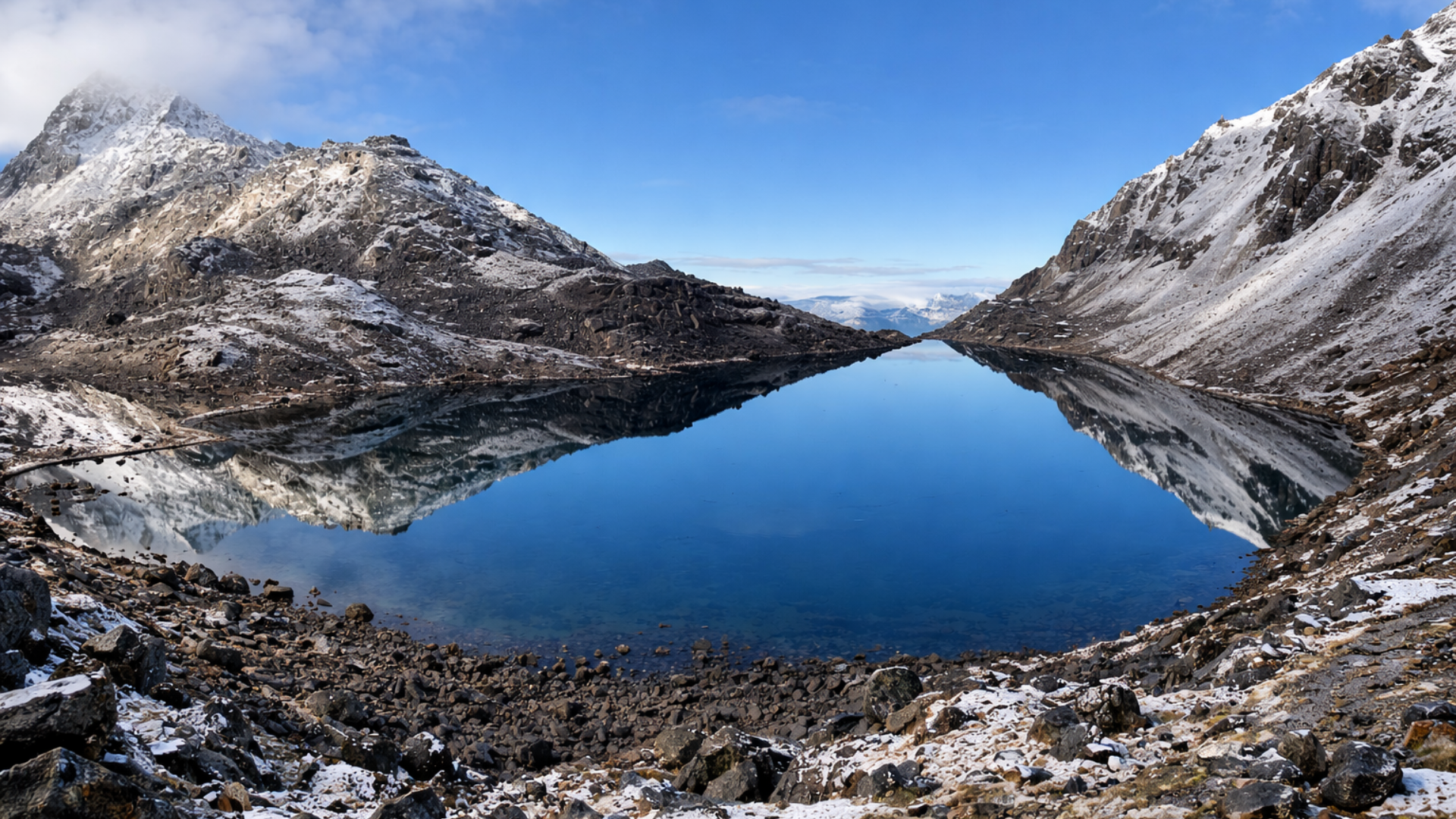
At an altitude of 4,380 meters, Gosaikunda Lake is one of the most sacred sites in Nepal, yet it remains largely under the radar for many tourists. Located in the Langtang National Park, the lake is considered holy by both Hindus and Buddhists, with pilgrims traveling from far and wide to bathe in its sacred waters. The trek to Gosaikunda Lake takes you through remote villages, dense forests, and alpine meadows, providing stunning views of the Langtang Range along the way. While it is a bit challenging to reach, the serenity and beauty of Gosaikunda make the journey worthwhile for those seeking spiritual solace and natural splendor.
5. Upper Mustang: A Mysterious and Remote Kingdom
Often referred to as the “Last Forbidden Kingdom,” Upper Mustang is a unique region in Nepal that offers a glimpse into the past. Isolated for centuries, this remote area was once a kingdom in itself, with its own culture, language, and traditions. Although the area has opened up to limited tourism in recent years, it is still far from the well-trodden paths. The region’s arid landscapes, ancient Tibetan monasteries, and mysterious caves create an almost otherworldly atmosphere. The highlight of Upper Mustang is the ancient Lo Manthang, a walled city that has preserved its unique architecture and culture for centuries. A trek through Upper Mustang is a journey through time, offering an intimate look at a culture that remains largely untouched by modernity.
6. Rishikesh: Nepal’s Spiritual Heartbeat
While Rishikesh is often associated with India, there is a Rishikesh in Nepal as well, located near the border with India. Unlike the popular yoga and adventure destination across the border, Nepal’s Rishikesh is quieter, more peaceful, and has a deeply spiritual vibe. It sits on the banks of the Karnali River, offering a tranquil atmosphere for meditation and reflection. The area is home to several ancient temples and ashrams, where visitors can engage in spiritual practices and connect with local spiritual leaders. Rishikesh is ideal for travelers looking to escape the distractions of modern life and embrace a journey of self-discovery and inner peace.
7. Taplejung: The Gateway to Kangchenjunga
For those seeking a challenging trek with stunning mountain views and cultural immersion, Taplejung is a must-visit destination. Located in the far northeastern part of Nepal, Taplejung is the gateway to Kangchenjunga, the third-highest mountain in the world. The Kangchenjunga Base Camp Trek is a remote and adventurous journey that offers panoramic views of the Himalayan range, traditional Sherpa villages, and pristine natural beauty. The trek takes you through lush forests, alpine meadows, and remote settlements, providing an opportunity to experience the daily lives of people living in the shadow of one of the world’s tallest peaks.
8. Tsum Valley: Nepal’s Hidden Himalayan Gem
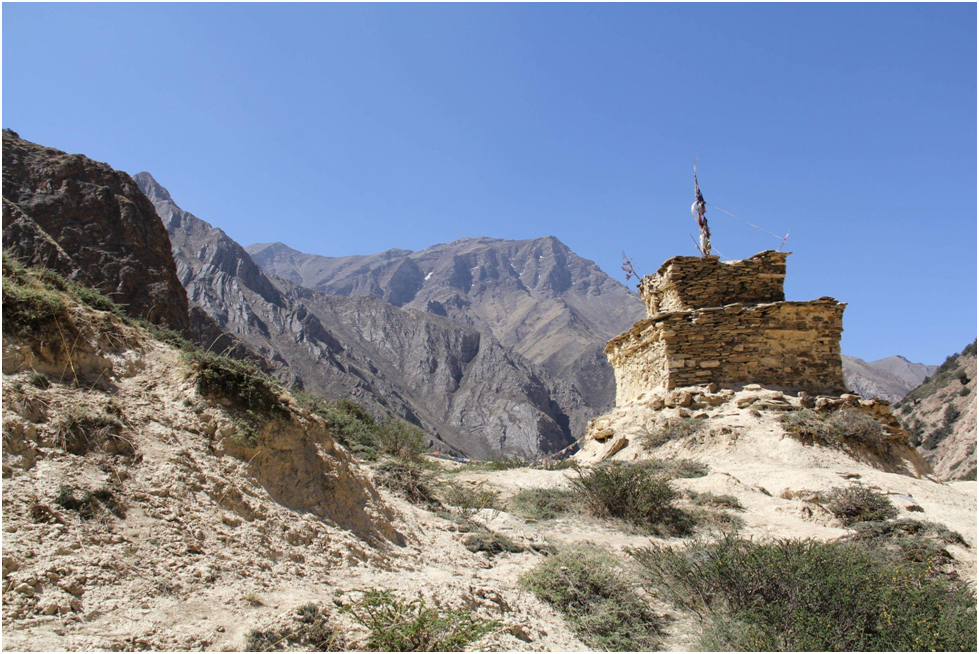
Located in the northern part of the Gorkha District, Tsum Valley is one of Nepal’s most isolated and undiscovered trekking destinations. The valley is rich in Buddhist culture, with monasteries, chortens, and ancient ruins scattered throughout. Trekking through Tsum Valley offers visitors the chance to experience a remote and untouched part of Nepal, where the people have preserved their ancient traditions and way of life. The valley is surrounded by majestic peaks, including Manaslu and Ganesh Himal, making it an ideal spot for those seeking a peaceful and authentic trekking experience.
9. Dhulikhel: A Tranquil Escape from Kathmandu
Just a short drive from Kathmandu, Dhulikhel is a serene hill town that offers stunning views of the Himalayas and a peaceful atmosphere away from the hustle and bustle of the capital. The town is known for its traditional Newar culture, historic temples, and friendly locals. Dhulikhel is also a great place for hiking, with several trails leading to nearby villages and viewpoints. It is the perfect escape for those looking to enjoy nature, culture, and tranquility without venturing too far from the capital.
10. Bandipur: A Traditional Village with Mountain Views
Bandipur, a charming hilltop town in the central region of Nepal, offers a glimpse into traditional Newar culture. The town is well-preserved, with cobblestone streets, beautiful temples, and stunning views of the Annapurna Range. Bandipur is also an excellent spot for hiking, with several trails that lead to nearby viewpoints and villages. The town’s peaceful ambiance, combined with its cultural richness, makes it an ideal destination for those seeking an authentic experience off the beaten path.
Conclusion: Discover the Road Less Traveled
Nepal is a land of discovery, where adventure, spirituality, and culture intertwine. While the major tourist destinations offer their own unique experiences, the hidden gems of Nepal provide a deeper connection to the country’s rich history, culture, and natural beauty. Whether you’re trekking to remote mountain lakes, exploring ancient villages, or seeking spiritual solace, these off-the-beaten-path destinations allow you to experience Nepal in a more intimate and authentic way.
So, if you’re planning your next trip to Nepal, consider venturing beyond the tourist trails and discovering the best-kept secrets that make this country truly magical.
POPULAR ITINERARIES
SIMILAR POSTS
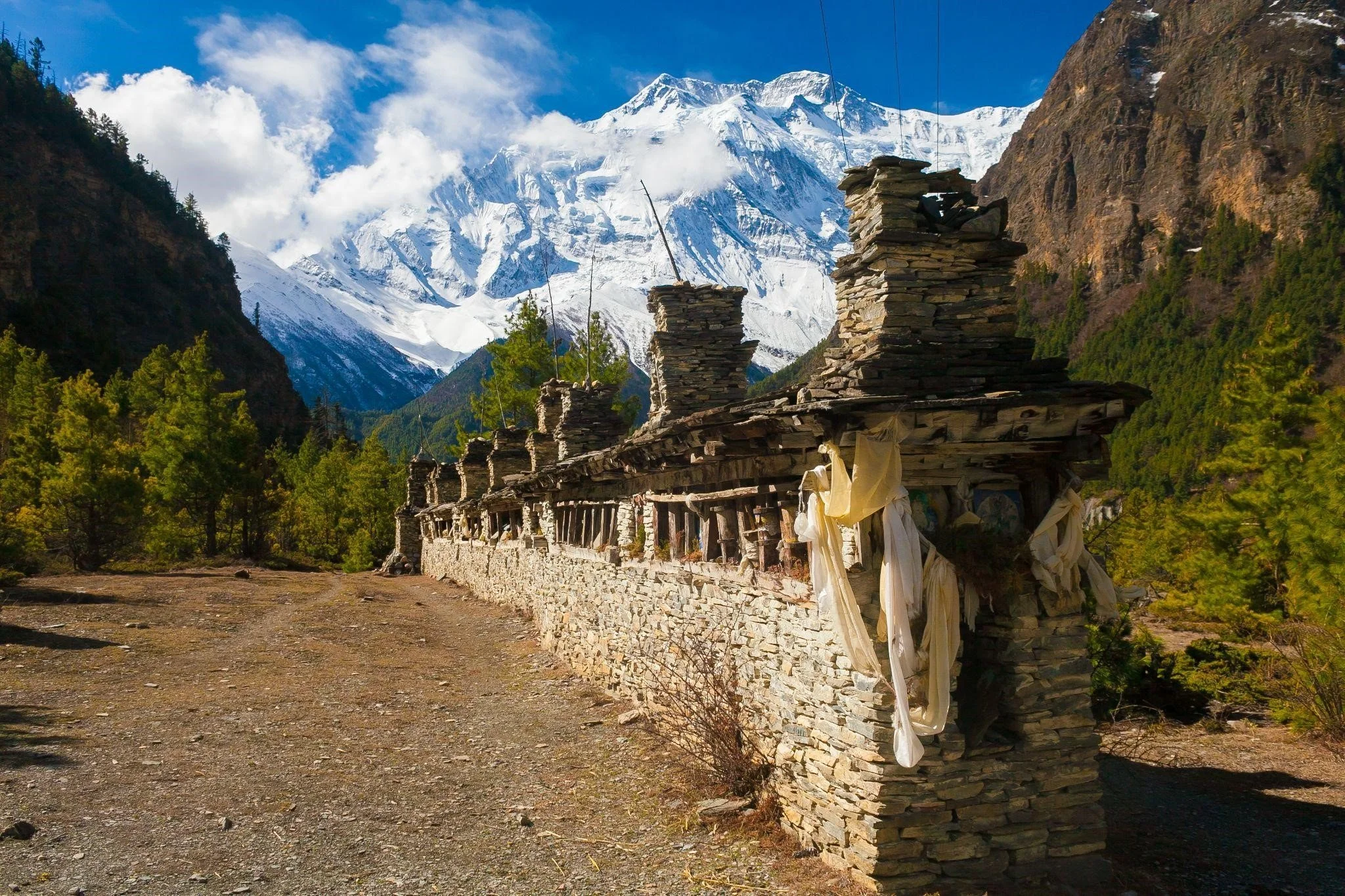
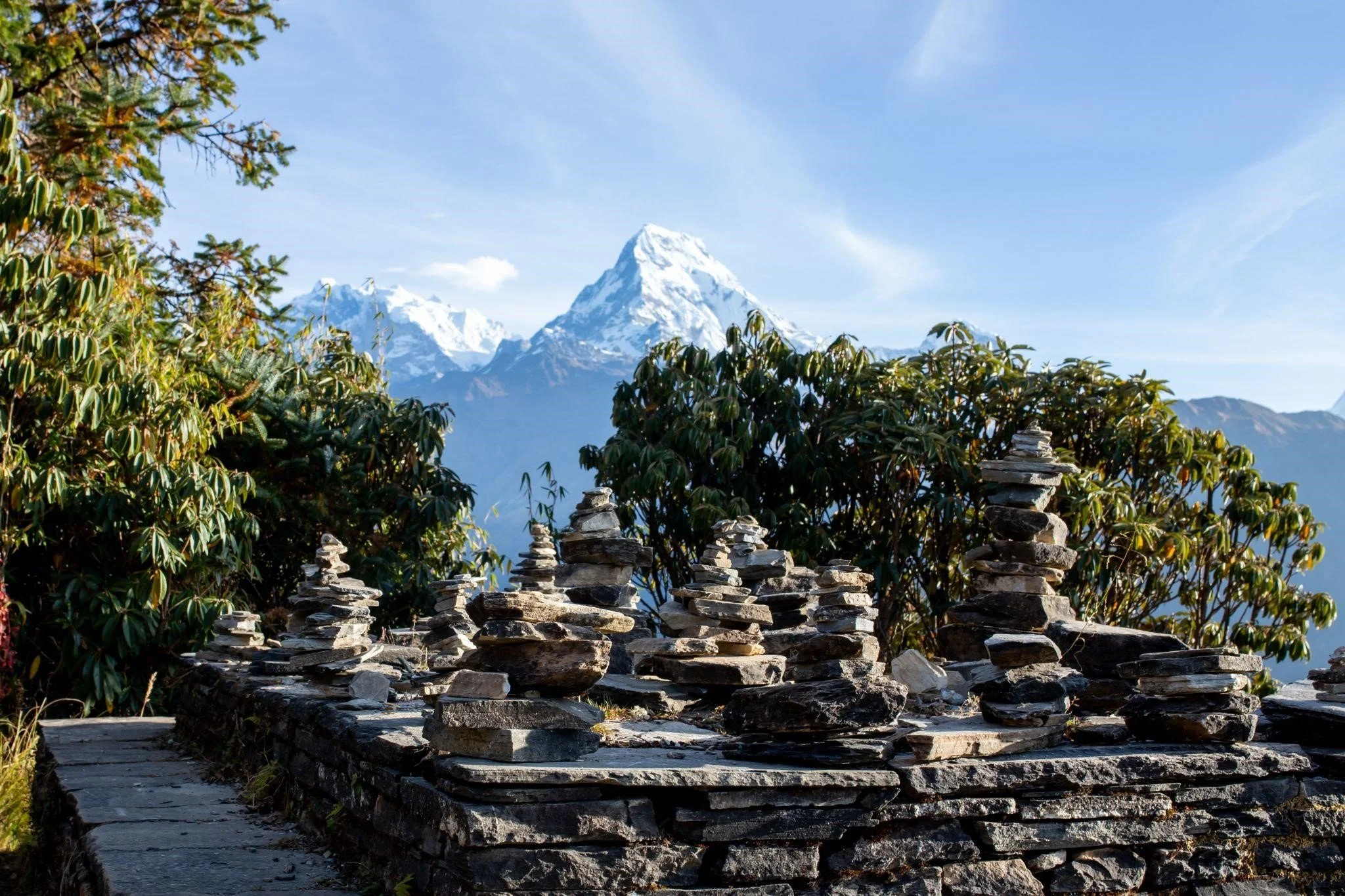
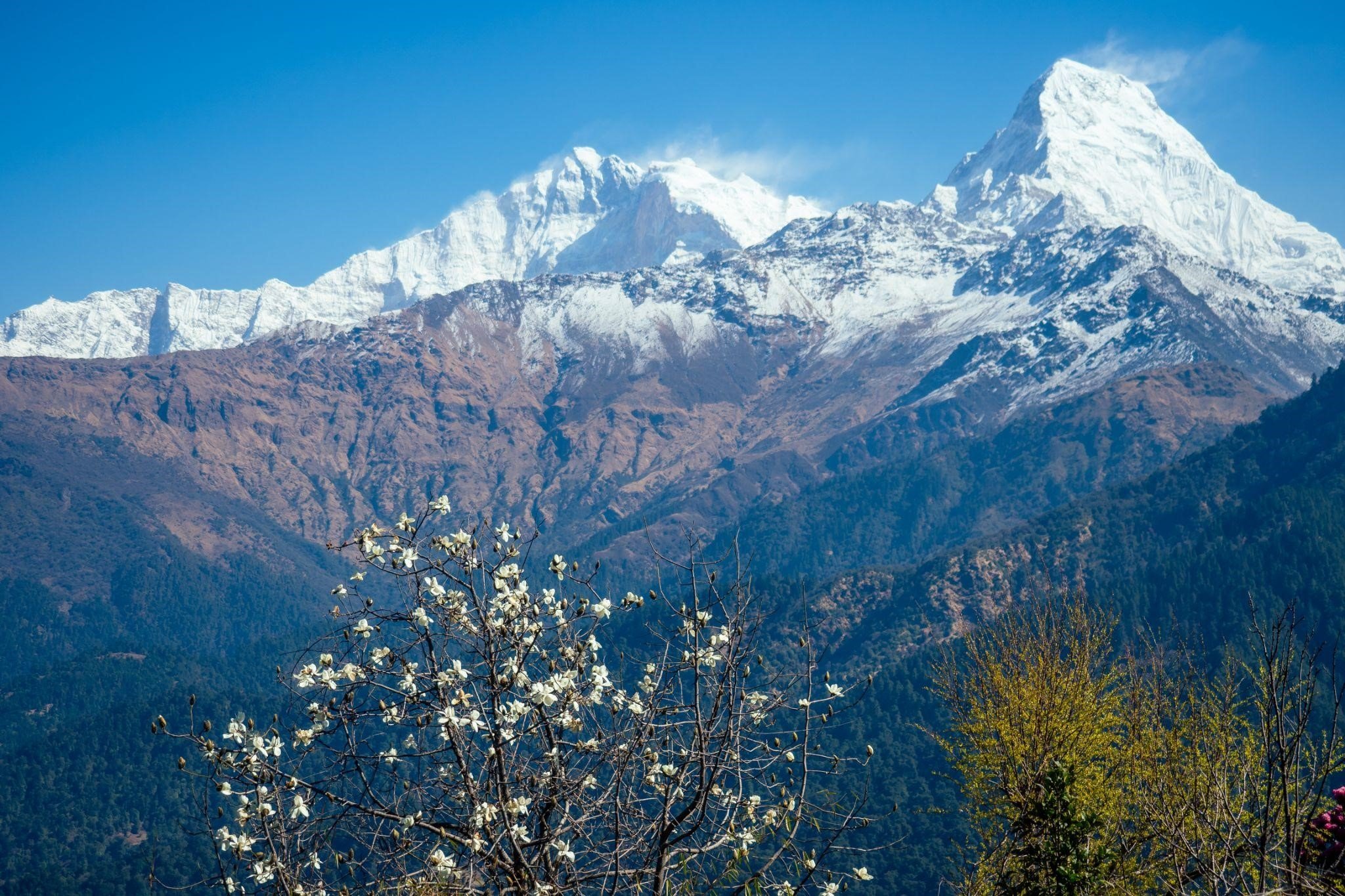
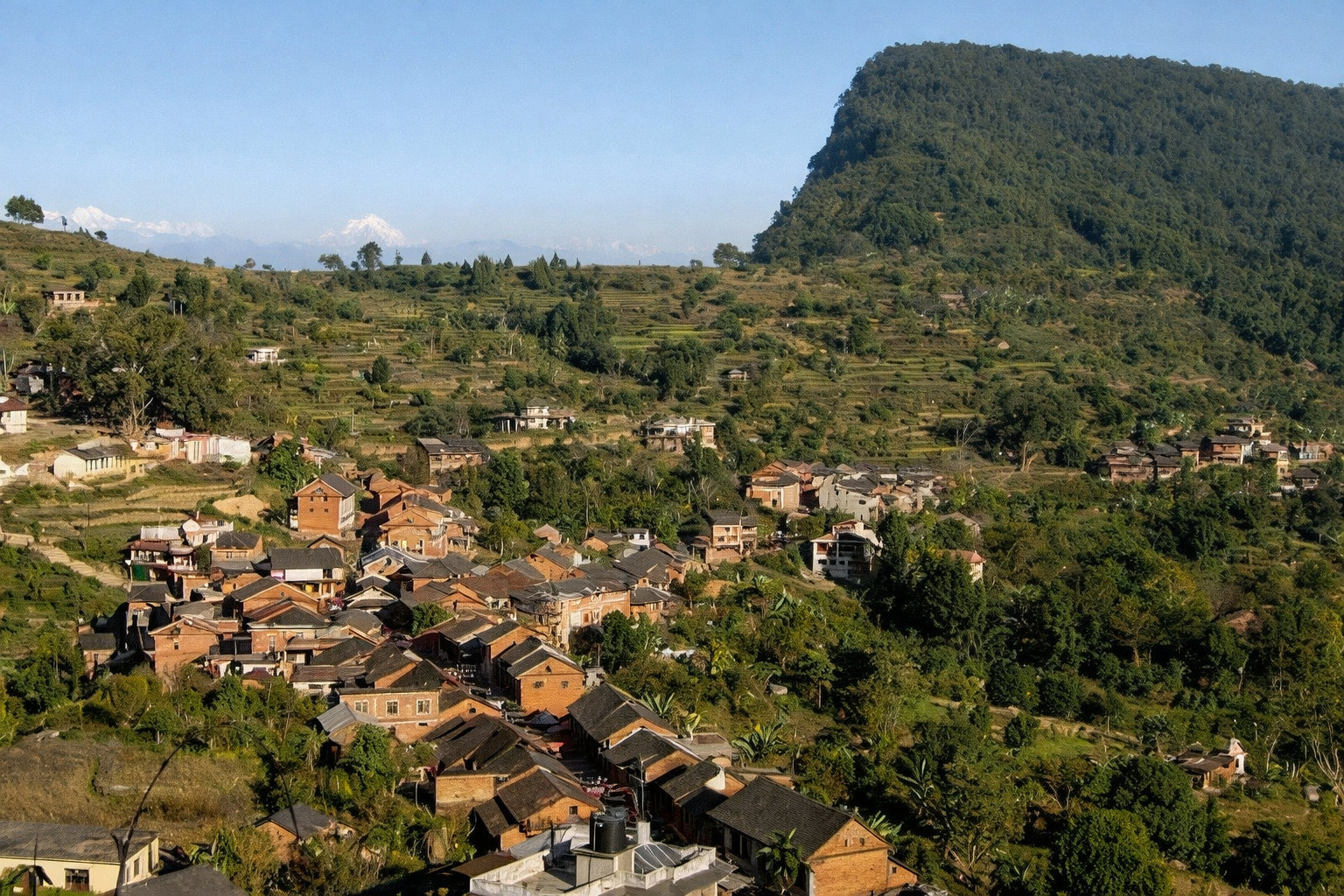

Spring Trekking Adventures in Nepal: A Season of Renewal and Exploration
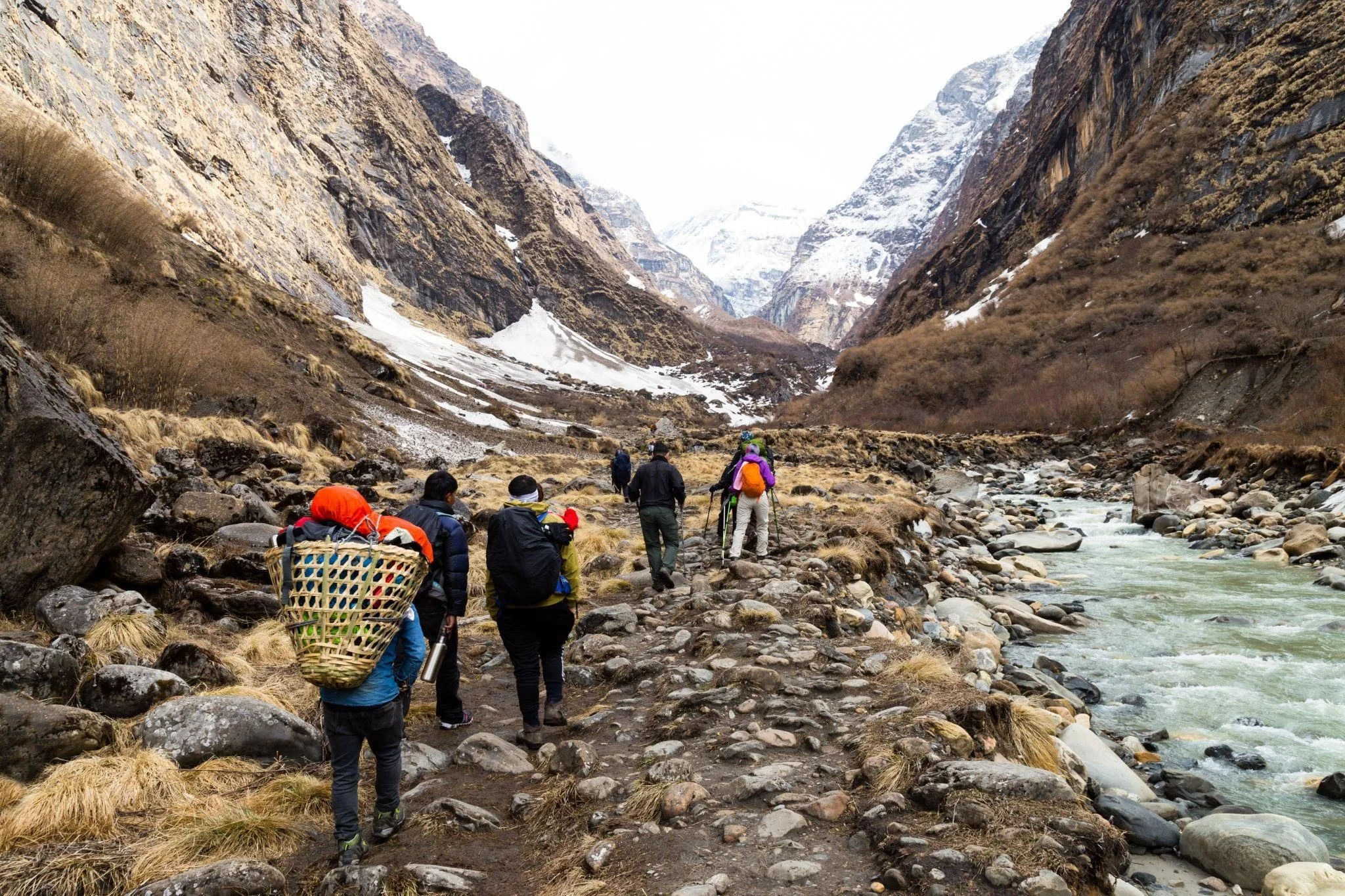
For those seeking an unforgettable adventure, spring is the perfect time to trek Nepal’s legendary routes, offering clear skies, breathtaking scenery, and trails alive with culture and nature.
Winter in Nepal slows everything down. The mountains stand silent and still, their peaks buried under layers of snow. Villages tucked along the trails grow quieter as the cold air wraps around the valleys, and the trekking paths see fewer footprints. But as the seasons shift, spring breathes life back into the land.
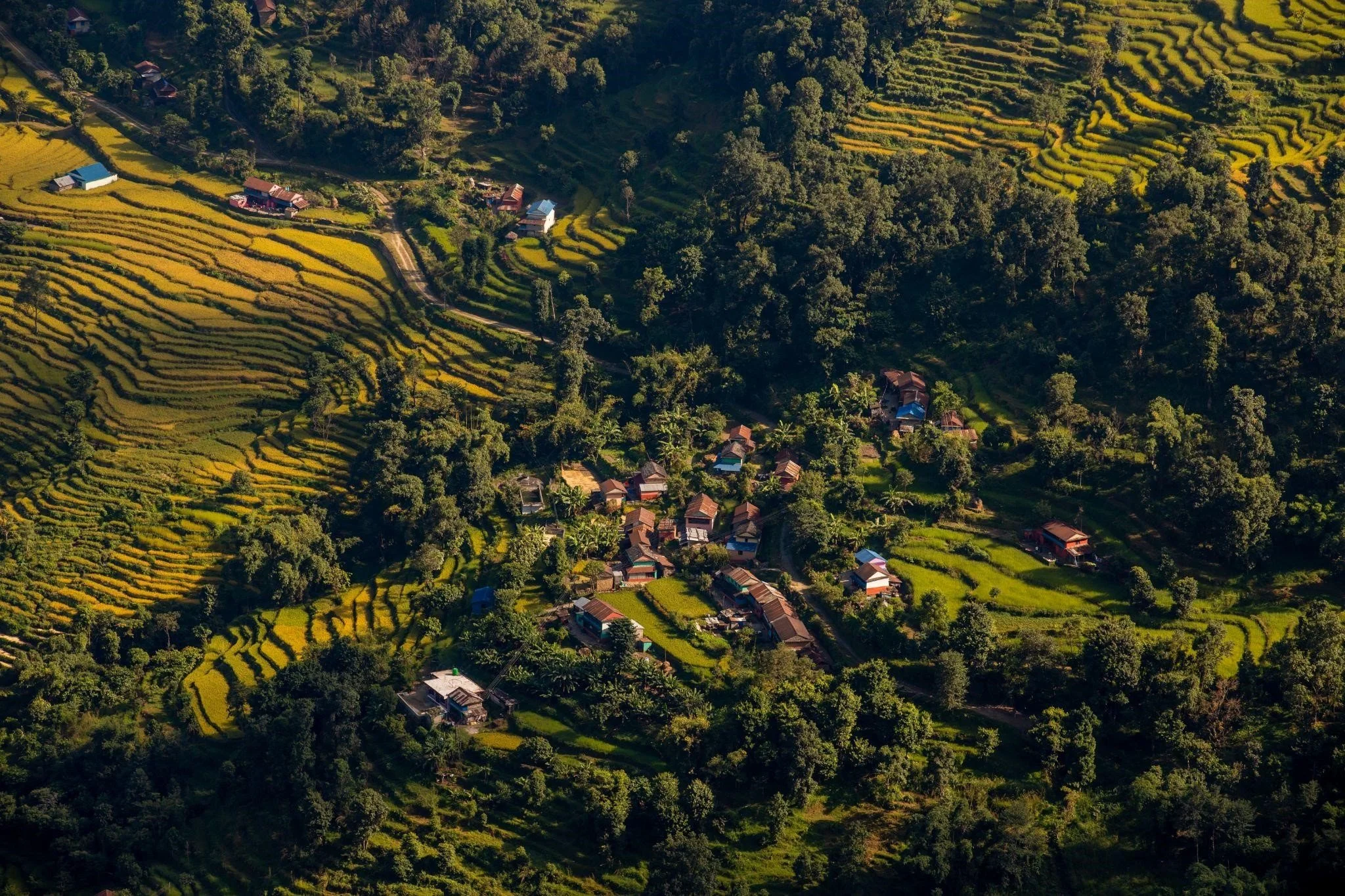
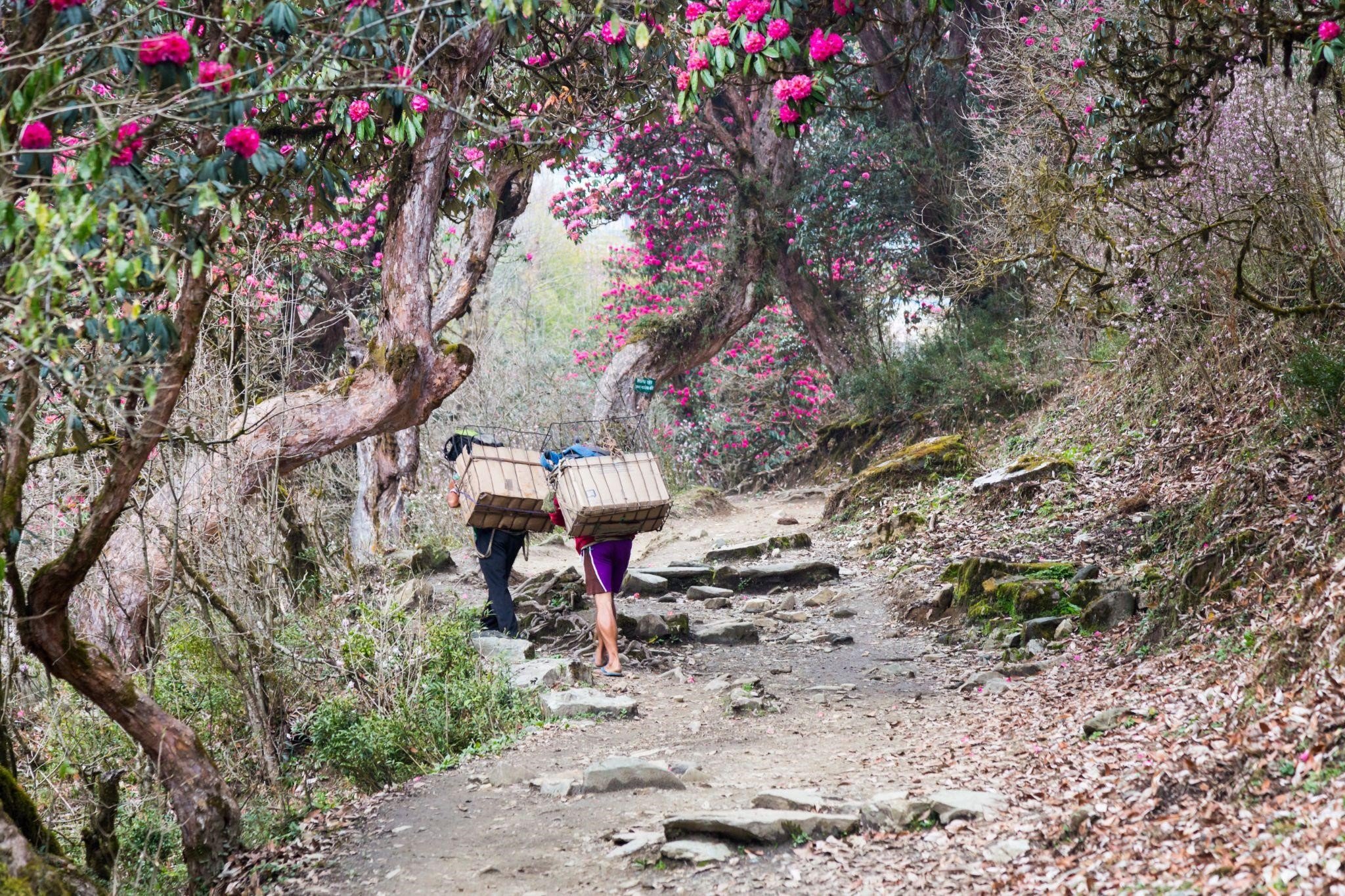
The rivers swell with fresh snowmelt, the hillsides burst into vivid reds and pinks of rhododendrons, and the crisp mountain air carries the scent of blooming wildflowers. The stillness of winter gives way to movement—trekkers return to the trails, villages awaken, and the Himalayas unveil their most inviting and picturesque landscapes.
For those seeking an unforgettable adventure, spring is the perfect time to trek Nepal’s legendary routes, offering clear skies, breathtaking scenery, and trails alive with culture and nature.
Why Spring is the Best Time for Trekking in Nepal
• Nature in Full Bloom – The hills and forests transform into a colorful paradise, especially in rhododendron-filled regions like Ghorepani and Langtang.
• Ideal Weather – Mild temperatures during the day make trekking comfortable, while the crisp mountain air keeps the journey refreshing.
• Unobstructed Views – Spring offers some of the clearest mountain vistas, with towering peaks framed against deep blue skies.
• Wildlife at Its Best – As the warmth returns, Himalayan wildlife becomes more active, making it an excellent time for birdwatching and rare animal sightings.
• Festivals Along the Way – Trekkers often cross paths with Nepali spring festivals like Holi and Bisket Jatra, offering a glimpse into the local culture.
Best Spring Trekking Routes in Nepal
1. Everest Base Camp Trek (EBC) – The Ultimate Himalayan Journey
• Duration: 12–14 Days
• Difficulty: Moderate to Challenging
• Highlights:
• Majestic views of Mount Everest (8,848m), Nuptse, and Ama Dablam.
• Immersive experience in Sherpa villages, monasteries, and high-altitude landscapes.
• Suspension bridges, glaciers, and the legendary Kala Patthar viewpoint for a sunrise over Everest.
2. Annapurna Base Camp (ABC) Trek – A Classic Spring Wonderland
• Duration: 7–10 Days
• Difficulty: Moderate
• Highlights:
• Walk through forests in full bloom, with rhododendron petals carpeting the trails.
• Witness the sunrise over Annapurna I (8,091m) from Machhapuchhre Base Camp.
• Experience hot springs at Jhinu Danda, offering a perfect post-trek relaxation spot.
3. Ghorepani Poon Hill Trek – Short, Scenic, and Stunning
• Duration: 4–5 Days
• Difficulty: Easy to Moderate
• Highlights:
• Ideal for first-time trekkers and those looking for a shorter adventure.
• One of Nepal’s best panoramic sunrise views over Dhaulagiri and Annapurna.
• Trek through Magar and Gurung villages, surrounded by endless rhododendron forests.
4. Langtang Valley Trek – A Hidden Gem Near Kathmandu
• Duration: 7–8 Days
• Difficulty: Moderate
• Highlights:
• A perfect mix of Himalayan landscapes and Tibetan-influenced culture.
• Langtang National Park offers encounters with Himalayan wildlife and vibrant birdlife.
• Stunning views of Langtang Lirung (7,227m) and traditional villages untouched by modern tourism.
Trek by Day, Unwind in Luxury at Hotel Shanker
After days of trekking through the mountains, there is nothing better than returning to comfort and tranquility. At Hotel Shanker, we offer the perfect place to relax and rejuvenate before or after your Himalayan adventure.
• Spacious and elegantly designed rooms, ideal for unwinding after a trek.
• Lush gardens and a serene atmosphere, a contrast to the rugged mountain trails.
• Rejuvenating spa treatments, easing sore muscles and refreshing the body.
• A fine selection of Nepali and international cuisine, satisfying the appetite built on the trails.
Book Your Stay & Elevate Your Trekking Experience
Spring trekking in Nepal is an experience that stays with you forever. From the high-altitude paths of Everest to the rolling hills of Annapurna, the mountains are calling. And when the adventure ends, Hotel Shanker welcomes you back to luxury, warmth, and timeless elegance.
POPULAR ITINERARIES
SIMILAR POSTS
Hiking in Nepal: A Journey Through the Land of the Himalayas
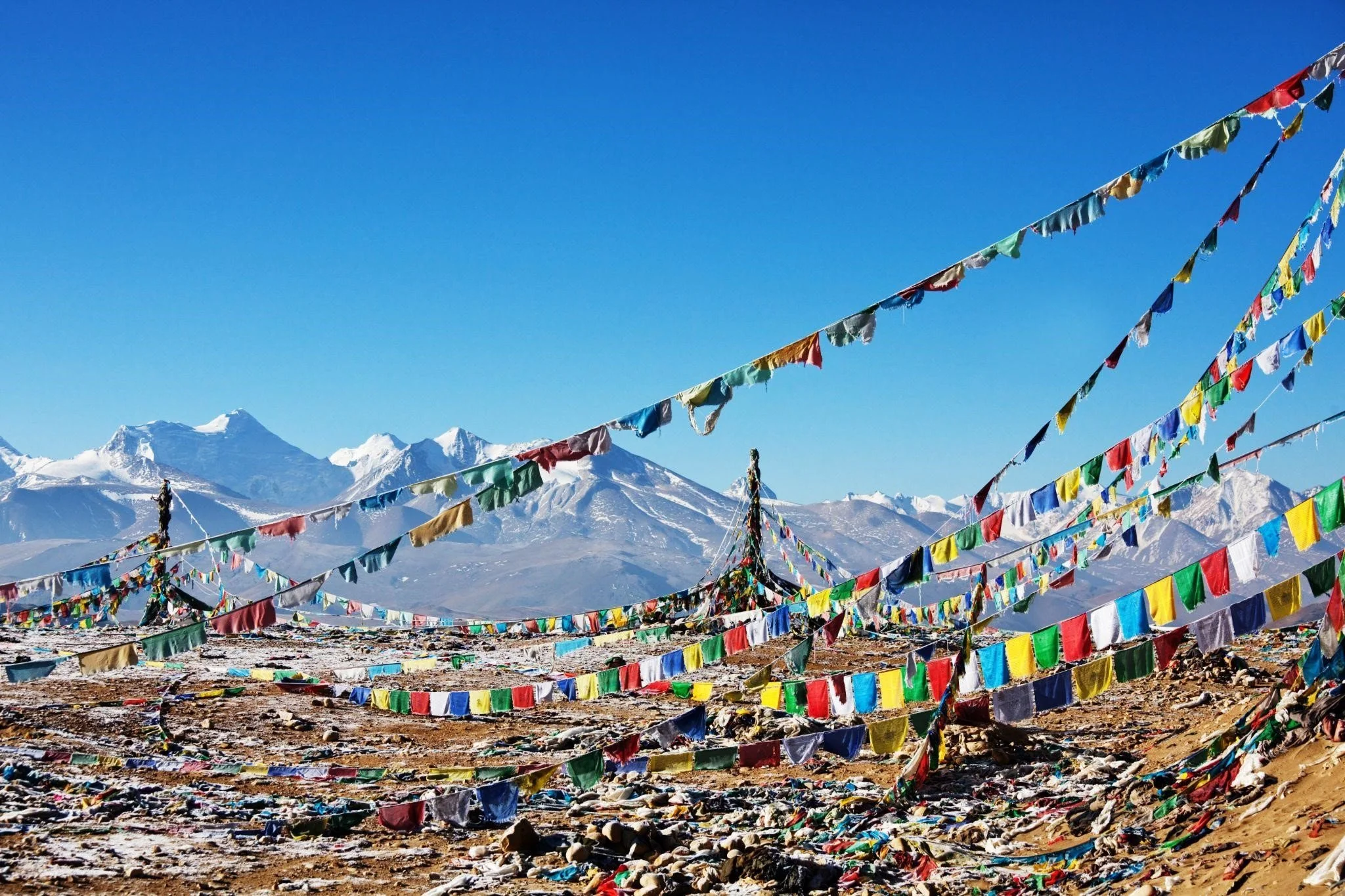
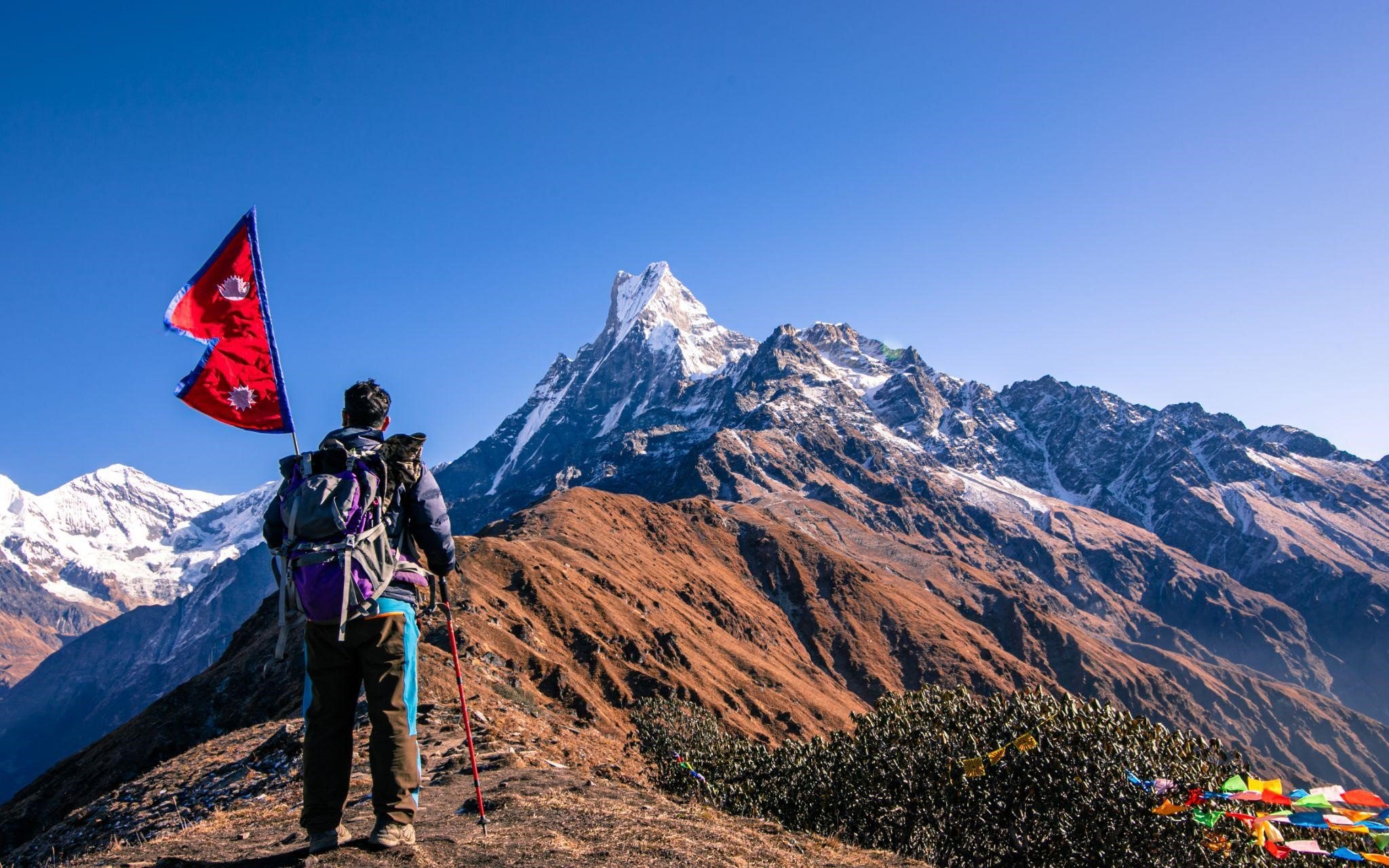
Nepal, the landlocked kingdom in the heart of the Himalayas, is a dream destination for adventure seekers. With eight of the world's fourteen highest peaks, including the mighty Everest, Nepal offers a haven for hikers of all levels. From gentle strolls through serene valleys to challenging treks culminating in breathtaking mountain panoramas, there's a perfect hike waiting to be discovered.
Nepal, the landlocked kingdom in the heart of the Himalayas, is a dream destination for adventure seekers. With eight of the world's fourteen highest peaks, including the mighty Everest, Nepal offers a haven for hikers of all levels. From gentle strolls through serene valleys to challenging treks culminating in breathtaking mountain panoramas, there's a perfect hike waiting to be discovered.
The Enchanting Diversity of Nepal's Hiking Trails:
Nepal boasts a diverse range of hiking trails, catering to various preferences and fitness levels. Here's a glimpse into some of the most popular treks:
● Everest Base Camp Trek: This legendary trek takes you to the foot of the world's tallest mountain, offering stunning views of Everest, Khumbu Glacier, and the surrounding peaks.
● Annapurna Circuit Trek: Often regarded as one of the most beautiful treks in the world, the Annapurna Circuit circumnavigates the Annapurna massif, showcasing diverse landscapes, from lush valleys to high-altitude passes.
● Langtang Valley Trek: This lesser-known trek delves into the Langtang National Park, known for its rich biodiversity and breathtaking views of the Langtang Lirung mountain range.
● Poon Hill Trek: This relatively short trek is ideal for those seeking panoramic views without a strenuous climb. Poon Hill offers a stunning sunrise spectacle over the Annapurna and Dhaulagiri ranges.
● Ghorepani Poon Hill Trek: Combining Poon Hill with Ghorepani, a charming village nestled in the Annapurna region, this trek provides a more immersive experience with local culture and breathtaking sunrises.
Beyond the Mountains: A Cultural Immersion
The beauty of hiking in Nepal goes beyond the stunning scenery. It's a cultural immersion that allows you to experience the warmth and hospitality of the Nepali people. The trails often wind through traditional villages where you can interact with locals, learn about their way of life, and witness ancient customs and traditions.
Essential Tips for Your Nepal Hiking Adventure
Planning a successful trek in Nepal requires some preparation. Here are some key things to keep in mind:
● Choose the right season: The trekking season in Nepal typically falls between spring (March-May) and autumn (September-November). These seasons offer pleasant weather with minimal rainfall.
● Physical fitness: While some treks are suitable for beginners, others require a good level of fitness. Be honest about your physical capabilities and choose a trek that aligns with them.
● Permits and logistics: Obtain necessary permits like trekking permits and national park entry fees. Research accommodation options and transportation to your starting point.
● Gear and equipment: Pack appropriate clothing and footwear for varying weather conditions. Consider renting essential equipment like sleeping bags and trekking poles locally.
● Acclimatization: Altitude sickness is a real concern. Allow sufficient time for acclimatization to avoid altitude-related problems.
● Respect the environment: Practice responsible tourism by minimizing your environmental impact. Pack out your trash and respect local customs.
Hiking in Nepal: An Unforgettable Experience
A trek in Nepal is more than just a physical challenge; it's a journey of self-discovery and a chance to connect with nature's grandeur. Whether you're a seasoned hiker or a curious adventurer, Nepal's trails offer something for everyone. With breathtaking scenery, rich culture, and a sense of accomplishment, a hiking adventure in Nepal will leave you with lifelong memories.
POPULAR ITINERARIES
SIMILAR POSTS
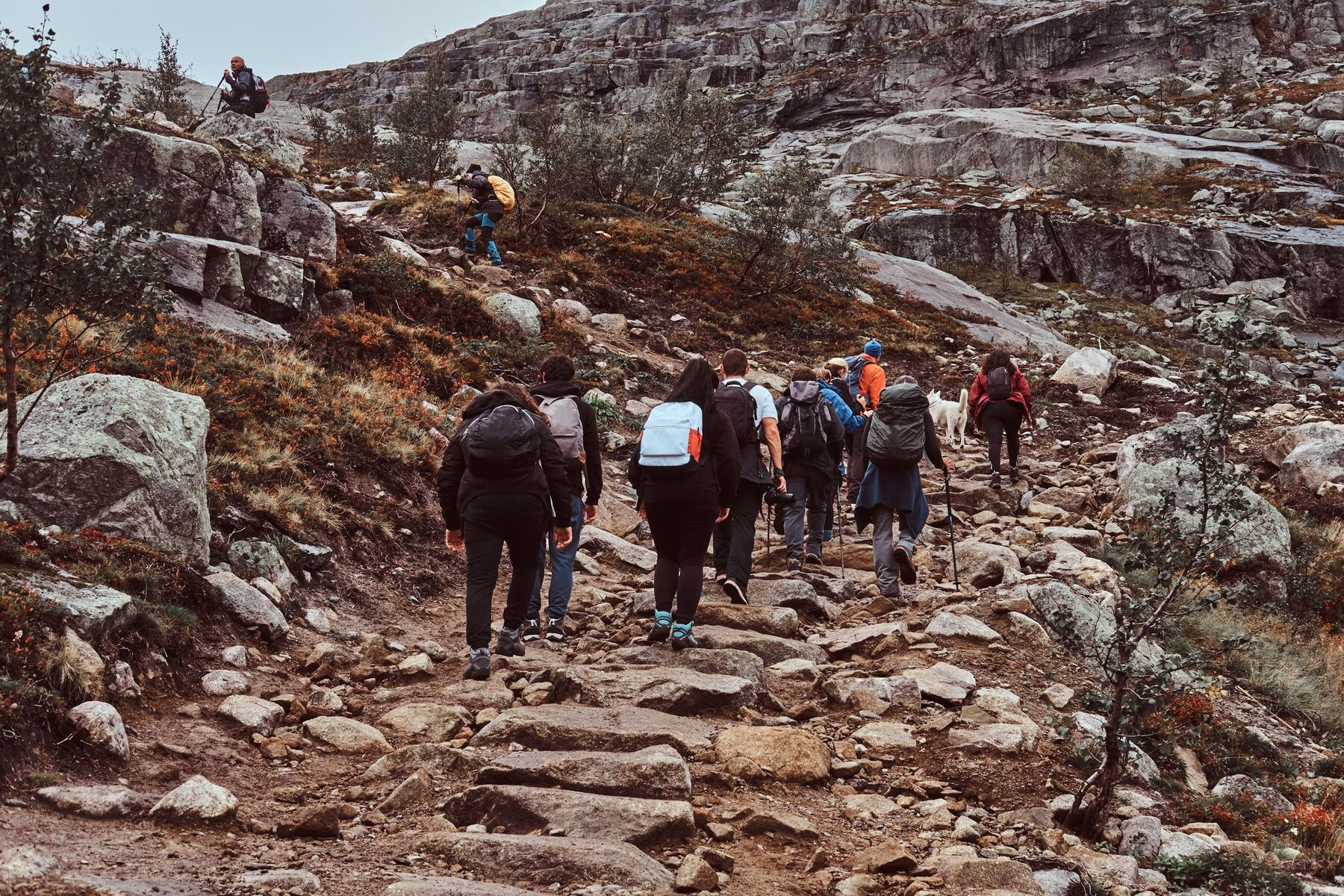
Reaching Nepal's Hidden Peaks and Trekking Nirvana
Forget about the masses of visitors climbing up Everest Base Camp while carrying selfie sticks. Get rid of the expensive teahouses and prepackaged itineraries. On Nepal's lesser-known peaks, where breathtaking scenery unfolds, privacy is absolute, and genuine village interactions capture your memory.
Forget about the masses of visitors climbing up Everest Base Camp while carrying selfie sticks. Get rid of the expensive teahouses and prepackaged itineraries. On Nepal's lesser-known peaks, where breathtaking scenery unfolds, privacy is absolute, and genuine village interactions capture your memory.
Manaslu Circuit
Climbers are drawn to the towering Manaslu, the eighth-highest mountain in the world, by its natural beauty and rustic appeal. The 17-day Manaslu Circuit is a challenging but rewarding journey that travels through a variety of environments, from high mountains with breathtaking views to green valleys covered in wildflowers. Picture Manaslu's snow-capped summit, mist around its beautiful peak, and the only sounds disturbing the quiet are the singing birds and the echoes of yak bells. Explore historic trade routes, come across beautiful cities spared from modernization, and become involved in the straightforward yet meaningful lives of the inhabitants. The Manaslu Circuit contains many high passes that rise beyond 5,000 meters, so be warned—it's not for the faint of heart.
Three Passes Trek
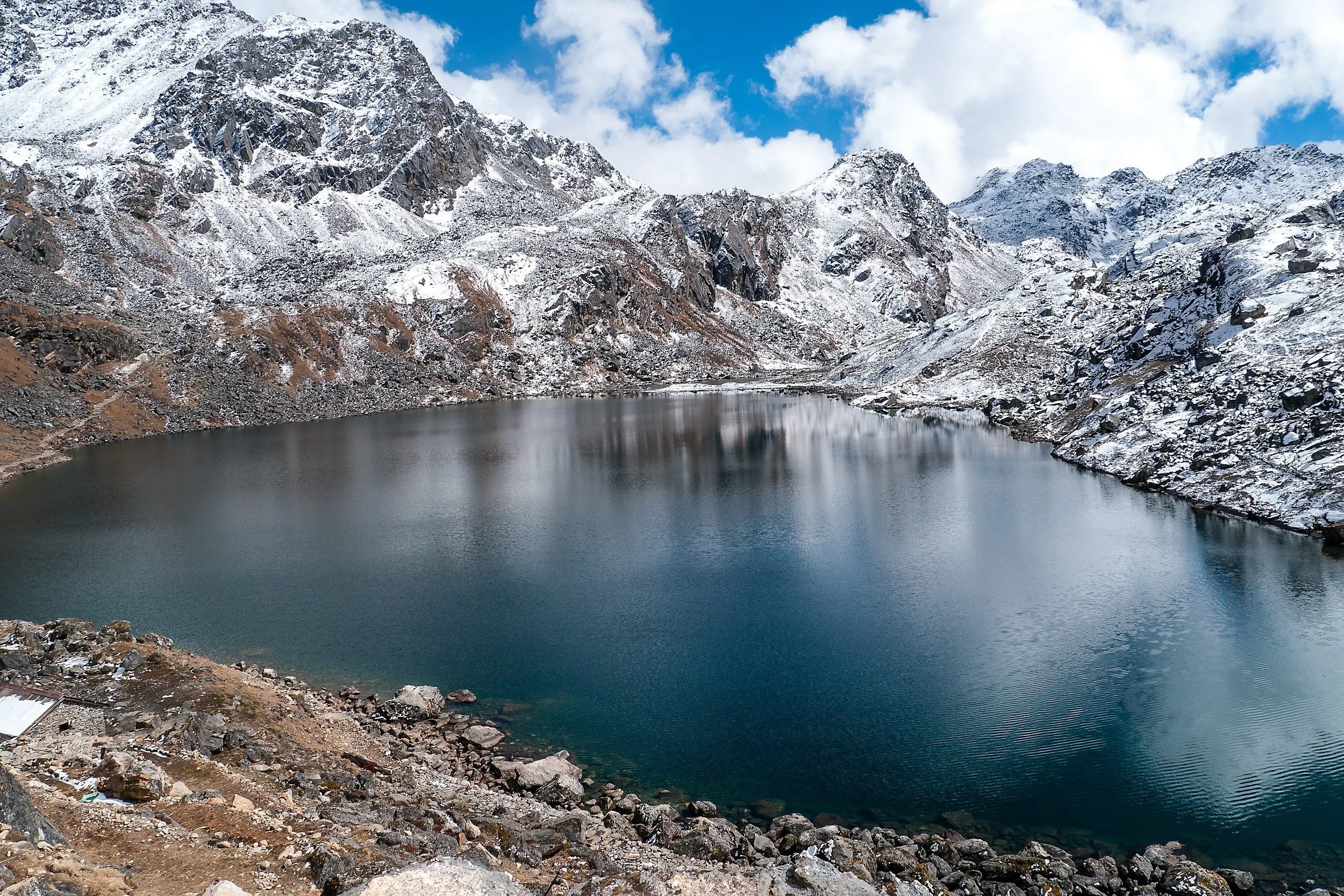
Put on your boots and set out on the renowned Three Passes Trek if you enjoy testing your physical and mental boundaries. This 18-day journey will test your determination with jaw-dropping views of the Himalayas, bitterly cold winds, and exhilarating climbs over three high passes (Kongma La, Cho La, and Renjo La), all of which are over 5,000 meters in elevation. Navigating through glacier valleys and seeing avalanches crash down in the distance will humble you before the overwhelming power of nature. Gokyo Lake is a sacred pilgrimage destination with captivating blue waters. Although this hike requires planning and respect, completing those passes and reaching the top of every vista will surely rank among your most memorable adventure travel experiences.
Beyond the Trek: Authentic Connections
The true magic of these off-the-beaten-path hikes lies not just in the breathtaking scenery, but in the people you meet. Stay in traditional teahouses run by local families, sharing stories and laughter over steaming cups of chai. Participate in a yak cheese-making demonstration, learning about age-old traditions passed down through generations. Offer a prayer at a hidden monastery nestled amidst the mountains, experiencing the deep spirituality that permeates Nepali culture. Remember, you're not just a tourist; you're a welcomed guest, a chance for cultural exchange and genuine human connection.
Setting out on these solo hikes calls for careful preparation and ethical behavior. Employ knowledgeable local guides who are familiar with the area and can guarantee your safety. Consider your influence on the environment, dispose of all garbage properly, and show consideration for the delicate ecosystems you pass through.
So enjoy the adventure and avoid the crowds. Allow Nepal's undiscovered peaks to reveal their mysteries, test your soul, and create lifelong memories. The true attraction of trekking is found in the route itself, as each step brings you closer to the essence of this amazing nation and its people, rather than merely climbing to the top.
POPULAR ITINERARIES
SIMILAR POSTS
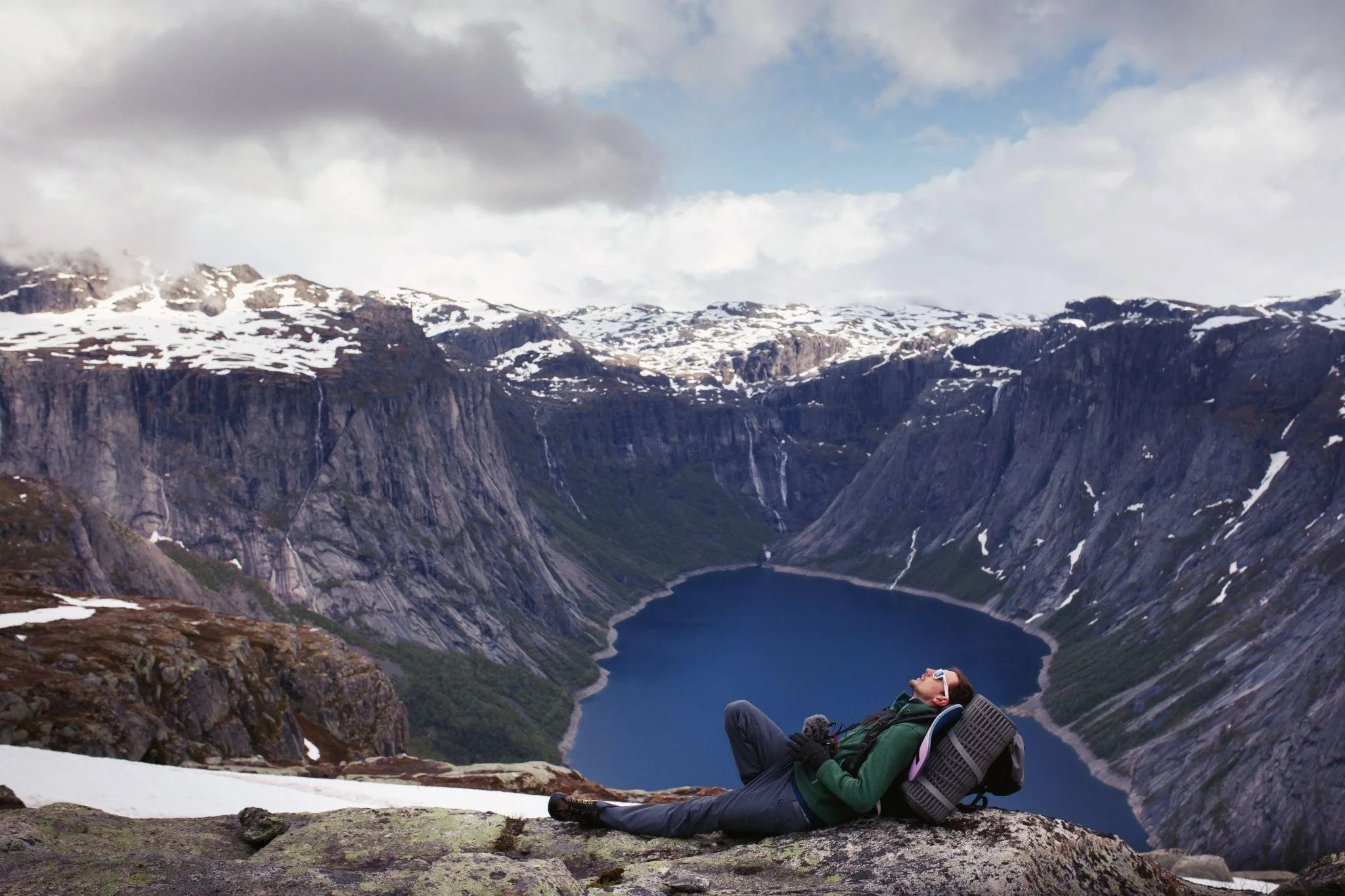
Glamping in the Annapurna Region: Luxury Under the Himalayas
Experience the ultimate blend of luxury and adventure in the 𝗔𝗻𝗻𝗮𝗽𝘂𝗿𝗻𝗮 𝗿𝗲𝗴𝗶𝗼𝗻 𝘄𝗶𝘁𝗵 𝗚𝗹𝗮𝗺𝗽𝗶𝗻𝗴 – camping featuring private tents, en-suite bathrooms, and hot tubs against the stunning Himalayan backdrop. Trek through rhododendron forests and picturesque villages, all while minimizing environmental impact through sustainable practices.
Move over, Everest Base Camp. There's a new kind of adventure calling to discerning travelers in Nepal: Glamping in the Annapurna Region. Ditch the crowded teahouses and rustic lodges, and embrace the ultimate blend of comfort and adventure under the majestic gaze of the Annapurna massif. Imagine waking up to the golden light of sunrise painting the snow-capped peaks, sipping your morning coffee from the plush comfort of your private tent, and enjoying en-suite bathrooms and even hot tubs after a day of exploring breathtaking landscapes. Yes, glamping in the Annapurna Region is all this and more.
Beyond the Ordinary Trek:
Glamping isn't just about creature comforts; it's about experiencing the Himalayas in a whole new way. Imagine trekking through rhododendron forests and charming Gurung villages, knowing that at the end of the day, a luxurious haven awaits. Forget lugging heavy backpacks or roughing it in basic accommodations. Glamping allows you to fully immerse yourself in the beauty and adventure of the region without sacrificing your well-being.
Uniquely Tailored Experiences:
Several reputable companies offer glamping packages along the Annapurna Circuit, catering to different budgets and preferences. Choose from a fully supported trek with guides and porters setting up your camp each night, or opt for a more independent glamping experience where you carry your gear and pitch your tent (with the help of the knowledgeable staff, of course!). Some glamping companies even offer unique add-ons like private yoga sessions, gourmet meals prepared by local chefs, and stargazing under the crystal-clear night sky.
Starry Nights and Epic Sunrises:
One of the most magical aspects of glamping in the Annapurna Region is the unparalleled connection with nature. Imagine gazing at a sky ablaze with a million stars, free from light pollution. Wake up to the gentle chirping of birds and the first rays of sunlight illuminating the majestic peaks. With minimal light and noise, you'll experience the raw beauty of the Himalayas in a way that traditional trekking often doesn't allow.
More Than Just Comfort:
While relaxation and rejuvenation are key aspects of glamping, it's important to remember that you're still in the heart of the Annapurna Sanctuary. Each day offers countless opportunities for adventure. Hike to breathtaking viewpoints, explore hidden waterfalls, and immerse yourself in the vibrant culture of the local villages. Glamping provides a luxurious base camp for your explorations, allowing you to push your limits by day and unwind in unparalleled comfort by night.
A Sustainable Approach:
Responsible tourism is paramount, and the glamping companies operating in the Annapurna Region take great care to minimize their environmental impact. They use eco-friendly tents and amenities, source local produce, and work closely with the communities to ensure a sustainable and positive impact on the region.
Glamping in the Annapurna Region is more than just a trendy travel experience; it's a unique opportunity to reconnect with nature, immerse yourself in a breathtaking landscape, and discover the magic of Nepal luxuriously and sustainably. So, pack your sense of adventure, your love for the outdoors, and your appreciation for comfort, and embark on an unforgettable glamping journey under the watchful gaze of the mighty Himalayas.
POPULAR ITINERARIES
SIMILAR POSTS
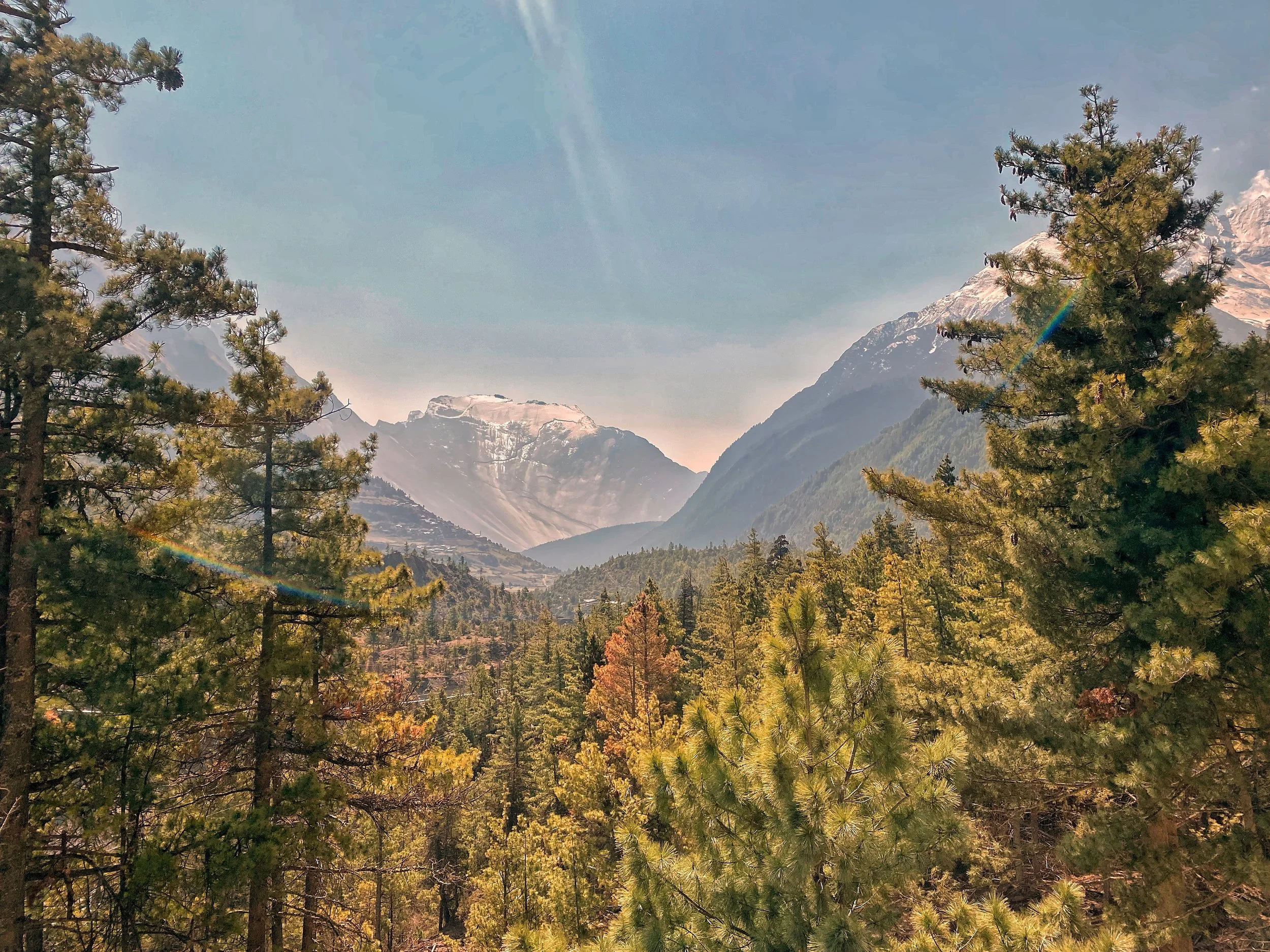
The Challenges of Annapurna Circuit: Trekking through Nature's Triumphs and Trials
Nestled in the heart of the Himalayas, the Annapurna Circuit is a legendary trekking route that has drawn adventurers, nature enthusiasts, and seekers of solitude for decades. This awe-inspiring journey promises breathtaking vistas, cultural encounters, and a profound connection with the mountains. However, it is not without its challenges, both physical and logistical. In this article, we will explore the trials and tribulations of trekking the Annapurna Circuit, a path that tests the limits of endurance and rewards with unparalleled natural beauty.
The Annapurna Circuit is a renowned trekking trail that circumnavigates the Annapurna Massif in Nepal, offering trekkers an opportunity to experience diverse landscapes, from lush subtropical forests to arid alpine deserts. The circuit passes through picturesque villages inhabited by diverse ethnic communities, providing a unique cultural immersion along with the natural beauty.
Challenges of Altitude: Acclimatization
One of the most formidable challenges of the Annapurna Circuit is dealing with high altitudes. As trekkers ascend through the rugged terrain, they encounter altitudes exceeding 5,000 meters (16,500 feet) at Thorong La Pass, the highest point on the circuit.
Altitude sickness is a real concern, and it's crucial to acclimatize properly. Rushing the ascent can lead to symptoms like headaches, nausea, and dizziness. Trekkers are advised to take rest days, stay well-hydrated, and listen to their bodies to minimize the risks associated with altitude.
Weather Woes: The Monsoon Season
The Annapurna Circuit has distinct trekking seasons, with the most popular being spring (March to May) and autumn (September to November). However, the monsoon season, from June to August, poses a significant challenge.
During the monsoon, heavy rainfall can make the trails slippery and prone to landslides. The lush greenery is offset by leech-infested forests, and frequent cloud cover can obscure the otherwise breathtaking mountain views. Trekkers must exercise caution and be prepared for the added difficulties of trekking during the monsoon.
Physical Endurance: Long Days on the Trail
Trekking the Annapurna Circuit is physically demanding. Days can be long and strenuous, with steep ascents and descents. The circuit typically takes around 15 to 20 days to complete, depending on one's pace and the chosen route.
Long hours of walking can be tough on the body, especially for those not accustomed to such exertion. It's essential to be in good physical condition and undertake appropriate training before embarking on this trek.
Lodging and Facilities: Basic Amenities
While trekking in the Annapurna region has become more accessible over the years, it's important to note that accommodations and facilities along the trail can be quite basic. Teahouses, which provide lodging and meals, may not offer the comforts of urban hotels. Trekkers should be prepared for shared rooms, limited hot water, and simple meals.
Additionally, amenities like Wi-Fi and electricity may not be consistently available in all villages, making it essential to disconnect from the digital world and embrace the simplicity of mountain living.
Cultural and Language Barriers
The Annapurna Circuit is not just about trekking; it's an opportunity to engage with the local communities that call these remote mountains home. However, cultural and language differences can pose challenges.
Many villagers along the circuit speak their native languages and dialects, which can make communication challenging for non-Nepali speakers. Learning a few basic Nepali phrases can go a long way in fostering connections and understanding local customs.
Permits and Regulations: Navigating the Red Tape
Trekking in the Annapurna region requires trekkers to obtain permits, which vary based on the specific route and duration. Navigating the permit process can be a bit complex, with multiple checkpoints and fees to consider.
Additionally, trekkers are expected to follow environmental regulations, such as carrying out their waste and not disturbing the natural habitat. Understanding and adhering to these regulations is essential for responsible trekking in the region.
Triumphs Amidst Trials
The Annapurna Circuit is not a trek for the faint-hearted, but its challenges are what make the journey so rewarding. The physical exertion, the altitude, and the unpredictable weather all combine to create a test of one's mettle. However, it is within these trials that trekkers find triumphs.
The sense of accomplishment when reaching Thorong La Pass, the camaraderie formed with fellow trekkers, and the unparalleled beauty of the Annapurna range are experiences that stay with trekkers for a lifetime. The challenges of the Annapurna Circuit are not obstacles but stepping stones to an adventure of a lifetime, where nature's grandeur meets the resilience of the human spirit.
POPULAR ITINERARIES
SIMILAR POSTS
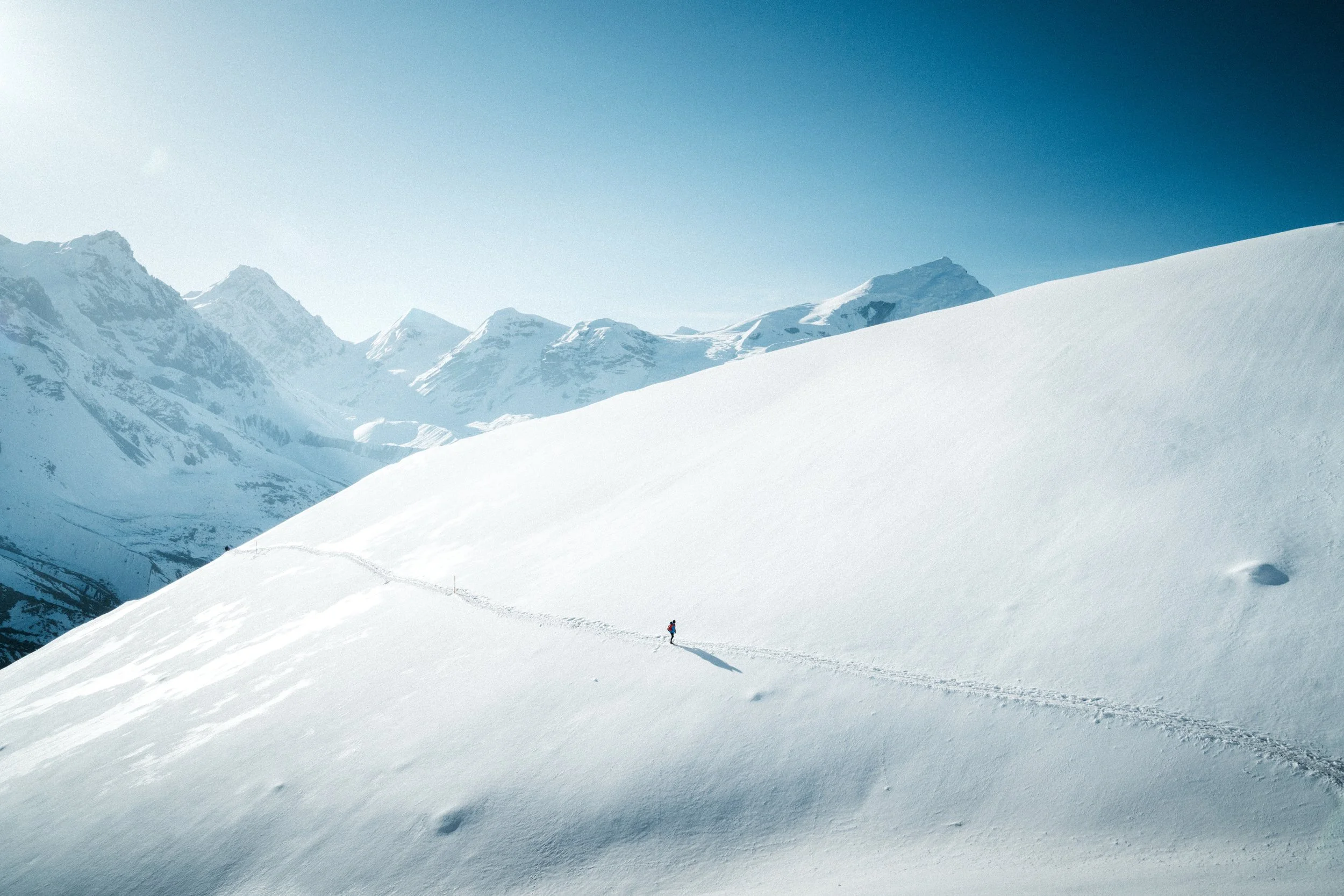
Thorang-la Pass: An Adventurer's Dream
In the heart of the Himalayas, at an elevation that challenges the limits of human endurance, lies a passage that has lured adventurers and trekkers from around the world for decades – the Thorang-la Pass. This breathtaking high mountain pass is a jewel of the Annapurna Circuit in Nepal, offering a thrilling blend of natural beauty, challenging terrain, and the allure of a remarkable achievement. In this article, we will take you on a journey through the highlights, itinerary, and invaluable tips for conquering the Thorang-la Pass, an adventurer's dream come true.
The Highlights of Thorang-la Pass:
Stunning Alpine Landscapes: The journey to Thorang-la Pass takes you through a mesmerizing landscape that includes lush forests, serene alpine meadows, and rugged mountain terrains. As you ascend, the vistas transform into a breathtaking snowy wonderland.
Highest Trekking Pass in the World:
At a staggering altitude of 5,416 meters (17,769 feet), Thorang-la is one of the highest trekking passes in the world. Reaching the pass is a test of physical and mental endurance, offering an unparalleled sense of accomplishment.
Cultural Exploration:
The trek to Thorang-la Pass passes through picturesque villages like Manang and Yak Kharka, where you can immerse yourself in the local culture and traditions of the Gurung and Thakali people. Visit ancient monasteries and witness the daily lives of the inhabitants.
Spiritual Significance:
Thorang-la holds spiritual significance for the people of the region. Local Buddhists and Hindus consider the pass a sacred site, and you will encounter chortens (stone shrines) and prayer flags along the trail. The pass offers stunning panoramic views of the Annapurna and Dhaulagiri mountain ranges.
Itinerary for Conquering Thorang-la Pass:
Trekking to Thorang-la Pass requires careful planning and acclimatization to the high altitude. Here's a suggested itinerary for the adventure:
Day 1: Arrival in Kathmandu - Arrive in Nepal's capital, Kathmandu, and take time to prepare for your trek, including obtaining necessary permits.
Day 2: Drive to Besi Sahar - Begin your journey by driving to Besi Sahar, the starting point of the Annapurna Circuit.
Day 3-4: Trek to Manang - Embark on the trekking trail, passing through villages like Chamje, Tal, and Chame. Reach Manang, a beautiful village known for its cultural richness and breathtaking views.
Day 5-6: Acclimatization in Manang - Spend a couple of days in Manang to acclimatize to the altitude. Explore the village and visit the Gangapurna Lake and Ice Lake for acclimatization hikes.
Day 7: Trek to Yak Kharka - Resume your trek, heading to Yak Kharka, a high-altitude grazing area with stunning mountain views.
Day 8: Trek to Thorang Phedi - Continue your ascent, reaching Thorang Phedi, the base camp for Thorang-la Pass.
Day 9: Thorang-la Pass Day - Start early in the morning for the challenging climb to Thorang-la Pass. The hike is strenuous due to the high altitude and steep ascent. Reaching the pass is a triumphant moment, offering incredible views of the surrounding peaks.
Day 10: Descend to Muktinath - After celebrating your achievement at Thorang-la Pass, descend to Muktinath, a significant pilgrimage site for both Hindus and Buddhists.
Day 11: Trek to Jomsom - Continue your journey to Jomsom, known for its arid landscapes and unique charm.
Day 12: Flight to Pokhara - Conclude your trek by taking a scenic flight from Jomsom to Pokhara, where you can relax and reflect on your adventure.
Day 13: Return to Kathmandu - Fly back to Kathmandu, bringing an end to your exhilarating journey.
Tips for Conquering Thorang-la Pass:
Proper Acclimatization: Acclimatization is crucial when trekking at high altitudes. Spend a couple of days in Manang to adapt to the thin air before attempting the pass.
Physical Fitness: Prior physical preparation is essential. Engage in regular cardio and strength training exercises to build endurance and strength for the trek.
Packing Essentials: Pack warm clothing, including layers, gloves, and a down jacket. Ensure you have sturdy, comfortable trekking boots, a good-quality sleeping bag, and a reliable backpack.
Stay Hydrated and Nourished: Drink plenty of water and consume calorie-rich foods to maintain energy levels. Carry water purification tablets or a filter to access safe drinking water on the trail.
Know Your Limits: Listen to your body and recognize the signs of altitude sickness. If you experience severe symptoms, it's essential to descend to a lower altitude immediately.
Travel Insurance: Invest in comprehensive travel insurance that covers high-altitude trekking, medical emergencies, and evacuation if necessary.
Trekking to Thorang-la Pass is not for the faint of heart, but for adventurers and nature enthusiasts seeking the thrill of a lifetime, it is an experience like no other. The stunning alpine landscapes, the sense of accomplishment at reaching one of the world's highest trekking passes, and the cultural immersion along the way make this journey truly unforgettable.
By following the suggested itinerary, preparing meticulously, and respecting the challenges posed by high altitudes, you can turn your dream of conquering Thorang-la Pass into a reality. The reward is not only the panoramic views from the pass but also the indelible memories of a Himalayan adventure that will stay with you for a lifetime.
POPULAR ITINERARIES
SIMILAR POSTS
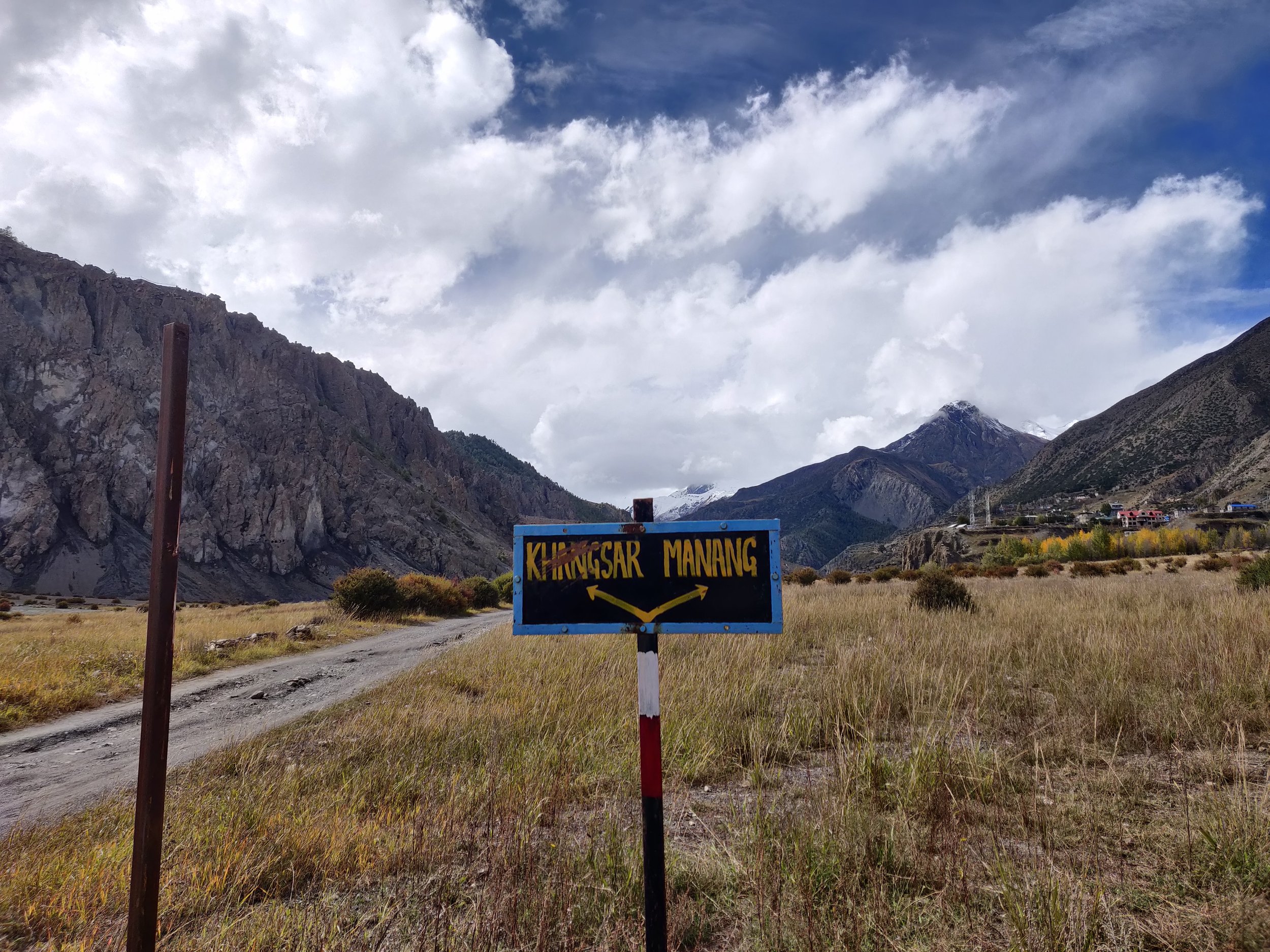
Khangsar and Manang: Two Incredible Destinations in Nepal's Annapurna Region
Nestled in the rugged terrain of the Himalayas, Khangsar and Manang are two hidden gems that beckon adventurers and nature enthusiasts to explore their untouched beauty. Located in the Annapurna region of Nepal, these destinations offer a unique blend of breathtaking landscapes, rich culture, and warm hospitality. In this article, we will take a closer look at the highlights, itinerary suggestions, and some invaluable tips to make the most of your visit to Khangsar and Manang.
Khangsar: A Picture Perfect Village
Khangsar, a picturesque village in the Annapurna Conservation Area, is often overshadowed by its more famous neighbor, Manang. However, it holds its own charm and allure that make it a must-visit destination for those seeking tranquility amidst nature.
Highlights of Khangsar:
Scenic Hikes: Khangsar offers numerous hiking trails that lead to stunning viewpoints. A popular option is the trek to Tilicho Lake, one of the highest lakes in the world, surrounded by dramatic mountain peaks. The journey to the lake takes you through alpine meadows, lush forests, and traditional settlements.
Cultural Immersion: Khangsar allows travelers to immerse themselves in the local culture. The village is inhabited by warm and friendly Gurung people who are eager to share their customs and traditions. Don't miss the opportunity to savor traditional Nepali dishes and learn about the unique architecture of the local houses.
Serene Environment: Unlike the bustling tourist hubs, Khangsar offers a peaceful retreat. The absence of vehicular traffic and the harmonious coexistence of nature and humanity create an environment that promotes relaxation and reflection.
Khangsar Itinerary:
Day 1: Arrival in Khangsar - Spend your first day acclimatizing and exploring the village.
Day 2: Hike to Tilicho Base Camp - Enjoy breathtaking views and immerse yourself in nature.
Day 3: Visit Tilicho Lake - Witness the pristine beauty of one of the highest lakes in the world.
Day 4: Return to Khangsar - Reflect on your adventure and savor local cuisine.
Day 5: Departure - Bid farewell to the serene village of Khangsar.
Tips for Khangsar:
Altitude Precautions: Khangsar is situated at a high altitude, so it's essential to acclimatize properly. Spend a couple of days in Manang or other lower-altitude villages before heading to Khangsar.
Pack Light: Since Khangsar is a remote destination, facilities may be limited. Pack essentials and consider hiring a porter to carry your belongings during treks.
Respect Local Culture: Embrace the local customs and traditions, and always ask for permission before taking photographs of people or their property.
Manang: A Cultural and Natural Haven
Manang, a vibrant town in the Annapurna region, is a gateway to some of the most magnificent trekking routes in the world. Its unique blend of cultural heritage and awe-inspiring landscapes has made it a favorite among trekkers and travelers.
Highlights of Manang:
Trekking Paradise: Manang serves as a starting point for treks to Annapurna Circuit, Thorong La Pass, and other stunning destinations. The trekking routes offer panoramic views of the Annapurna and Dhaulagiri mountain ranges, pristine forests, and charming villages.
Rich Culture: Explore the distinct culture of the Manangi people, who have preserved their Tibetan-influenced traditions for generations. Visit monasteries like Braga Monastery, where you can witness religious rituals and intricate artwork.
Natural Hot Springs: After a long day of trekking, unwind in the soothing waters of the natural hot springs in the nearby village of Chame. It's a perfect way to rejuvenate and relax your muscles.
Manang Itinerary:
Day 1: Arrival in Manang - Acclimatize and explore the town's cultural attractions.
Day 2: Braga Monastery - Visit this ancient monastery and immerse yourself in the local culture.
Day 3: Trekking Begins - Start your trek towards Tilicho Lake or Thorong La Pass.
Day 4-6: Trekking - Explore the stunning landscapes, villages, and mountain views along your chosen trekking route.
Day 7: Return to Manang - Rest and reflect on your trekking adventures.
Day 8: Departure - Bid farewell to Manang, taking with you memories of its beauty and culture.
Tips for Manang:
Permit Requirements: Ensure you have the necessary permits for trekking in the Annapurna Conservation Area. Check the current regulations and acquire your permits in advance.
Weather Awareness: The weather in the Himalayas can be unpredictable. Be prepared for changing conditions and carry appropriate gear, including warm clothing and rain protection.
Hydration and Nutrition: Staying hydrated and well-fed is crucial at high altitudes. Carry enough water and energy-rich snacks during your treks.
Khangsar and Manang, two incredible destinations in Nepal's Annapurna region, offer a unique blend of natural beauty, rich culture, and spiritual serenity. Whether you choose to explore the tranquil village of Khangsar or embark on a trekking adventure from bustling Manang, both destinations promise an unforgettable experience in the heart of the Himalayas. Remember to plan your itinerary carefully, respect local customs, and embrace the stunning landscapes and warm hospitality that these hidden gems have to offer.
POPULAR ITINERARIES
SIMILAR POSTS
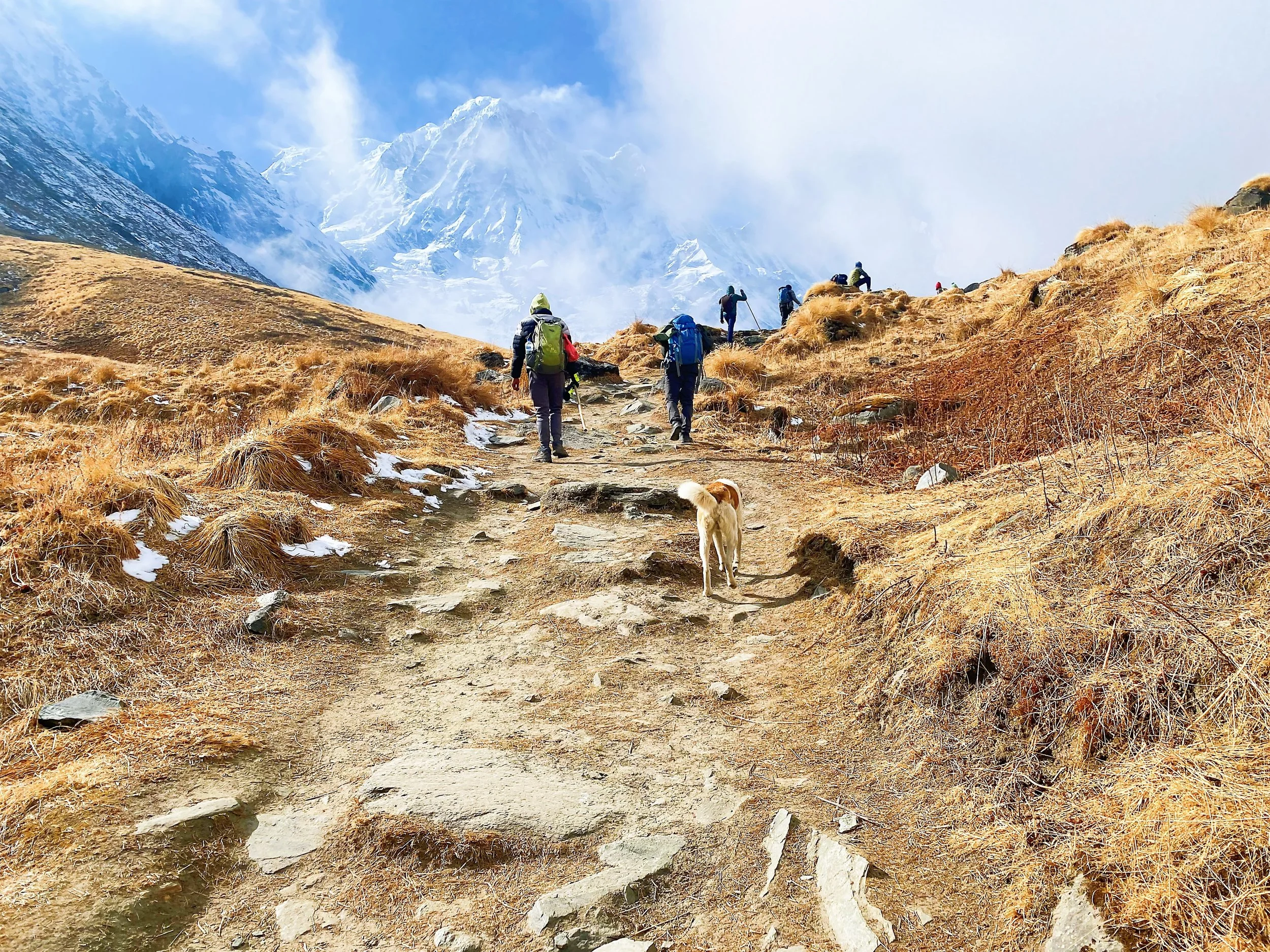
Wandering In the Himalayas: A Trekker's Paradise
The Himalayas, the towering giants that cradle Nepal, have always beckoned adventurers, seekers of solace, and nature enthusiasts. To truly experience the majesty of these mountains, trekking in the Himalayas is an unparalleled journey into the heart of nature. This article will introduce you to the essence of trekking in Nepal and present the five best trekking routes, along with their highlights and mini-itineraries, inviting you to wander in the Himalayas.
Trekking in Nepal: An Enriching Experience
Trekking in Nepal isn't just about conquering peaks; it's about immersing yourself in a world of natural beauty, culture, and adventure. It's about forging a connection with the people of the mountains, experiencing their way of life, and witnessing landscapes that will leave you in awe. Whether you're an experienced trekker or a novice, Nepal offers routes that cater to all levels, ensuring everyone can explore the Himalayas.
1. Everest Base Camp Trek
Introduction:
The Everest Base Camp Trek, the crown jewel of trekking in Nepal, offers a remarkable blend of natural grandeur and cultural richness. It's a journey that leads you to the base of the world's highest peak, Mount Everest, and through the enchanting Sherpa heartland.
Highlights:
Iconic views of Mount Everest and surrounding peaks.
Immersion in Sherpa culture and monasteries.
Adventurous flight to Lukla, the gateway to Everest.
Visiting the stunning Sagarmatha National Park.
Mini Itinerary:
Day 1: Fly to Lukla and trek to Phakding.
Day 2: Trek to Namche Bazaar.
Day 3: Acclimatization day in Namche.
Day 4: Trek to Tengboche.
Day 5: Trek to Dingboche.
Day 6: Acclimatization day in Dingboche.
Day 7: Trek to Lobuche.
Day 8: Trek to Everest Base Camp and back to Gorak Shep.
Day 9: Hike to Kala Patthar for sunrise and return to Lukla.
2. Annapurna Circuit Trek
The Annapurna Circuit Trek is a classic journey through diverse landscapes, lush forests, terraced fields, and high mountain deserts. It offers a taste of authentic Nepali culture and stunning views of the Annapurna and Dhaulagiri mountain ranges.
Highlights:
A diverse range of landscapes from lush forests to arid highlands.
Thorong La Pass, one of the highest trekking passes in the world.
Encounters with diverse ethnic groups and villages.
Relaxation in the natural hot springs of Tatopani.
Mini Itinerary:
Day 1: Begin in Besisahar and trek to Bhulbhule.
Day 2: Trek to Jagat.
Day 3: Trek to Dharapani.
Day 4: Trek to Chame.
Day 5: Trek to Upper Pisang.
Day 6: Trek to Manang.
Day 7: Acclimatization day in Manang.
Day 8: Trek to Yak Kharka.
Day 9: Trek to Thorong Phedi.
Day 10: Cross Thorong La Pass and descend to Muktinath.
Day 11: Trek to Jomsom via Kagbeni.
Day 12: Fly to Pokhara.
3. Langtang Valley Trek
The Langtang Valley Trek is a shorter and less crowded option that takes you into the stunning Langtang region. It offers a taste of pristine wilderness, dense forests, and encounters with friendly Tamang communities.
Highlights:
Proximity to Kathmandu; a shorter trek.
Spectacular mountain views including Langtang Lirung.
Exploration of the picturesque Langtang village.
Interactions with Tamang communities.
Mini Itinerary:
Day 1: Drive to Syabrubesi.
Day 2: Trek to Lama Hotel.
Day 3: Trek to Langtang Village.
Day 4: Trek to Kyanjin Gompa.
Day 5: Explore Kyanjin Gompa and Langtang Glacier.
Day 6: Trek back to Lama Hotel.
Day 7: Trek to Syabrubesi.
Day 8: Drive back to Kathmandu.
4. Manaslu Circuit Trek
The Manaslu Circuit Trek takes you on an off-the-beaten-path adventure, circling the magnificent Manaslu massif. This remote trek offers pristine wilderness, ethnic diversity, and the challenge of crossing the Larke Pass.
Highlights:
Off-the-beaten-path trekking experience.
Pristine wilderness and diverse ecosystems.
Crossing the challenging Larke Pass.
Interactions with Tibetan and Nepalese cultures.
Mini Itinerary:
Day 1: Drive to Soti Khola.
Day 2: Trek to Machha Khola.
Day 3: Trek to Jagat.
Day 4: Trek to Deng.
Day 5: Trek to Namrung.
Day 6: Trek to Samagaon.
Day 7: Acclimatization day in Samagaon.
Day 8: Trek to Samdo.
Day 9: Trek to Dharamsala.
Day 10: Cross Larke Pass and descend to Bimthang.
Day 11: Trek to Tilje.
Day 12: Trek to Dharapani and drive to Kathmandu.
5. Upper Mustang Trek
The Upper Mustang Trek offers a unique opportunity to explore the forbidden kingdom of Lo Manthang. It's a journey through stark landscapes, Tibetan-influenced culture, and ancient monasteries.
Highlights:
The unique Tibetan-influenced culture and landscape.
Exploring the ancient walled city of Lo Manthang.
Visiting monasteries and caves.
Restricted region, preserving its pristine beauty.
Mini Itinerary:
Day 1: Fly to Jomsom and trek to Kagbeni.
Day 2: Trek to Chele.
Day 3: Trek to Syanboche.
Day 4: Trek to Gheling.
Day 5: Trek to Charang.
Day 6: Trek to Lo Manthang.
Day 7: Explore Lo Manthang.
Day 8: Trek to Yara.
Day 9: Explore Yara and Luri Gompa.
Day 10: Trek to Tangge.
Day 11: Trek to Tetang.
Day 12: Trek to Muktinath and drive back to Jomsom.
Trekking in the Himalayas of Nepal is not just an adventure; it's a journey of the heart and soul. The trails offer more than just breathtaking vistas; they open doors to unique cultures, humble villages, and serene landscapes. From the world-famous Everest Base Camp to the mystical Upper Mustang, each trek has its own charm and allure. So, whether you seek the thrill of high mountain passes or the tranquility of remote valleys, Nepal's Himalayas have a trek waiting for you, promising an unforgettable adventure of a lifetime.
POPULAR ITINERARIES
SIMILAR POSTS
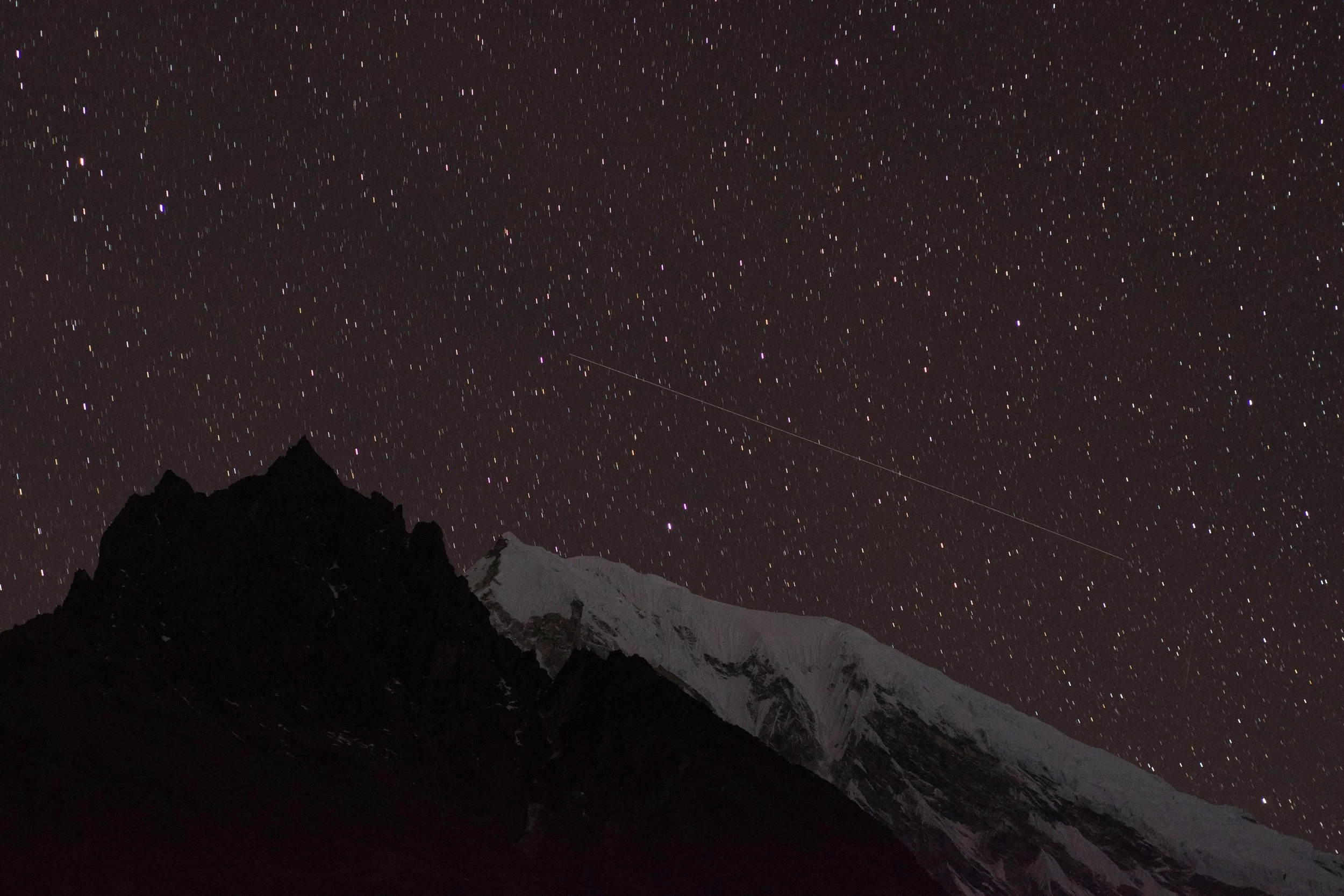
Capturing the Stars in the Himalayas
Nepal, renowned for its stunning mountain landscapes, rich culture, and warm hospitality, has also emerged as a hidden gem for astrophotographers. The Himalayan nation offers a unique opportunity to capture the celestial wonders amidst its breathtaking scenery. In this article, we will explore some of the best astro photography destinations in Nepal, where you can capture the beauty of the night sky against the backdrop of the majestic mountains.
Nepal, renowned for its stunning mountain landscapes, rich culture, and warm hospitality, has also emerged as a hidden gem for astrophotographers. The Himalayan nation offers a unique opportunity to capture the celestial wonders amidst its breathtaking scenery. In this article, we will explore some of the best astro photography destinations in Nepal, where you can capture the beauty of the night sky against the backdrop of the majestic mountains.
1. Sagarmatha National Park
Nestled in the heart of the Khumbu region, Sagarmatha National Park is home to the world's highest peak, Mount Everest. It's not only a paradise for trekkers but also for astrophotographers. The clear, unpolluted skies at high altitudes provide a canvas for capturing the Milky Way, constellations, and even the occasional shooting star. Gazing up at the starry sky with the silhouette of Everest and neighboring peaks is an experience that transcends words.
2. Annapurna Conservation Area
The Annapurna Conservation Area is another prime astro photography destination in Nepal. With its diverse terrain, including lush forests, terraced fields, and serene lakes, this region offers an array of compositions for night photography. The tranquil Phewa Lake in Pokhara, surrounded by the Annapurna Range, is a perfect spot for capturing reflections of the stars in the water.
3. Rara Lake
Rara Lake, located in the remote northwestern corner of Nepal, is the largest lake in the country and one of the least explored astro photography destinations. The serene and pristine surroundings make it an ideal location for capturing the night sky in all its glory. Away from the light pollution of urban areas, Rara Lake offers a chance to photograph the Milky Way in its full splendor.
4. Langtang National Park
Langtang National Park, with its rugged terrain and diverse flora and fauna, is a haven for astro photographers. The picturesque Langtang Valley, with its dramatic landscapes and high vantage points, provides ample opportunities to capture star trails and the interplay of light and shadow on the mountains during the night.
5. Gosaikunda Lake
Located at an altitude of over 4,380 meters, Gosaikunda Lake is not just a pilgrimage site but also a remarkable astro photography destination. The high altitude and pristine environment make it an ideal place for capturing the night sky. The lake's calm waters mirror the stars above, creating stunning reflections that add depth to your astrophotography compositions.
6. Manang
Manang, a picturesque village on the Annapurna Circuit, is a strategic base for astrophotographers. The village's high altitude and minimal light pollution make it an excellent spot to capture the celestial wonders. The clear night skies here reveal intricate details of the Milky Way, making it a must-visit destination for avid astrophotographers.
7. Upper Mustang
Upper Mustang, a remote region bordering Tibet, offers a unique landscape for astro photography. The stark, arid terrain and ancient cave dwellings provide a surreal contrast to the night sky. The region's isolation ensures minimal light pollution, allowing you to capture stunning images of stars and galaxies.
Tips for Astro Photography in Nepal
Pack Proper Gear: Ensure you have a sturdy tripod, a fast lens with a wide aperture, and a remote shutter release to minimize camera shake during long exposures.
Check the Weather: Plan your trip during the dry season (October to April) when the skies are clear and the chances of capturing the stars are higher.
Acclimatize: If you're heading to high-altitude destinations like Everest Base Camp or Manang, take time to acclimatize to prevent altitude sickness.
Learn Astrophotography Techniques: Familiarize yourself with techniques such as long-exposure photography, stacking, and image processing to enhance the quality of your astrophotographs.
Respect the Environment: Practice responsible photography by leaving no trace and respecting the natural beauty of Nepal's landscapes.
Nepal's astro photography destinations offer a unique blend of natural beauty and celestial wonders. From the towering peaks of Sagarmatha National Park to the tranquil lakes of Annapurna, and the remote landscapes of Upper Mustang, there's a plethora of opportunities to capture the magic of the night sky. So, pack your camera gear, head to Nepal, and prepare to be mesmerized by the celestial symphony above the Himalayas. With a clear sky, a keen eye, and the right techniques, you'll create stunning astro photographs that will leave a lasting impression. Happy shooting!
POPULAR ITINERARIES
SIMILAR POSTS
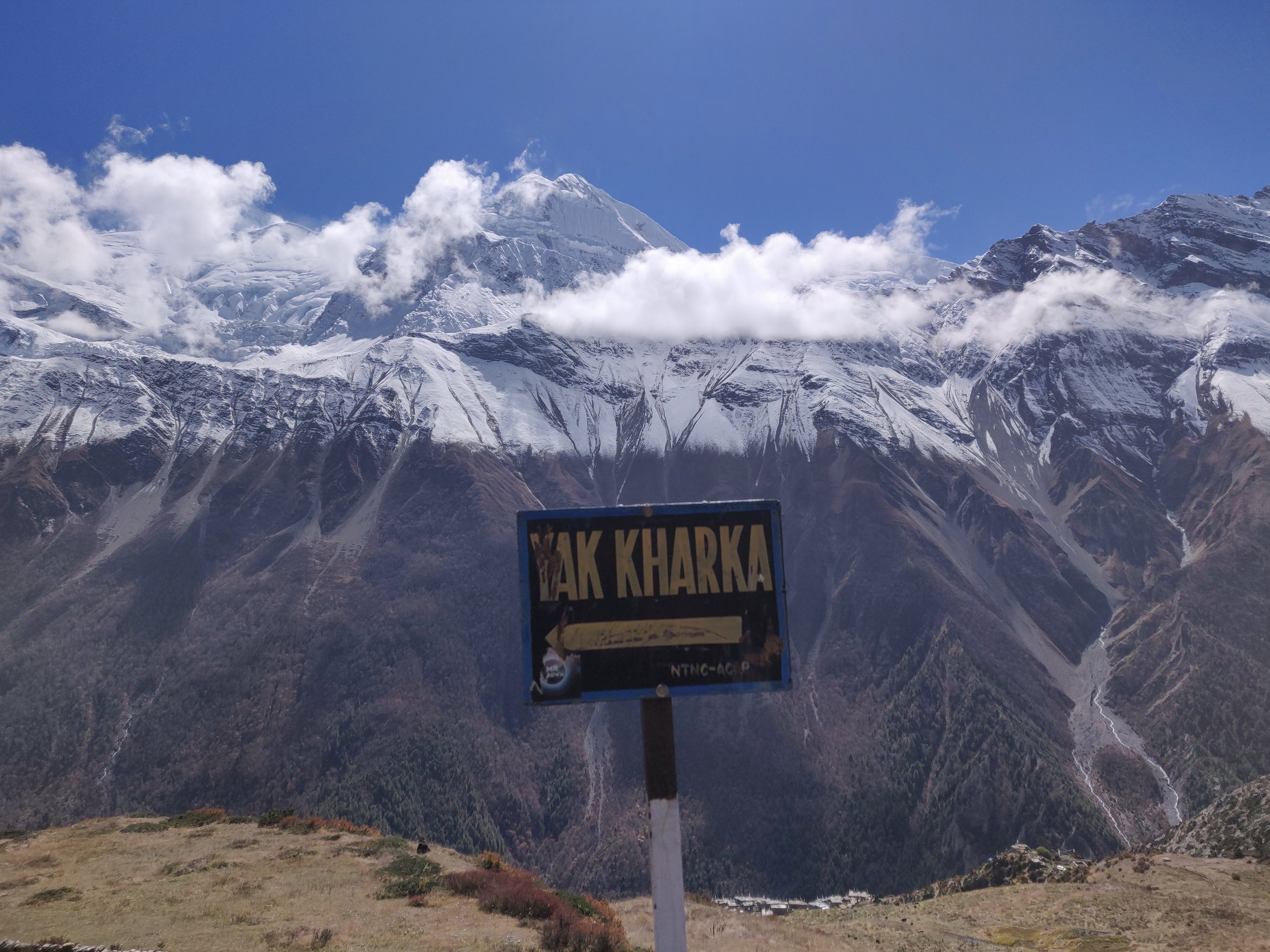
The Allure of the Yak Kharka Trekking Route
Nepal, with its towering peaks and breathtaking landscapes, has long been a haven for trekkers and adventure enthusiasts. Among the numerous trekking routes that crisscross this Himalayan paradise, the Yak Kharka Trekking Route stands out for its mesmerizing beauty and unique cultural experiences. In this feature article, we invite you to embark on an unforgettable journey as we explore the itinerary of the Yak Kharka Trekking Route, where pristine nature, traditional villages, and awe-inspiring vistas await.
The Yak Kharka Trekking Route, nestled in the heart of Nepal's Annapurna region, is a hidden gem waiting to be discovered by adventurers seeking an authentic Himalayan experience. This trek combines the splendor of high mountain landscapes with encounters with the warm-hearted local communities of Nepal.
Route Highlights
Spectacular Mountain Views: The Yak Kharka Trek offers panoramic views of some of the world's highest peaks, including Annapurna, Dhaulagiri, and Machapuchare.
Cultural Immersion: You'll have the opportunity to interact with locals in traditional Gurung and Magar villages, learning about their customs and way of life.
Wildlife Encounters: Keep an eye out for rare Himalayan wildlife, such as blue sheep and the elusive snow leopard, as you traverse the rugged terrain.
Itinerary:-
Day 1: Arrival in Kathmandu
Day 2: Kathmandu to Pokhara
Day 3: Pokhara to Nayapul to Tikhedhunga
Day 4: Tikhedhunga to Ghorepani
Day 5: Ghorepani to Poon Hill to Tadapani
Day 6: Tadapani to Chhomrong
Day 7: Chhomrong to Bamboo
Day 8: Bamboo to Deurali
Day 9: Deurali to Yak Kharka
Day 10: Yak Kharka to Thorong Phedi
Day 11: Thorong Phedi to Muktinath via Thorong La Pass
Day 12: Muktinath to Jomsom
Day 13: Jomsom to Pokhara
Day 14: Return to Kathmandu
Itinerary: A Trekker's Dream Journey
The Yak Kharka Trek typically spans 7 to 10 days, depending on your pace and the specific route you choose. Here, we outline a 9-day itinerary that covers the highlights of this remarkable trek.
Day 1: Arrival in Kathmandu
Your journey begins with your arrival in Nepal's capital, Kathmandu. Spend your first day exploring the vibrant streets of the city, where ancient temples, bustling markets, and a rich tapestry of cultures await.
Day 2: Kathmandu to Pokhara
Leave Kathmandu behind as you embark on a scenic drive or a short flight to the lakeside city of Pokhara. Take in the serene beauty of Phewa Lake and the towering Annapurna Range as you prepare for your trek.
Day 3: Pokhara to Nayapul to Tikhedhunga
After breakfast in Pokhara, drive to Nayapul, the starting point of your trek. The trail takes you through terraced fields, forests, and picturesque villages like Tikhedhunga, where you'll spend your first night in a local teahouse.
Day 4: Tikhedhunga to Ghorepani
As you ascend higher into the Annapurna Conservation Area, the landscapes transform. Today's journey leads you to Ghorepani, a charming village known for its stunning sunrise views over the Himalayas.
Day 5: Ghorepani to Poon Hill to Tadapani
Wake up early and make the steep climb to Poon Hill, a renowned vantage point offering breathtaking sunrise vistas. After capturing the beauty in your memories and your camera, continue your trek to Tadapani, a quaint village surrounded by lush forests.
Day 6: Tadapani to Chhomrong
Trek through rhododendron forests and charming hamlets as you make your way to Chhomrong. This village, nestled at the base of the imposing Annapurna Massif, provides a glimpse into the local Gurung culture.
Day 7: Chhomrong to Bamboo
The trail descends to the Modi Khola River before ascending once more to Bamboo. Along the way, you'll cross suspension bridges and marvel at the ever-changing scenery.
Day 8: Bamboo to Deurali
Today's trek takes you through lush bamboo forests and into the alpine region. Deurali, situated in a serene forested area, offers a peaceful place to rest and soak in the natural beauty.
Day 9: Deurali to Yak Kharka
As you continue your ascent, you'll reach Yak Kharka, a picturesque grazing pasture surrounded by high mountains. This is a perfect spot to acclimatize and enjoy the serene mountain ambiance.
Day 10: Yak Kharka to Thorong Phedi
On this day, you'll make your way to Thorong Phedi, the last stop before the challenging Thorong La Pass. Rest and prepare for the altitude gain and demanding crossing ahead.
Day 11: Thorong Phedi to Muktinath via Thorong La Pass
The highlight of your trek awaits as you ascend to Thorong La Pass, the highest point of the trek at 5,416 meters (17,769 feet). The breathtaking views from the pass are well worth the effort. Descend to the sacred village of Muktinath, known for its temples and natural gas fires.
Day 12: Muktinath to Jomsom
The final leg of your trek takes you to Jomsom, a windswept town in the Kali Gandaki Valley. Along the way, you'll pass through arid landscapes and quaint villages.
Day 13: Jomsom to Pokhara
Take a short flight from Jomsom to Pokhara, where you can relax by the lake or explore the city's charming streets. It's a well-deserved rest after your trekking adventure.
Day 14: Return to Kathmandu
Bid farewell to the enchanting landscapes of Pokhara as you return to Kathmandu, where you can reflect on your unforgettable journey through the Himalayas.
The Yak Kharka Trekking Route is not just a journey; it's an adventure of a lifetime. From the cultural immersion in traditional Nepali villages to the awe-inspiring vistas of the Annapurna Range, this trek offers a glimpse into the heart and soul of Nepal.
As you embark on this remarkable journey, you'll not only conquer challenging trails but also forge connections with the warm and welcoming people who call these high-altitude regions home. The Yak Kharka Trek is a testament to the enduring allure of Nepal, where nature, culture, and adventure converge in perfect harmony.
POPULAR ITINERARIES
SIMILAR POSTS
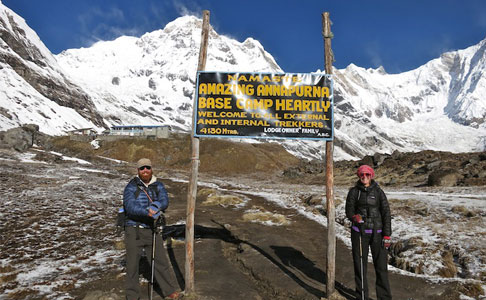
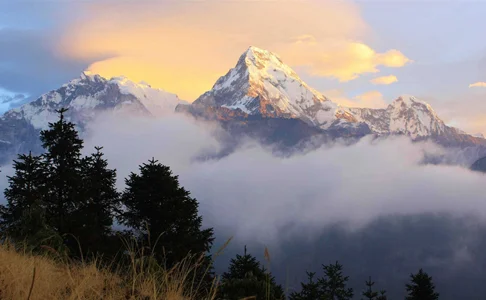
Exploring Muktinath: A Spiritual Journey to the Himalayas
Muktinath's history dates back thousands of years, and it has been a revered pilgrimage site for Hindus and Buddhists since ancient times. For Hindus, it is one of the 108 sacred Vishnu temples known as "Divya Desams." The temple's main deity is Lord Vishnu, often depicted as "Muktinath" or "Chakrapani," holding a chakra (discus) in one hand and a conch shell in the other. Hindus believe that bathing in the holy waters of the Muktinath temple's 108 water spouts brings salvation and liberates them from the cycle of birth and rebirth.
Welcome to the mystical land of Muktinath, a place of profound spiritual significance and breathtaking natural beauty. Nestled in the Annapurna mountain range of Nepal, Muktinath holds a unique place in the hearts of both Hindu and Buddhist pilgrims. The word "Muktinath" is derived from two Sanskrit words: "Mukti," meaning liberation or salvation, and "Nath," meaning lord. Thus, Muktinath is considered a place of ultimate liberation, attracting devotees from all walks of life.
Muktinath's history dates back thousands of years, and it has been a revered pilgrimage site for Hindus and Buddhists since ancient times. For Hindus, it is one of the 108 sacred Vishnu temples known as "Divya Desams." The temple's main deity is Lord Vishnu, often depicted as "Muktinath" or "Chakrapani," holding a chakra (discus) in one hand and a conch shell in the other. Hindus believe that bathing in the holy waters of the Muktinath temple's 108 water spouts brings salvation and liberates them from the cycle of birth and rebirth.
For Buddhists, Muktinath is equally significant as it is believed to be one of the 24 tantric places, where Guru Padmasambhava, also known as Guru Rinpoche, meditated during his journey to Tibet. The surrounding area is dotted with ancient monasteries, stupas, and prayer flags, providing a serene atmosphere for meditation and reflection.
Day 1: Arrival in Kathmandu
Welcome to Kathmandu, the capital city of Nepal. Upon arrival, check-in at your hotel and take some rest after your journey. In the evening, explore the vibrant Thamel neighborhood, filled with shops, restaurants, and cultural delights.
Day 2: Kathmandu Sightseeing
Visit the UNESCO World Heritage Sites of Kathmandu, including Swayambhunath (Monkey Temple), Pashupatinath Temple, and Boudhanath Stupa. Immerse yourself in the rich spiritual and cultural heritage of Nepal.
Day 3: Kathmandu to Pokhara
Travel to Pokhara, a picturesque city surrounded by the Annapurna and Dhaulagiri mountain ranges. Enjoy a boat ride on Phewa Lake and soak in the breathtaking views of the Himalayas.
Day 4: Pokhara to Muktinath
Take a scenic flight from Pokhara to Jomsom, a beautiful town in the Mustang region.
Begin the trek from Jomsom to Muktinath, passing through Kagbeni, a charming village with Tibetan influences.
Day 5: Muktinath Temple
Reach Muktinath and visit the sacred Muktinath Temple. Explore the temple complex, including the 108 water spouts and the eternal flame that is said to burn without any natural fuel.
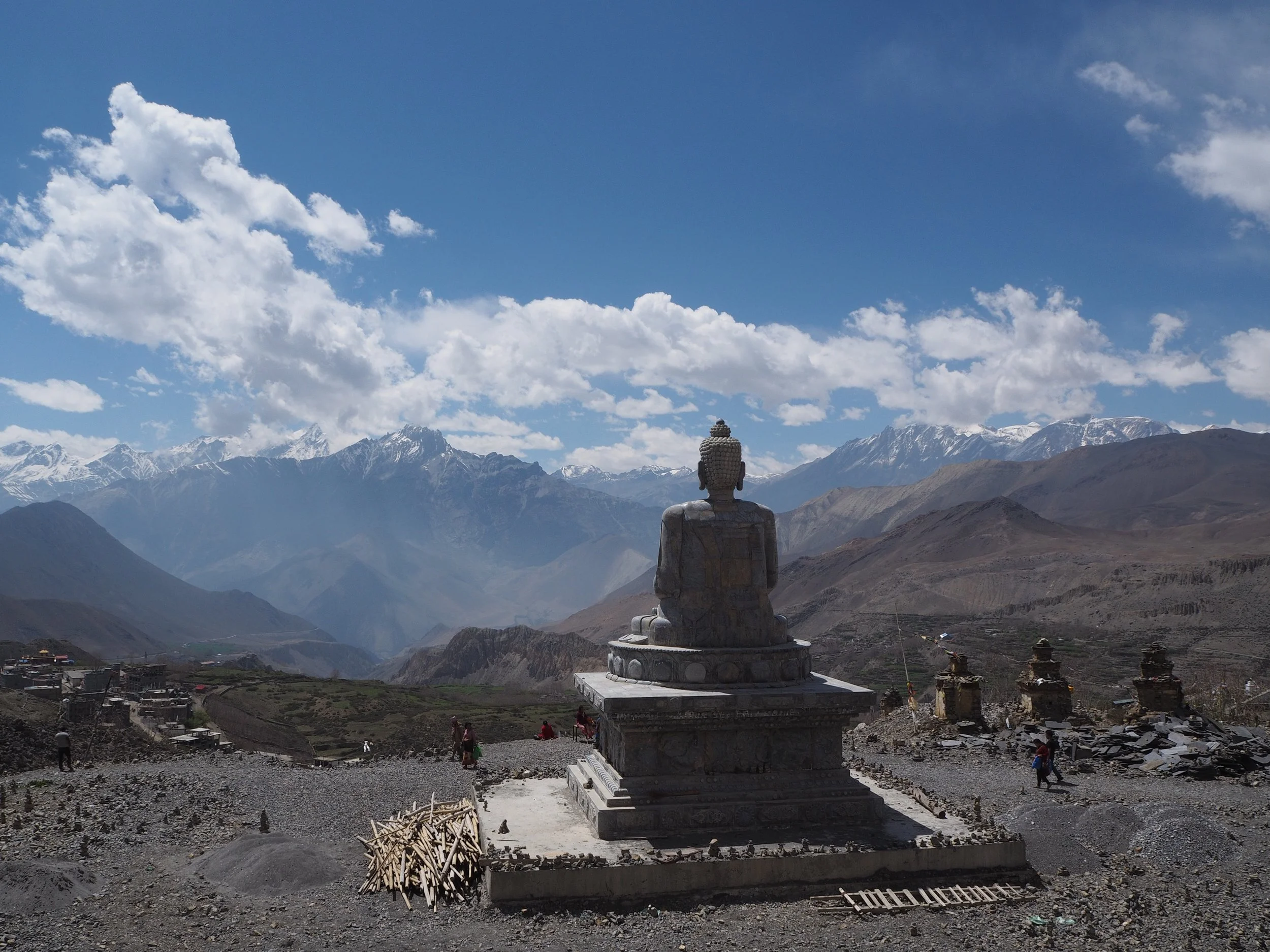
Day 6: Excursion to the Stone Buddha Statue
Embark on an excursion to the newly constructed 35-foot-tall Stone Buddha Statue in the region.Learn about the significance of this magnificent statue and enjoy the panoramic views of the surrounding landscapes.
Day 7: Return to Pokhara
Trek back to Jomsom and take a flight back to Pokhara. Spend the rest of the day at leisure, exploring Pokhara's markets or indulging in adventure activities like paragliding or zip-lining.
Day 8: Pokhara to Kathmandu
Bid farewell to Pokhara and return to Kathmandu. Use this day for any last-minute shopping or additional sightseeing in the capital.
Day 9: Departure
Your spiritual journey to Muktinath concludes today. Transfer to the airport for your onward journey with cherished memories of the Himalayan adventure.
Please note that this is a general itinerary, and it can be customized according to your preferences, time constraints, and physical fitness. Muktinath offers an enriching experience for spiritual seekers and nature lovers alike, leaving an everlasting impression on the hearts of those who visit this sacred destination.
Do’s and Don’ts for Muktinath Journey
Dos:
Respect the Local Culture: Muktinath is a sacred place for both Hindus and Buddhists. Show respect for the local culture and religious practices. Dress modestly when visiting temples and monasteries, and remove your shoes before entering any religious site.
Seek Blessings with Humility: Whether you are a religious pilgrim or a curious traveler, approach the Muktinath Temple and other religious sites with a humble and open heart. Seek blessings and participate in rituals with sincerity.
Carry Essential Items: While trekking to Muktinath, ensure you have proper trekking gear, including sturdy hiking shoes, warm clothing, a hat, sunglasses, and sunscreen. Stay hydrated and carry water bottles and snacks during the trek.
Follow Trekking Guidelines: If you are trekking to Muktinath, hire a registered guide and follow designated trekking trails. Inform your guide or hotel about your travel plans for safety purposes.
Experience Local Cuisine: Taste the local Nepali and Tibetan cuisine, as it is an essential part of experiencing the culture. Try momos, thukpa, dal bhat, and other traditional dishes.
Carry Cash: While major towns might have ATMs, it's advisable to carry enough cash for your entire trip, as remote areas like Muktinath might have limited access to banking facilities.
Be Environmentally Conscious: Respect the natural beauty of the region by not littering. Carry a reusable water bottle and avoid single-use plastics.
Don'ts:
Avoid Disrespectful Behavior: Refrain from any behavior that may be considered disrespectful to the local culture, traditions, or religious sites. Avoid touching religious artifacts or statues without permission.
Don't Disturb Wildlife: The region around Muktinath is ecologically fragile. Avoid disturbing wildlife or their natural habitats during your trek.
Don't Use Drones: Using drones in the region may not only disturb the serene atmosphere but may also violate local regulations.
Respect Photography Restrictions: Some monasteries and temples might have photography restrictions. Always ask for permission before taking photographs of people or religious sites.
Avoid Alcohol and Substance Abuse: Muktinath is a spiritual place, and it is best to avoid alcohol and substance abuse during your visit. Such behavior is not only disrespectful but may also be unsafe during treks.
Don't Engage in Public Display of Affection: Nepali culture tends to be conservative regarding public displays of affection. Show respect for local customs by keeping such displays private.
Don't Ignore Altitude Precautions: If you're trekking to Muktinath, be mindful of altitude sickness. Acclimatize properly and seek medical attention if you experience any symptoms.