
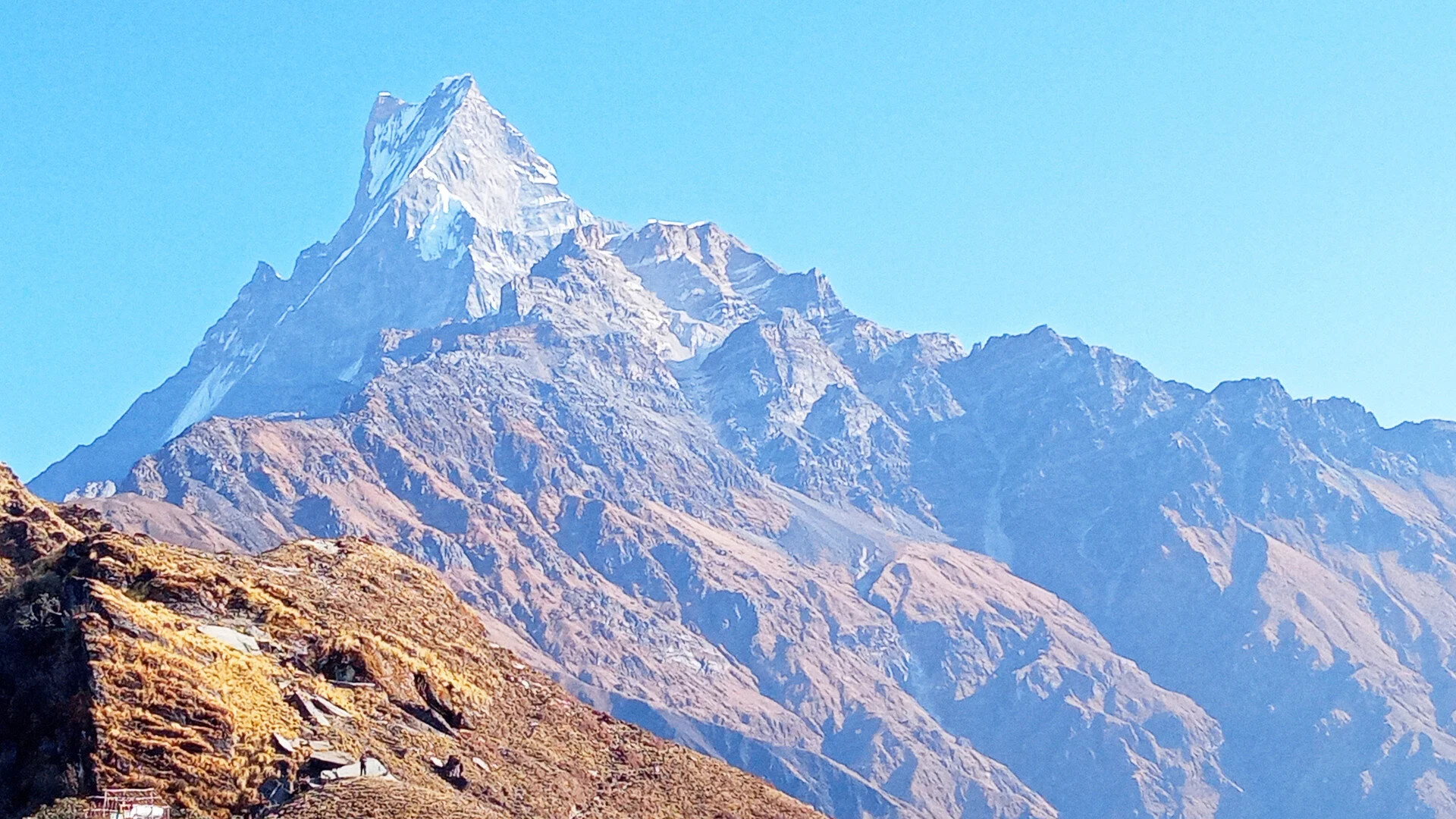
Exploring Mardi - Part II
A book is only as great as the adventures of the writer. Nepal offers countless opportunities to tell stories from another world. Amongst such wondrous trails is Mardi Himal Trek. While walking through the paths, one gets to take their imagination up through breathtaking scenes and witness the surreal beauty of the Himalayas.
In the first part of this article, we briefly looked into a few facts about the Mardi Himal Trek. Whereas in this article, we shall look into the itinerary in brief.
What can I experience in this trek?
The journey begins in the temperate zone with lush grooves and rhododendron hills. The scenery gradually changes to sub-alpine when you make the ascent from Low Camp to High Camp. A short hike from here to Mardi Himal Base Camp takes you to the alpine zone with an uninterrupted panorama of the Annapurna mountains and a close-up encounter with Mt Machhapuchre.
The itinerary
Day 1: Drive to Kande and Trek to Deurali
Maximum elevation for the day: 2200m above sea level
Trekking time: 4 hours
Difficulty: Easy
Day 2: Trek to Low camp
Maximum elevation for the day: 2900m above sea level
Trekking time: 7 hours
Difficulty: Moderate
Day 3: Trek to High Camp
Maximum elevation for the day: 3585m above sea level
Trekking time: 5-6 hours
Difficulty: Moderate
Day 4: Hike to Mardi Himal Base Camp and return to Middle Camp
Maximum elevation for the day: 4500 m above sea level
Trekking Time: 3 hours
Difficulty: Easy
Day 5: Trek to Siding Village from Middle Camp
Maximum elevation for the day: 3200m above sea level
Trekking time: 6 hours
Difficulty: Moderate
Day 6: Trek to Lumre and back to Pokhara
Maximum elevation for the day: 1750m
Trekking time: 3 hours
Drive time: 2 hours
Difficulty: Easy
What should I pack?
In general, trekkers should travel light. The maximum elevation for this trek is 4500m, meaning you shall require a warm jacket for the hike to Mardi Himal Base Camp. You should wear light clothes during the walk and have a windcheater or jacket with you at all times.
If you are travelling during Autumn or winter, warm clothes are a must. During spring, the days are relatively warmer. But the winds help cool you down. A windcheater over light clothing is the optimum recommendation.
A raincoat, along with a rain cover for your bag, is suggested. You should wear either hiking boots or comfortable sports shoes. If you plan to visit this region during pre-monsoon or monsoon, make sure to tuck and cover yourself well. The forests shall be full of mosquitos and leeches. Also, pack a warm cap and gloves with you as the alpine region is always cold.
Don't forget your sunscreen and sunglasses.
Do I need to be very fit for this trek?
The Mardi Himal Trek is moderate. Travellers do not require peak physical fitness but should have a good walking experience. As the trek features a gradual increase in elevation, AMS (Acute Mountain Sickness) is unlikely. But, if you feel the following symptoms, please inform your trekking guide and take appropriate measures.
Symptoms at 3000-5000m
1. Tingling Sensation
2. Headache
3. Fatigue
4. Nausea
5. Difficulty breathing
6. Stuffy ears
Appropriate measures include the following:
1. Do not panic.
2. Descend to a lower altitude immediately. If you feel like you cannot walk, request assistance.
3. If you have medication for AMS, consume it post consultation with your trekking guide.
Before booking your trek, please consult your doctor and get a basic assessment of your health. It shall help ensure you have a pleasant experience with minimal issues during the journey.
Also, note the following, altitude sickness is common, and you can overcome it easily. Whatever the case, please do not panic. Mental health is as important as physical health.
Should I explore Pokhara & Kathmandu?
Yes, of course, a cup of your favourite beverage beside the Fewa lake is a great experience. Indulge in a tour of the valley, which can be facilitated at a reasonable rate by the hotel. If you wish to entertain yourself around these cities without a guide or agent, please be careful of pesky street hawkers and scam guides.
We hope you have a great trek and a pleasant experience in Nepal!
POPULAR ITINERARIES
SIMILAR POSTS
Exploring Mardi - Part I
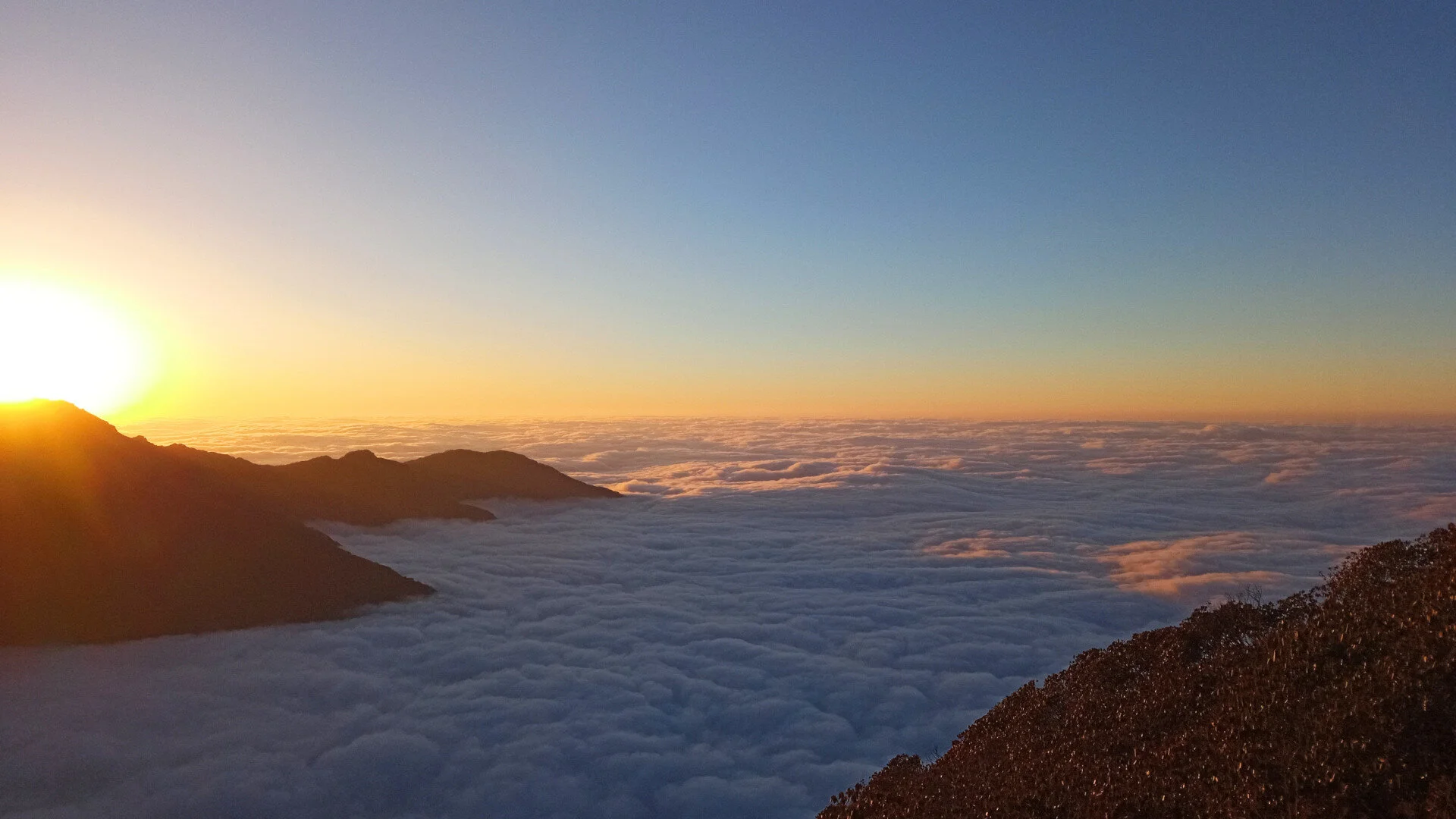
Amongst the numerous trails of Annapurna Conservation Area, the Mardi Trek is gaining popularity. The diverse terrain and splendid views make this trip worth the walk. It is a brisk trek that allows you to experience the lower regions of ACA and stand face to face with the majestic peak of Mt Machhapuchre at Mardi Base Camp.
The Annapurna Conservation Area (ACA) is home to numerous legendary treks. ACA treks allow a traveller to experience various ecosystems. Amongst the trails, the Annapurna Base Camp Trek, Poon Hill Trek and Sikles Eco Tour are the most popular in the non-restricted zone. Whereas in the restricted, Upper Mustang Trek, Nar-Phu Valley Trek, Tilicho Trek are the most popular.
The route in focus, Mardi Himal Trek, falls in the non-restricted area of Annapurna. A Non-Nepalese trekker does not require special permission to visit this area. S/he may experience the beauty of this region with just a TIMS (Trekkers Information Management System) card.
This trek is categorized as moderate, meaning the altitude gain and peak altitude is nominal. Anyone with minimal trekking experience completes the trip without any difficulty. But, we recommend the challenger to be of sound health.
When is the right time to trek?
In Nepal, Spring and Autumn is prime trekking season. The skies are clear with light to minimal rainfall. Autumn (Mid-September to Mid-November) is best for Mardi Himal Trek.
During other months such as December - February, the climate is colder and potential high snowfall may not allow you to trek above High Camp. Whereas during pre-monsoon ( Mid-May to Mid-July) and monsoon (Mid-July to Mid-September), chances of rain and clouding are high. The forest area shall be full of leeches and mosquitos.
Spring (Mid-March to Mid-May) is also a great time to trek this region. Temperature is nominal, and winds are light, allowing you to have a beautiful walk. The plant life will be blossoming: amplifying the atmosphere.
How do I start?
Once you have landed at TIA (Tribhuvan International Airport), you can either choose to experience a bit of the capital (Kathmandu) for a few days or get a connecting flight to Pokhara. The distance between Pokhara and Kathmandu is 200 KM. You can opt to take a bus instead of a flight as well. Your available options are either local or deluxe buses.
Deluxe buses leave every morning at 7 AM from Sorakhute Bus Station in Kathmandu. You may either book a ticket beforehand or arrive an hour early, pay and embark directly at the terminal. We recommend these buses as they have air conditioning. The travel time ranges between 7-8 hours, with stops for lunch and snacks at good quality rest stops.
You can skip all of the hassles by contacting the front desk officer at the hotel. S/he shall do their best to arrange these services for you. They can also develop a proper itinerary to experience Mardi Himal at a reasonable rate.
How long is the trek?
Mardi Himal Trek can be completed in 5-6 days, excluding travel time to Pokhara from Kathmandu.
What is the highest altitude during this trek?
The trek begins at 2200m from Deurali with moderate gains. A trekker shall not require added days for acclimatization. The highest elevation is at Mardi Himal Base Camp, which is at 4500m.
Is this trek a circuit?
It depends on your itinerary! While descending from High Camp, you can either come all day down to Low Camp or take an alternate route from Middle Camp to Siding Village and trek down to Lumre. Whereas, from Low Camp, retrace your steps to Kokar and then to Deurali completing the circuit.
Where can I get my TIMS card?
Nepal Tourism Board provides the TIMS card. You may acquire your permit either at the central office in Kathmandu or at their regional office in Pokhara.
Do I require added payments to enter certain areas?
You are not required to pay any entrance fees or monument fees in this trekking route.
The next article shall feature a brief itinerary for this trek
POPULAR ITINERARIES
SIMILAR POSTS
What is Gunla Dharma?
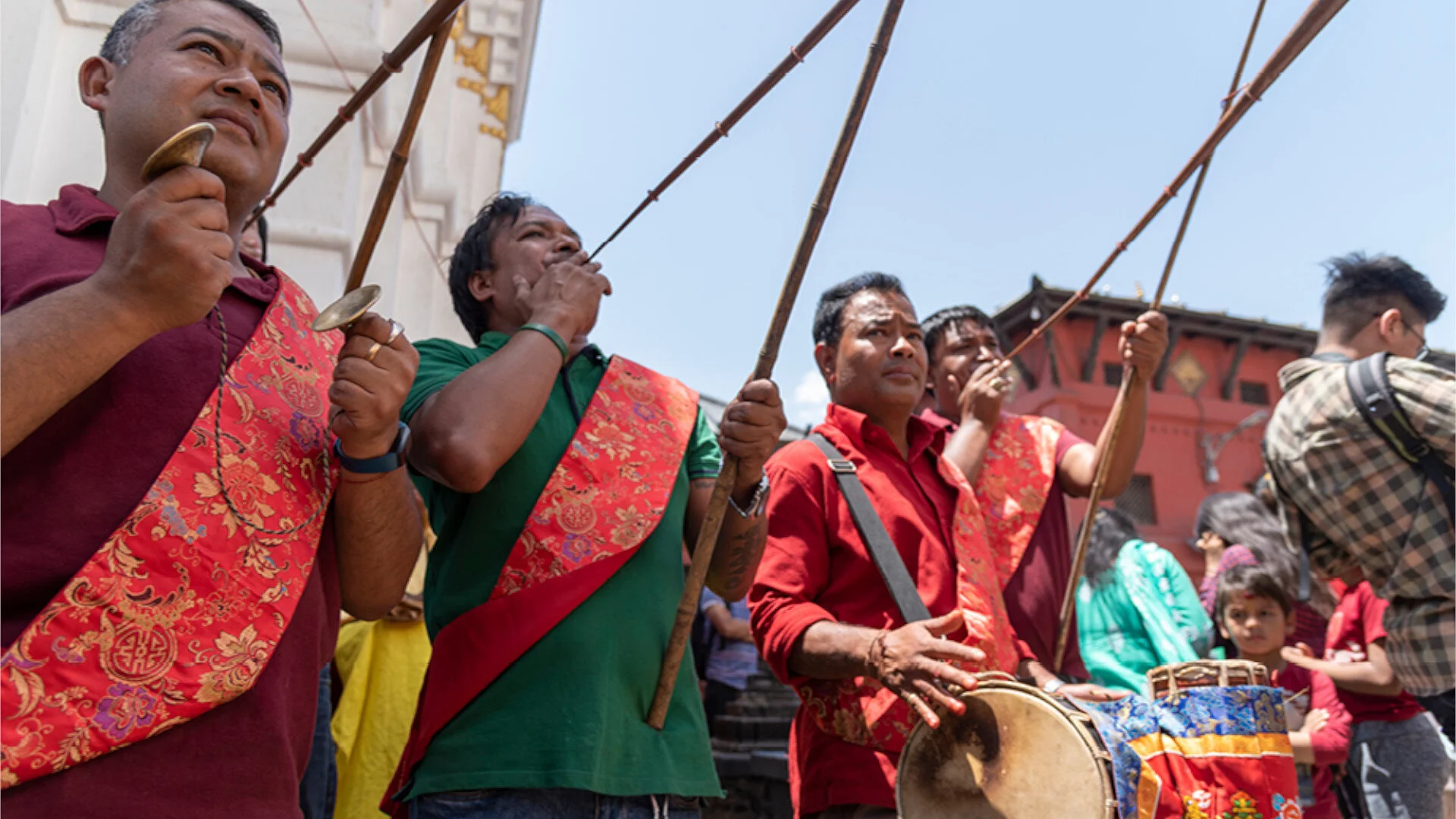
During the month of Gunla, Newar Buddhists pay homage to various Buddhist sites around the valley. It lasts for a month and features numerous activities such as prayers, pilgrimages and rites. Traditional ensembles perform musical acts in monastic complexes and temple premises. It is a spectacle like no other.
The inhabitants of this valley follow two traditional calendars. The first is known as Bikram Sambat (B.S), and the second is Nepal Sambat (N.S). The N.S calendar is also known as the Newar calendar incepted in the 9th century A.D.
As per chronicles and valley history, the new calendar marks the turn of an era. The shift was the righteous act of a man known as Shankadar Sakwa, a merchant who paid all debt of this valley. His deed was so profound that the state rulers, Mallas, initiated a new calendar. Nepal Sambat is a lunar arrangement that features 12 months, one of which is known as Gunla. The full moon is Gun Punhi.
It holds special importance for the Newar Buddhist households (Shakya & Bajracharya). During this month, each family, on a suitable date, performs numerous acts of charity. They (Newar Buddhists) restrain from consuming meat, fish and eggs for a month. They embark on a special pilgrimage to Kwa Bahal and Svayambhu. They as per their capacity perform numerous austerities and give alms.
Non-Buddhist Newar households only mark some of the events.
So what exactly is Gunla Dharma?
Dharma is a religious process. It features many activities and austerities, which include pilgrimages, prayers, meditation, giving of alms and others. Gunla Dharma is one month dedicated to providing the utmost reverence to Shakyamuni Buddha. This month is a holy month for Newar Buddhists.
On the first day of Gunla, devotees and musicians gather at a designated block in Lalitpur at 3 A.M and make ready for a grand procession. It is known as bogiwanegu. Devotees chant Buddhist hymns, and the musicians play an ensemble known as Naubaja. They head towards numerous Buddhist monasteries along a prescribed route.
The special alms for this month is locally known as Satu, wheat grain toasted and ground. It is offered to Shakyamuni Buddha by devotees. Whereas on the days of Pancha Daan, Buddhists offer five summer gifts: wheat grains (raw), unhusked rice grains, salt, money and fruits.
Vala is also known as Sringabheri, is till a week before Matayah. During Vala, devotees take daily walks to Buddhist sites. Matayah, however, is a full-day pilgrimage to all Buddhist landmarks of Lalitpur. This tradition (Matyah) is unique to the city and principalities of Lalitpur. Those who do not wish to partake in Matyah but have recently lost a family member visit the 4 stupas of Lalitpur at mid-night before Matayah.
Click here to read about Matyah
Another such pilgrimage is to Gosaikunda. This tradition is centuries old, where a family member of a grieving house embarks on a trek to this lake. They must reach it on Gun Punhi, which in Nepali is Janai Purnima. The elders speak of how taking this pilgrimage will assist the ascent of the recently departed to heaven.
The next day of Gun Punhi is Saparu, an important Newar event. Newar Buddhists visit the ample Bahah and Bahil’s of their city and present alms in earthen bowls. The offerings presented are as per the economic capacity of the giving family.
One of the last activities of Gunla is the Pancha Dan of Kathmandu. This occasion falls on Juga Charhe, which is three days before Nepali Fathers Day.
For this entire month, master musicians create an ensemble called Naubaja. They play various numbers in the bahah’s and bahil’s of their city. They also perform a grand orchestra at Buddhist monuments such as Svayambhu. Their plethora of instruments, when played together, create a performance that renders the audience speechless.
POPULAR ITINERARIES
SIMILAR POSTS

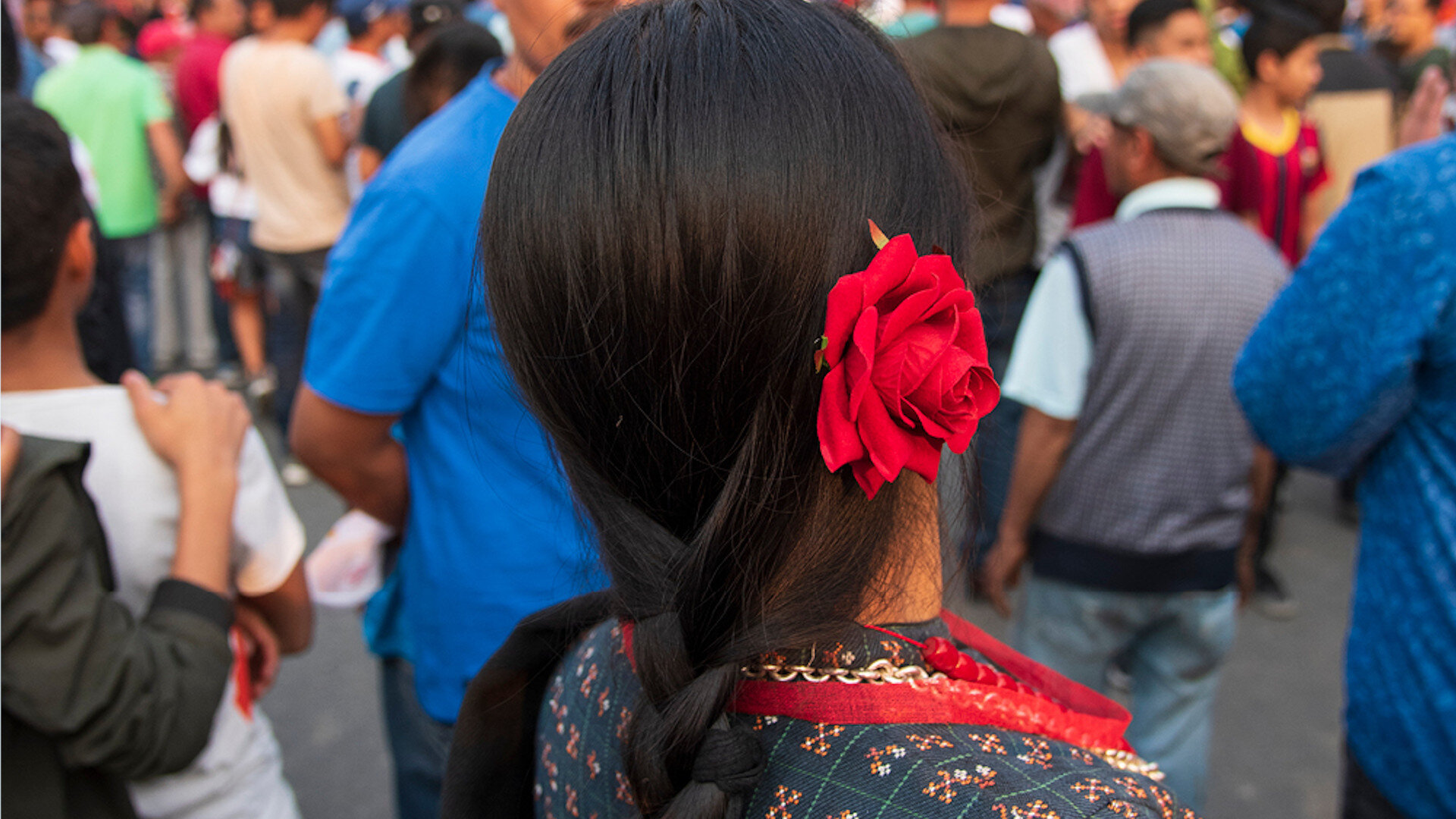
The Beginning of Newar Festivities
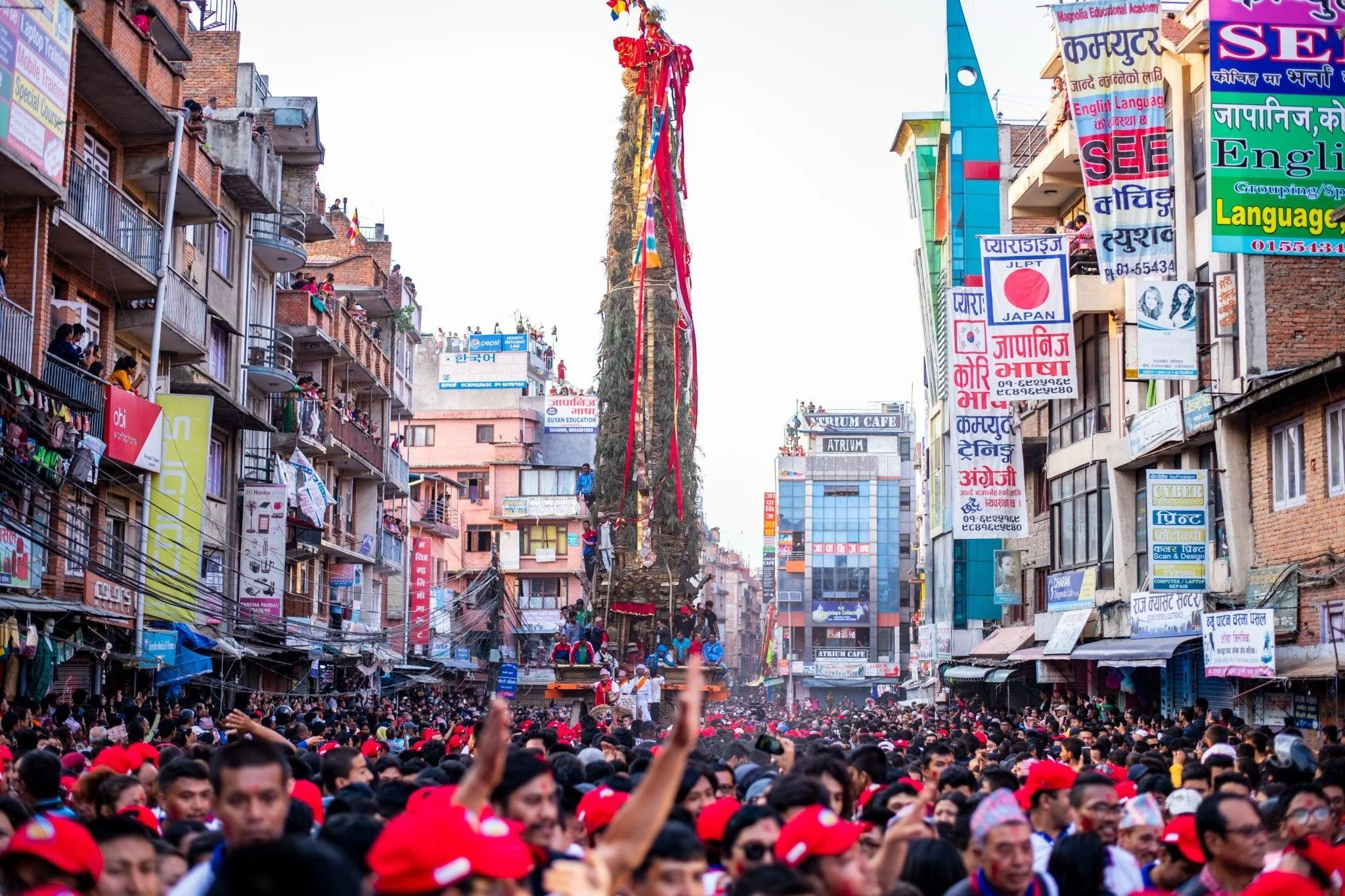
The festive season for the Newar community has arrived. The day of Gathe Mangal is the first of the festive calendar, which shall come to an end before the next plantation season. Newars, native inhabitants of Kathmandu valley, shall rejoice and make merry during this period paying homage to numerous gods and goddesses.
A common question arises from the non-Newar community, why do Newars have so many festivals? We have been presented with this question many times. The answer requires us to indulge the other in numerous tales and stories.
In short, the Newars, native inhabitants of the valley, are a community with diversity. Our culture developed through migration. Our ancestors chose to call this place home, detaching themselves from their place of origin due to numerous factors.
We brought with us our old culture. We continued the traditions in our new home and added to it elements from other cultures. Over time through cross-cultural mingling and communal unity, our new identity was born, Newars.
As we distanced ourselves from the patterns of our old tradition, we could filter it, meaning remove what was unimportant and add new elements to it. It is why some celebrations might seem similar such as Dashain and Tihar. Newars developed their new methodology of celebrating these landmark occasions, which became our tradition and heritage.
Isolation is also a crucial factor. Given the Himalayas are hard to reach due to the harsh topography, our culture was isolated, allowing it to preserve its core. This isolation is also the reason why the Himalayas are Shangri-La. The ancestors of many Newars had fled from their native homeland in a bygone era to escape war and evil. Thus, numerous old traditions such as the Kumari, which were once practised all over Ancient India, survived and prospered.
This diversity within our community, along with stark economic growth, allowed us to spend our time and money lavishly on celebrations. Let us not forget, temples don’t fall out of trees. We built these monumental heritages due to our economic might. Given god is all: the creator, preserver and destroyer, we made sure to please the plentiful gods to ensure our well-being.
We developed various practices to remove evil from our society and ensure social stability. The success of which allowed Newars to reach pinnacles unmatched. The status of Newars today is defined by one phrase, what goes up will eventually come down.
As part of this cultural mechanism developed to create social harmony, Gathe Muga Chare also known as Gathe Mangal is marked as the first day of the festive calendar. This day in brief, features ritualistic processes to remove evil from the society. Evil in the form of plagues, spirits and demons are attached to the scarecrow which was used for the plantation season.
Click Here: To read the tales of Gathe Muga
Post which, numerous festivals keep the social current flowing. The month of Gunla features pilgrimages to fords (holy places near water) and Buddhist heritages. After which is the period of Gunhu Punhi. The inhabitants pay homage to their ancestors and those who recently departed from this mortal world. Amongst the many activities, Saparu, also known as Gai Jatra, is the highlight. It is marked with avid fanfare and is a non-tangible heritage of this valley. In Lalitpur, Mataya, a pilgrimage takes place on the final day. Individuals who recently lost a family member embark on this journey.
Click Here: To read more about Mataya: The Festival of Light
Pancha Daan commences in all three cities: Kathmandu, Patan and Bhaktapur, and its sister principalities (Banepa and Panauti). During this occasion, effigies of Dipankar Buddha, along with other champions of Buddhism, are displayed by Buddhist householders.
In a short few months after Pancha Dan, the festival of Indra commences. Post which, the grand festivities of Monhi and Swanti (Dashain and Tihar) begin.
Click here: To learn more about Newar festivities
In short, these occasions play a role in stabilising society and developing communal harmony. They help renew our faith in the chief deities and allow us to unite.
POPULAR ITINERARIES
SIMILAR POSTS
A Friendly Demon: Mi Pwa Lakhey
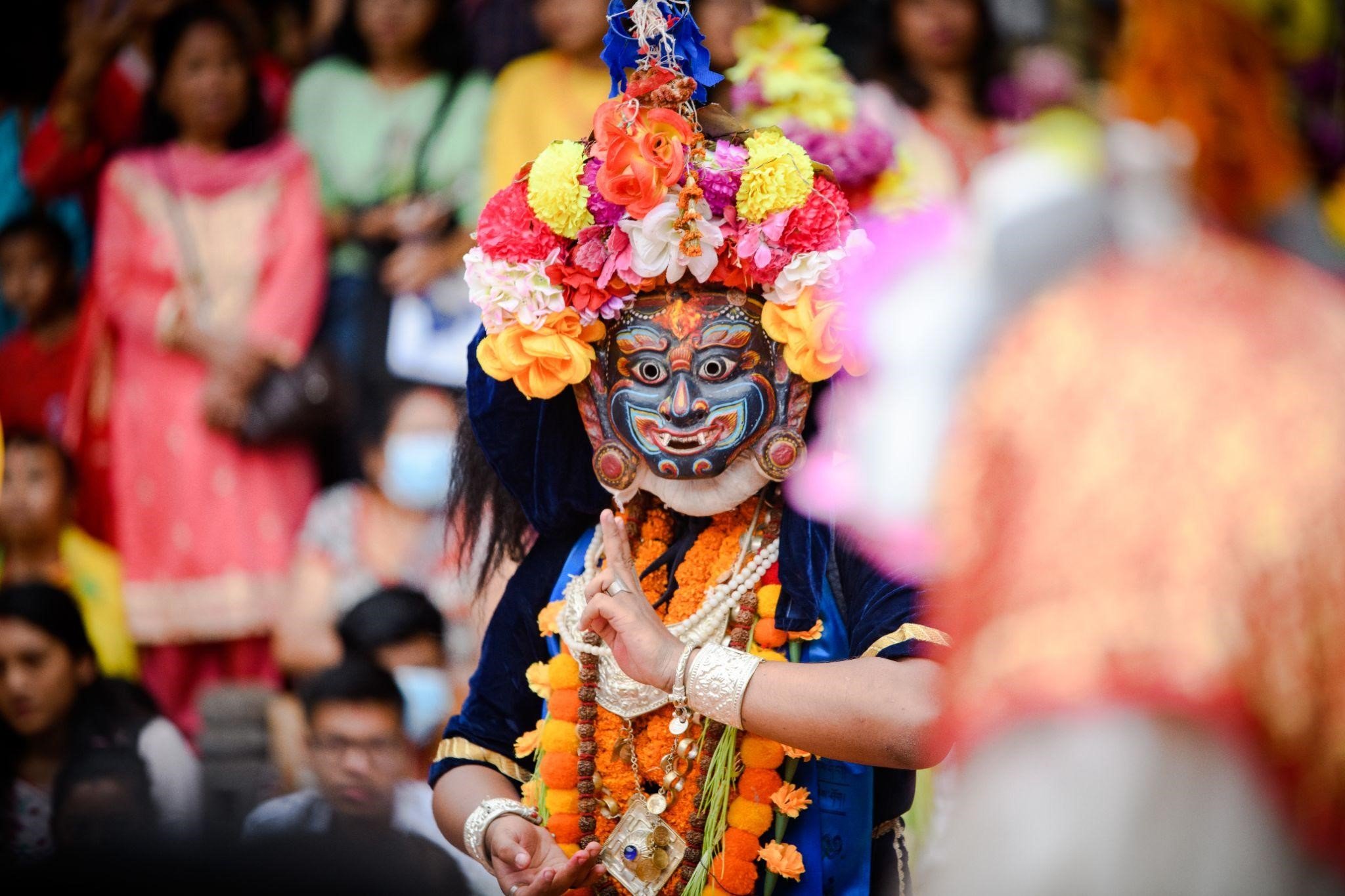
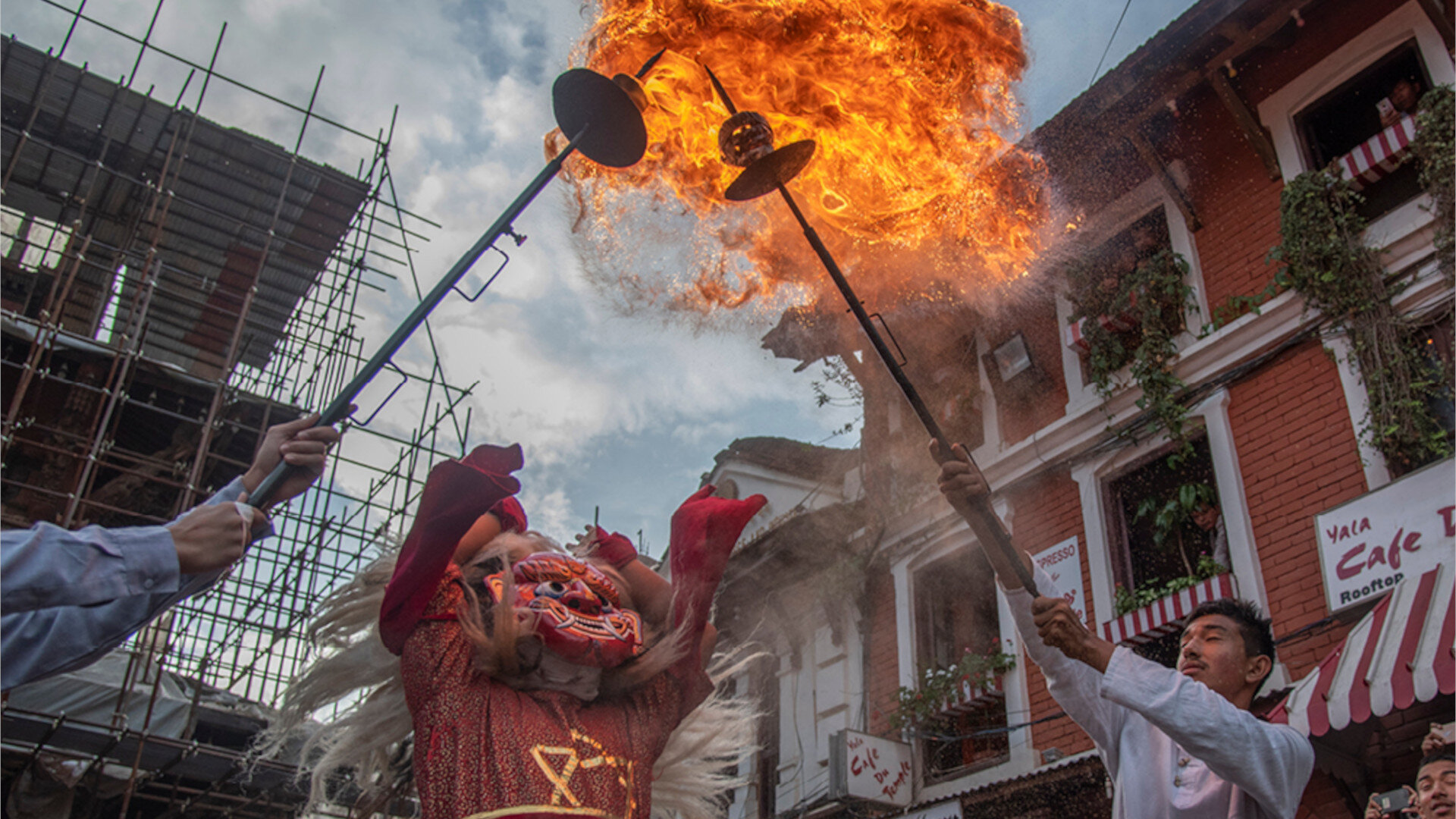
While roaming around Patan Durbar Square, if you stumble upon a creature creating ghastly fireballs, don't be alarmed. He is a friendly Lakhey who the locals call Mi Pwa Lakhey. Mi Pwa in Newari means balls of fire and Lakhey, a helpful demon.
Every year in Patan, post the harvest season, an ensemble performs a unique dance. It features a terrifying face which is locally known as Lakhey. This creature dances to a merry tune played by musicians clad in traditional attire. It roams around the old routes of the city, creating ghastly fireballs, which is a spectacle that sends a bolt down one's spine.
Lakhey's, as per valley lore, are friendly demons who protect the people from evil. Majipa Lakhey and Mi Pwa Lakhey are amongst the most popular in this valley.
You are bound to stumble upon this mystical creature known as Lakhey, especially during the cultural season. It holds an important place in various cultures all over Nepal. This Lakhey, however, is peculiar. Unlike its various renditions, it seems to have this ability to conjure fireballs. He does so in crossroads, cultural centres and open squares.
You might be wondering, why?
The harvest season is a cultural break. The inhabitants are hard at work in their farms to ensure a good harvest. Once the paddy plantation is complete, the tradition of Gathe Mangal is marked. During this day, communities (twah) throw scarecrows at their nearest crossroads. The elders speak of a bygone era when the locals channelled spirits and demons from the dark dimension to aid them during plantation. They allowed the entities to possess them. With their dark strength, they would complete large batches of work in record time. But once they turn demonic, they would require a lot of food as the evil within them would always be hungry.
If unable to control the demon within them, they would go rampant pillaging.
Thus, during Gathe Mangal, the evil is removed from the body and trapped into the scarecrow. Once the transfer is complete, the individual wears a ring made of iron so that the evil may not enter their body again. The scarecrow is then dragged to the river bank and then burnt. This process releases them back to the dark dimension.
But, not all transfers are successful. Some spirits and demons either escape the scarecrow or cleverly leave the human body before the transfer. They linger in the town, causing trouble when the opportunity arrives.
Our Lakhey comes to the rescue.
The music attracts the evil entities, and its fireball destroys them. The Lakhey conducts this feat numerous times and for multiple days to cleanse the township.
This tradition once had disappeared from Patan. But what is good will always return.
This particular Lakhey dance features two main characters; the Mi Pwa Lakhey and an annoyer. Dressed in green, carrying broken branches in both hands, it does what it does best, annoy the Lakhey. A chase ensues, the annoyer runs desperately. The local kids also partake in teasing the Lakhey. They also run as fast as possible.
This game of cat and mouse livens up the atmosphere.
A team of local volunteers assists the Lakhey. Two individuals hold flaming torches, which the Lakhey utilises to create the fiery spectacle. Musicians clad in traditional attire follow the Lakhey providing a merry tune of encouragement.
This event falls during the week of Gathe Mangal. Before the team begins its route, they perform a special ritual in the cortex of Nriteshwor, the god of dance and drama. The performance comes to an end in Mangal Bazar of Patan Durbar Square.
POPULAR ITINERARIES
SIMILAR POSTS
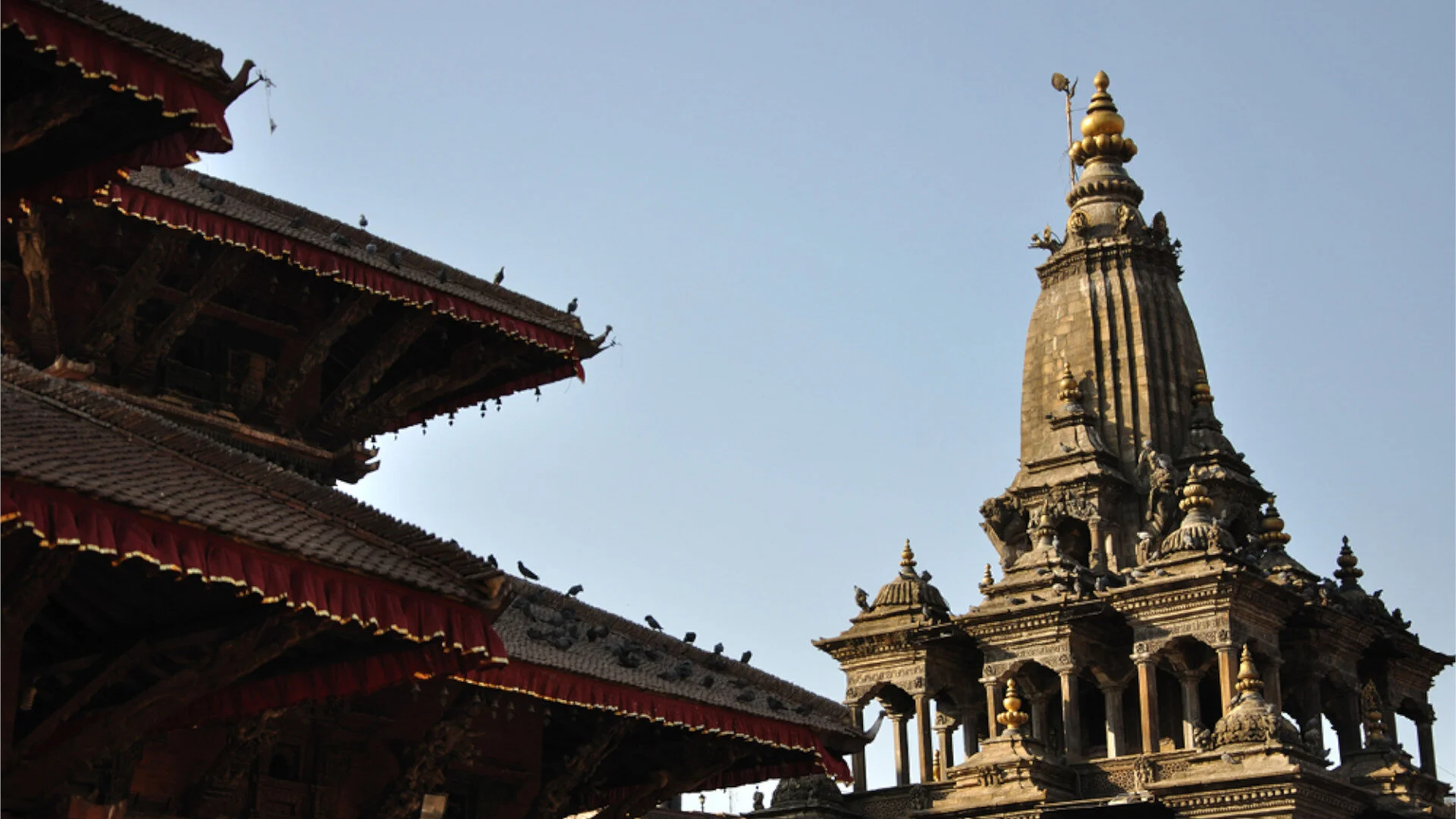
Patan at a Glance
The word Patan means a beautiful city. It is a synonym used to describe the city of Lalitpur, the oldest town in Kathmandu valley. Within the boundaries of present-day Lalitpur, protected by a diamond mandala, lies the historic Patan. An area which at times feels as if it stood still while the world around it transformed.
The Kathmandu valley has three principal cities: Lalitpur, Kathmandu and Bhaktapur. The founding stones of these territorial divisions can be dated several hundred years before the Lichhavi era. The first settlement created in this valley is Manjupatana, a beautiful town founded by Boddhisatva Manjushri. Historical evidence presents it stretched from Svayambu till Guheswori.
Various other ancient townships such as Bishalnagara, Deopatana, Matilinagrama, Irshyarajya, Yapagramadranga, Dipavati, Bhatgaeon existed but assimilated into the present-day large cities.
The area in focus, Patan, was a title used for an ancient settlement. It laid within a diamond mandala. Its four points are ancient earthen mounds known as Thur. Today they are called:
A. Ibah stupa (North)
B. Lagankhel stupa (South)
C. Imadol stupa (East)
D. Pulchowk stupa (West)
Historians and archaeologists have not been able to accurately date these structures but believe they are from 2-3 BC. They pre-date the Lichhavi period of Nepal.
As per another local legend, the city was called Lalitpatana, a beautiful city created by architect Lalita. Locals believe that the name got shortened to Patan.
Why was this town so beautiful?
Having been founded on the principles of Buddhism, this town featured an ample amount of monasteries. Each locality (twah) had its watershed (pond), well and water spout. The widest street stretched from the entry points of the city (four stupas) and all other roads connected to this main street. A sizeable number of rest houses (pati, falcha) lined the streets. Housing was uniform featuring the same architectural style.
The countryside was khel (pasture) and cremation sites. Areas further away were farmlands and forests.
Materials utilised were clay, red brick, terracotta and wood. Decorative elements included carved wooden doors, windows and items; painting, wall art, metal gilding, statues and monuments.
The towns centre is the ever-glorious Patan Durbar Square. This beautiful palace cortex was home to both Lichhavi and Malla kings.
Today the square is equal to an open-air museum. It holds monuments, temples and structures of a bygone era. What makes this centre unique is the concept of heritage for all. People are allowed to bask and mingle in the temple premises. Plentiful shops and eateries cater to guests all over the world.
Due to the cultural significance of the area, UNESCO included it in its World Heritage list. Apart from the tangible heritage, Patan is home to numerous intangible ones. The most important of which is the ever-present harmony between Hinduism and Buddhism. Inhabitants of this area identify themselves as Hindu-Buddhists. It is a rare scene in today’s world. Numerous scholars have praised the tolerance, acceptance and religious harmony of this city.
The largest festival is of Rato Matsyendranath, also known as Karunamaya. Historians date the inception of this chariot festival to 5 AD.
A five-storey chariot housing the idol of Karunamaya is pulled by devotees and revellers through a designated route.
Patan is also the home of the master architect Arniko. He is a national hero due to his contribution to expanding the art of this valley. In the 13th century, he led the first batch of eighty artists to Tibet under the request of Phags-Pa, the state preceptor of Kublai Khan. Due to his ingenuity, skill and courage, he gained an audience with the emperor. He was impressed by Arniko’s persona, honesty and creative genius.
He commissioned Arniko to built a large monument. Today, it is known as the White Dagoda in Beijing. This masterpiece for centuries has stood as an emblem of perpetual peace and friendship between Nepal and China. He also founded a school of Nepali art where he taught countless enthusiasts the techniques of Nepali fine art.
POPULAR ITINERARIES
SIMILAR POSTS
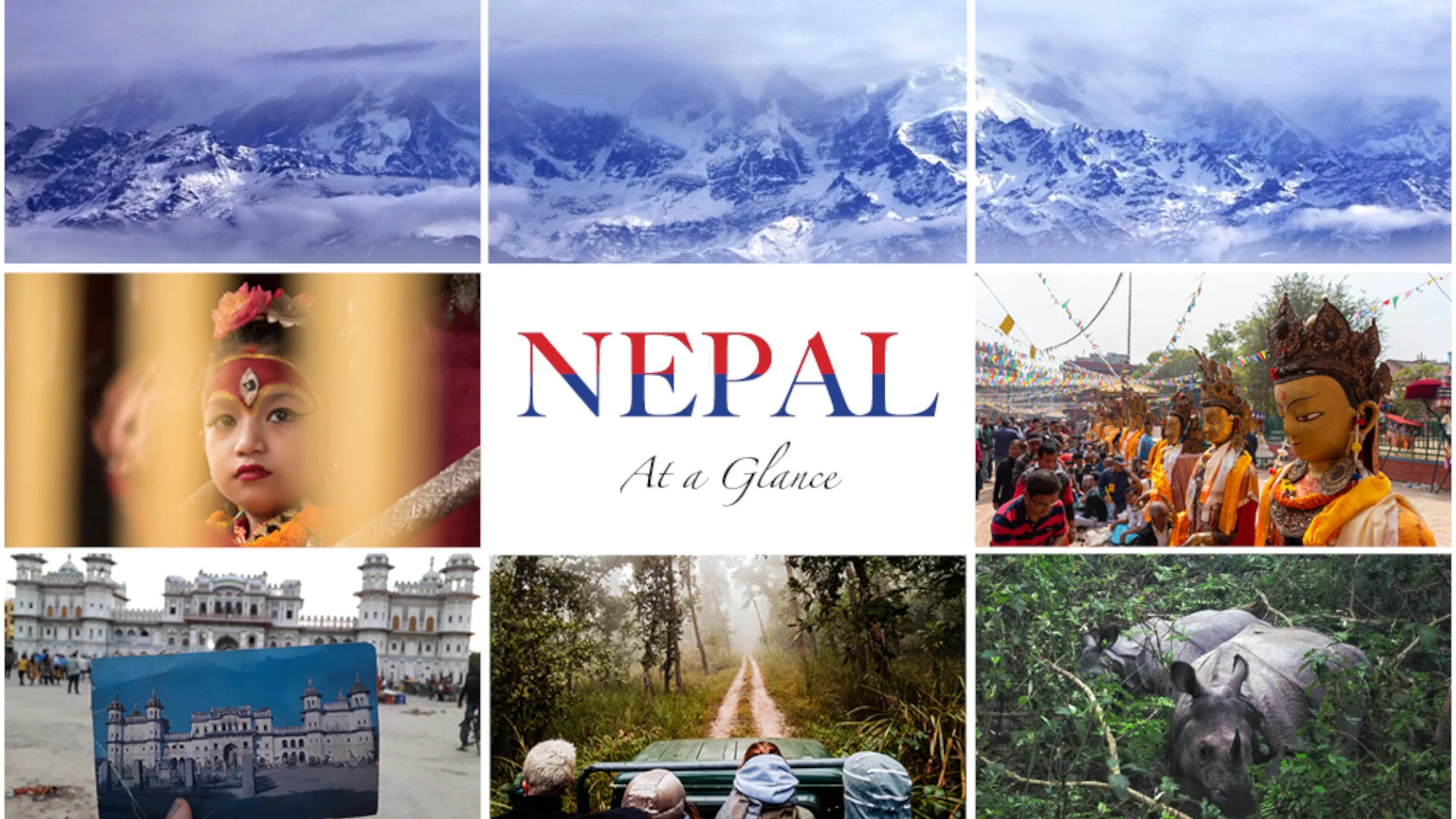
Nepal at a Glance
A fruitful adventure isn’t just booking a flight and experiencing a generic itinerary. A skilled traveller absorbs the destination by conducting his/her homework. This allows them to gain an edge, which makes the visit even more fruitful. This article is a compilation of quick facts and helpful tips for your visit to Nepal.
Nepal, at a glance, is beautiful. Small, quaint, yet surprisingly large for a traveller to unearth, its trove of knowledge and serenity shall take one a lifetime to experience.
The thrill of an adventure is always the unknown. But it's good to gather some quick facts and tips about your destination. It shall allow you to truly absorb it, connect with the people better and add value to your trip.
HERE ARE SOME QUICK FACTS AND HELPFUL TIPS
Area: 147,516 km2
Estimated Population: 28 Million (Estimated)
Ethnicities: 103+
Dialects: 93 + spoken languages
National Language: Nepali
Nepali phrases to charm:
Namaste!
Ma (your home country) bata ayeko ( I came from _____ )
Sanchai Hunu Huncha? (Are you well?)
Ramro Cha (It is beautiful)
Dhanyabad (Thank you)
Best time to travel: Specific regions of Nepal can be travelled through out the year while others are best in spring and autumn.
Climatic Zones
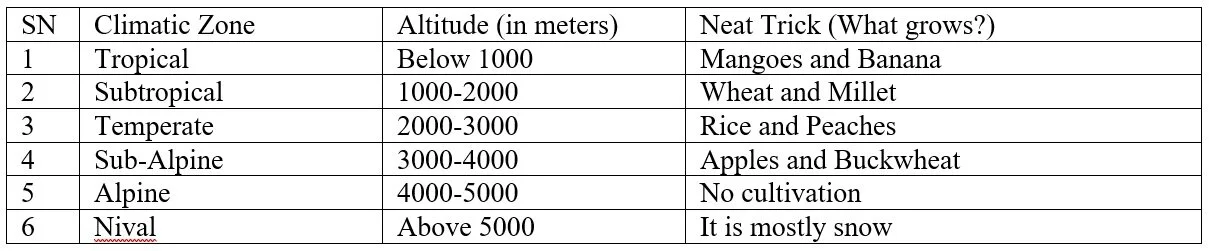
Special Climatic Zone: Transhimalayan (Land that falls in the rainshow of high ranges)
The treks that fall in this region are called Transhimalayan trails. Some of these trails can even be traversed during the monsoon season due to low precipitation in the area. However, other parts of Nepal experience rainfall.
Seasons:
As per rainfall:
1.Wet Season (June to September)
2.Dry Season (October to June)
Specific to Nepal:
1.Spring (Mid-March to Mid-May)
2.Summer (Mid-May to Mid-July)
3.Monsoon (Mid-July to Mid September)
4.Autumn (Mid-September to Mid- November)
5.Pre-winter (Mid-November to Mid-January)
6.Winter (Mid-January to Mid-March)
Attractions:
Major Trekking Areas
1. Annapurna Conservation Area
a) Annapurna Round
c) Lower and Upper Mustang Trek
d) Manang Region
e) Lamjung Region
f) Ghandruk Region
2. Rolwaling Valley
3. Everest Region
4. Kanchanjunga Region
6. Manaslu Region
7. Dolpa Region
Major Festivals
1. Dashain
2. Tihar
3. Indra Jatra
4. Rato Matsyendranath Chariot Festival
5. Seto Matsyendranath Chariot Festival
6. Biska Jatra
7. Losar
8. Chhat
9. Janai Purnima
10. Holi
11. Buddha Jayanti
12. Mataya
Major Lakes of Nepal
1. Gosaikunda
2. Rara
4. Tilicho
5. Phewa
UNESCO World Heritage Sites
Museums in Kathmandu
1. National Museum: Located in Chauni, Kathmandu
2. Patan Museum: Located in Mangal Bazar, Lalitpur
3. Hanuman Dhoka Museum: Located in Basantapur Durbar Square
4. Bhaktapur Museum: Located in Bhaktapur Durbar Square
5. Narayanhiti Palace Museum: Located in Durbar Marg, Kathmandu
6. Jyapu (Farmer Community) Museum: Located in Chyasal, Lalitpur
Reliable Cellular Providers: NTC, Ncell
In case of emergency:
1144: Tourist Police Hotline Number (They also have a mobile application, Tourist Police Nepal)
100: Local Police
101: Fire
102: Ambulance Service
103: Traffic Control
197: Telephone Inquiry
Also,
Have the number of your embassy on speed dial
What to wear:
Light clothes from April to September
Warm clothes from November to March
Certified specialized clothes while travelling to the Himalayan region
What to carry:
A raincoat, poncho or umbrella from March to July
Windcheater from September to March
Map of the visiting or trekking region
What to avoid:
Street hawkers, local stores, and street food
Be careful about:
Public transportation, pesky tourist guides, shady trekking agencies, shopping online, being extra-overcharged!
Do not forget to:
Have fun!
Best souvenirs from Nepal:
Good times and great memories!
POPULAR ITINERARIES
SIMILAR POSTS
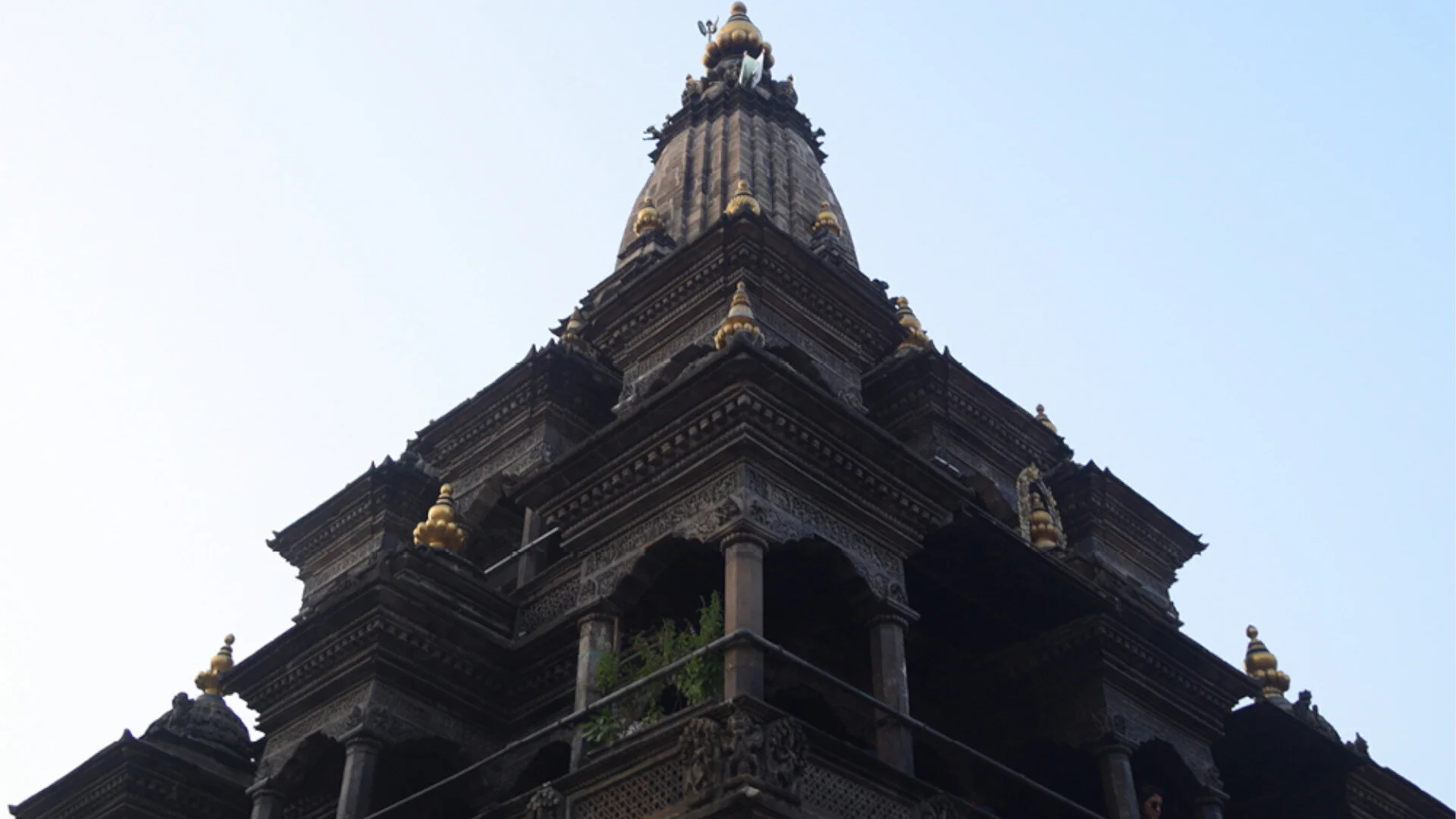
Architectural Marvel: Shikharas
Shikhara is a Sanskrit word that means mountain or peak. This architectural style is one of many found in the Indian sub-continent, used to create an altar for gods. An accurate timeline of its introduction to Nepal is unavailable. But, it's evident how we preserved the old and added to it elements from our knowledge and skills. Today, these legendary temples stand in beautiful squares, monasteries and religious sites: amplifying the atmosphere.
Growing up in Patan, the unique temple of Krishna at Patan Durbar Square always marvelled me. As per locals, particularly elders busy discussing politics and indulging children in folk tales, masons carved it from one stone. I was pleasantly surprised! One single stone? To which they added, brought from Kailash, home of Lord Shiva. I was flabbergasted!
Later on, I learned how the story was completely false.
The emergence of this technique is in present-day India. One should not mistake it for Vimana style, which looks similar but is steps to create a pinnacle than a curve. In present-day Nepal, only the Shikhara format in Nagara style exist. This style of Shikhara is North Indian. It has various cousins such as Dravida, Vesara amongst the notables.
Newars took elements from their skills building stupa and pagoda and introduced them to Shikharas. They also began creating variations. They maintained the tradition and also amplified it. A great example of this is the Krishna temple..
Amongst various temples of this kind, the oldest in Kathmandu valley lay ruined in the Pasupati heritage region. The Durbar Squares of Kathmandu, Lalitpur, Bhaktapur and their neighbouring areas feature plenty of temples in this format. Western Nepal also features a few temples in this style erected by Malla rulers.
As per local chronicles and beliefs, apart from the Shikhara's present in Pasupati, the oldest of this style is Matsyendra temple (Karunamaya) in Bungamati. The tale of his arrival into the valley is around the mid- Lichhavi era. This temple collapsed during the earthquake of 2015: reconstruction efforts are underway. The most popular are the Mahaboudha and Krishna temple.
They are called either Degah or Lhwaega. Lhwaega is a term used to acknowledge temples built of stone. Lhwa means stone in Newari. Degah, meaning home of god/ gods, is a general term.
Alike me, countless fall victim to either elders or pesky tourist guides about the material and make of these temples. Materials for their construction include special bricks, red brick, natural or dressed stone and terracotta. Polished bricks used for the facades are known as chika awpa. Chika means oil in Newari, whereas awpa means bricks. Unpolished big bricks are known as maha awpa. The Krishna temple of Patan features stone dressed and jointed tight. Whereas, Mahaboudha is a stunning hallmark of Newari terracotta masonry.
Mahadeva temple and Vatsala Durga temple of Bhaktapur are amongst the finest Newar masonry done in terracotta and natural stone.
A shikhara temple which was the crown jewel of Kantipur (former name of Kathmandu), was restored in full recently. It was the home of Khasarrpa Lokeshwara, established by Lichhavi king Gundakama-deva, the founder of Kantipur.
The temple was ransacked by soldiers from Western Nepal, according to historical sources. The protective deity of the temple, Bhairab, was stolen and established in their city. They also attempted to steal the chef idol, but due to some reason, they threw it at a river junction. During the rule of Yaksha Malla, the statue of Khasarrpa Lokeshwara was rediscovered but housed in another area. The temples original glory was restored by Pratapa Malla. He also dug a pond around it. During the earthquake of 1934 AD, the temple collapsed. The Rana rulers of Nepal built a Mugal dome as a keepsake.
Click Here: To read more on this temple and its deity.
Today, Rani Pokhari isn't just a pond but also a reminder of how things once lost can be revived. Numerous temples in Shikhara format used to exist before 1934 AD. Some are oblivious, while others lay in ruin. These temples should be celebrated by the world, not just as a house of god but as a marvel of architecture.
POPULAR ITINERARIES
SIMILAR POSTS
Architectural Marvel: Stupa
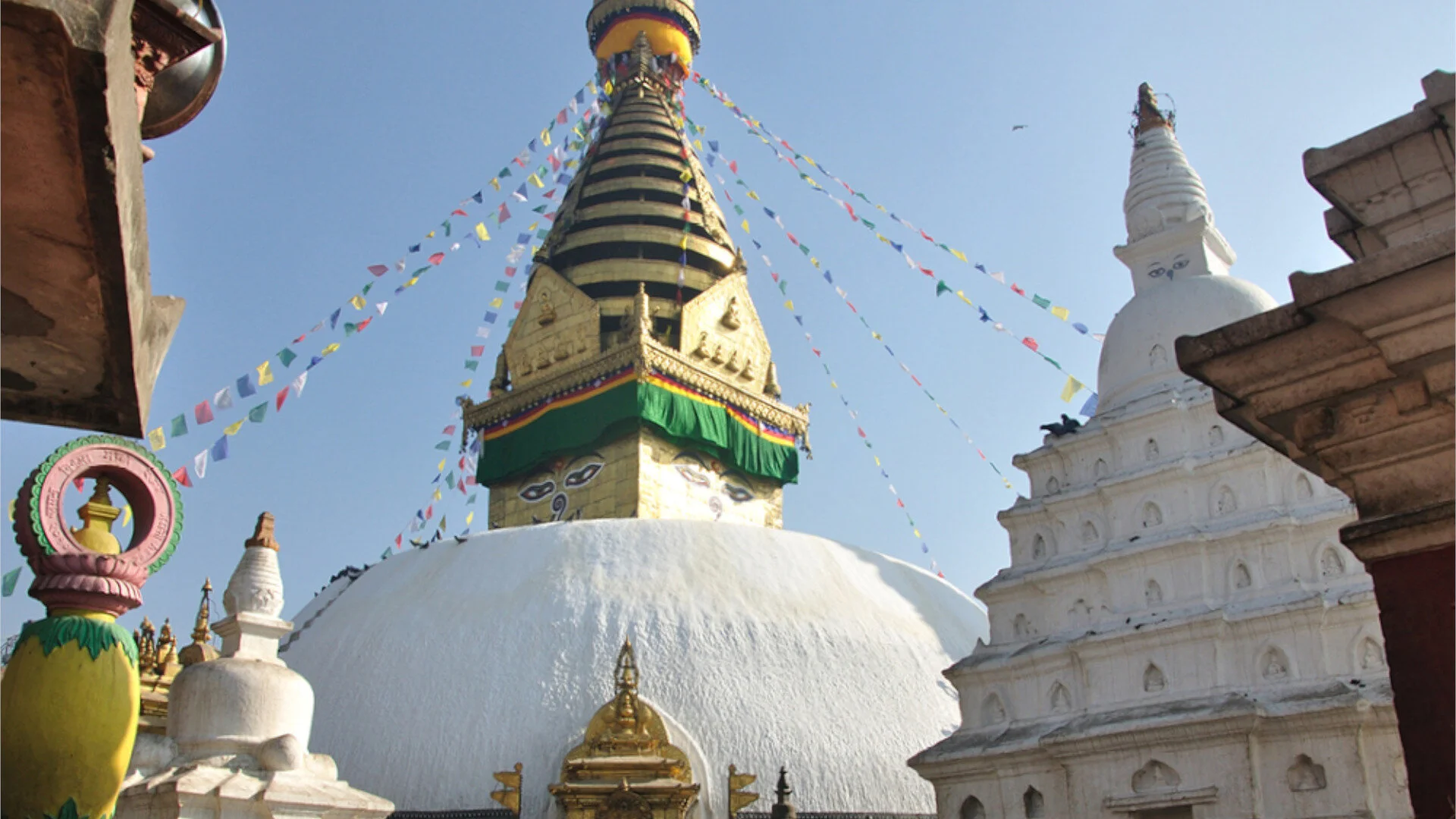
Amongst the various marvels found in Nepal, stupas are the most marvelous. Envisioned in the Indian sub-continent, they found sanctuary in the valley of Kathmandu. The Newars, native inhabitants of this valley, welcomed this symbol with open arms and took it to new heights. Even the origin of this valley features the foundation of a world-famous stupa, Swayambhu.
The Kathmandu Valley is home to numerous arcane wonders. Amongst them are a series of beautiful monuments and temples created incomparably.
Newar architecture embraced styles such as stupa and shikhara. These have been symbols of religious devotion in the Indian sub-continent for ages.
The native inhabitants took the style further and added their ingenuity. This amalgam gave birth to a unique architectural style known as Newar architecture. Today, the valley and various other regions where Newars settled during their trade endeavours feature beautiful symbols created with these cues.
The style in focus is stupa, a dome/mound structure topped with a finial. The exact origins of this style are unknown, but archaeologists discovered remains of similar structures in present-day India dating back to the pre-Buddhist period. Records also speak of the remains of Lord Buddha (Shakyamuni as per Newar vernacular) were buried by the recipients (seven noble families and the Brahmin) in earthen mounds.
For a layman, these stupa's are nothing more than symbols of a culture. But in reality, they are dome's protecting the remains of an individual or great power. The stupa of Svayambhu, according to various chronicles, is covering the light of Buddha. Boddhisatva Manjushri saw Buddha in his purest form, 'light' emanating from a lotus. Sage Santikar covered the 'light' with a stone and built a dome over it after he foresaw how people would misuse it in the Kali Yuga. Later in the 15th century, the stupa began getting referred to as Adibuddha (the most senior Buddha).
The stupa of Boudha protects the remains of Anshuvarma, according to local legends. He was a king of the Lichhavi era of Nepal. As per Tibetian belief, the stupa holds the remains of Kasyapa Buddha, the predecessor of Lord Buddha (Shakyamuni). The stupa was founded in the 5th century by King Manadeva. It was named Khasa Chaitya as it fell adjacent to the historic trade route to Khasa, Tibet.In Newari, it is called Khasti Mahachaitya, Khasti meaning dewdrop. Locals speak of how the builders faced a water crisis while making the bricks. Thus they spread lines of cloth and left them overnight. They then squeezed the dew in the morning.
If you're curious why I am not adding 'nath' to their names, it's because it was only in the late 1900s that this trend began. It is credited to the influence of Hinduism and generally called Hinduisation, a process of converting non-Hindu elements into Hindu.
The four Asokan stupa's of Patan hold great architectural and historical importance. But nowadays, they are only viewed as landmarks. The only available data on these monuments are through research of Western enthusiasts. Locals believe the Mauryan emperor Asoka built them. Others state it was not him but his daughter Charumati who commissioned them in honour of her father after his death. In general, they are old. Older than Boudha, not older than Svayambhu.
Pioneers such as Arniko, the great architect, developed the unique style of Swetchaitya (White Dagoba). He took with him at the tender age of 16 the glory of Nepalese art to Tibet and further to the court of Kublai Khan.
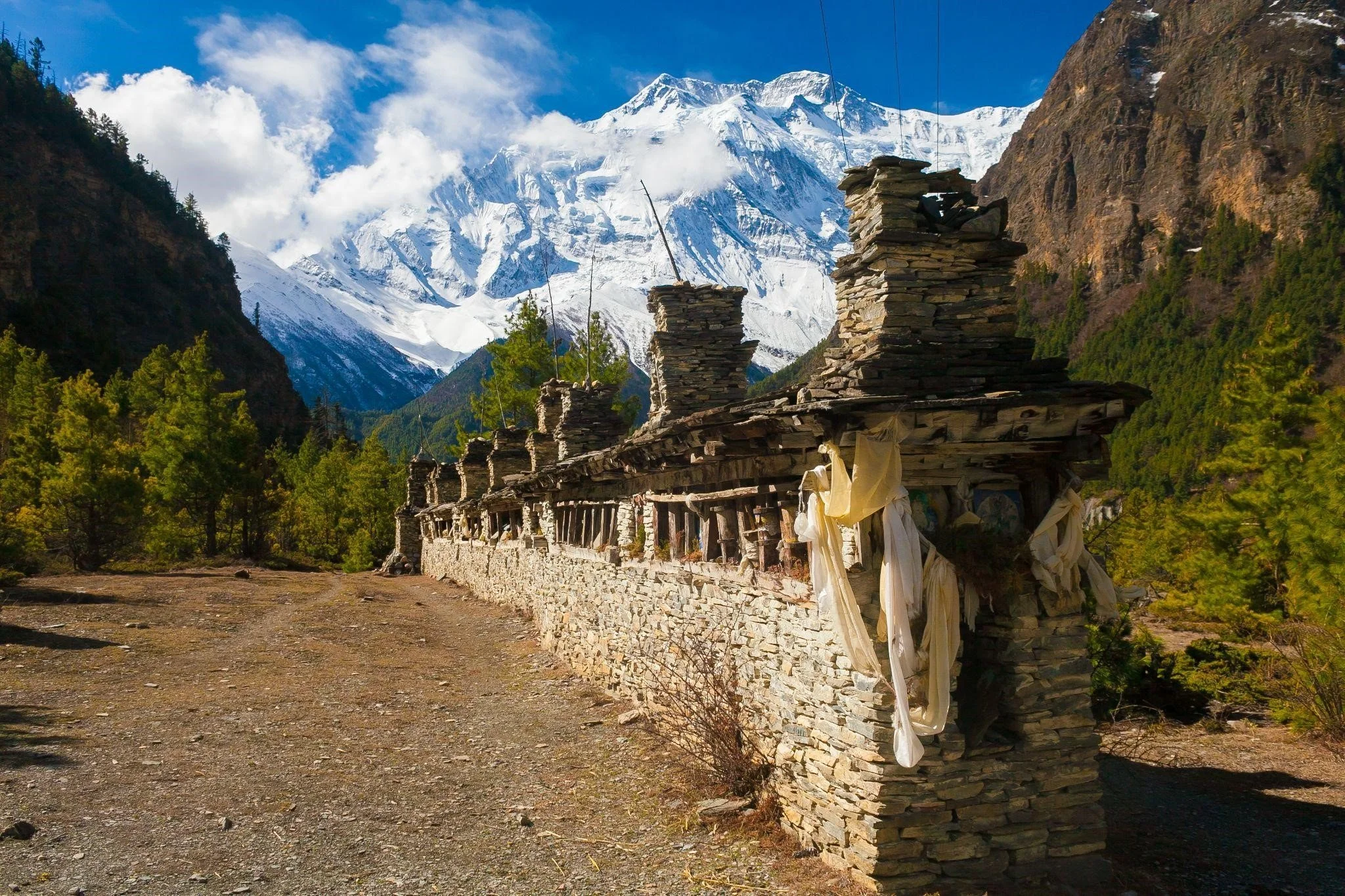
While trekking Nepal, a traveller might notice stupa's alongside the trail, especially in the upper hilly and Himalayan region. These fall in the category of Tibetan stupas. They might look similar but are not the same. Some hold remains of an individual, whereas others hold belongings, texts, jewels and spells. The family members commission them to assist the ascent of the departed. Today, they help guide the way and protect travellers on their adventure in the Himalayas. Locals encourage a trekker to built a stone stupa for themselves from flat stones near rivers. The belief is, they (stupas) shall be your home in heaven.
POPULAR ITINERARIES
SIMILAR POSTS
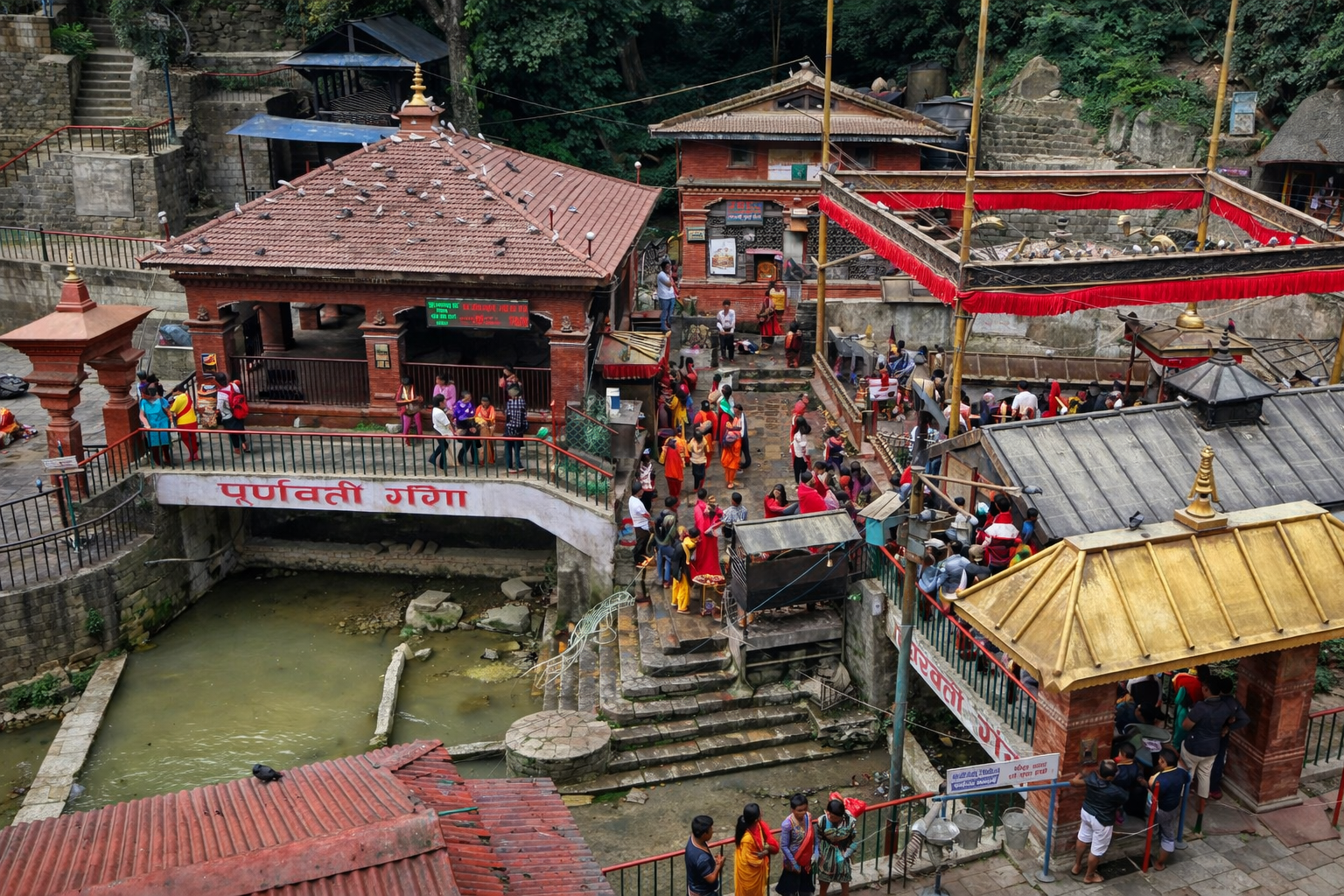
Lakes of Nepal - Part III
An evening at the shores of water with a cup of coffee is bliss unmatched. The flow of water takes with it the vast ocean of thoughts, worries and pain. Time flies, heart sighs, and mind lightens with every drift of the heavenly waters. In the final edition of Lakes of Nepal, we dive into Phewa and its sister Begnas along with the holy Gosaikunda and unearth Dumba, the hidden gem of Mustang.
An evening at the shores of water with a cup of coffee is bliss unmatched. The flow of water takes with it the vast ocean of thoughts, worries and pain. Time flies, heart sighs, and mind lightens with every drift of the heavenly waters. In the final edition of Lakes of Nepal, we dive into Phewa and its sister Begnas along with the holy Gosaikunda and unearth Dumba, the hidden gem of Mustang.
Phewa and Begnas
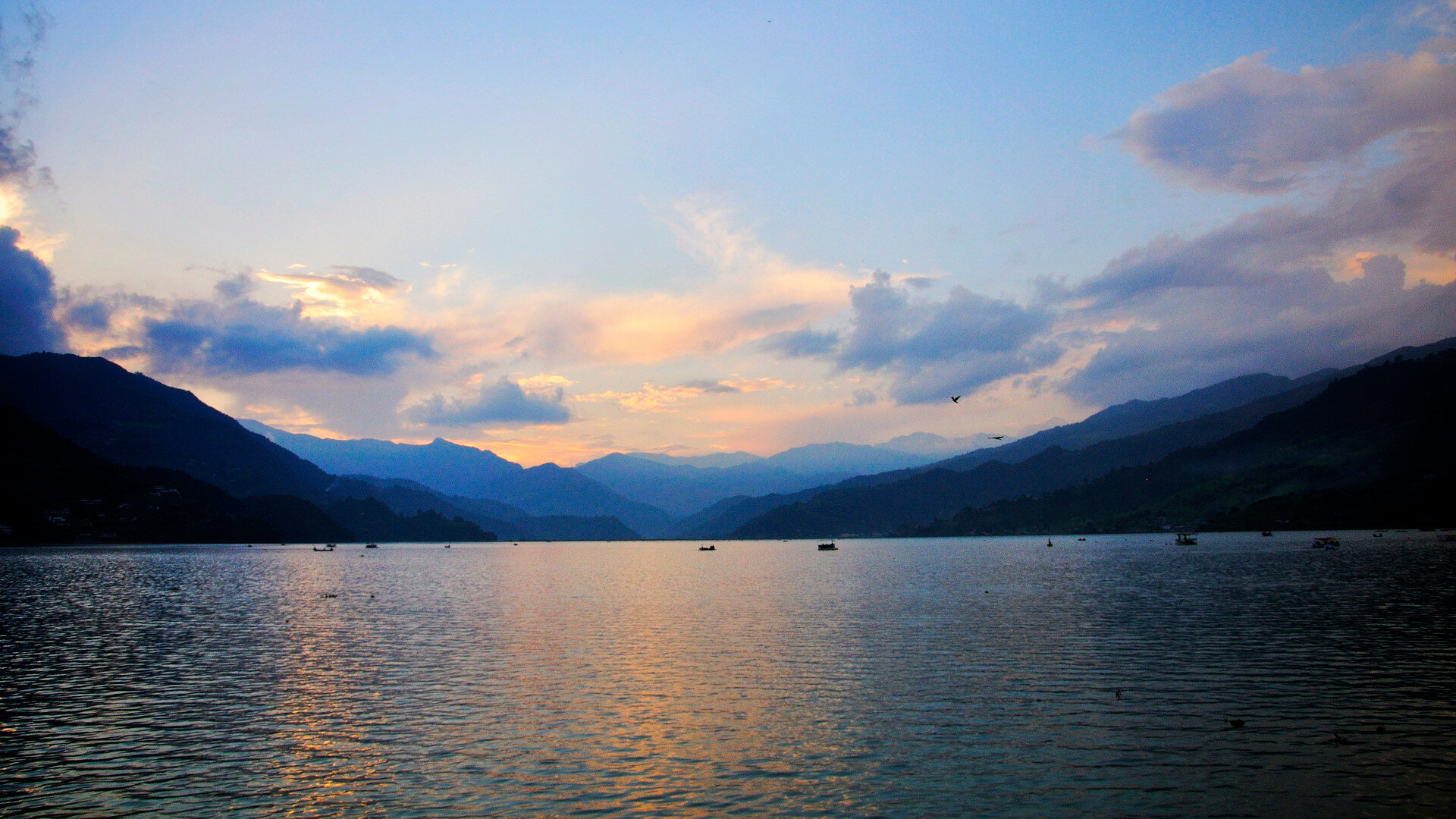
The valley of Pokhara holds many natural wonders; amongst them are the lakes of Phewa and Begnas. These two, along with Rupa, are the most popular among its eight sisters. Each lake has developed as a major tourist attraction with Phewa is commonly known as Lakeside. Numerous hotels, restaurants, cafes and bars cater to the large influx of tourists who visit Pokhara independently or as part of their trekking itinerary.
The lake's water also used for generating electricity. Commercial fishing in this region utilises cages. Tal Barahi temple, located in the centre of the lake, is an important religious site.
Begnas, on the other hand, is a popular destination for retreats. It has numerous resorts which cater ample facilities to visitors. The lake water irrigates nearby cultivable land. The range of Annapurna and Manaslu are visible from the lake. Whereas from Phewa mountain peaks of Annapurna along with Dhaulagiri range and Macchapuchhre are visible. Their reflections mirror on the surface of the lake.
Gosaikunda
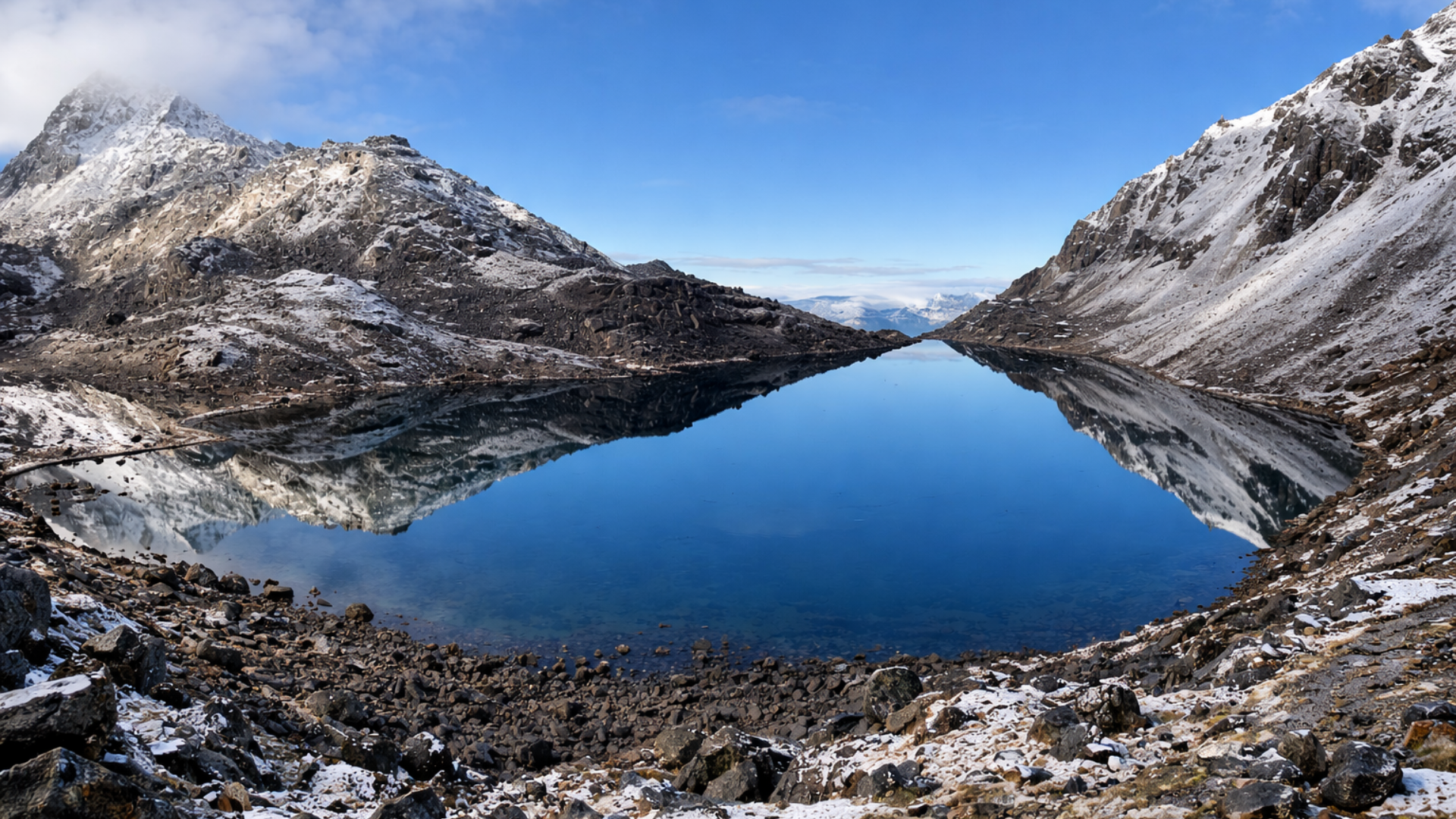
This lake lies at an altitude of 4380 meters above sea level in the district of Rasuwa. It is one of the holiest lakes of Nepal. Pilgrims visit this lake during the auspicious occasion of Janai Purnima (Full moon).
The itinerary can feature one of two distinct routes, Dhunche-Helambu and Langtang Valley. The most popular path to date is the route via the Langtang valley. A trekker doesn't just get to favour the eye candy that is Gosaikunda but also indulges in the Himalayas during the trek. In recent years, the route via Helambu is also gaining popularity with sound investment in tourism and hospitality infrastructure.
Did you know? In the city of Lalitpur lies a pond that people believe is fed by the waters of Gosaikunda. As per local legends, a duck owned by a local farmer fell into the pond and disappeared. During the month of Bhadra, the locals honour a recently departed family member via a pilgrimage to Gosaikunda. As he had recently lost someone, he embarked on this journey. Surprisingly, when he was about to dip in the lake, he saw a duck in the shoreline. Upon inspection, it was his duck, which had mysteriously disappeared.
From this moment on, individuals visit this pond during Janai Purnima. Especially those who cannot make a pilgrimage to Gosaikunda.
Dhumba
Dhumba, commonly referred to as a hidden lake, is a gem of Mustang. It lies at an altitude of 2760m, and sandstone cliffs surround it. The famous peak of Nilgiri is visible to its south and Putang mountain from the north.
from Jomsom or a longer itinerary that features Tikhedunga, Ghorepani, Tatopani, Ghasa, Marpha, Kagbeni and Muktinath. The first begins at Jomsom. A bus ride from Kathmandu- Pokhara- Jomsom averages 15 hours, whereas a flight from Kathmandu-Pokhara is 25 minutes and Pokhara- Jomsom, 20 minutes. The second requires a drive to Nayapul, which is 1 hour away from the city of Pokhara.
This journey doesn't just include a chance to bask in the oasis that is Dhumba but also explore the Annapurna region. A short hike from Ghorepani to Poon Hill offers a 360-degree panoramic view of the Himalayas. Mountain ranges of Annapurna, Dhaulagiri, and others in the faint glimmer of sunrise are a sight to behold. The Gurung villages along the trail look picturesque, with the Himalayas as a backdrop. Crossing into the region of Mustang is a journey back in time. The outback seems never-ending, and the stone masonry of Tibetan villages in awe.
POPULAR ITINERARIES
SIMILAR POSTS
Siti Nakha: A day with deeper meaning
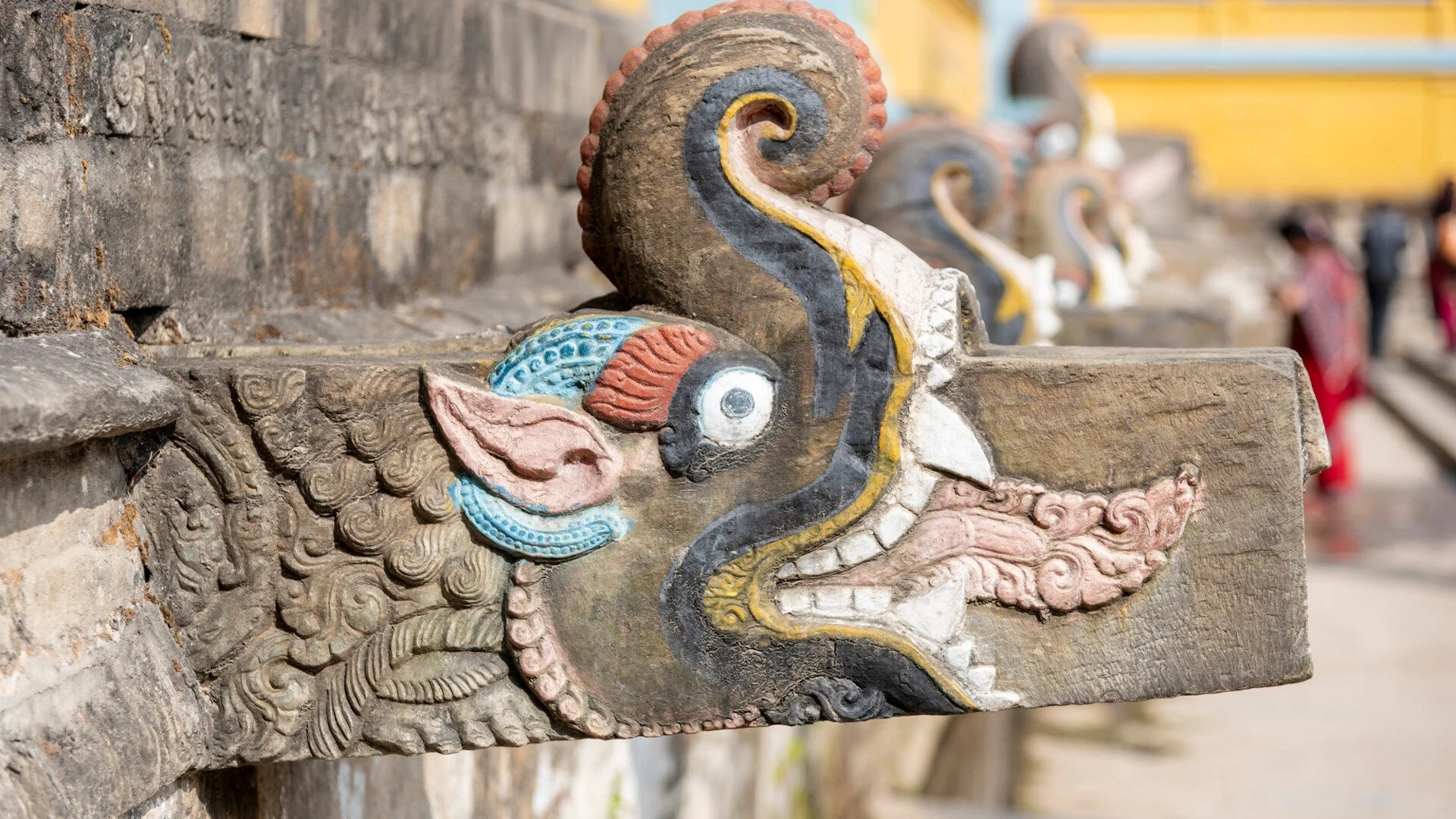
Siti Nakha is a special day in the Newar community dedicated to cleaning water sources. From spouts to taps, wells to ponds, the people band together to ensure its cleanliness. If not done right, great evil spawns from these depths, which decimates the entire city.
The Kathmandu Valley is the home of the Newars, an indigenous group that has reached pinnacles in all genres of society. Archaeological finds from as early as the 6th century present a highly developed community.
One of the most striking elements of the Newars is the sizable amount of cultural rituals and traditions. These festivals, customs and events aren’t just celebrations. They hold various meanings: symbolic and literal.
The day in focus, Siti Nakha is a similar event that holds a deep and dark meaning. Historians have not been able to pin when this tradition began, but it has relations with the urbanisation of this valley. Historical materials are scarce due to the practice of surface archaeology.
If you’ve been around the present-day central areas of the three cities, you’ll notice something peculiar. None of them has a dedicated natural water source. They are almost 4-6 km away from the dwelling. Thus, citizens rely on groundwater.
The secondary is through spouts. These feature an intricate system of ‘Raj Kulo’ ( royal water channel system).
The monarch’s primarily Lichhavi kings, also devised an intricate watershed system. These are for emergency or to maintain stock of the vital resource. It is the prime reason why Newar cities feature ample amounts of man-made ponds. Each community has its pond, spout and wells.
Now, why is this important?
Siti Nakha is marked right before the prime plantation season, which is during peak summer and beginning of monsoon. This time of year equals waterborne illnesses and pests if the spout, shed or source are contaminated. Stagnant pools are a haven for mosquitoes; they always make things worse.
Crowding in urban areas, improper waste management system, open defecation and unsanitary habits gave birth to gruesome epidemics. Elders still speak of these hellish days when life hung on the balance. The state and community devised Siti Nakha to mitigate the nightmare. It falls on the sixth day of the bright fortnight of Jestha (Siti Sasthi). The day begins with the worship of Lord Kumar/ Kartikeya, the eldest son of Lord Shiva and Parvati. A mandap (mandala) of Lord Kumar is drawn at the Pikhalakhu (a place outside the house) by the elder.
While the male members make ready cleaning supplies, women mince lentils soaked overnight. They are then pan-fried. This delicacy is known as Wo, pan-fried lentil patties. It is served as an accoutrement during a bhwe (Newar full plate) or consumed as a snack. Individuals then embark to their closest water area and work full-swing to ensure its fit. Depending upon the community, lunch for this day is Chatamari, rice flour crepes. It is either served with sides or topped with delicious toppings such as eggs, diced vegetables or minced meat. Modern renditions include toppings such as sauce, cheese and aged meat. Chatamaris versatility gives it status equal to an American Pizza in the Newar community.
Families delight themselves in a Newar full plate accompanied by traditional liquors such as Jaad/Chyyang (Rice Beer) and Aila (Spirit) during the evening. Dessert includes a light portion of beaten rice followed by a generous serving of yoghurt topped with sugar, radish and carrot sticks.
Another significance of this day, it marks the completion of the festive calendar. Newars for the upcoming month engage themselves in rice plantation. Once complete, they place or throw scarecrows (Gathe Mwo) at the nearest crossroad. This day is known as Gathe Mugah. It marks the beginning of the Newar festive calendar as well. Communities must also complete the Dewali Puja, ceremonial worship of the tutelary deity before celebrating Siti Nakha. Dewali Puja includes a ceremony that welcomes the newlywed daughter-in-law into the family.
POPULAR ITINERARIES
SIMILAR POSTS
Lakes of Nepal - Part II
The mundane world amplified by the troubles of life at times is a burden to one's soul. Escaping into the arms of mother nature is solace beyond words. What can be more tranquil than the heavenly shores of pristine water? In its reflection, we get a chance to rediscover ourselves and let go of all our troubles.
Tsho Rolpa
The Rolwaling valley of central Nepal for years has laid under the shadow of its neighbouring Everest region. Its possibility as a tourism destination has for years been talked about by tourism specialists. But lack of interest made this valley a hidden gem.
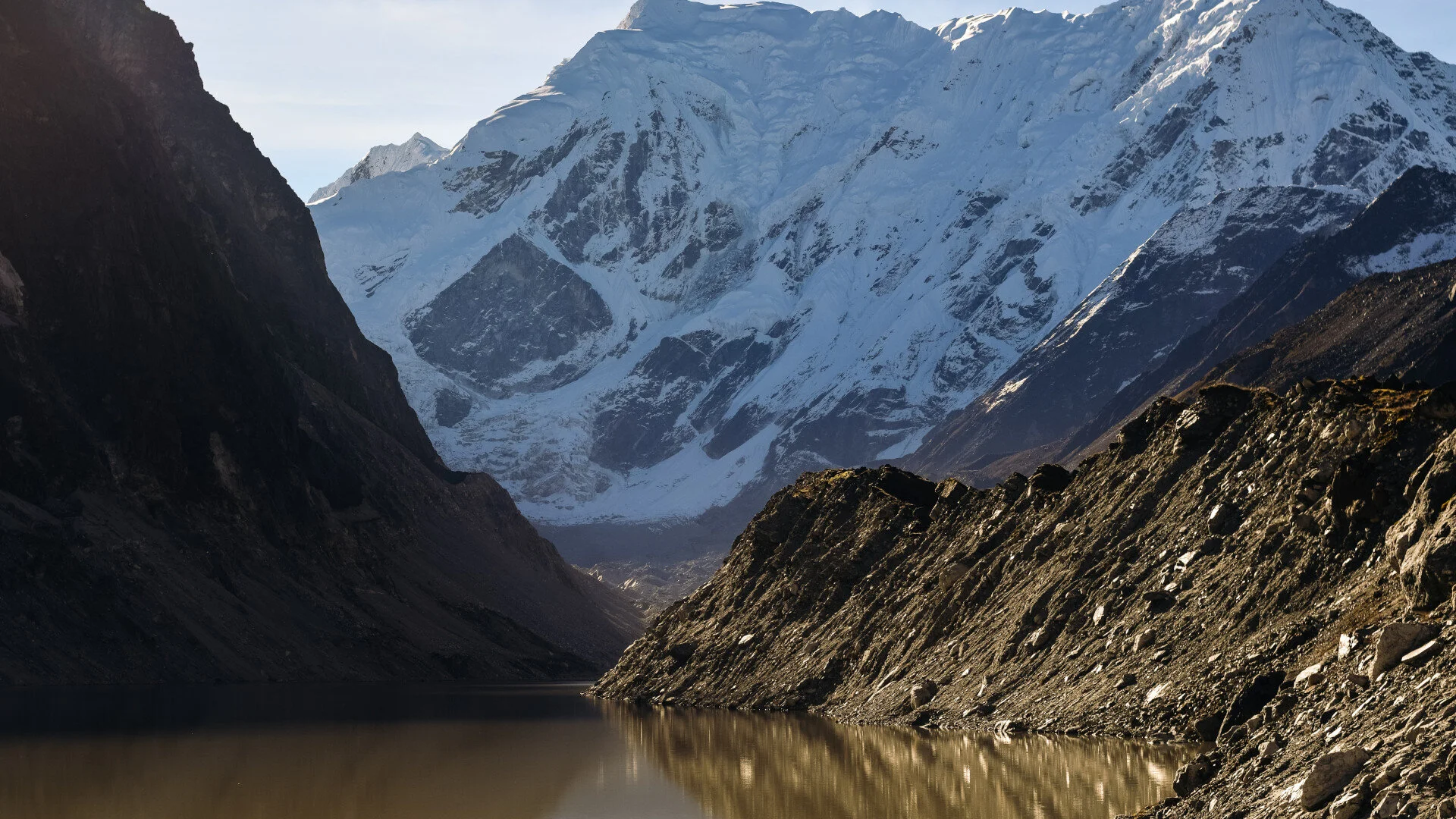
Its crown jewel is the Tsho Rolpa (Cho Rolpa) glacial lake situated at 4,580 m (15,030ft). In recent years, it garnered attention due to the accelerated melting of the glacier.
Reaching Tsho Rolpa is a challenging trek, but the tranquil glacial water is worth the hardship. This area is home to the Sherpa community, dispersed in beautiful villages. This trek also allows one to experience their traditional culture and lifestyle. An extended itinerary to explore the Daldlung Pass features splendid views of the high Himalayas.
A generic itinerary features an 8-hour drive from Kathmandu to Singati Bazar. The trek further is anywhere between 7-9 days. The route has a circuit pattern and is best during the months of spring and autumn.
Rupa
This lake for years has been under the shadow of Phewa and Begnas in the district of Kaski. The region only gained popularity a few years ago with sound investment in tourism infrastructure. At an altitude of 600 meters, Rupa is a 30-minute bus ride away from the valley of Pokhara.
It over the years has developed into an independent attraction with ample activities to indulge in for a traveller. The lakes wetland ecosystem is home to 36 species of waterbirds and plenty of flora and fauna. The region's economy largely encompassed fish farming before investment in tourism and hospitality.
Today, Rupa is a bustling destination with itineraries such as a village tour, eco tour, three lakes (Phewa, Rupa and Begnas) tour and others.
Gokyo Ri
The valley of Gokyo is an intricate complex of 19 lakes under the shadow of Mt. Cho Oyu. The clear freshwater is a sight to behold after a strenuous trek. An average itinerary ranges anywhere between 14-20 days. The longest features an ascent to Gokyo valley, followed by a walk to Everest Base Camp through the Cho La Pass. It also includes a hike to Kala Pathar for an up-close view of Mount Everest. The descent features a visit to the stunning Tengboche Monastery and Khumjung village.
There are six prime lakes in the valley. Thonak Cho is the largest amongst them. Gokyo Cho, one of the six, is also known as Dudh Pokhari due to its milky appearance.
Tilicho
In the far lands of Manang district at an altitude of 4919m lies the mystic waters of Tilicho. Heavenly, tranquil and beautiful are general synonyms used to describe this destination. It is accessed either via the Annapurna circuit route or an independent trek to Tilicho. Trekkers need to cross the Thorong La Pass at 5416 m to reach the lake.
The journey through the pass is quite demanding. Thus, this lake is also known as the fruit of Thorong La. An alternate route that skirts the lake from the north is slowly gaining popularity. But it requires at least one night of camping due to the lack of teahouses and lodges.
It also has high significance in Hinduism as this lake is often referred to as the ancient Kak Bhusundi Lake mentioned in the epic Ramayana. Peaks such as Khangsar, Nilgiri, Tilicho and Muktinath flank the lake, adding their magnificent reflections: accentuating the view.
In the next article we shall look into Phewa and Begnas of Pokhara, Gosaikunda and Dhumba lake.