
Flying High, the Unique Flag of Nepal
The flags of all countries have a similar shape, except for Nepal’s, which is unique and thus stands alone. Not only that, the Nepali flag is also the most mathematically constructed.
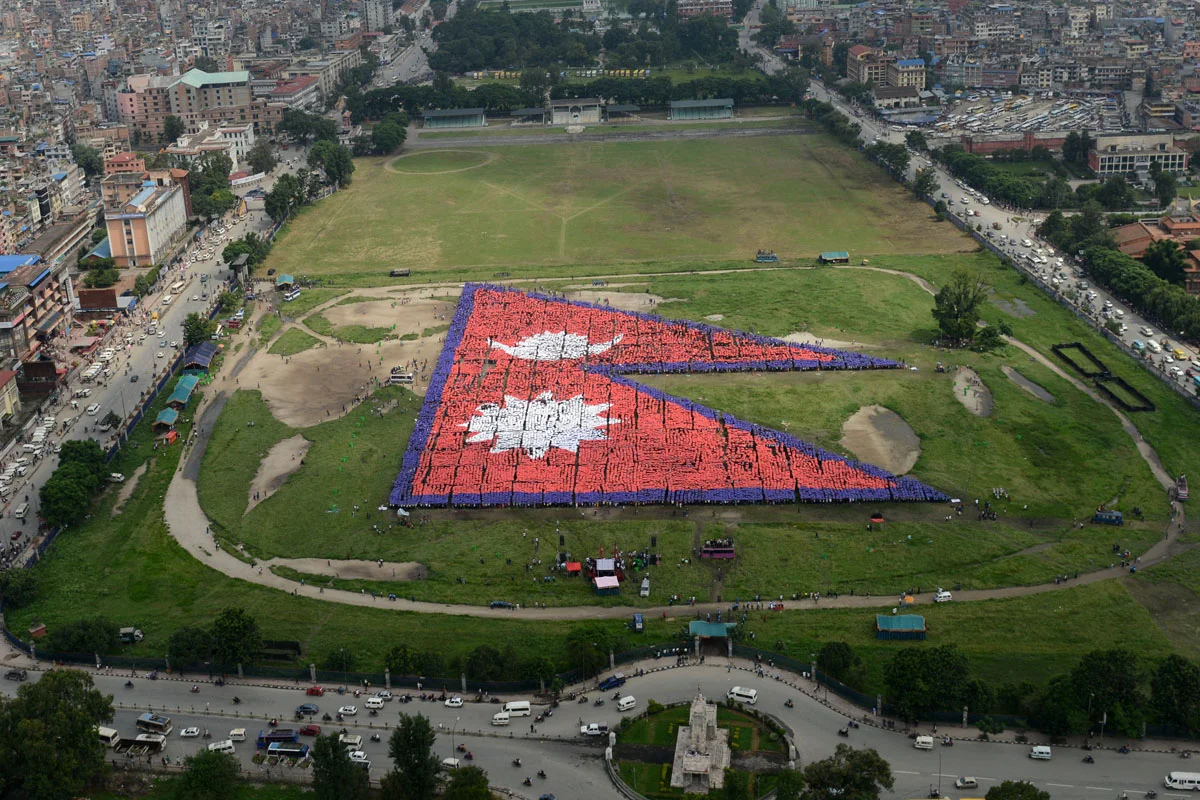
As if Nepal’s flag wasn’t unique enough (it being the only national non-quadrilateral flag in the world), 35,000 people gathered in the center of Kathmandu at the Tundikhel ground on August 23, 2014, to create the world’s largest national flag. The previous world record was made six months previously by 28,957 Pakistanis coming together to create their national flag. However, Nepal’s achievement was a short-lived one, because on December 7, 2014, it was overshadowed by 43, 830 Indians uniting in Chennai to make their flag the world’s largest yet.
But, there is no reason for Nepalis to despair, at least not in the matter of its flag having a unique and prominent place in any chart or list of the world’s flags. In fact, one could say that Nepal’s flag will garner the attention of anyone interested in the science of vexillologv (study of the history, symbolism, and usage of flags). One such person is Dr. James Grime. Well, actually he is not a vexillogist, but a mathematician and a faculty member of the Applied Mathematics and Theoretical Physics Department at the University of Cambridge. He has declared Nepal’s flag to be the most mathematical of all the world’s flags. Coming from such an authoritative person, that is really saying something!
You can watch him on http://goo.gl/gZcaQJ as he draws the Nepali flag, following step-by-step instructions as given in Schedule 1, Article 5 of the Nepal Constitution. The given measurements are exact, and include everything from the outline of the two triangles to the sun and moon emblems to the border. On the video, there’s a clock that times his work, and as far as can be seen, it takes him just half-an-hour to complete the drawing. However, if somebody of a lesser breed than a mathematician were to duplicate his effort, then it goes without saying that it will take a whole lot longer, so intricate are the steps.
As a matter of fact, there are 23 steps in all; precise instructions are given in detail in three sections. The first deals with the measurement of different lines, while the second is about the exact placements and measurements of the two emblems—the sun and the half moon—as also about how many triangles are to be drawn to represent the sun’s rays. The third section gives you instructions on how to draw the border. Finally, the sun and the moon have to be in white color, while the border has to be blue. The rest of the flag is to be in crimson color. There are plenty of instructions such as: draw a line ‘CD’ parallel to “AB”, “RS” should be half of “PQ”, and so forth, with almost all the alphabets being used, except for ‘X’, ‘Y’, and ‘Z’. From this, one can decipher how detailed are the instructions that go into the making of Nepal’s flag. Imagine a procedure consisting of 23 steps and using a total of 27 alphabets to make one flag!
It is generally assumed that the Nepali flag is derived from the pennants of two regimes: one, the bonafide regime of the Shah dynasty, and the other, that of the Ranas, who as prime ministers virtually ruled the country for more than one hundred years (1846 to 1951). Some people assume that the moon emblem on the upper triangle represents the royal house of the Shahs, and the sun on the lower triangle represents the Rana dynasty. According to others, the sun and the moon are said to be representative of the country’s two major religions, namely, Hinduism and Buddhism. Still others believe that the sun depicts the bravery of the Nepali people, while the moon depicts their serenity and peace loving nature. As far as the colors are concerned, most people agree that red stands for bravery and victory, while blue stands for peace.
However you look at it, the Nepali flag, which was officially adopted in its present form on December 16, 1962 (before that, the sun and the moon were portrayed as faces), carries a lot of symbolism, and various facets may have different meanings for different individuals. At the same time, the Nepali flag, like other flags, is a symbol of unity. That it has a distinctive identity all its own makes it all the more significant. In a field of mostly colorful rectangles, the two-triangled flag of Nepal stands out prominently. Now, we also know that it is the most mathematically constructed, and this is a record in itself. So what if we couldn’t keep our record for making the world’s largest flag?
Nepali Woman Power on Everest
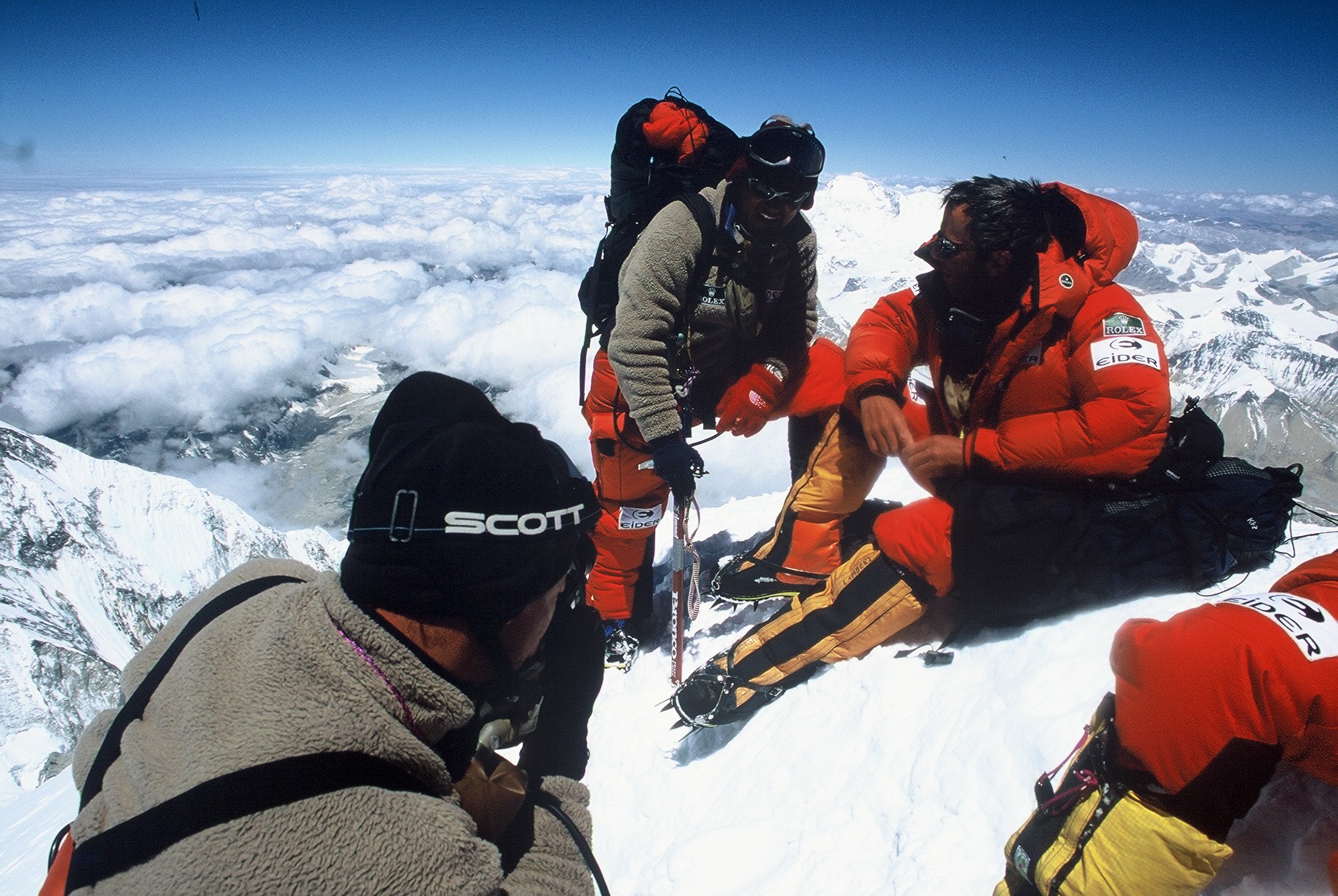
Nepali women have had quite a number of successes in conquering the highest peak in the world; some have even set new records
I had the opportunity of once meeting Junko Tabei, the Japanese woman who, on May 16, 1975, at the age of 35, inscribed her name in the history books as the first woman to conquer Everest (8,848 m), the highest mountain in the world. From her, I came to know that on June 28, 1992, she also became the first lady to successfully achieve the ‘seven summit’ feat by climbing seven of the highest peaks in all the seven continents. That aside, she also disclosed that she had already climbed the highest peaks of 61 countries, and that her lifelong goal was to climb the tallest mountains of all the countries around the globe!
Around the same time, I also had the opportunity of meeting Churrim Sherpa, a courageous Nepali lady who was awarded the Guinness World Record Certificate on February 25, 2013, for becoming the first woman to summit Everest twice within a single season (May 12 and 19, 2012). Born in Gusan village of Taplejung district in eastern Nepal, her feat gains even more significance when one realizes that, in 2012, 12 climbers perished while attempting to climb the highest point on earth. As for her getting the certificate only a year later, she admits that it was due to her own ignorance in not having the faintest idea about how to go about laying her claim to one. Anyway, this year too, despite the large number of expeditions attempting Everest, she is again in the limelight for being chosen to carry some equipment of recently deceased Australian cricketer Paul Hughes to the summit. It is a high honor, indeed.
Reminiscing on her double feat in May 2012, she revealed that the first summit had been more difficult due to the bad weather; still, she managed to reach the top at 7:00 a.m. after starting out at 9:00 p.m. from camp 4, despite the “traffic jams” on the route (there were some 150 climbers crowding it at one point!). Concerned about the eager-beaver hordes, and the resulting accidents, she advises that they acclimatize themselves really well before attempting Everest, because even though the so-called “death zone” starts at 8,000 m, the effects of high altitude begin to be felt acutely even after 7,000 meters. She readily confessed that her plan had been to do two climbs, as she wanted to do something different. After the first summit, she returned to base camp for some rest before starting off once more on May 17 for the top.
While Churrim is again earning accolades today, a certain Nepali lady named Pemba Doma Sherpa earned her place in the sun in 2000 for becoming the first Nepali woman to climb Everest via its north face. Her historic climb was as the leader of the Millennium Everest Expedition, and later on, having climbed to the top again via the south face, she became only the second woman to summit via both the faces. She went on to achieve her sixth ascent in 2007, which makes her the record-holder for most successful attempts on Everest by a woman anywhere in the world. Sadly, while climbing the world’s fourth highest peak, Lhotse, she fell from a height of 8,000 m and perished in the mountains she so loved.
Fifteen-year-old Ming Kipa Sherpa became the world’s youngest woman to conquer Everest when she made a successful ascent on May 24, 2003. She had to climb from the Tibetan side since the Nepal government didn’t allow those under 16 years of age to attempt Everest! Ming had company during the attempt in the form of her sister Lhakpa Chiri, 31, and brother Mingma Gyalu. Lhakpa had already conquered Everest in 2001, and she later went on to climb Everest once more from the Tibetan side.
On May 30, 2005, Moni Mulepati, 24, laid her claim to fame by becoming the first non-Sherpa Nepali woman to climb Everest. She was part of the Rotary Centennial Everest Expedition. While at the summit, she achieved another feat by exchanging marriage vows with her climbing partner and beau, 23-year-old Pemba Dorje Sherpa! Although Moni holds the distinction of being the first non-Sherpa Nepali woman to summit Everest, she is no more the only one. In 2008, a group of Nepali women from different ethnicities were assembled to make a team for the ‘First Inclusive Women Sagarmatha Expedition 2008 Spring’ (FIWSE). Its members, ranging in age from 17 to 30, were Sushmita Maskey (team leader), Chunu Shrestha, Asha Kumari Singh Chaudhary, Shailee Basnet, Maya Gurung, Usha Bisht, Pemadiki Sherpa, Nawang Phutti Sherpa, and Nimdoma Sherpa. All of them succeeded in reaching the summit in May, 2008.
However, as expected, it is the Sherpa women climbers who are the achievers of remarkable feats of climbing. For example, Maya Sherpa, who has conquered Everest from both the north and south faces, has also climbed Ama Dablam 6,812 m, Pumori 7,112 m, Cho Oyu 8,211 m, and Khan Tengri 7,010 m, all very challenging peaks, and all for the first time by any Nepali woman climber. Having said all this, it’s now time to recall the most historic day of all in the annals of mountaineering and Nepali women climbers.
Yes, the very first summit of Everest by any Nepali woman. Yes, I am referring to the redoubtable Pasang Lhamu Sherpa (born Dec 10, 1961) and her remarkable achievement on April 22, 1993, the date when this brave lady reached the pinnacle of Everest to become the 17th woman in the world, and the very first Nepali woman, to do so. Her story did not have a happy ending. A nasty turn in the weather on the way down resulted in her death on the south summit. It was only 21 days later that her frozen body was found just 72 meters below the summit—a tragic ending, but not one that was for nothing. Her momentous accomplishment provided the groundwork for more Nepali women climbers to attempt Everest, and she will forever remain an inspiration to all.
Esoteric Healing Techniques in Nepal
There’s more to Kathmandu than just world heritage sites and Thamel; there are also centers that teach natural arts of healing both the body and the mind.
Nepal was once a land of mystery and adventure, and mysticism and romance. Times have changed with unfortunate rapidity, but fortunately, some aspects remain that still bring back the lore of a Shangri La in the Himalayas. Yoga and other esoteric meditation and healing techniques based on Eastern philosophies are still going strong around here.
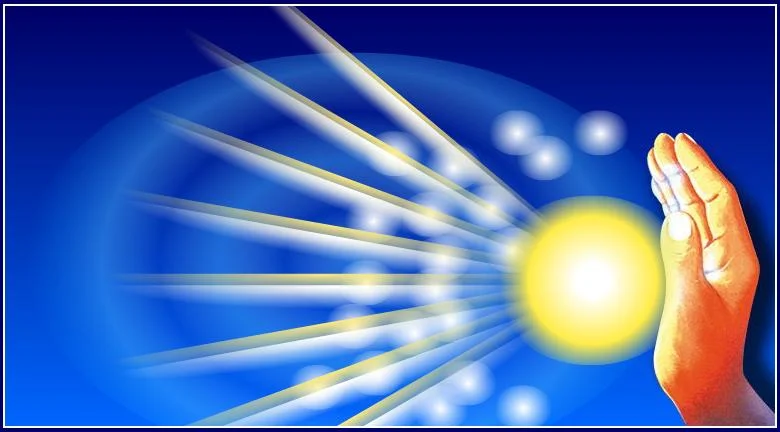
Take pranic healing, for example, which revolves around the idea of energy. It is an ancient technique using energy to heal and treat pain and stress. If you want to experience this unique method of healing and relieving stress, then a visit to the Pranic Healing Center in Kamaladi, Kathmandu, is called for. The concept of this technique is based on the idea of prana (life force), the central unit in a human body that is integral not only for development, but also for the stability of the physical body. Prana is the invisible life force that keeps the body alive, and pranic healing’s goal is to revitalize this force.
The second principle of pranic healing is the concept of self recovery, meaning that the body is capable of healing by itself, and it is through the techniques of pranic healing that the body’s ability to heal itself is speeded up. It is believed that the body’s energy is kept in synchronization by chakras that rotate clockwise and anticlockwise continuously. Disturbance in their movement, or the blocking of their pathways, result in illness, disease, physical unease, and mental stress. The objective of pranic healing is to make things right again, and remove such congestions, thus revitalizing the body’s energy, or life force.
A high degree of faith on the sufferer’s part is required in order for pranic healing to be effective; he/she has to be in a receptive frame of mind and open towards the positive energy emanating from the healer. Pranic Healing Center provides two-day basic courses as well as more advanced ones, including intensive classes that consist of psychotherapy, or Arhatic yoga. One interesting course is the “Twin Hearts” meditation that focuses on two of the more important chakras, the heart chakra and the crown chakra, which are regarded as the epitome of love and enlightenment.
Besides this unique healing center, there are of course numerous yoga centers in Kathmandu. There used to be one called the Healing Hands Center in Maharajgunj; don’t know if it is still there. It specialized in Nuad-Bo-Rarn, a Sanskrit term for ancient Thai massage that is actually based on yoga postures, and is also said to be “yoga for lazy people”. In reality, Nuad-Bo-Rarn is for those who are unable to do yoga by themselves due to old age or infirmity, and need a helping hand to do so. Like pranic healing, it, too, is based on the idea of energy running through the body in a specific manner and taking particular pathways. According to this form of yoga, or ancient Thai massage, there is a second body comprised of many energy lines in addition to the physical body, out of which 10 are believed to be vital pressure points.
At the Arogya Ashram in Tangal, you’ll come across the art of naturopathy, the credo of which is that prevention is better than the cure. Chemical medicines are a big no, no, since they have harmful side effects, and the goal of treatment is to detoxify the body of all toxins that cause disease. Treatment regimes may vary (clay therapy, solar therapy, hydrotherapy, and so on), but the basic parameter of all is based on the philosophical aspect of panchakarma, that is, the five elements of fire, air, earth, water, and akash (vacuum). Regular classes are conducted every day, and the central goal is to change bad habits and harmful lifestyles. Generally, a treatment may last for a month; however, for chronic problems, it can go up to six months or so. It would be good to note that naturopathy is often said to be the ‘mother therapy’, since it is compatible with most other treatment methods.
Some other well known centers of yoga and other esoteric healing arts are Ananda Yoga Centre in Satungal, Pranamaya Yoga Studio in Kantipath (which teaches ‘power yoga’), and Osho Tapoban in Nagarjun, where the path of self realization is explored in depth through meditation and discourse. Jain Mandir in Gyaneswar, Kathmandu, also has regular yoga classes every day, and these are for free to all who come. Different yoga centers teach different styles of yoga. Bishal Ayurveda Ausadhalaya and Yoga Centre in Anamnagar, Kathmandu, teaches Patanjali yoga. A typical routine is as follows: 10 minutes of jogging, all the while focusing on balanced breathing; then, a period of Om dhoni (a continuous humming of the word ‘Om’). This is followed by the asanas, and then, pranayana and dhyan.
Vipasaana is another method that many swear by to get balance and serenity in their lives. It was actually one of the discoveries of Lord Buddha himself that meditation enhances two qualities, namely, samantha (tranquility) which steadies and concentrates the mind, and vipassana (insight), which makes you more observant. Vipassana classes are held regularly in Shivpuri, Kathmandu, which consists of 10 days or so of silent retreat, wherein one abstains from any desire and bad habits before delving into aanam (breath work), which is followed by deep meditation, or vipasaana.
So, you see, there’s more to experience when in Kathmandu than just world heritage sites and Thamel. There are plenty of centers where you can spend some fruitful time learning one of the esoteric arts of natural healing. It would certainly be worth your while, because good health is after all the most precious asset anyone can have.
Praying for an Uneventful Rato Matsyendranath Jatra
Calamitous events have occurred when things have fallen apart during the month long Rato Matsyendranath Jatra.
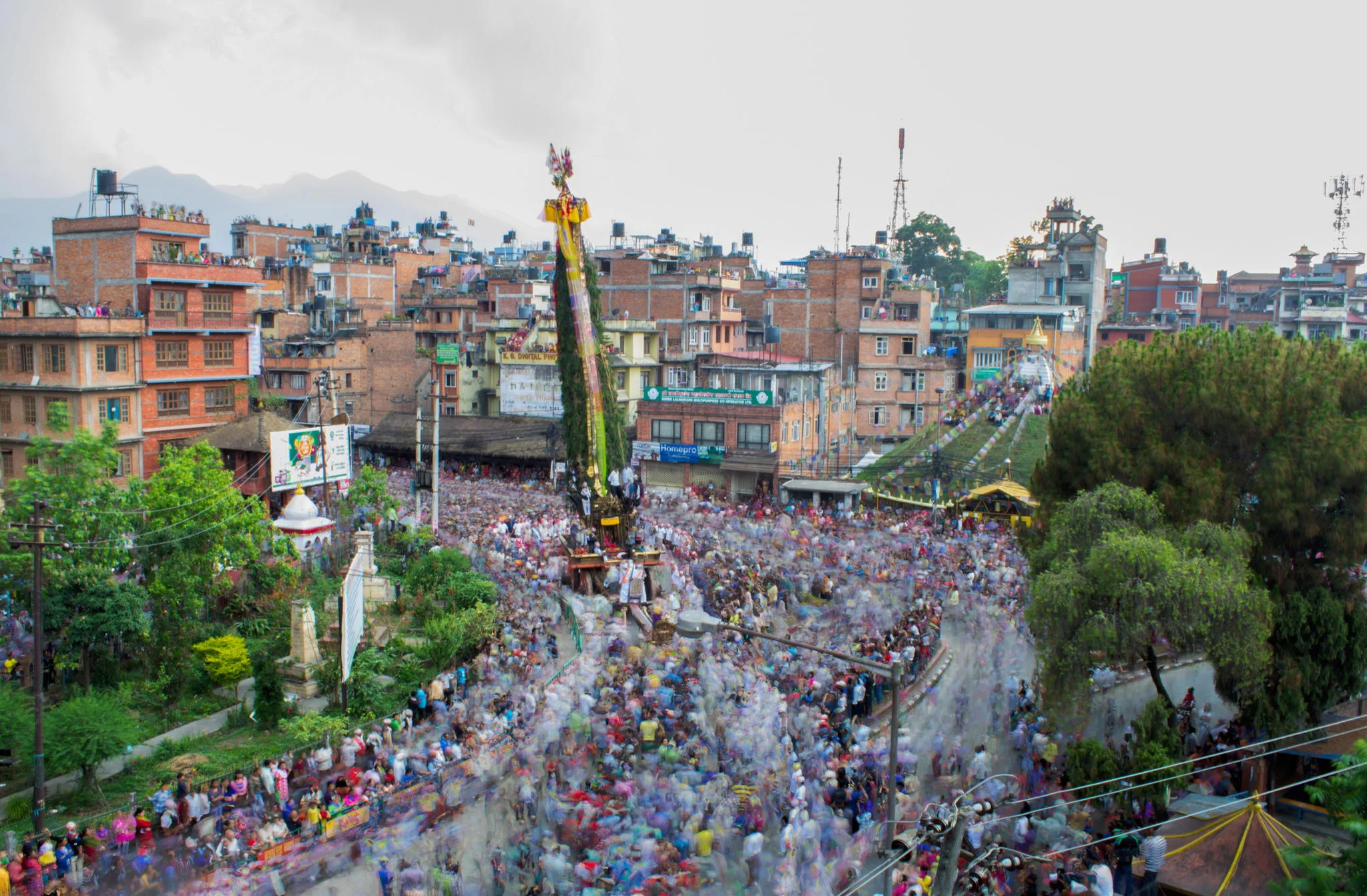
Preparations are well underway this month for the longest festival of Lalitpur, that is, Rato Matsyendranath Jatra. It begins on the first full moon of Baisakh (April/May). History has recorded several calamitous events associated with this important festival. But, before going into that, here are some interesting facts about the festival
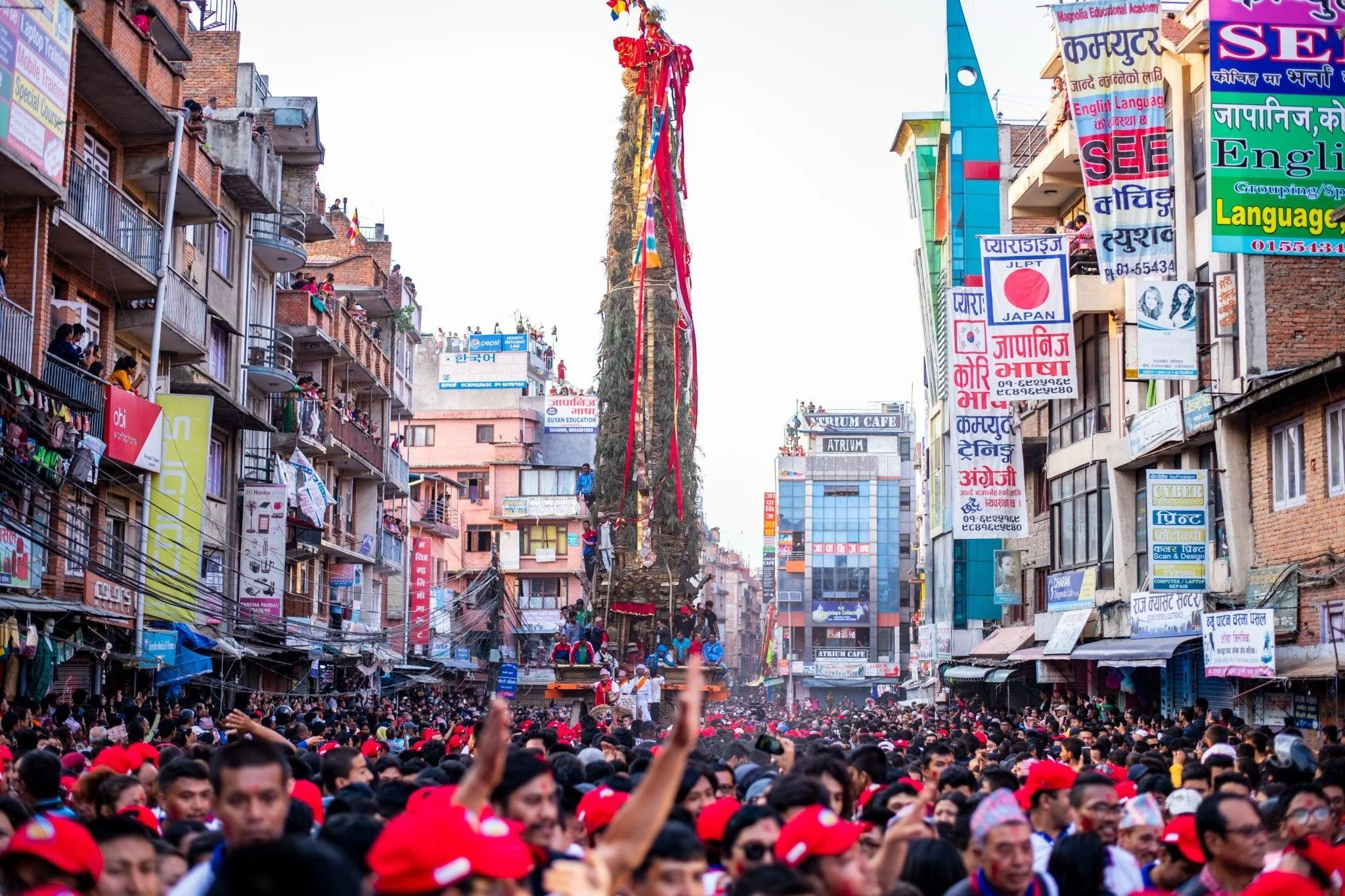
As with many other festivals in the Kathmandu valley, the chariot is the focal point of the event. It’s a mammoth structure, standing about 48 feet tall; including a spire that’s around 10 feet high. Much effort, and a great deal of expertise and ritual, goes into its making. The wood for making the wheels comes from carefully selected trees of the forests of Chitwan. The massive wheels may weigh up to two tons each. The construction of the chariot begins from the wheels and the axel, with the axel being the only structure where metal is used. Otherwise, it’s an all-wood affair. Next, the platform base (ashi) is built, followed by the four pillars. Then, the much bigger platform and the tower are constructed.
Down the ages, it is only three clans that are given the responsibility of constructing this huge chariot, the Barahis, the Yawals, and the Chitrakars. While the Barahis do all the work concerning the edifice, the Yawals do all the work involving ropes, and it’s a vital undertaking, because all the different parts of the wooden chariot are bound tightly with ropes made from bamboo. Any carelessness can result in disaster, considering its size. The Chitrakars, on their part, are responsible for all the paint jobs.
It is on this chariot that Lord Matsyendranath, also known as Bunga Dyo in Newari, is paraded around the various streets and alleys of Patan city for a month. His idol is brought from his birthplace of Bungamati, a small town some eight kilometers from Kathmandu, where he resides in a temple for six months of the year. A few weeks before the festival is to begin, the simply carved sandalwood idol is taken from its temple and taken to Lagankhel, where it is bathed in holy water, Lagankhel being where he is believed to have rested on his journey from Assam to Patan. This is followed by 10 elaborate rituals, which also includes fresh repainting of the idol’s face, which is done by artists of the Chitrakar clan, who also paint the eyes on the wheels of the chariot.
The story of Lord Matsyendranath is quite interesting. It goes like this: the revered sage, Goraknath, once had come to Kathmandu Valley on a visit, where he became so furious at the disrespect he was shown by the valley dwellers, that he decided that he would subject the valley to severe drought. Thus, with this in mind, he sat down on the heads of the nine snake gods responsible for bringing down rain, and then went into a state of deep meditation. Soon, the desperate valley dwellers were begging him to come out of his trance and to stand up, so as to free the snake gods. However, the angry sage remained unmoved, and continued to sit on their heads, all the while meditating deeply. Drought continued to plague the valley for a long time.
Then, some clever Newar fellows devised a plan to end his meditation and make him stand up. They traveled all the way to Assam in India, where Gorakhnath’s guru Matsyendranath lived, and pleaded with him to accompany them back to Kathmandu. He agreed and came to the valley with them, and was taken to the site where his disciple sat in a trance. On knowing about the presence of his guru before him, Gorakhnath promptly stood up respectfully, and in doing so, freed the captive snake gods, who did what they were supposed to do, that is, bring down pouring rain on the parched valley. So grateful were the people that they decided to hold a festival in Matsyendranath’s honor every year.
Now, coming to the above-mentioned ‘disastrous events’ linked to the festival, the first one recorded was way back in 1680, when people observed that Lord Matsyendranath’s face had lost some of its paint, and this was considered to be an extremely bad omen. That night, King Nripendra Malla, then the ruler of Patan, died in his bed, and he was seen to be quite fit and healthy just the day before. Similarly, in 1817, it was again observed that the idol had again lost some paint off its face. That very same day, a massive earthquake struck the valley, causing death and destruction everywhere.
At another time, King Viswajit Malla, another king of the valley, had a bad dream, one in which he saw Rato Matsyendranath turning his back on him. It was a dream that troubled him greatly, since it, too, foretold that something terrible would be occurring soon. Sure enough, the king became a victim of murder on the night following the dream. Similarly, in another period of history, one king himself took part in pulling the chariot through the streets of Patan. It was not a favorable undertaking; the axel broke a total of 31 times during the procession. This, too, was a sign of bad things to come. The said king died soon enough.
In 2000, as the massive chariot was making its way down a narrow street of Patan, its tall spire fell down amongst the crowd below. Everyone was horrified, and wondered what unfortunate event was to befall the country. Well, they didn’t have to wait long. Soon after, there occurred one of the most horrifying events in the country’s history—the massacre of the entire royal family inside Narayanhiti Palace. Is it any wonder, then, that people pray fervently that nothing unforeseen happens during the month long festival of Rato Matsyendranath?
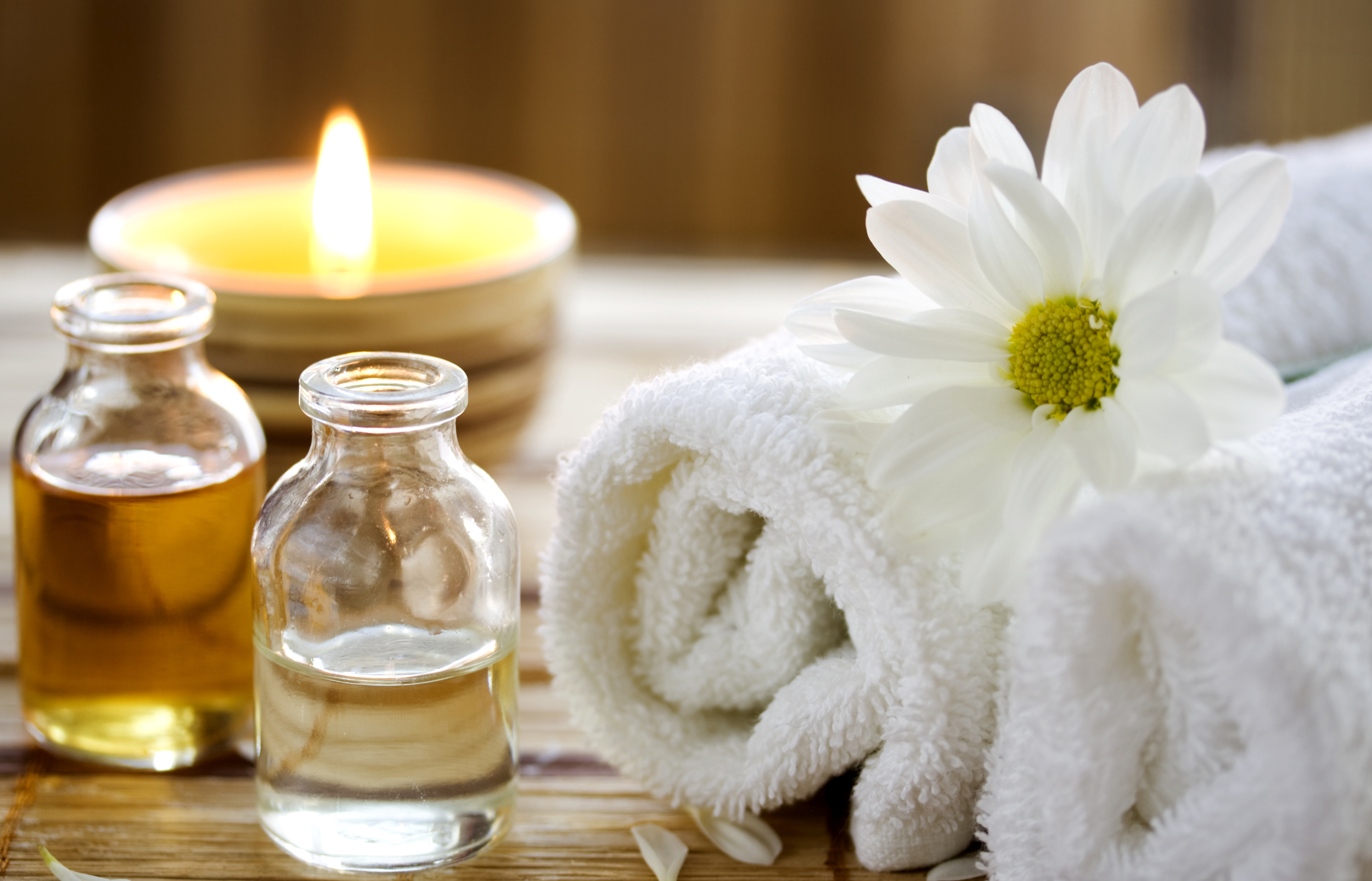
Kathmandu and its SPAs
The last few years has seen a tremendous rise in the number of spas in Kathmandu. Wellness is in.
Everybody knows that spas originated in the cradle of civilization, that is, Rome. The Romans fought so many battles it was felt that the war weary soldiers needed something to rejuvenate them in double quick time so that they could return to yet another battle soon. And, so, they came up with spas. Spa is a Latin acronym for ‘sanus per aquam’ (health through water). Huge baths were built for the purpose. The routine went like this: begin with some heavy wrestling and boxing in a courtyard or in a palaestra (gym), then go into a tepidarium (warm room), where expert masseurs rubbed away the sweat and grit with a stimulating massage using different kinds of aromatic oils. Next, step into a heated pool, and having soaked away to glory, it’s into the steam room for some time. Finish up the routine by jumping into a plunge pool in the frigidarium (cold room). And, voila, you’re ready to fight again!
While that was what a spa experience meant in those days, it’s different today, even though the basic premise is the same. Step into any spa in Kathmandu and the most striking part will probably be the Jacuzzi, which is a bath with swirling water. However, that’s just a small part of the whole; it’s the massage that’s most important in any spa experience in Kathmandu today. There are quite a number of different types of massages, all of them with exotic names and mostly of Eastern origin. A massage means that you got to lie down on bed, and so, you’ll find all kinds of beds at spa parlors here. Although most such beds are quite simple in structure, one that stands out is a mahogany colored really exotic-looking one in a small room in the Midas Day Spa Salon in Durbar Marg.
But, no matter how great the bed is, what matters most is the quality of the massage you get while lying on it. Besides the technique, it is also the kind of oil used that can make a massage into a heavenly experience. At Spa Prana, also in Durbar Marg, they claim to use 30 different kinds of oils for their massages. Aside from the kind of massage being given, clients’ preferences are also a deciding factor on the choice of oils used. Most masseurs in such high-end spas are naturally highly skilled individuals, having a great deal of knowledge about things like herbs and aromas, as well as the effect of different oils on the body, more so, on the skin.
While coaxing muscles into a relaxed state through expert kneading is the goal of all massages, a glowing skin is also an important end result. In other words, ‘body polishing’, also known as body scrubbing. This is especially all the more important when there are no facilities for working up a sweat beforehand, as the Romans used to do. At the same time, many of the spas in high-end hotels (most of them have a spa) have sweat-inducing facilities like gyms and tennis courts. But, even if day spas may lack this, they more than make up by providing services bordering on the royal.
Since the environment is of utmost importance to endow clients with a sense of tranquility so that they begin to relax immediately on entering a spa, you can expect the interiors to be soothing, elegant, and very tasteful. Be it Hyatt Regency’s Club Oasis or Gokarna Resort’s Harmony Spa or Midas Day Spa or Spa Prana or Sparsh Spa or Healing Hands; and Chaityana or ☛ Tranquility Spa at Hotel Shanker, the ambience is pleasant and relaxing. A soothing décor, dim lighting, stylish furniture, high quality equipment: these are all a given when talking about spas in Kathmandu. But, all these would come to naught if the personal touch were missing. So, what you have are smartly dressed staff with impeccable manners. A body scrub may be the beginning of a spa experience, but even before that, it’s the welcoming smile and the courteous behavior of the staff that makes you feel really good about yourself.
You’ll get this kind of welcome at all spas, and ☛ Tranquility Spa is no exception, in fact, it has a spa training center in Lazimpat, so its staff at its various branches around the city are top-of-the-line regarding this. And, while facilities might vary among different spas, you can expect most spas to provide, at the least, indigenous treatment methods for an all-round wellbeing experience. This means using locally available herbal ingredients and traditional ayurvedic massages. Anyway, whatever may be the ingredients or the method, a typical spa package could include a body scrub (body polish), a bath, a body wrap, a massage (the focal point of the whole experience), and a facial, manicure, and pedicure. All in all, the aim of all spa packages is a truly holistic experience that will leave a person relaxed, refreshed, and rejuvenated both in body and mind.
To go into this in a bit more detail, a body scrub’s goal is to make your skin smooth and soft through use of an exfoliant (an abrasive material like salt, rice bran, coffee grounds); oil (some oils like sweet almond oil and macadamia oil can be pretty expensive); and fragrance, emanating from essential oils such as spearmint and rosemary. A shower, later, is followed by application of a body lotion. Next comes the body wrap, in which your body is covered with mud or algae or seaweed, and then a thermal blanket is wrapped around you. This is a detoxifying treatment, the aim of which is to stimulate your metabolic system. If cream or lotion is used instead, then it’s called hydrating. Some herbs, yogurt, honey, etc. may also be used.
The bath is also special, in that it could be an aromatic, herbal, floral, or a milk bath. Apparently, the last one is the most popular. A few teaspoons of honey may also be added to the bath. Depending on the kind of essential oil used, an aromatherapy bath can be muscle-relaxing, hydrating, detoxifying, or even aphrodisiacal. Five drops each of sandalwood, lavender, and rose essential oils in the bath is supposed to raise your libido. Sometimes, ginger and clove are used in aphrodisiacal baths, as they raise body temperature.
The massage can last from 30 to 90 minutes, and can include techniques like gliding, kneading, and cross-fiber friction strokes. Massage oils are an integral part of the process, which increases circulation and releases tension. Massages can be of many different kinds, viz. deep tissue massage, hot stone massage, aromatherapy, lymphatic drainage, myo-facial release, cranio-sacral therapy, trigger point therapy, neuromuscular therapy, and so on. Ayurvedic massage, Thai massage, Swedish massage, reflexology, Shiatsu, Watsu, Rolfing…the list goes on. Because of the therapeutic factor central to all massages, the practitioners are referred to as therapists instead of merely masseurs.
All spas offer facial, manicure, and pedicure facilities, the culmination of the spa experience. Facials consist of different treatments: steam, exfoliation, extraction, masks, peels, and massage, in that order. A facial massage, using toners and protective creams, stimulates the facial muscles. Facial masks have vitamins, minerals, and fruit extracts, and they can be deep cleansing to get rid of acne scars and other blemishes or for enhancing skin tone. ‘Age defense’ facial’, ‘oxygen facial’, ‘photo facial’, and ‘collagen facial’ are some special types of facials that spas also provide.
A spa experience is something that will make you feel on top of the world. You’ll come out of it with a feeling if deep relaxation and wellbeing. So, the next time you are in Kathmandu, make sure you visit one of the many beautiful spa parlors around town and in the better hotels, because it’s going to add another memorable page to your Nepal adventure.
POPULAR ITINERARIES
SIMILAR POSTS
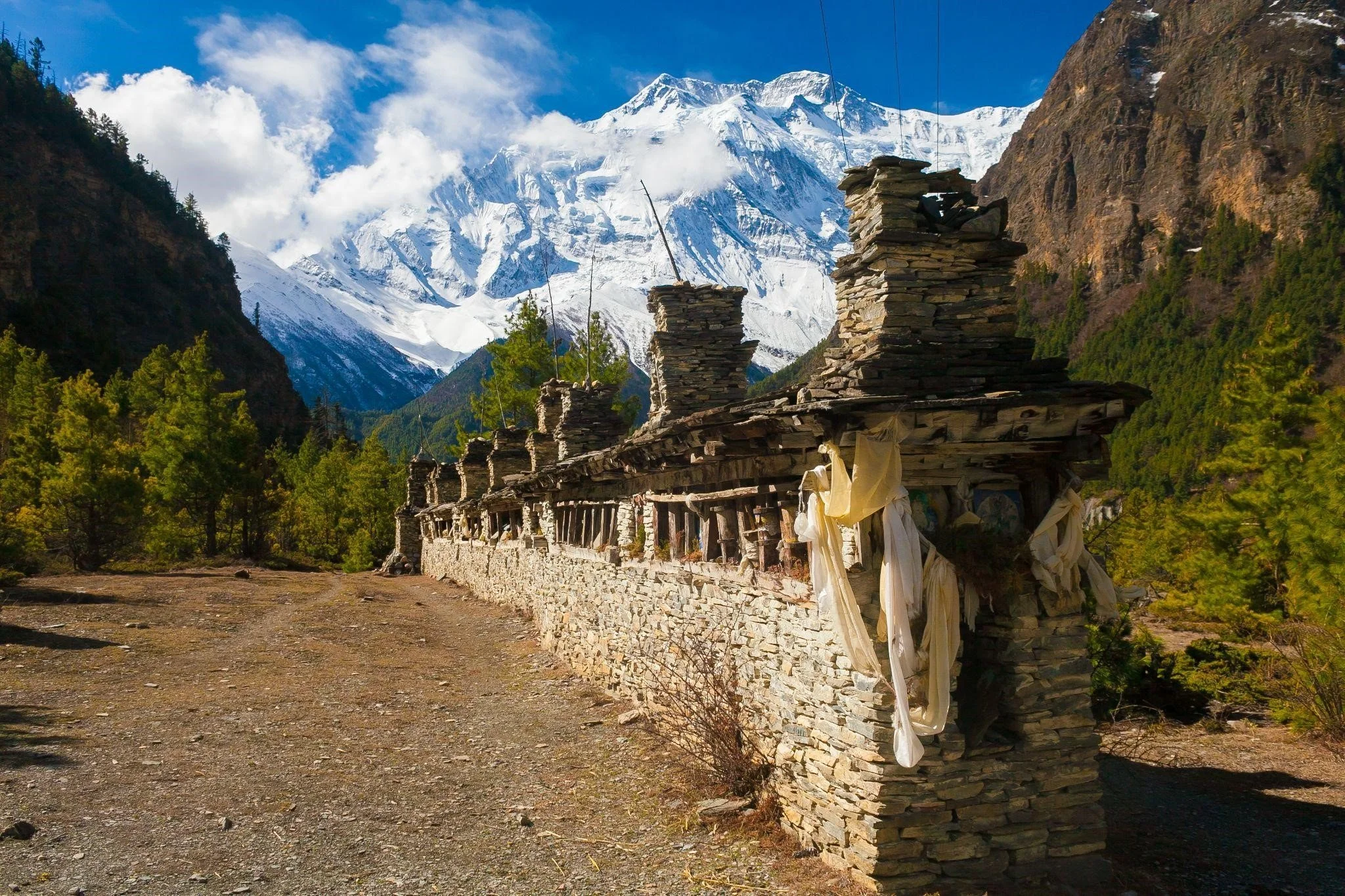
The Everest Base Camp Trek: A Trek like No Other
The Everest Base Camp trek is the most popular trek of Nepal, and justifiably so, since it gives you the opportunity of being up close and personal with the highest mountain on earth.
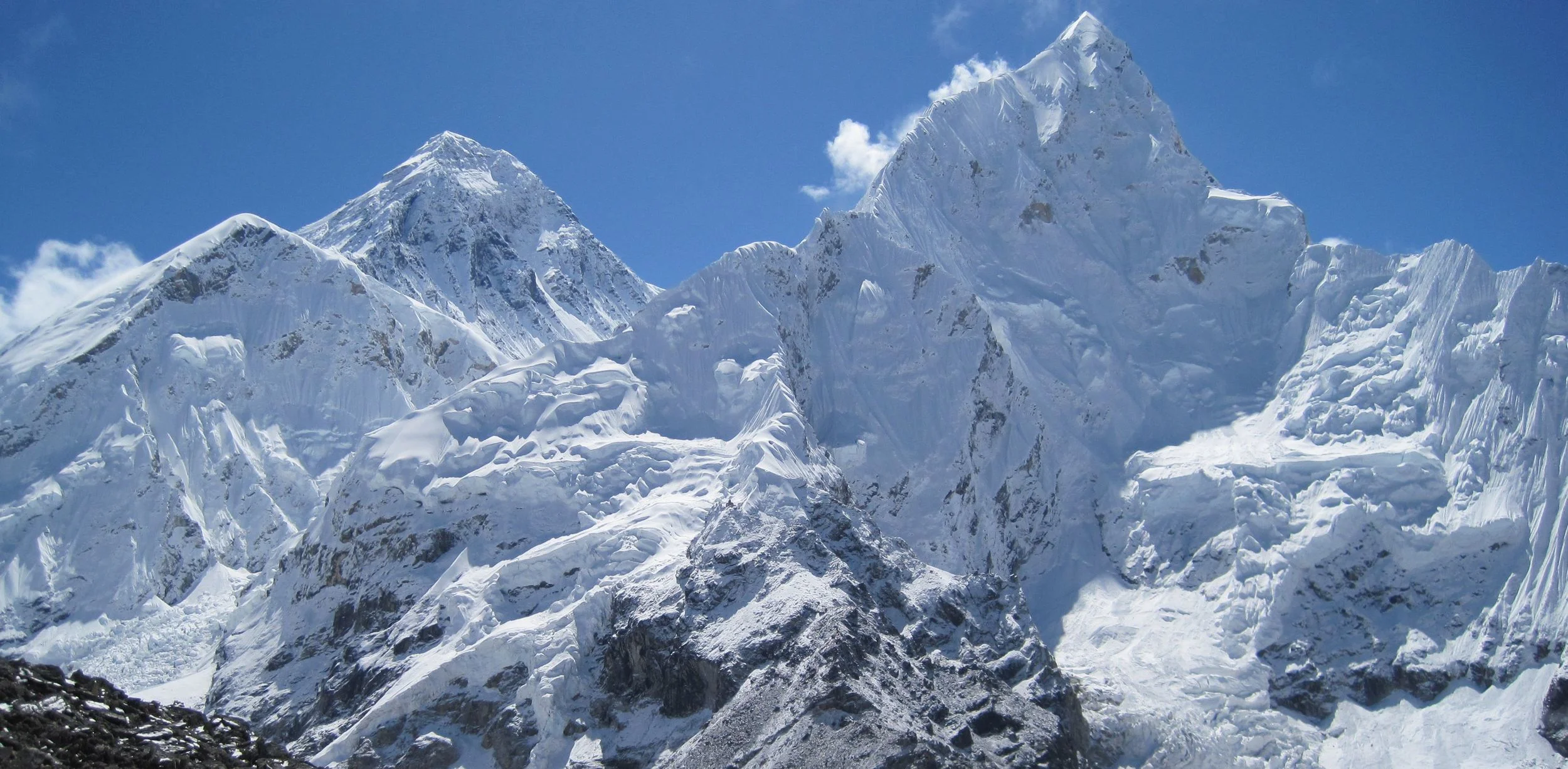
There are treks and treks, and then there is the Everest Base Camp trek. It has been recommended as one of the must-to-be-done things during a lifetime. It’s got that much of a reputation! Naturally, it is the most popular trek of Nepal, a country with many other treks that are also challenging, interesting, and fulfilling. What makes the Everest Base Camp trek really outstanding is that you get to have a spectacular view of Mount Everest, really close up and personal.
Most trekking agencies have a two-week itinerary for this trek, and it all starts with a flight up to Lukla (2,800 m) from Kathmandu. Yes, it will take you only 45 minutes to get there, but what a 45-minute it is! First of all, although there are daily flights, one needs to be aware that high winds, dense clouds, and low visibility could hamper the schedule anytime. In case everything’s fine with the weather, you fly, and on the way you’ll get great views of Himalayan peaks on the horizon. However, it’s when you near the Tenzing-Hilary Airport (Lukla Airport) that the action really begins. You’ll be coming through two massive mountains as you begin to land, and you can be expected to be buffeted somewhat. The runway is pretty small, only 1,500 ft, with the northern end terminating in high terrain, and the southern end falling steeply into the valley below. One end of the runway is actually 60 m higher than the other end! All in all, it calls for a high degree of skill on the pilot’s part to both land and take off. Some call it one of the most adventurous airports in the world; the less polite call it a dangerous airport. Anyway you call it, it’s a picturesque airport.
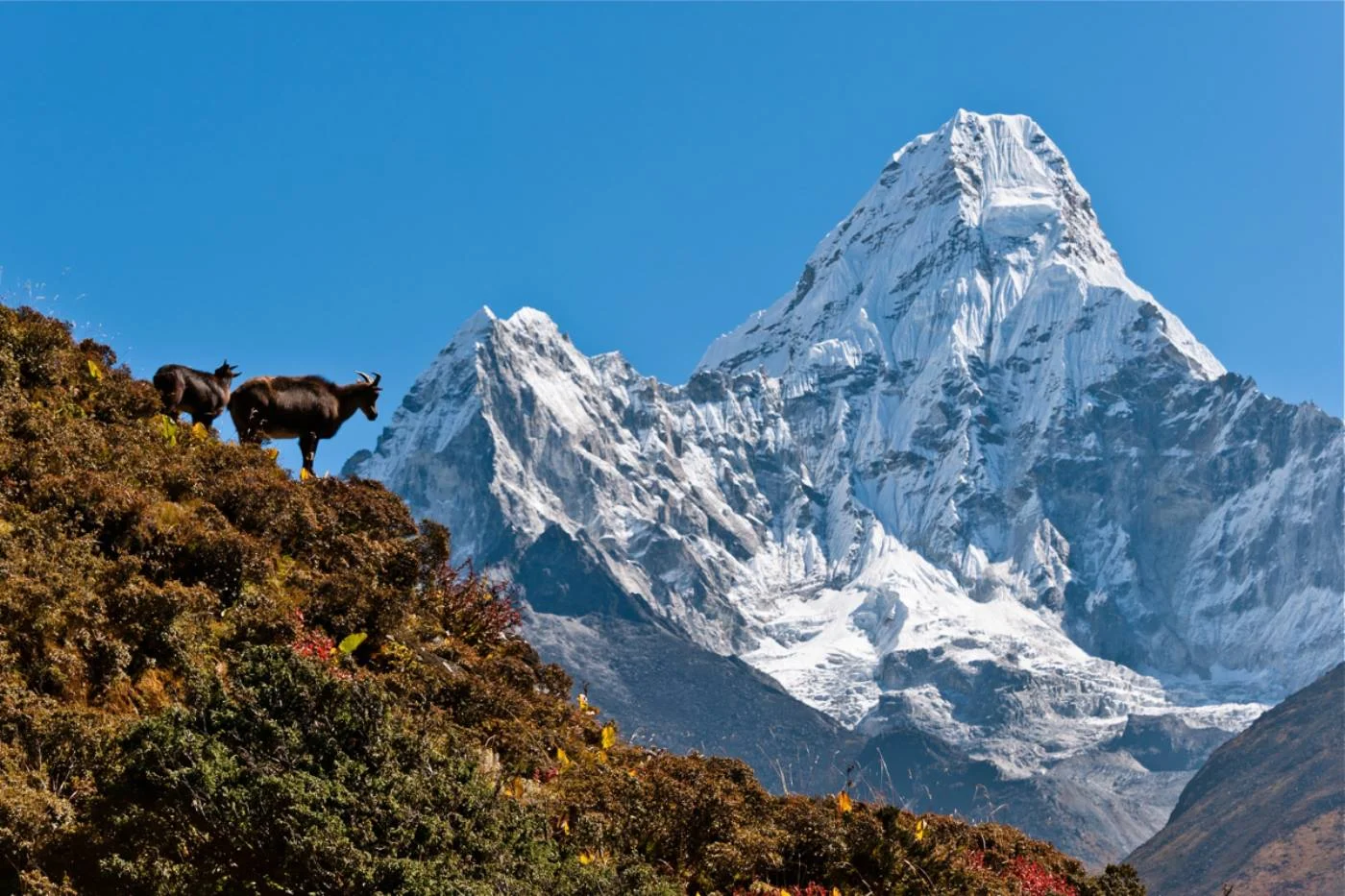
Anyway, after landing, you arrange your gear and head off along the Dudh Kosi River to Pakding (2,600 m). You’ll be walking through lovely pine and cedar forests and will be probably meeting yak caravans transporting climbing or trekking supplies and equipment. If you are downhill to one coming your way, give way, because the yaks aren’t going to be as polite, and will be coming in a heavy rush. Right from your landing, you have perhaps already been transported into a different world from the one you’re used to; these caravans will only help to take you away further, they paint such an exotic picture! As you walk along, keep an eye out for wildlife like the Himalayan tahr and musk deer. The former have thick wool coats and large backward-curving horns reaching up to 18 inches.
The next day, you trek to one of the biggest Sherpa settlements in the country, that is, Namche Bazaar (3,450 m). By now, your uphill trekking should have set your muscles working extra hard, now you got to rest for a day here so as to allow your body to acclimatize to the higher altitudes. You’ll find Namche to be a bustling place, and the rest day allows you to take a short outing to Thame Valley. You’ll come across elaborate carved mani stones along the way, and a lovely gompa, as well. All in all, a day well spent. Then, the day after, you leave Namche and carry on through rhododendron forests and across suspension bridges to reach Tengboche (3,860 m) from where the you get sensational views of Everest (8,848 m), Lhotse (8,516 m), Nuptse (7,864 m), and Ama Dablam (6,812 m). All along the route, you’ll surely be enthralled by the sight of the Dudh Kosi River flowing serenely through the valley far below, and you’ll see a lot of chortens and mani walls alongside the trail, as well. You’ll no doubt be paying a visit to the magnificent Tengboche Gompa (estd. 1912), which has immense religious and cultural importance for inhabitants of the Khumbu region.
The following day, you walk up stone steps through wood full of birch, conifer, and rhododendron trees, and here, too, keep a sharp eye out for some more Himalayan wildlife. This time, it’s pheasants, which make for a colorful sight. You’ll come across a small village called Deboche, where there’s a nunnery. Then as you go onwards, you’ll notice that the trail is leading to alpine meadows full of scrub juniper (in the warm months, there will be a riot of wild flowers here), and eventually you arrive at Dingboche (4,400 m). You’ll notice a lot of barley grown around here, and the views of the mountains all round are simply outstanding. Another day to acclimatize yourself is called for again, and so you take a rest day. You can use this day to explore the Chhukung Valley, hiking there via the Imja Khola. You’ll have fine views of Imjatse (Island) Peak (6,189 m), Lhotse, and Ama Dablam.
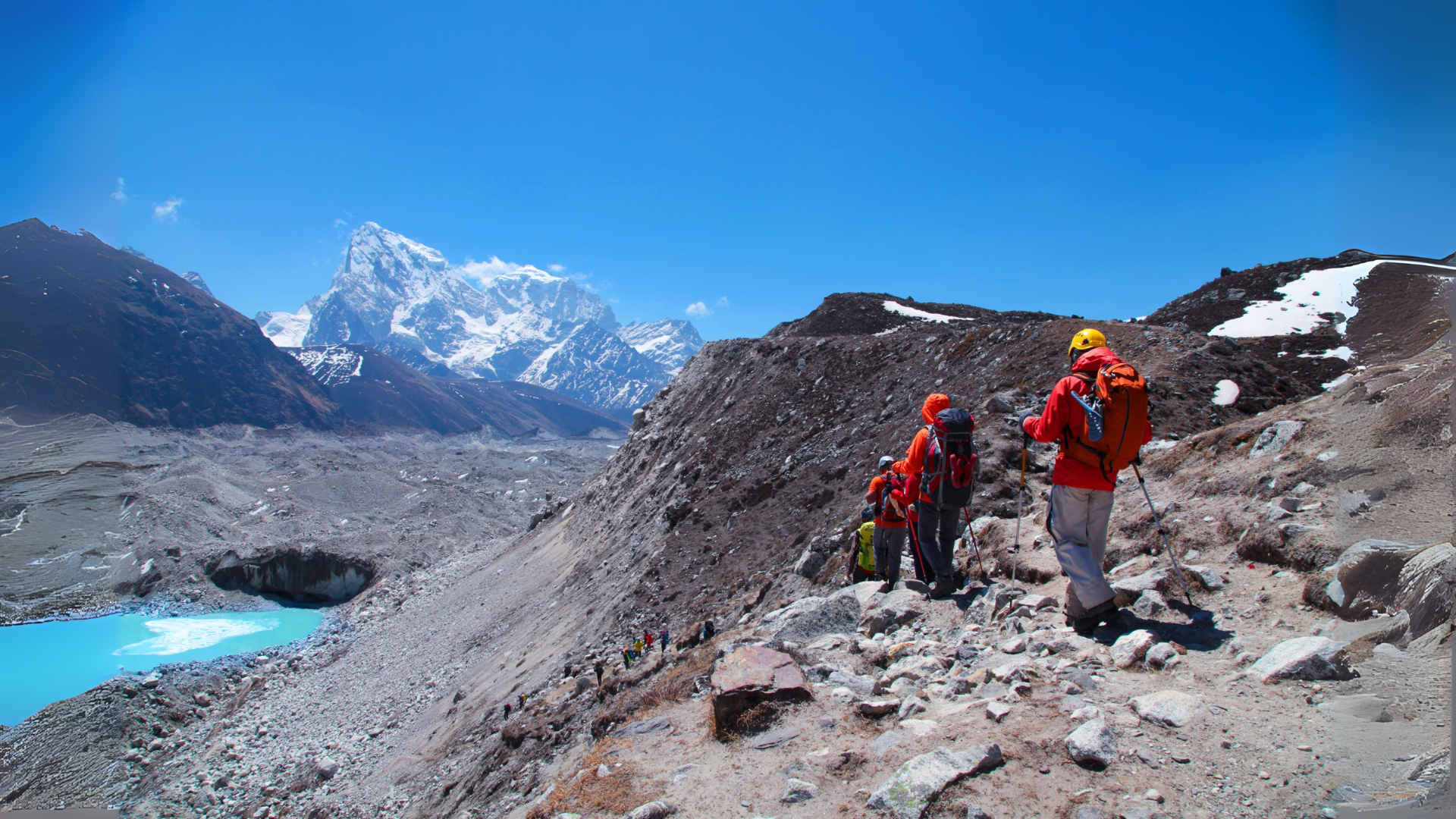
Day seven finds you on your way to Lobuche (4,900 m), as you trek through alpine meadows and pasture land towards the end of the Khumbu Glacier moraine. Then on, it’s a tough climb that is pretty challenging. As in some other places, where there are monuments to departed mountaineers, here too you’ll come across similar stone memorials. You keep on climbing, and you’ll surely find it tough going as you climb onto the Changri Glacier. The altitude is now truly Himalayan, and the next day, you climb further up to Gorakshep (5,150 m) where there’s a small lake that’s frozen most times. You’ll not want to miss the chance to go to Kala Patthar, which requires a small detour, since one of the best views of Everest is guaranteed from there. Now, as you plod on, you’ll find it easier going, since you don’t have to climb much, but you’ll have to be careful as you walk because there’s lots of ice around on the trail. By and by, you reach your goal, that is, Everest Base Camp (5,337 m), situated high up on the famous Khumbu Glacier. The trek back is through Lobuche, Pangboche, Namche Bazaar, and Phakding, before reaching Lukla, from where you take that adventurous flight back to Kathmandu.
SIMILAR POSTS
The Helambu Trek
A trek through the Helambu region gives you the chance to be up close with the Sherpas, a community famous for its climbing skills.
Ever since Tenzing Norgay Sherpa became the first man, along with Sir Edmund Hillary, to conquer the world’s highest peak, the Sherpas have enjoyed a status as hardy mountaineers, and trusted guides for any expedition on its way to climb the lofty Himalayan peaks. Many Sherpas have etched their names in the record books for many daring feats of skill and courage in the field of climbing. Not only that, they have also garnered an enviable reputation for their hospitality, trustworthiness, and simplicity.
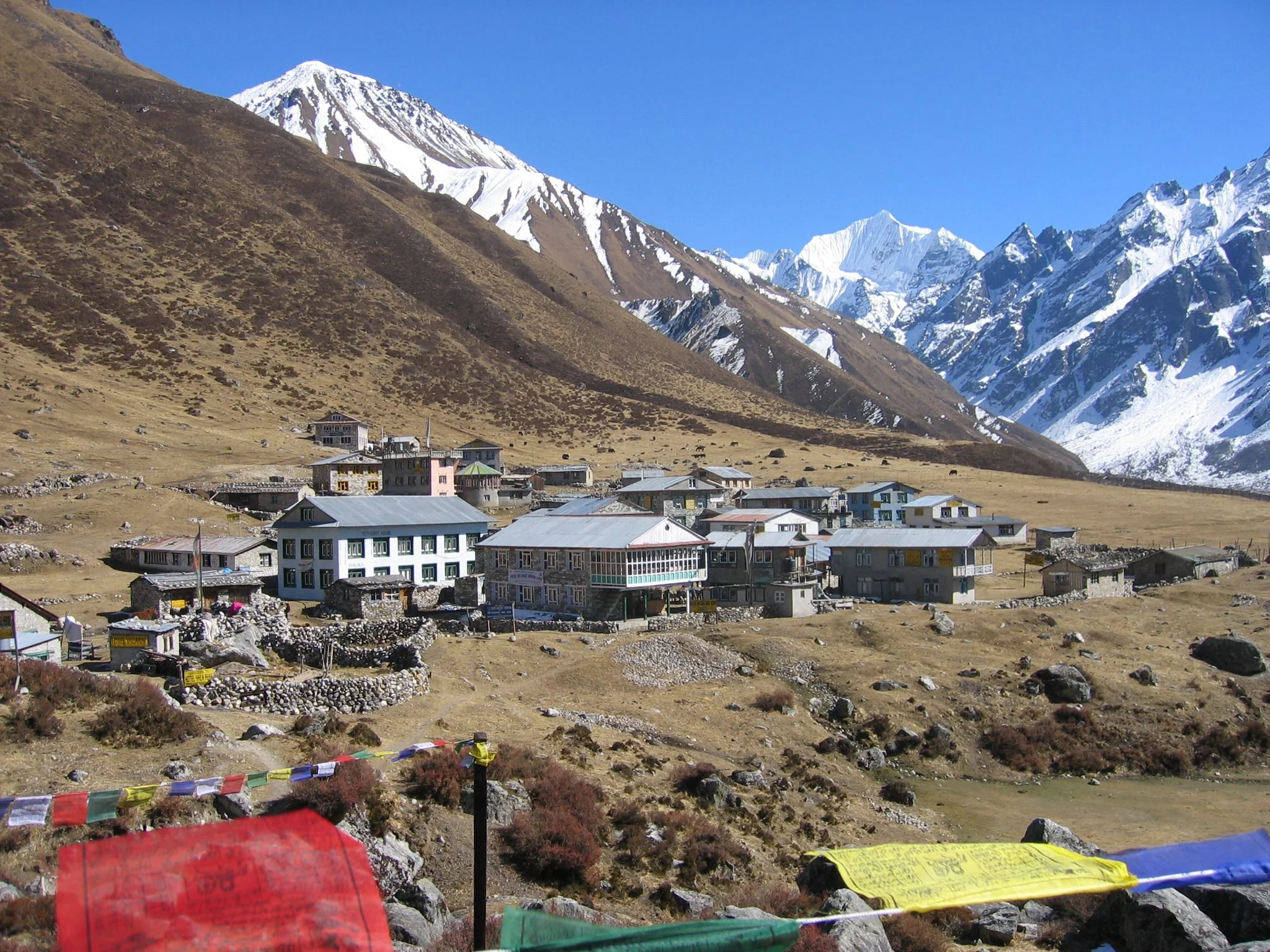
Trekking through the Sherpas’ heartland, that is, Helambu, allows you to experience the lifestyle and culture of these simple folk with sinews of steel. A Helambu trek can be usually completed in a matter of a week and involves staying over in home stays. Actually, it’s perfect for those looking for a less-than-strenuous trek, one that doesn’t go up to high altitudes, and one where the focus is more on days of leisurely hikes through a landscape that is beautiful and refreshing. Of all Nepal treks, the Helambu trek is the one that is most easily accessible from the capital, Kathmandu. It’s a most pleasant walk through a number of Tamang and Sherpa villages, the familiar terraced paddy fields, verdant valleys, and dense forests of oak and rhododendron. And, all the while, you’ll be mesmerized by the sight of the magnificent Himalayan peaks on the horizon.
The route goes from Sundarijal to Chisopani, Kutumsng, Tharepati, Tarkeghyang, Sermanthang, and Melamchi Pul. To begin with, you take a one-and-a-half hour drive to Sundarijal from Kathmandu, where there’s a big reservoir that supplies water to the valley. It’s the place from where your Helambu trek begins. You start hiking for some time before the trail begins to go uphill, passing a lovely waterfall on the way, and then through some rich forests full of oak and pine trees, as well as deep red rhododendrons flowers. You’ll also be walking through small villages of the Tamangs, one of the larger communities in Nepal. By and by, you’ll reach Borlang Bhanjyang, a pass at a height of 2,348 meters above sea level, and then arrive at Chisopani (2,194 m). The day’s trek is for about five hours.
The next day’s hike, which is for about six hours, doesn’t involve much of uphill trekking. As you reach Gul Bhanjyang, another Tamang village, you’ll revel at the sight of the lovely green terraced paddy fields set on the hillsides. Here onwards, you’ll come across a couple of villages inhabited mostly by people of the Brahmin and Chettri communities. You’ll be hiking along some ridges, from where the views are excellent, before reaching the day’s destination, Kutumsang (2,470 m).
The third day’s goal is to trek for some six hours to reach Tharepati (3,510 m), and it’s a more challenging hike than the previous two days’, as it involves hiking long some high pastures where the solitude is pretty striking, since not many villagers are to be found here. You may come across a few woodcutters or shepherds, but on the whole, you’ll enjoy the isolated wilderness. You’ll also be walking through forests on your way to the pastures. Before reaching Tharepati, you’ll come to a chorten located on a hilltop from where you get good views of Jugal Himal and Rowaling Himal.
Day four takes you to Tarkeghyang (2,740 m), and it begins with walking down a ravine, which is quite a steep descent, to arrive at a suspension bridge, and then hiking onwards to Malemchigaon, one of the bigger villages inhabited by Sherpas. It’s a neat village where orchards and fields surround houses with prayer flags fluttering up front. The Sherpa community here has some differences with the Sherpas of Solu Khumbu in the Himalayan region, mostly in the manner of how women dress (red cotton dresses in lieu of Tibetan type dresses). There are also dissimilarities in dialect spoken in the two places. Soon, you’ll reach Melamhi Khola, and from here, you start climbing again to reach Helambu’s biggest Sherpa village, that is, Tarkeghyang, where the houses are made of stone and look quite impressive. This village also has a beautiful gompa with a mammoth prayer wheel made of brass.
The next two days is quite easy walking, the trail being, more or less, a pretty level one. It’s also a pleasant outing, walking as you’ll be through lovely Sherpa villages, burbling clear mountain streams, and cascading waterfalls. You’ll come across many chortens on the trail, and walking along a ridge, as well, before arriving at Sermathang (2,590 m). After this, you begin descending slowly to reach Melamchi Pul (870 m) and then Melamchi Bazaar, from where you drive back to Kathmandu (1,300 m).
If you can afford the time, and you have the inclination to experience the real Nepal at close quarters, then you shouldn’t hesitate to go on this seven-day trek to Helambu. Most trekking agencies have it on their itineraries, and unlike the longer and more challenging Nepal treks, this one should be a cakewalk, one that’s suitable for one and all.
Nepal’s Wonderful Flora
Nepal’s great eco-diversity is due to its amazing climatic extreme—from hot and humid in the Terai to arctic in the Himalayas—all within a mere distance of 200 kilometers.
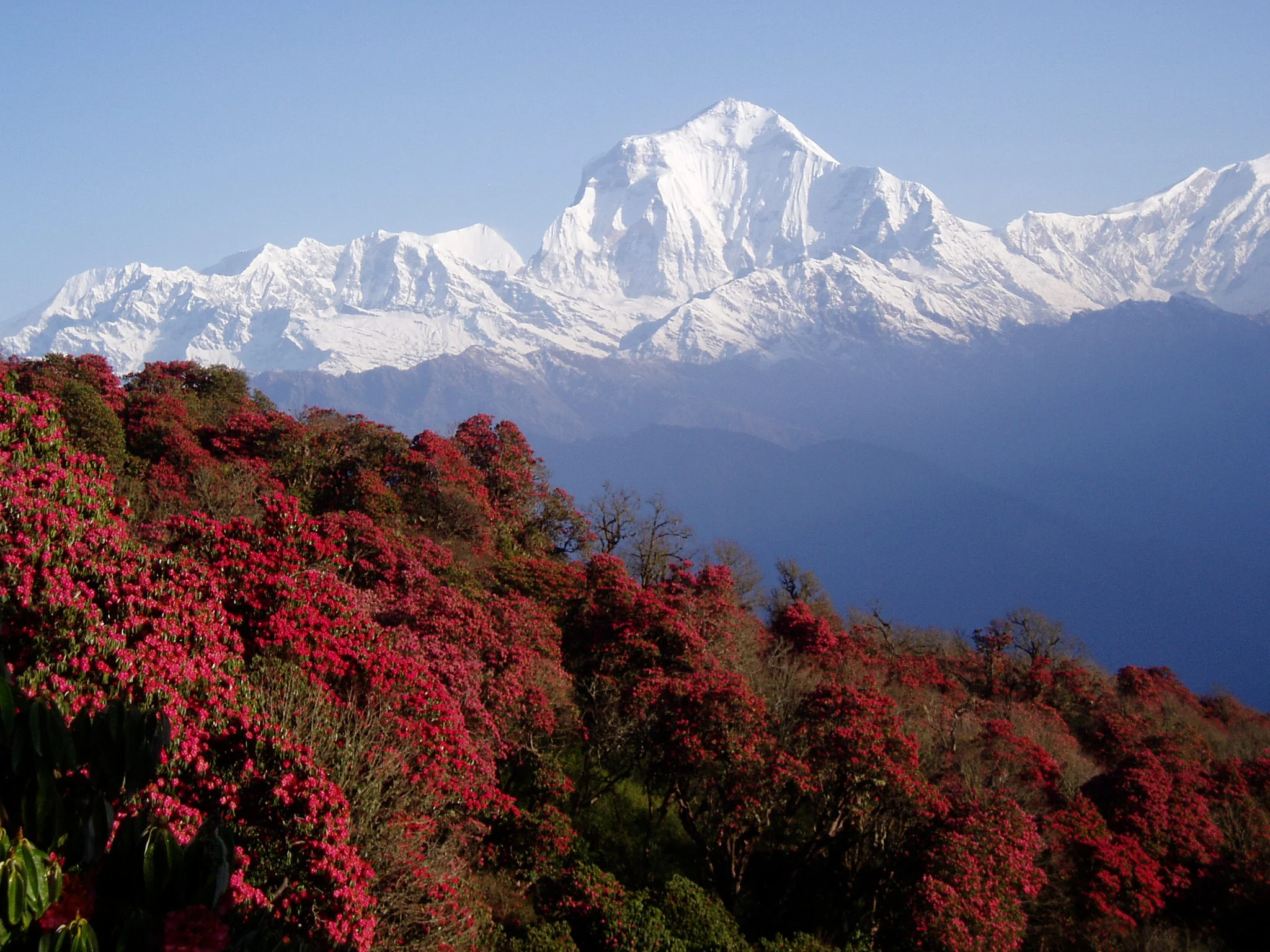
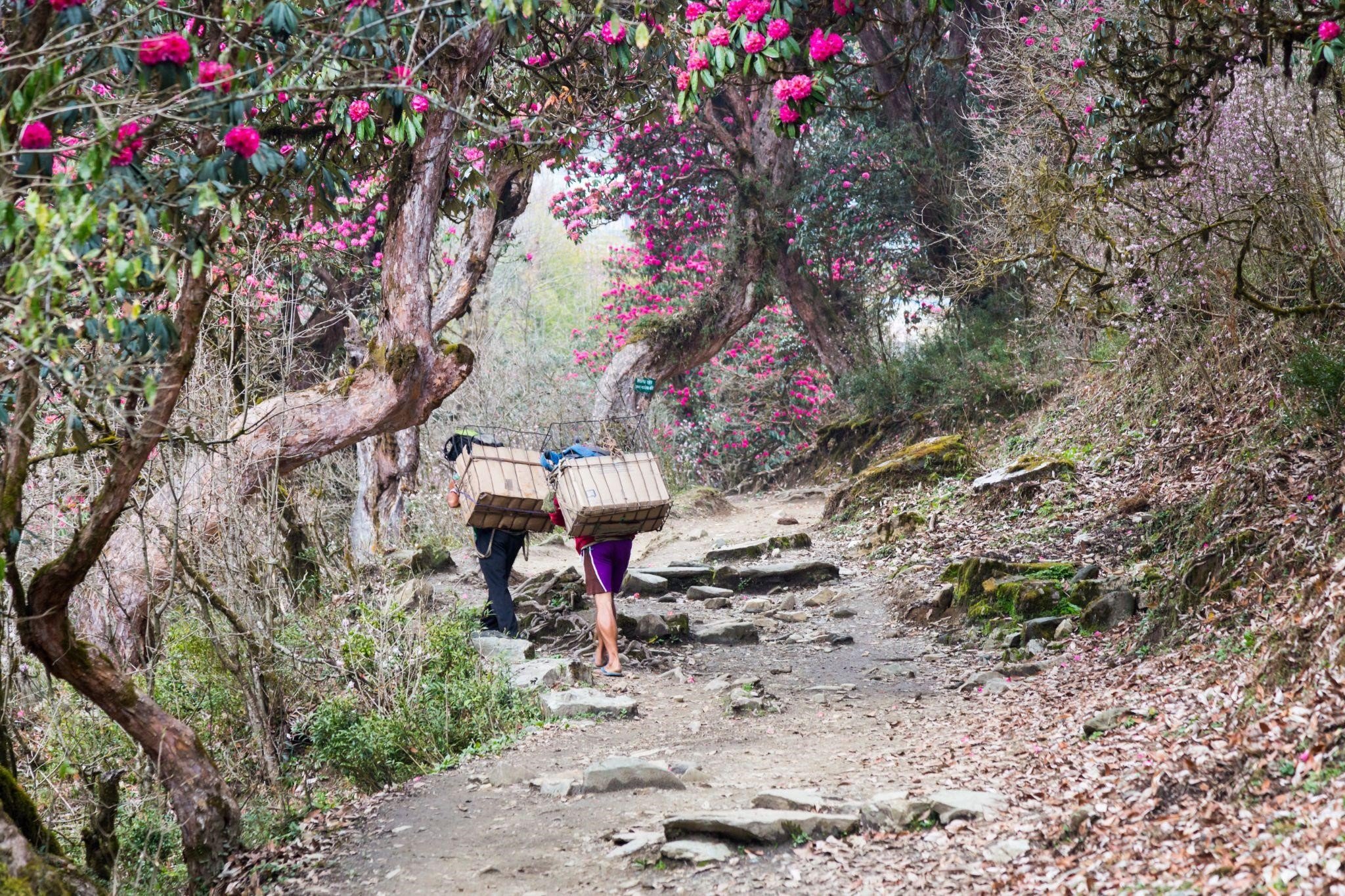
The 'Lali Gurans' (Rhododendron arboreum) is one hardy flower. It can survive, and in fact, flourish even at temperatures of 10 degrees below zero Celsius. Many sub species (over 30) are to be found in the region of the high western Himalayas as well as at lower elevations. Eastern Nepal is also happy hunting grounds for Rhododendrons, especially around the Tophe Lake (3,860 meters) in Taplejung district. If you were to go trekking in the period March to May, you’ll be treated to the glorious sight of whole hillsides colored deep red due to the blooming of innumerous Rhododendron flowers. Not that they are only red in color, you’ll also come across quite a few Rhododendron forests with white and pink flowers along with red (Rhododendron arboreum ssp. cinnamomeum) in the central Himalayan region, and these, too, are as hardy as their first cousin, surviving pretty well at temperatures ranging from -15 0C to -18 0C.
However, it is the rose-red flower that is the national flower of Nepal, and rightly so, considering how much it reflects the vitality of the typical Nepali. Indeed, one cannot conceive of another flower that can claim its proud place as the country’ national flower. You cannot fail to notice this bright red flower in various emblems of Nepal, just pay some heed. As exotic as the Rhododendrons are the orchids of Nepal, of which some 386 varieties have been discovered so far. Known in Nepali as Sunakhari, they are especially abundant in central Nepal. The lovely lake city of Pokhara, because of its abundant rainfall, is where one will find the most orchids, with the epiphytic species being the most plentiful. Alpine terrestrials are to be found at higher altitudes, and it’s during the summer monsoon when one will find them blooming in all their glory. It might be pertinent here to differentiate between the three types of orchids: the chlorophyll-less saprophytes depend on neighboring fungus for nourishment and have little ornamental value. Terrestrials contain chlorophyll and grow in soil, while epiphytes grow on trees, decaying tree trunks, and mossy rocks, deriving nourishment from the humus they grow in.
If you happen to visit the remote mid-western district of Dolpa during a trek, or when visiting the Shey Phoksundo National Park, where is located the deepest lake of Nepal, Phoksundo Lake, keep a sharp eye out for an orchid species known as Dactylorhinza hatgirea. Ask the locals if there are any Panch Aunlles to be seen around the place; that’s the local name for this orchid, and it means, literally, ‘five-fingered’. It’s an orchid that’s highly prized for its ability to impart vigor and vitality. Similarly, other species to look out for are Flickingrea macrei and Pholidota articulate. They are both known as Jivanti (means: giving life) and they, too, have immense medicinal value, and are used in a very popular ayurvedic tonic preparation called Chaywanprash. So, you see, it’s not only that famous aphrodisiac, Yarsagumba, that’s to be found in the rich herbal treasure trove that is Nepal’s hills and mountains.
However, if you are mostly in Kathmandu during your visit to Nepal, do make it a point to visit the Godavari Gardens, which is the country’s national botanical park. It’s just about 12 km from Satdobato in Lalitpur, and a pleasant drive all the way on a smooth asphalted road. Once there, make a beeline for the orchid section where you’ll find about 90 species, among which the most popular are Dendrobium densifloram (Sungava) and Coelogyne cristata (Chandigava). March-April and July-August are the periods when you’ll see many of them in beautiful bloom. It’s all a really beautiful sight; after all, an orchid in bloom is among flowers what the glitter of a diamond is among gems.
Rhododendrons and orchids may be the kingpins as far as Nepal’s flora is concerned, but due to the country having climate that ranges from hot and humid (in the Terai) to arctic (the Himalayas) within a distance of just 200 km, expect to find an amazing diversity in ecology here. According to the experts, this small country has about 7,183 plant species, which include 380 species of ferns alone. One of the most interesting facets of the forests in the Terai is the seven-feet-high elephant grass, while up in the Himalayas, you’ll find the southern face rich in deciduous and deodar forests; that’s because it gets the full force of the monsoon every year. The northern face, particularly Chumle (2,750 m), has an abundance of blue pine forests, and above Ekla Bhatti (2,780 m), you’ll come across steppe vegetation. The Eswa Valley has plenty of fir forests, while on the sub alpine pastures of Tiwa Gairi (3,730 m), you’ll see fields full of marigold flowers.
The country is home to 14 poppy species, which according to researchers is 36% of the world’s species. Now, that’s a high percentage, you’ll agree. (For the record, the 32 species of Rhododendrons found in Nepal constitute some 6% of the world’s species.) Coming back to the poppy flower, you’ll find four species endemic to the country in eastern Nepal, which grow at heights of 3,000 m and above, and include Meconpsis dhowjii and Meconpsis napoulensis. One of the most beautiful poppy species, Meconpsis horidula (the ‘Blue Poppy’) grows in Jaljale at heights ranging from 3,000 m to 5,800 meters. Other notable and interesting flora of Nepal include Bombex ceiba (silk cotton tree) which is found in Kushi (1,300 m), Aconite spicatum, (locally known as ‘Bikha’ due to its poisonous nature) found in Yangle (3,580 m), and Samssurea gossypiphora (cotton ball plant) which is to be found at altitudes of 3,500 m-5,600 m, and the Himalayan Rhubarb, which is found at 3,900 m-4300 meters.
In conclusion, Nepal may be a country small in area but it is a veritable paradise for a diverse and interesting range of flora. This makes the country a prime attraction for nature lovers all over the world, and the abundance of lovely flora is what gives added charm and serenity to those challenging treks that the country is world-famous for.
Top 5 Treks in Nepal
Abundant natural scenery, fantastic ecological diversity, and friendly people go to make Nepal an extremely popular trekking destination.
Statistics show that roughly 4 out of 10 foreign visitors to Nepal go on one trek or the other during their stay here. It’s a high percentage by any standards, and goes to show the global popularity of trekking in Nepal. What makes the country such a favorite for trekking? It’s a combination of many things—abundant natural scenery, fantastic ecological diversity, ancient culture, friendly people—all these and more go to make Nepal an extremely popular destination. What’s more, there are any number of trekking routes to choose from, depending on your age, the time at hand, your physical shape, and the challenges you are willing to undertake. As they say, there’s something for everyone. However, listed below are some of Nepal’s top five treks, in reverse order.
5. Ghalegaun Village Trek: If you want to see the villages of the honey hunters of Nepal made famous by the documentary by photo journalists Diane Summers and Eric Valli, you got to go on this trek. It’s a 10-day trek during which you’ll be hiking through some spectacular landscape that includes inspiring views of the Annapurna range. You get to interact with local Gurung families and experience their simple but hospitable lifestyle. First you drive down to a small town called Besisahar from where the trekking begins, the trail going along the lovely Marsyangdi River to Khudi, nd then its uphill for some 4-5 hours to Ghalegaun (2,016 m). Here, you get to stay with locals, and are treated to a beautiful sunset view of Annapurna and Manaslu. Sunrise, in the early morning, is as absorbing, but you got keep moving, and so, now you hike down to Ghanpokhara and Bhujung (1,500 m), where the waterfalls are simply wonderful, and the rhododendron forests, lovely. Then you got some climbing to do again (3 hours or so) before arriving at a hilltop called Khumre Danda (2,000 m). Then onwards, it’s all downhill to Pasgaun, then the Mandi River, and on to Pakhrikot and Thumsikot, and finally, Pokhara.
4. Imjatse (Island Peak) Trek: This is one trek where you can fulfill your desire to climb an authentic Himalayan peak. Not only that, it’s a trek that will provide you with a fantastic view of Everest. The adventure begins with a 45-minute flight to Lukla (2,800 m), the flight and the landing itself being an adventure by itself, what with the Lukla airport, as well as the descent path, being somewhat of an adrenaline rush. Once you have landed, and sent a thank you to the gods for having done so safely, you start your trek. A trek that will take you across high valleys and glaciers of the exciting Himalayan region; your trek takes you along the Dudh Kosi River, meeting long yak caravans on the way, which will generally be carrying equipments and supplies for some climbing expedition or the other, before reaching Phakding (2600 m).
The next destination is the famous Namche Bazaar (3,450 m), heartland of the Sherpas. You’ll be resting here for a day to allow for acclimatization, and then carry on to Tangboche (3,860 m), then to Dingboche (4,400 m), where you get another rest day to further acclimatize. You’re in the higher stratosphere now, so it’s better not to take any risks. Your next port of call is Lobuche (4,900 m), and then Kala Patthar (5,545 m), from where the view of Everest is legendary. Trekking back again to Lobuche and then Dingboche, you carry on to Chhuking (4,750 m), and finally to Imjatse Base Camp (4,970 m). From her, first you reach High Camp (5,600 m) and then Imjatse Summit (6, 189 m). There, you’ve done it; climbed a Himalayan Peak. Returning the same way you came, you catch a flight back to Kathmandu from Pokhara, and once again are treated to another adrenaline rush.
3. Mustang Trek: Mustang is an arid region in western Nepal that still appears to have retained some degree of mysticism. It was a kingdom in its own right for quite some time. Bordering the great Tibetan plateau, the region is heavily influenced by Tibetan culture and religion. First you drive down to Pokhara (915 m) from Kathmandu (1300 m), and then take a 20-minute flight to Jomsom (2,720 m) from where the trek begins. Your first destination is Kagbeni (2,900 m), known as the gateway to Mustang, which should take around three-and-a-half hours or so. Then it’s onwards to first Tangbe, then Chele (2,900 m), Ghiling (3,510 m), and Charang (3,650 m). Each of these villages is reached in 5-6 hours, and that’s the time you’ll be trekking each day.
You’ll have observed all those Tibetan-styled flat roofed houses on the way, many with sheep’s horns over their doorways, and numerous monasteries, as well as large Tibetan mastiffs tied near doorways. You’ll also see apple orchards, for which the area is famous. Apple pie and apple brandy are specialties you’ll get to taste on the way. Next, you’ll arrive at Charang (3,650 m) before reaching Lo Manthang (3,730 m), the seat of an ancient kingdom. It’s an interesting place to explore, what with its houses made of sun-baked pale colored mud bricks, its narrow alleys, and the palace of the kings of yore. Marang La (4,353 m) comes next on your rout, and from her, its downhill all the way to Ghimi, Samar (3,700 m), and Kagbeni, and then to Muktinath (3,750 m), where you’re likely to meet plenty of pilgrims visiting this holy site. Ay your prayers, pay your respects to the gods at Muktinath, and then continue downwards to Jomsom from where you fly back to Pokhara.
2. Annapurna Circuit Trek: This is regarded as one of the most popular treks by many trekkers to Nepal, and it begins with you taking a 7-hour drive down to Besisahar (via Dumre), the starting point of the trek. You hike along the Marsyangdi River and pass through many Gurung and Tamang villages on the route. Your trek takes you to Bahun Danda (1,310 m), Chamje (1,430 m), Dharapani (1,860 m); the hiking is not that difficult and very, very enjoyable. On day six or seven of your trek, you reach Chame (2,670 m), from the sight of Annapurna is spectacular. You start off for Pisang (3,200 m) the next day, walking through barley fields and apple orchards, and eventually come to a narrow gorge, through which you make your way into upper Mustang. Come morning, and you’re off to Manang (3,540 m). You’ll come across chortens and mani walls everywhere, and in Braga village, you’ll see an impressive looking gompa on the hillside above a number of Tibetan style houses below. Your spirits uplifted by the imposing view of Annapurna II (7,937 m), III (7,555 m), and IV (7,525 m). A day’s rest at Manang is called for now to allow for acclimatization. Having done so, you hike to Leder (4,260 m), then to Throng Phedi (4,450 m), and finally reach Throng La (5,416 m).
After Thorung La, the trek is much easier, taking you down to Muktinath (3,800 m), Jomsom, Tukche (2,590 m), Ghasa (1,970 m), and Tatopani (1.189 m). You’ll go through the Kali Gandaki gorge, and that’s something, since it’s said to be the world’s deepest ravine. The next day, you climb up to Ghorepani (2,750 m), nearby which is Poon Hill, from where the sunrise and sunset views are fantastic. From here, you stroll down to Pokhara.
1. Everest Base Camp Trek: This trek is the one most in demand for trekking in Nepal, more so since it has been touted as “one of the things you must do before dying” by some popular magazine. Lukla is your starting point, which you reach after a 45-minute flight from the capital. It’s trek that will take you through astounding mountain scenery that consists of pretty Sherpa villages, verdant fir and colorful rhododendron forests, and walk over high and swinging suspension bridges, while on the way you’ll come across picturesque caravans of yaks and zobkyos (yak-cow crossbreeds), their backs loaded with equipment and supplies of climbing expeditions.
Your first destination is Phakding (2,600 m), which is a 5-hour hike, and after that, Namche Bazaar (3,450 m), which also takes 5 hours to reach from Phakding. One day’s rest is mandatory here, so as to acclimatize to higher altitudes, and you can use this day to explore Thame Valley. Then it’s on to Tengboche (3,860 m) and then Dingboche (4,400 m), where again you get a rest day that you can use to visit the lovely Chhukung Valley. Near Tengboche, look out for a line of rock formations, some rocks having metal plaques on which are inscribed the names of mountaineers and trekkers (some as commemoration of their visits, and some in memory of those who had died here).. Then you trek to Lobuche (4,900 m) and Gorakshep (5,150 m), before reaching Everest Base Camp at 5,337 meters. On the way to Lobuche from Thukla, at Dughla, you’ll see similar memorials, which are also present around Gorakshep and at upper Pangboche on a ridge. They serve as poignant reminders of the risks involved as well as the joys of trekking and climbing the high Himalayas.
That, then, constitutes some of the most popular trekking routes in Nepal. All promise adventure and a once-in-a-lifetime experience that is unparalleled by any other sporting activity in the world. Trekking in Nepal demands the best from you physically and mentally, and it promises you excitement and discovery.
Fascinating Wildlife of Nepal
Nepal has a rich diversity of exotic wildlife that includes many endangered species, and which can be seen at its many wildlife parks and reserves.
It is common knowledge that Nepal is home to a significant number of the endangered one-horned rhinos (Rhinoceros unicornis), the preservation of which is a continuous effort of the government. Most of them are to be found in Chitwan National Park, with some in Bardiya National Park, and smaller numbers in Suklphanta Wildlife Reserve. Rhinos can weigh up to 2700 kg each. It is also common knowledge that the country has quite a number of the splendid Royal Bengal tigers (Panthera tigris bengalensis) which call the abovementioned parks their home. Males can weigh around 235 kg while females weigh about 140 kilograms. Both are magnificent animals, and visitors at the parks consider themselves fortunate to see them in the wild.
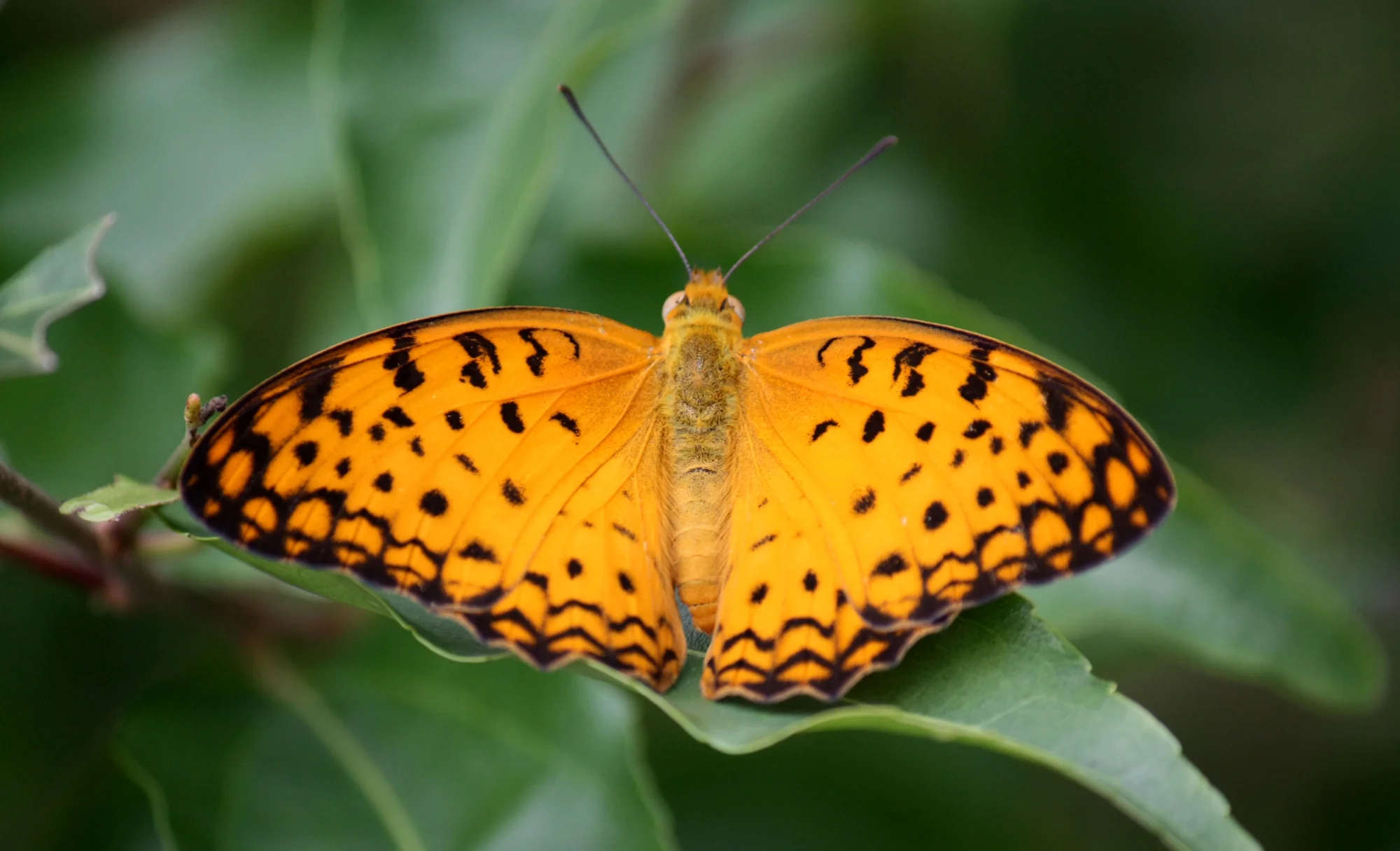
What is less known is that Nepal is also home to some 650 species of butterflies, which is a hefty 4.2% of the global population. Similarly, there are about 870 species of birds in the country. Thirty-five species, including the barn owl, the Eurasian large owl, the Lesser Adjutant Storhoi, and the white-rumped vulture are in the globally endangered list. The Indian Sarus crane, a migratory species which comes to Nepal annually from Dar Es Salam in Africa, is also on the red list of the International Union for Conservation of Nature (IUCN).
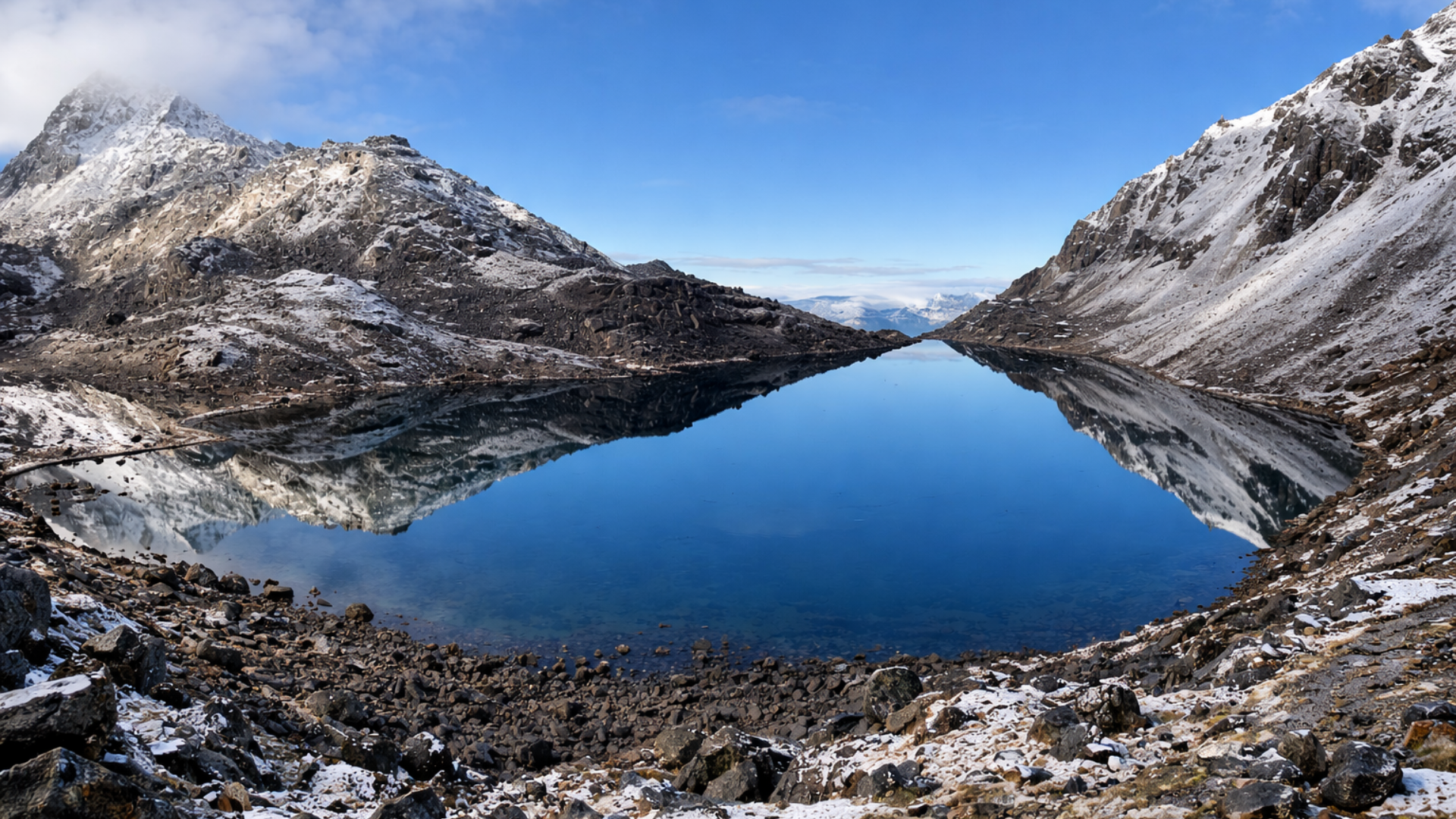
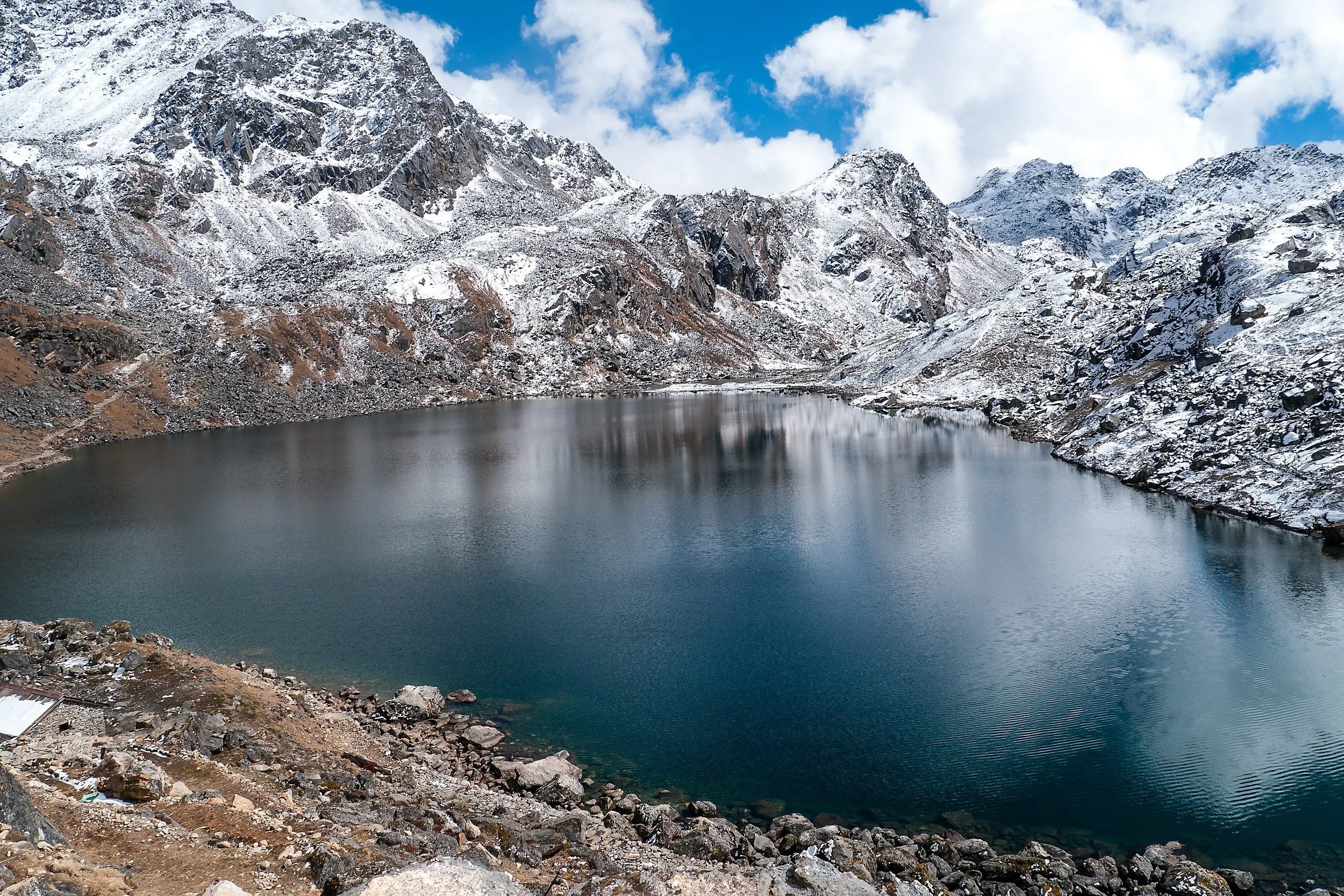
There are nine wetlands (Ramsars) in different parts of the country, all excellent sites for bird watching. Among these, Koshi Tappu (17,500 h) in eastern Nepal is the largest, as well as the first Ramsar to be developed, in 1987, with Gokyo and associated lakes in Solukhumbu being the second largest. Beeshazar and associated lakes (Chitwan), Ghodaghodi Lake (Kailali), Rara Lake (Mugu district), Gosainkunda and associated lakes (Rasuwa district), Jagadishpur reservoir (Kapilvastu), Mai Pokhari (Ilam), and Phoksundo Lake (Dolpa) are the others wetland sites. Clearly, bird watchers have the choice of a diverse range of sites that offer a large variety of bird species.
Particularly interesting are species like the Himalayan Griffon vulture, the black kite, and the Lammergeuer (called the protector of the Himalayas). Also found in the high Himalayan region is Nepal’s national bird, the Monal pheasant (Lopophorus impejanus), known as danfe locally, one of the most colorful among a large number of other pheasants that are as colorful. Adult males are multihued with metallic green crests; females, in contrast, are a dull brownish in color. A danfe in dance is a lovely sight, with its spread-out wings and tail feathers showing off a fantastic range of beautiful colors.
Coming back to mammals, the Suklaphanta Reserve has the country’s largest herd of swamp deer (locally known as Bara Singhe), while the last surviving population of the country’s water buffalo (Arna) are to be found in Koshi Tappu. Some of the world’s largest cattle, the Gaur bison, have been seen in the Churiya hills in central Nepal. The beautiful snow leopard can be found at heights between 3,000 to 5,500 m in places like Mustang, Dolpa, and Humla, while the Himalayan blue sheep (Bharal), which has characteristics of both the wild sheep and the goat, but is not blue, can be seen at altitudes over 4,000 meters. They are extremely sure-footed and have curved horns.
When talking about Nepal’s exotic mammals, how can one forget to mention the sturdy yaks (Bos grunniens), even if they may not be considered as wildlife? These thick-coated animals, blessed with extraordinarily strong lungs, can weigh up to 550 kg each. Found at altitudes up to 6,000 m, yaks are man’s best friends in the high Himalayan region, carrying heavy loads, plowing fields, and providing rich milk and meat, besides wool (for clothing), dung (for fuel), and hide (for making leather goods). Even their bones are put to good use to make artifacts, while their hair and wool goes towards the making of ropes, tents, blankets, and sacks. Doorways of homes are decorated with their horns (to ward off evil spirits), the tails make good dusters, and their blood is regarded as a cure-all for many ailments. Males are called yaks while females are known as naks (or driks) in the Sherpa language, and when they are crossbred with cows, the offspring are called dzo (if male), and dzomo (if female).
Another of Nepal’s interesting wildlife is the gharial (Gavialis gngeticus), a rare crocodile with a bulbuous growth on the nose of males. It is an endangered animal that can be seen in Chitwan National Park, where they have a breeding program for the species. This rich diversity of exotic wildlife makes Nepal a highly desirable destination for animal lovers, and the country has made good efforts with the help of international organizations, towards its conservation. Accordingly, the country has nine national parks and protected areas. The former includes Chitwan, Bardiya, Sagarmatha, Annapurna, Langtang, Shey Phoksundo, Khaptad Dhorpatan, and Rara National Parks, while the latter includes Koshi Tappu, Parsa, and Shukla Phanta Reserves.
Traveling in Nepal, Some Unusual Tips
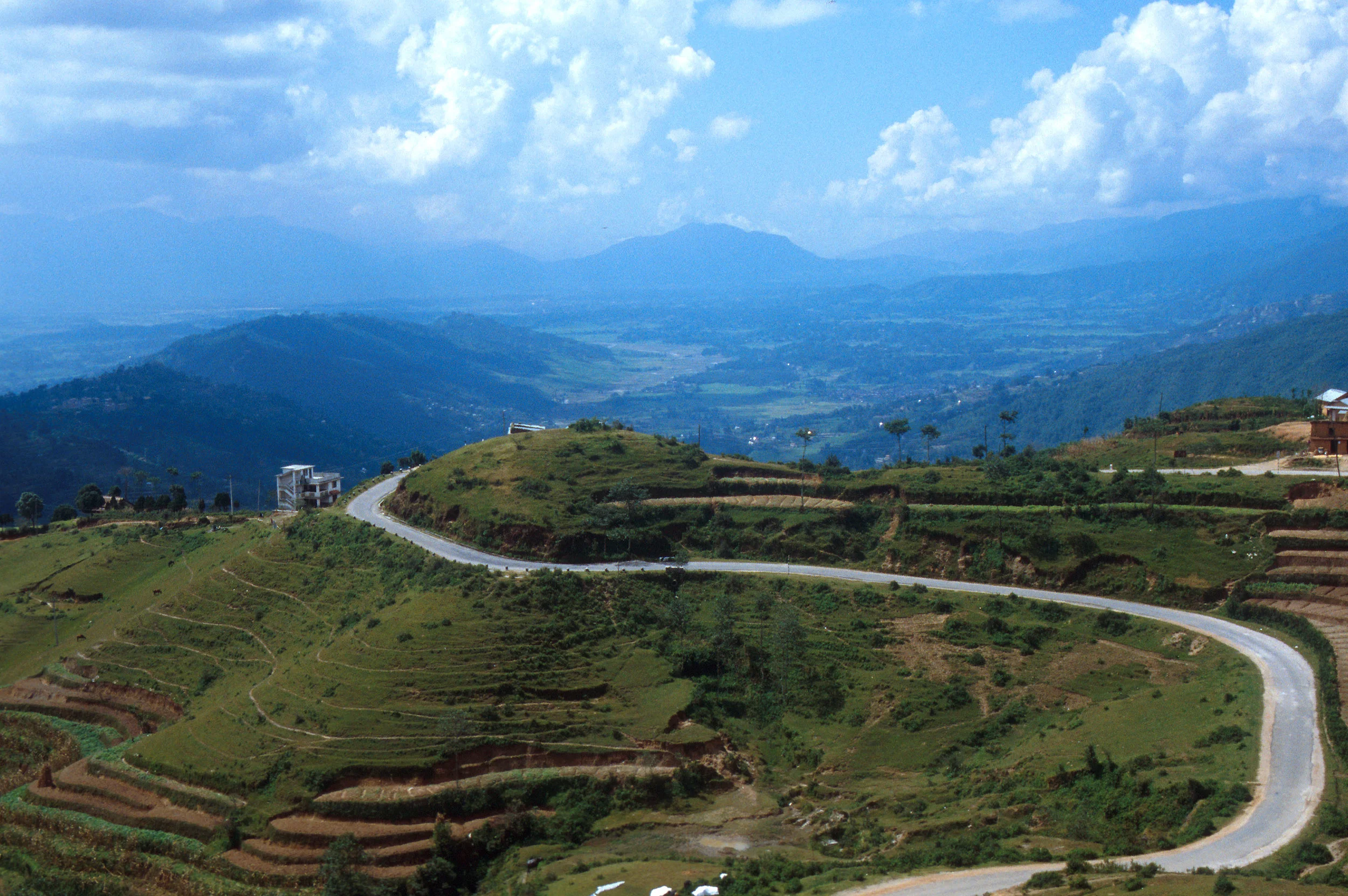
Though we hear a lot about certain times of the year being the best times to trek/travel in Nepal, many believe that anytime is a good time for trekking/traveling in Nepal. This is because the country has a wide range of climatic diversity, from the sweltering heat of the Terai to the arctic conditions in the high Himalayas, with pleasant temperate weather in the hills and valleys in between. Depending upon when one wants to visit, one can choose where to go according to the season.
One thing that must be said for traveling/trekking in Nepal is that no matter what kind of upheavals and struggles are going on (the bane of developing countries), there have been practically no known cases of travelers/trekkers being harassed, and in fact, even at the height of the 10-year Maoist insurgency (1996-2006), trekking went on as usual. Those adventurous souls out on the trails during that period surely must have had an extra spring in their steps, not knowing what awaited them over the next hill!
you’ve surely heard a lot about certain times of the year being the best times to trek/travel in Nepal, but let me hasten to say that anytime is a good time for trekking/traveling in Nepal.
Anyway, all this is not to say that you should leave everything to chance; there’s actually very little chance of that happening if you are being looked after by a competent agency, of which there are plenty in Kathmandu. Now, before proceeding further, here’s some food for thought: you’ve surely heard a lot about certain times of the year being the best times to trek/travel in Nepal, but let me hasten to say that anytime is a good time for trekking/traveling in Nepal. This is because the country has a wide range of climatic diversity, from the sweltering heat of the Terai (plains) in the south to the arctic conditions in the high Himalayas to the north, with pleasant temperate weather in the hills and valleys in between. So, depending upon when you arrive, you can choose where to go according to the season.
Just to recapitulate on the seasons here, there are four: spring (March-May: warm and dusty with rain showers), summer (June-August: dominated by the monsoon), autumn (late September-November: cool with clear skies), and winter (December-February: cold at night and foggy in the early mornings, but afternoons are mostly clear; occasional snow in the mountains). As for the monsoon, it begins in June and continues up to September. Autumn is the peak tourist season, and during this time, the trekking trails, particularly the more popular ones, become quite crowded. So, it’s worth a thought to plan a trip during the off-season months so that you get to enjoy the much-talked about solitude of the Himalayan trails, and revel in the natural beauty for miles and miles with not many souls around to disturb your reverie.
Give a thought, too, to a sojourn of the country during the monsoon. For a fact, Pokhara, the most beautiful of all Nepali cities, gets the most rainfall during this time. But it’s a curious fact you won’t find any place in the city that’s waterlogged even during the heaviest downpour! That’s because the city is located on a mass of gravel, a result of flash floods due to an earthquake in the Annapurna region long ago, and water immediately gets soaked into the ground. There’s a river, the Seti, which flows deep beneath the city, and probably all that rainwater flows into it. Fascinating stuff, all this, so why don’t you plan a trip to this lovely city during the rainy season? Doubtless, all that cleansing rain is surely going to make the surroundings all the more verdant and the environment more invigorating. There’s plenty of trekking routes starting from here, including one to Dhampus, some 23 km from away, which was once the only gateway for treks to Annapurna Base Camp, Machhapuchchhre Base Camp, Annapurna Sanctuary, Jomsom, Mustang, Ghandruk, Ghorepani, and Poon Hill. Famous names, all.
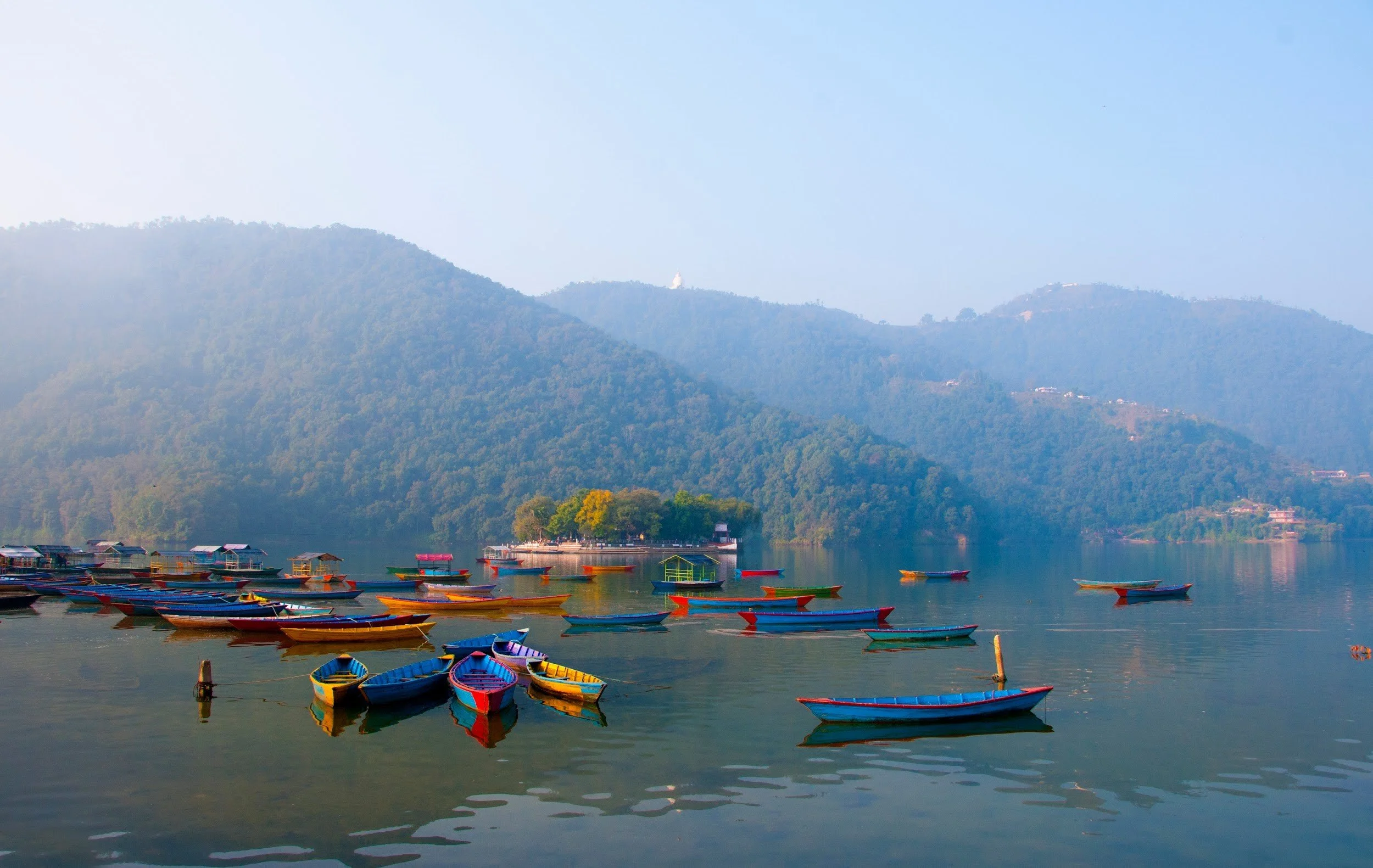
You might also know that the pride and joy of Pokhara, beside its awesome Machhapuchchhre Himal (Fishtail Mountain), is Fewa Tal, a huge lake that reflects the deep green color of the surrounding lush greenery. Boating is what you do here, and it’s real fun, but what would the experience be like doing it when it’s raining? Could be pretty interesting, is what we say; you’ll need a large-sized umbrella and a raincoat, of course. All this talk about Pokhara and its many charms is to emphasize that it’s a city that could be worth visiting even during the rainy season. A couple of excellent hotels in Pokhara have special monsoon packages every year, so you could go for that. You’ll get a good deal, undoubtedly, since it’s officially the off-season. Well, make it your season, and aside from saving precious bucks, you’ll be gathering a bagful of tall tales to take back home.
The jungles of Chitwan, home of the renowned one-horned rhino, now, that’s another place that will have added charm during the monsoons. That’s of course if you are not the kind to be fazed by minor stuff like leeches and so forth. Anyway, wear knee length boots, and you should be all right for the most part, and it will be, as they say, a walk in the park, the Chitwan National Park. Only, in this case, you’ll be walking through a park that’s been designated a UNESCO world heritage site because of the fantastic biodiversity of its flora and fauna. Aside from the endangered one-horned rhino, this famous wildlife reserve also has quite a few royal Bengal tigers, and the snout-nosed gharial, along with many other animals. Elephant rides are the order of the day here, and around the park are some resorts that are simply out of this world, including some world-famous names.
Well, so much for tips for trekking/traveling to Nepal for the moment. There really aren’t many tips as such, because like said before, aside from the usual precautions and preparations, which your trek/travel agency will anyway arrange for you, it’s actually how far off the beaten track you wish to go that really matters, and in such a case, all we can say is, expect the unexpected!
SIMILAR POSTS


Himalayan Ecology at Risk
The effects of global warming on the high Himalayas are becoming more visible by the day and poses great risks to the fragile mountain ecosystem.
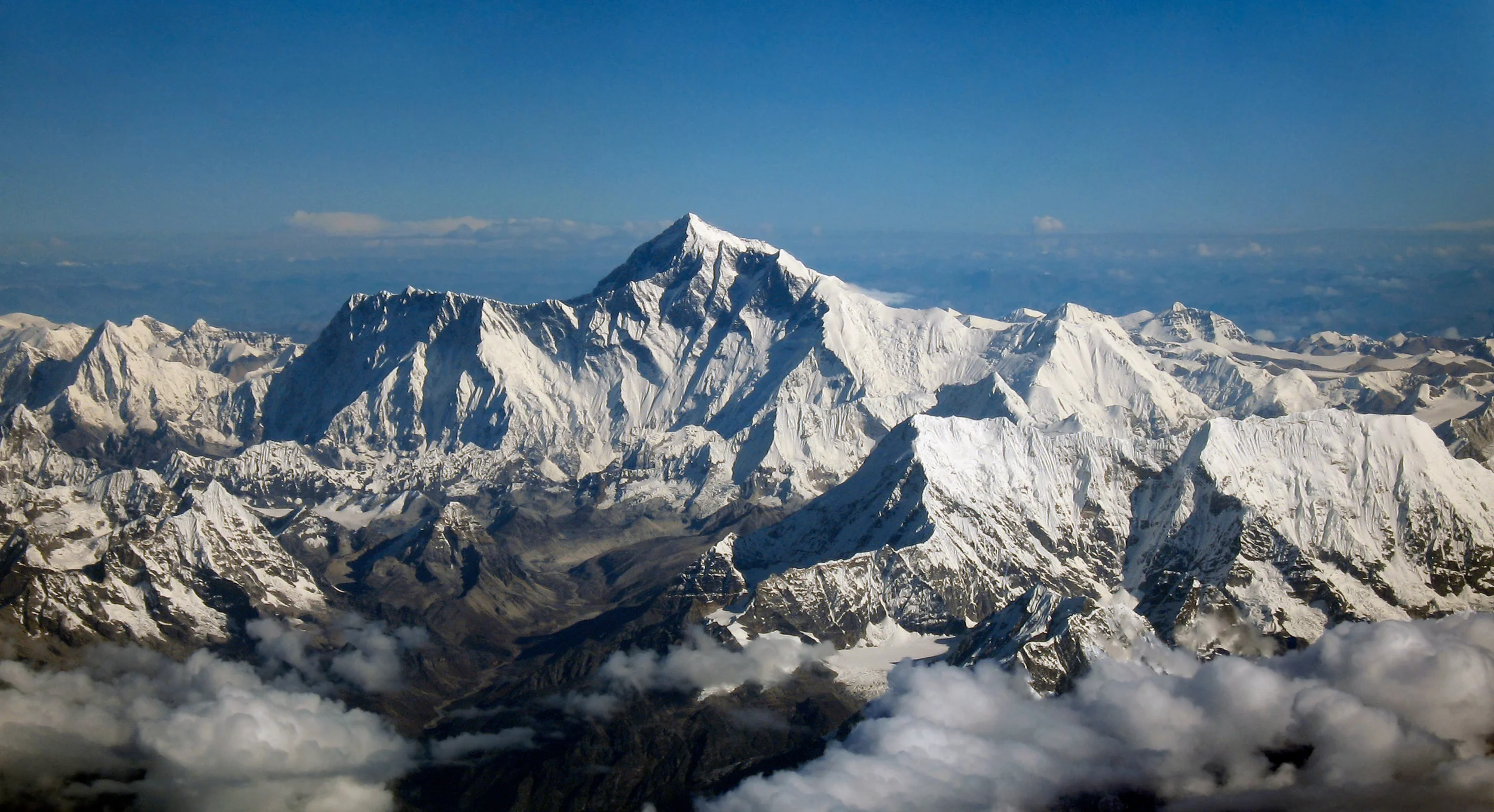
While Nepal may have its fair share of shortfalls, there is no denying that it is a magnet for all mountaineers the world over, simply because the country has Mount Everest, the ascent of which is the ultimate test for any climber worth his/her salt. Not only that, Nepal also has a significant number of the world’s tallest peaks. The exploits on the high Himalayas feature prominently and regularly on the world stage; and they could be not only for good reasons, but also for the bad. In recent times, the headlines haven’t been of the good kind.
Here’s one dated May 20, 2014 (http://goo.gl/NIj9CT):“Global Warming Threatens More Deadly Everest-Like Avalanches”. The report goes on to say that “mountaineering tourism in Nepal faces a threat from global warming as melting glaciers feed the risk of more deadly disasters such as the avalanche on Mount Everest that killed 16 people last month.”
This is not something new; there have been umpteen discussions on the subject of global warming vis-à-vis the Himalayas. This latest tragedy will perhaps give added impetus to the issue of global warming and its effects on the fragile ecosystem of the Himalayas. Stretching for about 3,500 km between Afghanistan and South China, the surface area covered by the Himalayas is a vast 1,000,000 square kilometers. Eight-hundred kilometers of this vast chain of immense mountains, the central part, lie in Nepali territory. It consists of over 1,300 peaks of 6,000 m and above, which includes eight of among the world’s 14 highest mountains. Implication: anything that happens to this part of the Himalayas is certain to have substantial significance to the rest of the world.
These ice-clad mountains are an integral part of Nepal’s geography and ecosystem, which, by any standard, is diverse to the extreme, going from 70 m in the Terai (the plains) to 8,848 m (that is, Mount Everest, the highest point on earth) across a short distance of about 75 km only. You can travel from the sweltering lowlands bordering India to the frigid slopes of the Himalayas bordering China in a jiffy, and numerous ethnicities (about 100), cultures, and lifestyles are other factors that add to the diversity. The plains folk are fortunate in that they live on land that is pretty suitable for agriculture, but mountains folk have to really break their backs eking out a living from the rocky mountain terrain.
Coming back to ecology and the Himalayas, it has been in the limelight for quite some time now, particularly when the talk veers around to global warming. Global warming’s effects are beginning to be seen in a quite visible manner; mountaineers and experts state that one is liable to see more of rocks nowadays, in contrast to the comforting cover of virgin snow in days gone by. Conclusion: the melt down of snow is occurring at a faster pace now. Authorities say that, since ages ago, over 3,000 glaciers have been counted in the region, but over the last century, an equal number of glacial lakes have been formed. Conclusion: the melt down of glaciers, along with snow-capped peaks, are occurring pretty rapidly.
Risks of glacial lake outbursts have increased manifold, which could lead to massive floods causing a lot of destruction to the local inhabitants. The risks of avalanches and rock-falls have also increased greatly because of the rapid melting of the mountain snow. This obviously does not bode well for climbers; additionally, they are coming across significantly larger numbers of exposed rocks on climbing routes, which besides consuming more energy to traverse through, are also more difficult to walk on. All this means that climbers now need to further gear up the technical aspects of their mountaineering skills.
Global warming and its effects on the high Himalayas is, no doubt, the central issue when talking about dangers to the fragile mountain ecology. However, there are other issues that threaten life in the mountains as significantly, and these are the issues to do with manmade environment degradation. The Himalayas is a magnet for visitors from around the world. Besides ever-increasing numbers trying to climb different peaks every season, trekkers, too, are increasing by the day, with newer trails being discovered (opened) to provide extra novelty and challenge.
Trekkers and climbers, both, are invariably accompanied by many guides and porters, and the routes take many days to be navigated through. Many nights are passed camping on the way, which means that a lot of firewood will be used; this in turn means that the forests are threatened. Deforestation is an ever present danger. Mountain tourism is an important part of Nepal tourism, and it is also a significant consumer of forest wood. As it is, flora and fauna of the Himalayan region, many of which are rare and endangered species, are in danger due to human transgressions; deforestation further decreases their chances of surviving into the future.
Overcrowding in camp sites is common, and this results in problems of waste and garbage disposal. There have been many complaints about plastic materials, empty bottles, and aluminum cans littering the trails. In fact, this issue has come into the spotlight on many occasions, and garbage accumulation on Everest, particularly, has often been featured prominently in global media as the most telling example of manmade degradation of the mountain environment. From time to time, this has prompted ambitious clean-up campaigns. The "Save the Everest Mission" organized by Everest Summiteers' Association (ESA) in 2011 succeeded in collecting 8.1 tons of garbage from Everest and its trails. That’s a lot of garbage! Well, the signs are there. Cleaning up after the act is not always a probability, and if you add global warming to the picture, what you get is a situation that’s very, very dangerous to the fragile ecosystem of the Himalayan region.
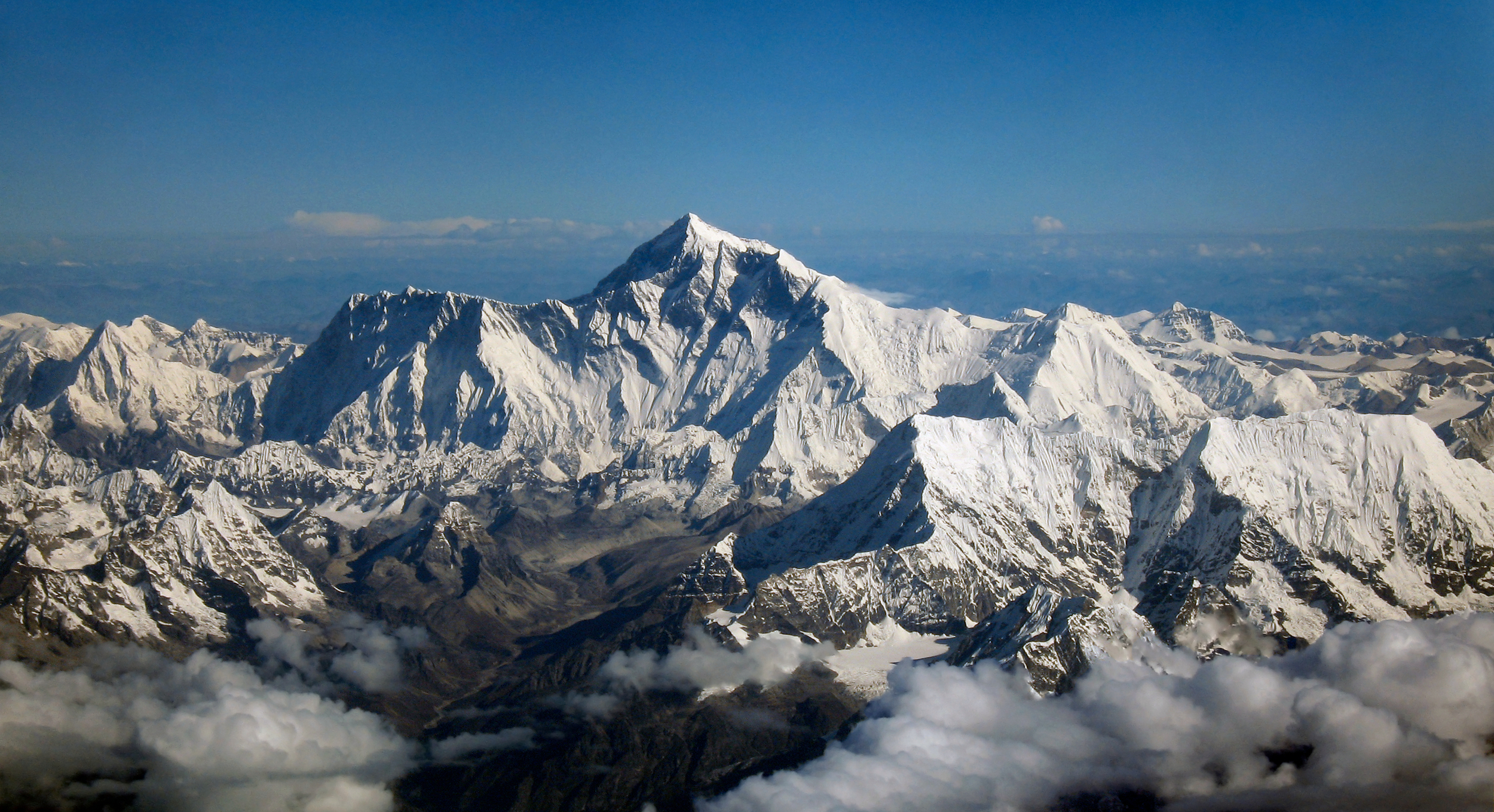
This trek is specially designed to reach the Everest Base Camp including Kala Pattar which is the best view point to view the sunrise over the high Himalayas including the Mt. Everest. This trek requires 13 days.
USD 1515 PER PERSON -- TWIN ROOM SHARING BASIS