
Exploring The Hills
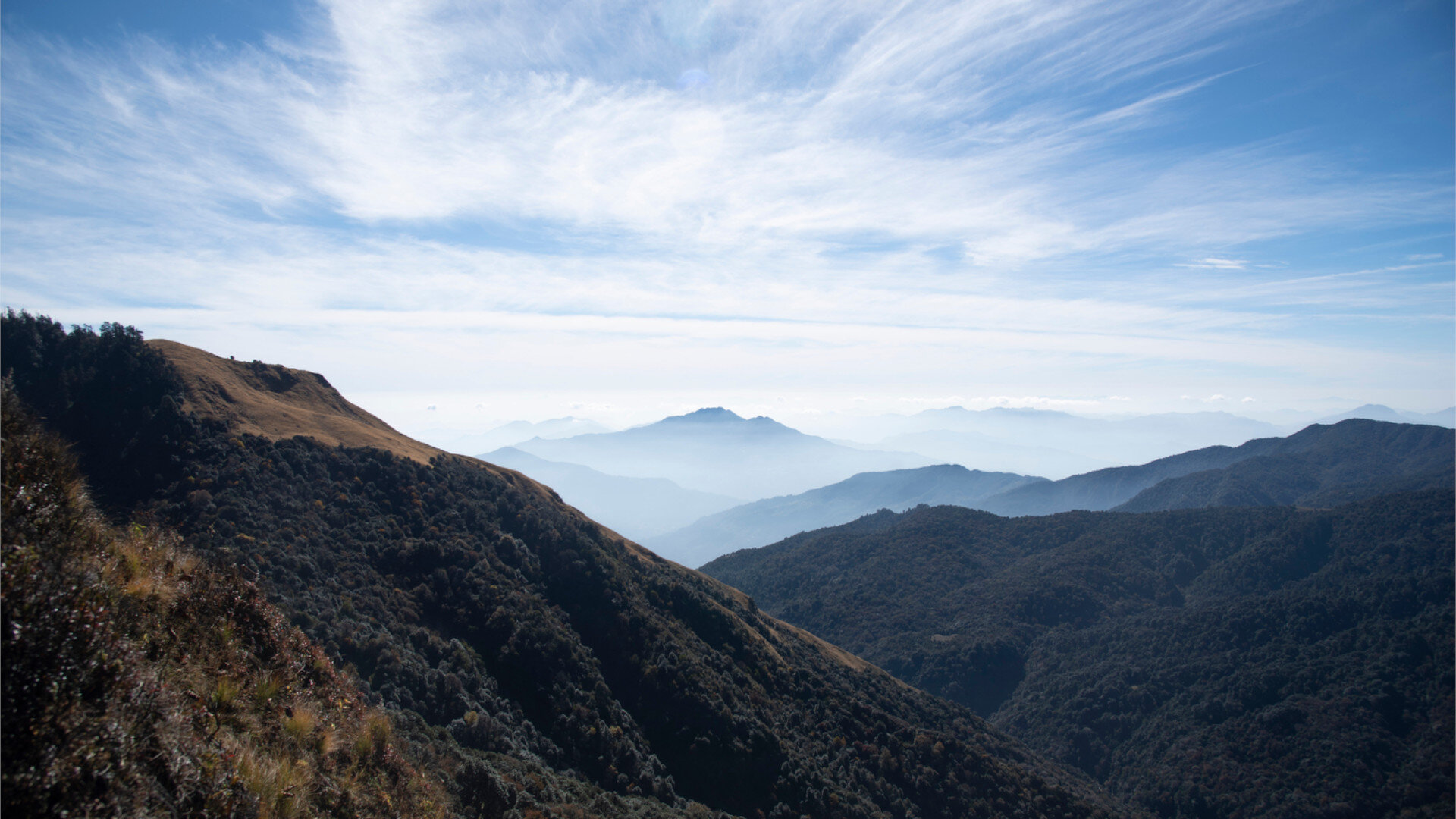
Nepal is known for its spectrum of diversities. From culture, ethnicities, geography, to food. Here lies a bit of paradise in every nook and corner you choose to explore. Mentioned below are four must-visit travel destinations in the hilly region of the country for you to add to your next travel season.
Ilam
Shivapuri national park
Daman Hill Station
Lamjung
Nepal is known for its spectrum of diversities. From culture, ethnicity, geography, to food. Here lies a bit of paradise in every nook and corner you choose to explore. Mentioned below are four must-visit travel destinations in the hilly region of the country for you to add to your next travel season!
Ilam
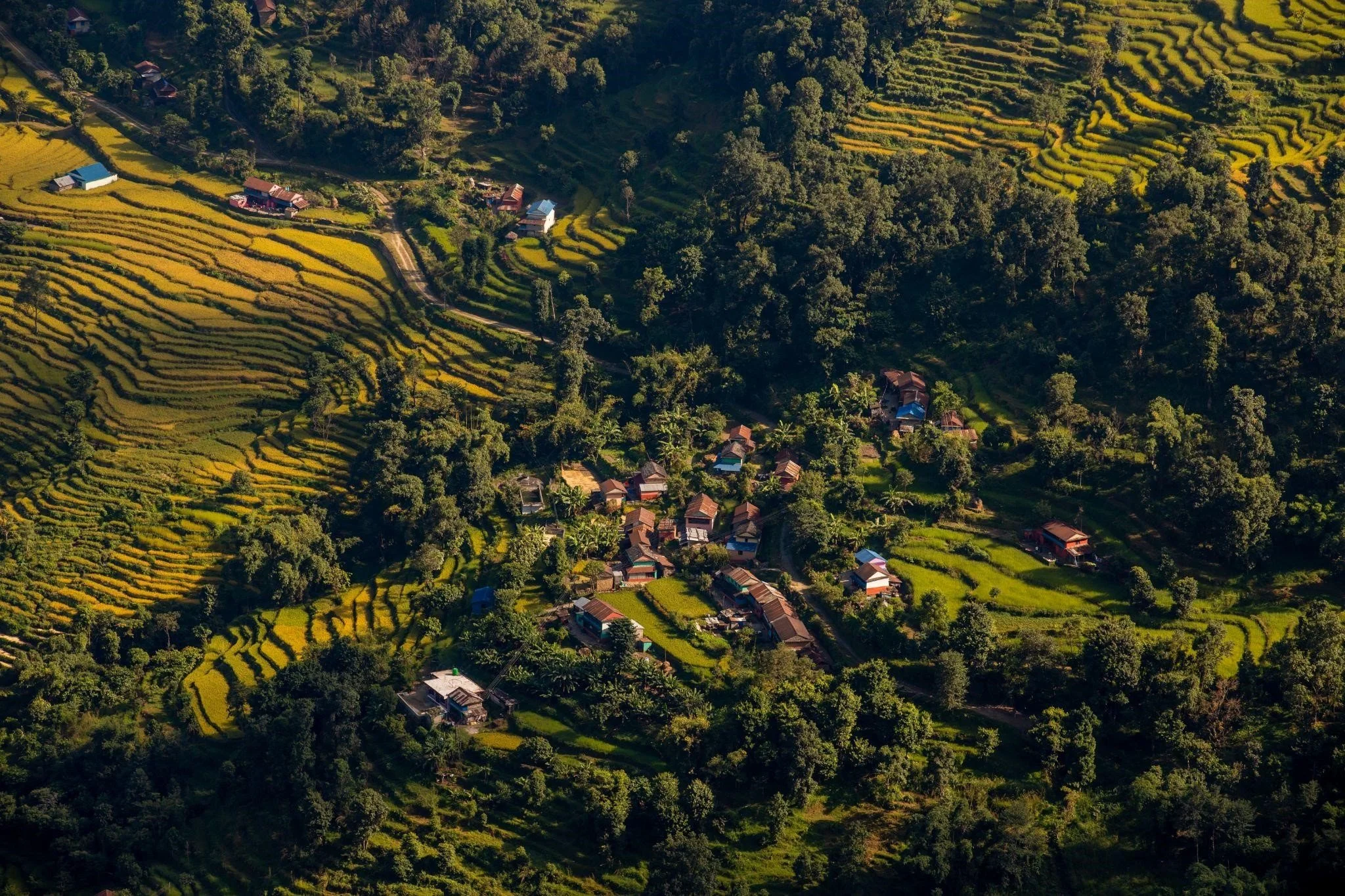
Along the green hills of the Mahabharata range of East-Nepal lies Ilam, the largest tea production region of Nepal. With the perfectly polished greenery spread all over, Ilam is a natural escape. The beautiful sloping view of the tea gardens all over the hills, surrounded by the peaceful mountain streams, dense forests, and religious sites make the entire experience here like something straight out of heaven. It is a diverse district when it comes to natural landscapes and prosperous when it comes to crop cultivation.
Some of the popular places to visit here are the viewing tower situated near the town and Mai Pokhari an hour away from the central city. You can start either by taking a brisk walk through the elegant tea garden or go for a short hike to the woods nearby. You can spend your day sightseeing through the culturally diverse lifestyle of the city as well. In terms of accommodation, lodges, tourist hotels, and a few resorts are eager to welcome travellers.
Shivapuri National Park
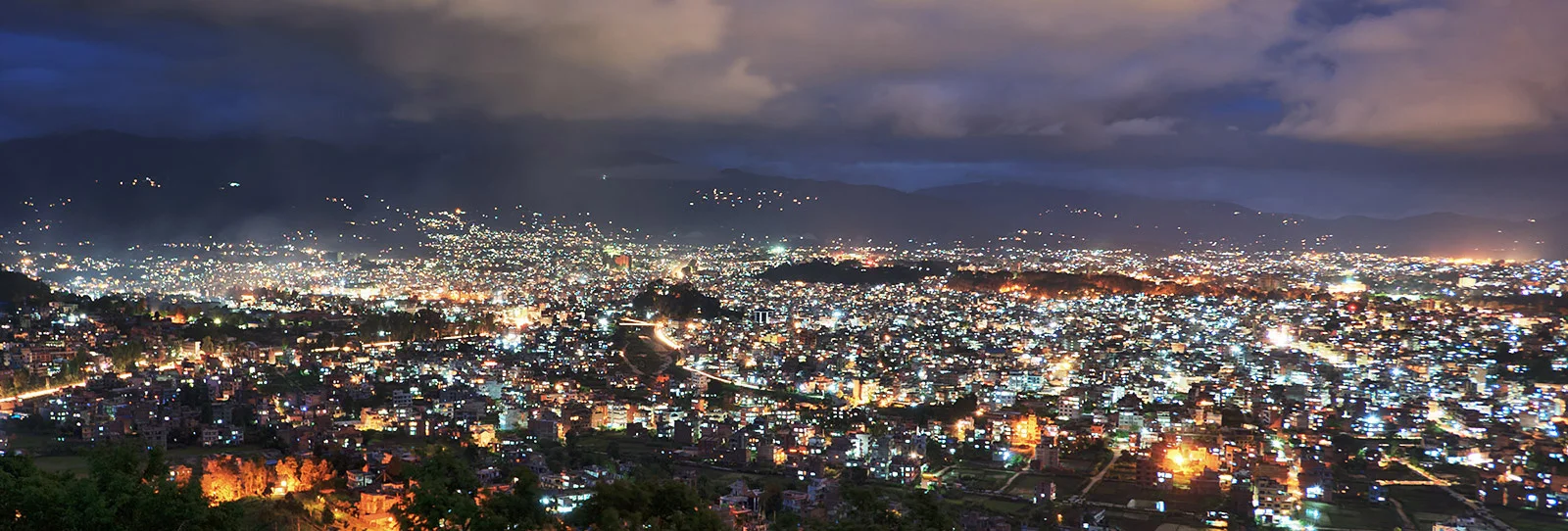
If you are looking for a break from the bustles of the city and want to explore more of nature, maybe take some risks along the way, Shivapuri national park is the place for you. Situated on the northern side of the capital Valley, Sundarijal is roughly 25km away from the capital, Kathmandu.
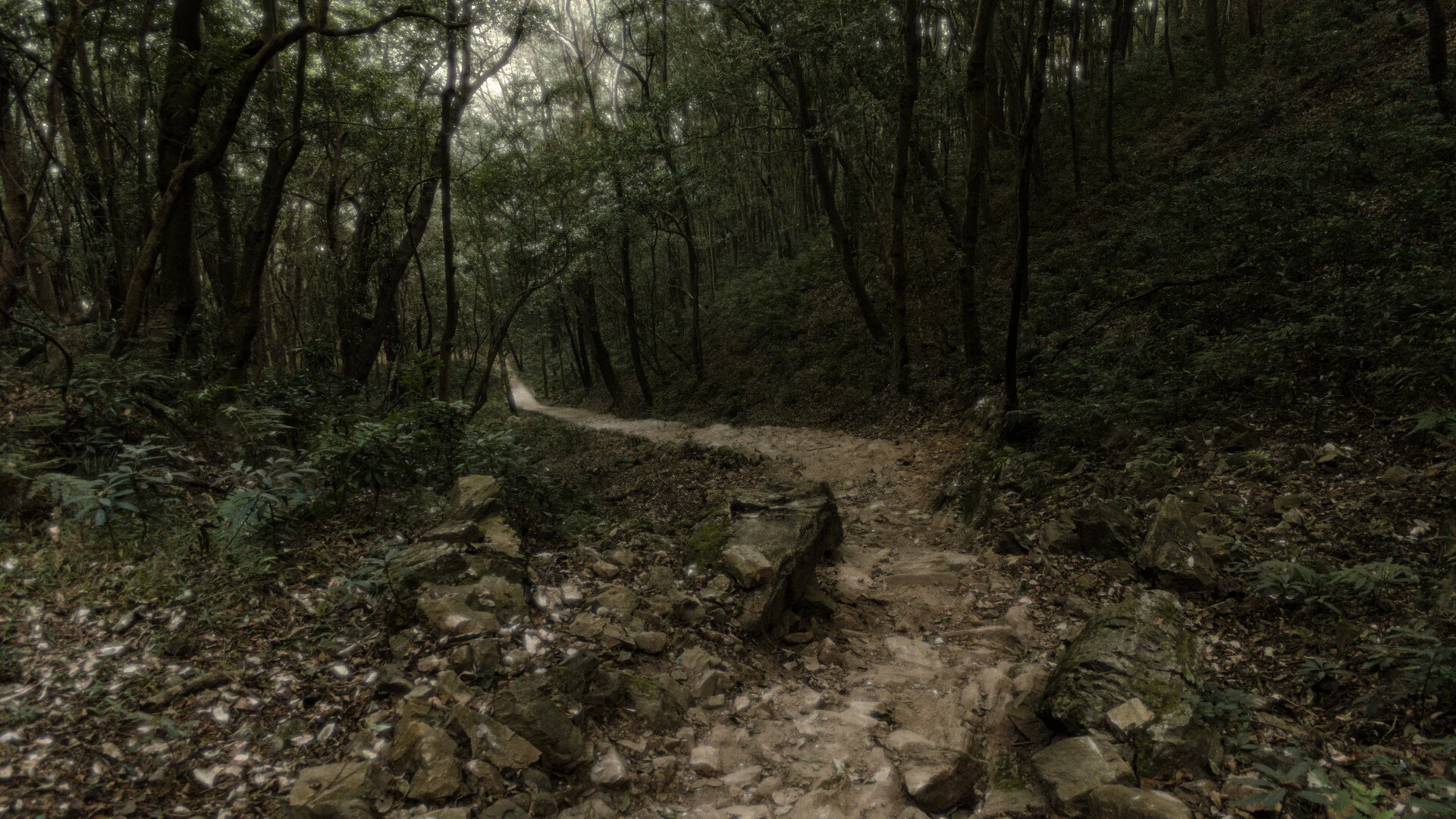
It is probably the most natural place for a morning hike with friends and family in the outskirts of Kathmandu valley. One can either drive or plan a one-day long hiking trip through the park. The glistening parade of thousands of leaves around you and the sight of small waterfalls leaves you at awe. Shivapuri national park gives you a feeling of being so far, yet so close to your daily lives.
Daman Hill Station
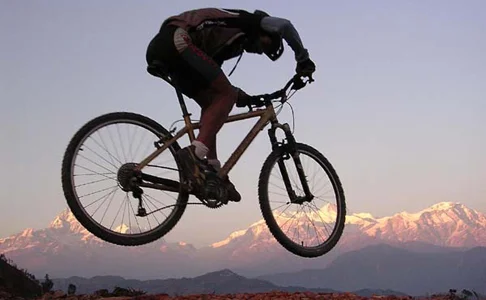
Another must-visit place along the capital hills of the country is Daman Hills. Situated in the southwest Tribhuvan Highway, 80km away from the Valley, Daman is one of the best places for a short getaway trip from the valley.
It offers you a panorama view of the hills with the Himalayas in the background, from Mt Dhaulagiri at the west to Mt Everest at the east. At the same time, you get the chance to reflect and connect with the beautiful local culture by visiting the villages around the corners. This hill station is also particularly famous for picnics, rock climbing, cycling, hiking, and other adventurous activities. Moreover, it includes one of the biggest and oldest botanical gardens in Nepal that attracts hundreds of visitors over the years, and the popular Shivan Temple, Risheshoe Temple is also situated here.
Daman is easily accessible via public and private mediums of transportation. It is also a popular cycling and hiking destination. Similarly, in terms of accommodation, the hill station offers community homestay, tourist hotels, and lodges. And the best time to visit is around the Spring or Autumn, where it is not too hot and not too cold for your convenient travel experience.
Lamjung
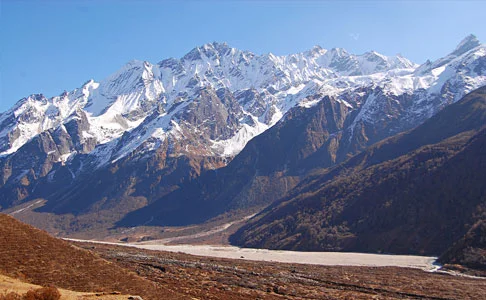
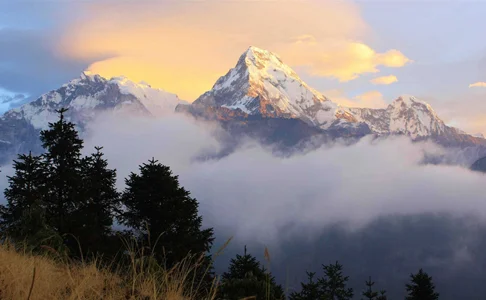
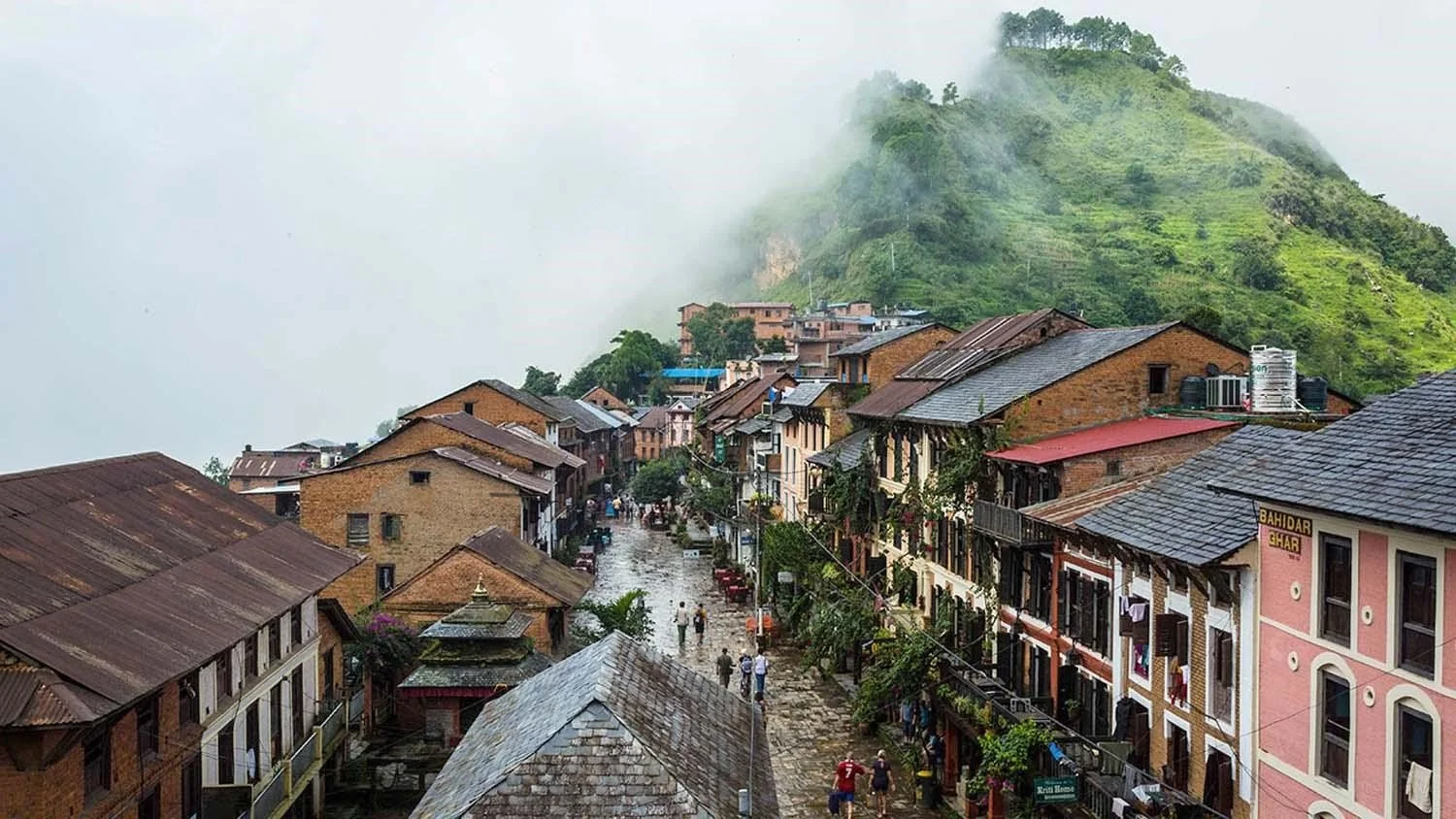
Every region has its own culture and art to offer, and there is always something for us to learn from them. Lamjung is a region nestled in the beautiful mid-hills of Nepal, which provides more than just a natural escape but also a cultural experience. It is truly a gift of all that nature has to offer as its geography spans seven climate zones: Upper Tropical, Subtropical, Temperate, Subalpine, Alpine, Nival, and Trans-Himalayan.
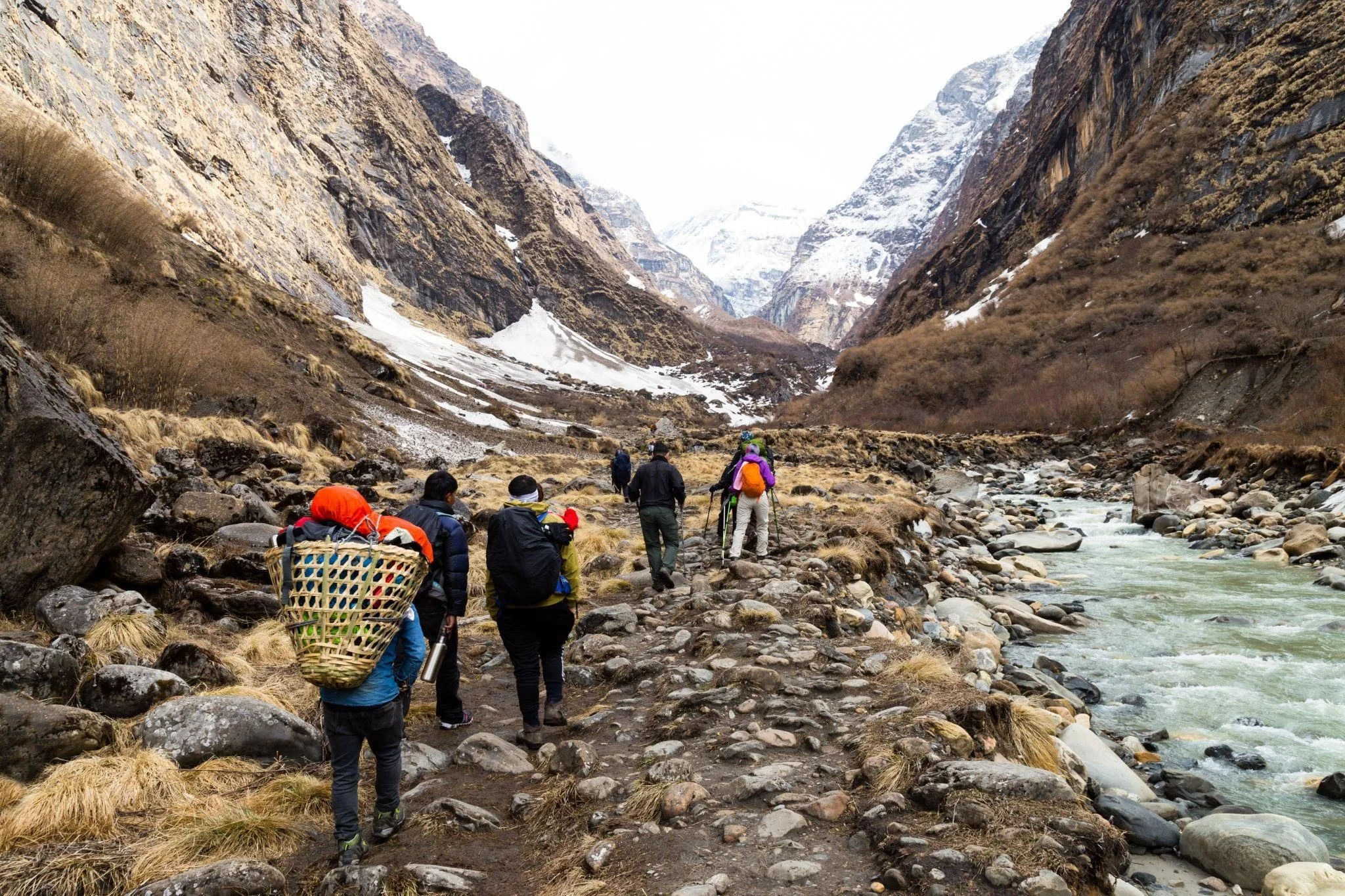
The district headquarter, Besishahar is a name that resonates with all adventurists who have treaded the Annapurna region and is the gateway to experiencing the majestic Himalayas, beautiful landscapes, and warm ethnic love. The ancient Lamjung Durbar, which is, as a matter of fact, one of the extensive historical monuments, is also situated here at Gaunsahar, Besishahar Municipality. On your trip to Lamjung, this particular historical shrine is a must-visit place since the beautiful multi caste settlement of Besishahar can be seen from up here, surrounded by the greenery of the hills covered by the wide Himalayan range.
The beauty of the region is reflected through the local Gurung people and their traditional norms, food culture, and interpretation of folk dance numbers around that give life to the villages and cities.
POPULAR ITINERARIES
SIMILAR POSTS
Hiking Trails In & Around Kathmandu Valley - Part II
We explored the scenic hiking routes of Shivapuri National Park and Sankhu to Bajrayogini Hike. Shivapuri National Park is one of the closest national parks to the capital that offers a natural trail filled with water bodies, flora, and fauna. And Shanku, a historic Newar settlement, one of many checkpoints in the old trade route to Tibet that over time has managed to keep its ancient roots alive.
Brisk weather coupled with a scenic ambience is the perfect setting to indulge in a beautiful hike. The Kathmandu valley has numerous destinations featuring such chemistry, where one can rekindle their spirit in nature and experience serenity. These hikes range between three to six hours and can be coupled with your existing itinerary to enhance the experience.
In part II of this article, we explore the scenic routes of Shivapuri National Park, and Sankhu to Bajrayogini Hike.
Shivapuri National Park
Altitude: 2563 metres
Duration: 5 hours to Shivapuri Hill ( Hiking from Budanilkanta) or a 25-minute drive to Nagi Gumba and 2-hour hike to Shivapuri Hill
Highlights: Lantang Himalayan Range, Bagdwar (Origin of Bagmati), Nagi Gumba, water bodies, flora and fauna.
One of the closest national parks to the capital, Shivapuri National Park offers a natural trail filled with water bodies, flora and fauna at proximity to an urban area.
The most popular route of this region begins from Budanilkanta temple, 8 kilometres north of Kathmandu. The temple features a sleeping statue of Lord Vishnu carved out of a single stone, according to legends. This temple holds great religious significance for citizens of Kathmandu valley and followers of Hinduism. After viewing the temple premises and receiving blessings; one may begin his/her journey. A fair trial of 2 to 3 hours shall lead you to Nagi Gumba: a Buddhist monastery. 2 hours further into the trail you, shall reach the highest viewpoint of the park. Panoramic views of Kathmandu with the Himalayan range in the background towards the north make this destination worth the hike.
With a total trek time of 5 hours, Shivapuri hill hike averages as a day hike. Hikers are requested to equip themselves with essentials such as bottled water, snacks, energy bars, raincoat and a first aid kit. The trail can be rated average with a few challenges such as steep inclines, steps and narrow paths.
The itinerary can also include Sundarijal, which brings the total duration of the hike to 6 hours from Budanilkanta. ‘Sundari’ translates to beautiful and ‘Jal’ water from Nepali to English. Sundarijal, a village located in Gokarneshwar Municipality: is a true oasis in an urban jungle.
An escape to Sundarijal features tantalizing encounters with waterfalls, water bodies and native wildlife. The river Bagmati originates from this region and holds great social, communal and religious significance to the citizens of the valley. It is also a prime source of drinking water for the valley of Kathmandu.
Fifteen kilometres (9 miles) north-east of Kathmandu, Sundarijal falls west of Gagalphedi; east of Nayapati and Baluwa and north of Aalapot. The northern portion of Sundarijal falls within Shivapuri National Park.
Sundarijal’s biodiversity consists mostly of pine, oak and rhododendron. The region maintains an average temperature of 25.5º C in summer and 0º C during the winter. Wildlife such as Himalayan black bear, leopard, jungle cat and rhesus monkeys are sighted. It is also home to 177 species of birds amongst which nine endangered. One hundred two species of butterflies also call this region home.
Sankhu to Bajrayogini Hike
Duration: 2-3 hours
Highlights: Newari Culture, Bajrayogini temple, Milarepa Meditation Caves
Sankhu is a historic Newar settlement that over time has managed to keep its ancient roots alive. The town is 16 kilometres from Kathmandu and was one of many checkpoints in the old trade route to Tibet (Lhasa).
The hike begins from Sankhu, which is an hours drive from Kathmandu. Unlike other trails mentioned in this article, this one is cultural rather than natural. The trail features panoramic views of hills and farmscape but, the highlights are the ancient Newari architecture, monuments and temples.
The duration of the trail depends upon how you choose to spend the day at Sakhnu. Generally, the hike from Sankhu village to Bajrayogini temple is around 45 minutes one is always free to wander and experience the township of Sankhu and its offerings.
POPULAR ITINERARIES
SIMILAR POSTS

Hiking Trails In & Around Kathmandu Valley - Part I
Brisk weather coupled with scenic ambience is the perfect setting to indulge in a beautiful hike. The Kathmandu valley has numerous destinations featuring such chemistry, where one can rekindle their spirit in nature and experience serenity. These hikes range between three to six hours and can be coupled with your existing itinerary to enhance the experience.
Brisk weather coupled with scenic ambience is the perfect setting to indulge in a beautiful hike. The Kathmandu valley has numerous destinations featuring such chemistry, where one can rekindle their spirit in nature and experience serenity. These hikes range between three to six hours and can be coupled with your existing itinerary to enhance the experience.
In part I of this article, we explore the destination of Champadevi one of the highest viewpoints in Kathmandu Valley along with a hike from Nagarkot to Changu Narayan Temple in Bhaktapur.
Champadevi Hill
Altitude: 2,285 metres
Duration: 3 to 6 hours depending upon the trail taken
Highlights: Scenic pine forests, religious monuments such as stupas and monasteries, panoramic mountain views
Situated in the south-eastern corner of Kathmandu Valley, parts of this hill lie in the district of Makwanpur. Reaching the summit of Champadevi has several routes, but the most popular is through the Dollu Valley. A natural pine forest with grassy ridges creates a great ambience along with brisk weather even during peak summer.
Simple hiking gear with amenities of snacks, bottled water is recommended for this trip. During the monsoon, hikers must be cautious of leeches, if not protected correctly they can cause hinderance.
The route begins from Haatiban; the well-trodden trail makes it easy to follow. This route takes around three hours to Champadevi and back. Averaging 2,285 metres in altitude a day with perfect weather allows majestic panoramic views of Mt. Dhaulagiri, Annapurna, Manaslu, Ganesh Himal, Lantang Himal, Jugal Himal along with the Gaurishanker mountain range.
Another route to Champadevi begins from an outskirt town called Pharping which is 14.7 kilometres from the city of Lalitpur. The hike from Pharping to the summit of Champadevi also averages a total of three hours.
The summit is also reachable from the roads near Taudaha Lake. This route isn’t the most popular as one has to hike dirt roads until they reach the forest area. The trail from here is steep and leads to the point of Hattiban. Totalling 4 to 6 hours, it is best one begins the hike from Haatiban itself rather than Taudaha.
To reach the starting destination of this hike one can take the bus which leaves from Old Bus Park near Thamel. One should search for the bus that heads to Dakshinkali; get a ticket and disembark at points of either Haatiban, Pharping or Taudaha.
Nagarkot to Changu Narayan Temple
Altitude: 2,175 metres
Duration: 4 to 5 Hours
Highlights: Nagarkot Panoramic Hiking Trail, Sunrise & Sunset view, Changu Narayan Temple, Buddhist and Hindu monuments, mountain views
Nagarkot has gained popularity amongst the citizens of Kathmandu valley to being a quick and easy destination to escape the city life. Thirty-two kilometres from Kathmandu valley, the drive to Nagarkot is close to an hour. Nagarkot itself has multiple hiking trails one can experience, with the Nagarkot Panoramic Hiking Trail being the most popular. Famous for offering a vista; magnificent sunrise and sunset and panoramic views of the snow-capped Himalayas. The ranges of Annapurna, Manaslu, Ganesh Himal, Lantang, Jugal, Rolwaling, Mahalangur and Numbur are sightable along with the Kathmandu valley given proper weather conditions.
Enthusiasts, however, can hike from Nagarkot to Bhaktapur via Changu Narayan to spice up the trip.
After experiencing what Nagarkot has to offer and a nights rest, one may begin the hike to Changu Narayan in the morning. Taking up to four or five hours, the trail from Nagarkot is well-trodden and mostly downhill. Offering picturesque views of mountains, hills that surround Kathmandu Valley; Himalayan mountain ranges; scenic villages; ancient temples and Kathmandu valley this hike comes to an end at the Changu Narayan Temple.
Dating back to the 4th century, Changu Narayan Temple is one of the oldest temples within the Kathmandu valley and holds the utmost significance. The main temple is dedicated to Lord Vishnu, regarded as the preserver in the Hindu triad (Trimurti). The principal shrine dates back to 325 AD. The premises also features the oldest stone slab dating back to the 5th century featuring inscriptions from the Licchavi Era of Nepal Mandala.
Four kilometres from the city of Bhaktapur, one can savour traditional Newari cuisine overlooking the architectural marvels at Bhaktapur Durbar Square post-hike. One can easily catch a bus back to Kathmandu from various bus stops around Bhaktapur.
To know more about Changu Narayan: Click Here
POPULAR ITINERARIES
SIMILAR POSTS
Oases In An Urban Jungle - Part II
Looking down upon the Kathmandu valley from various viewpoints, the rapid urbanization at times feels like an urban jungle. Towering buildings, widening roads, and shrinking open spaces has left little room for citizens and visitors to experience nature and its wonders. Discovering lush greenery, vibrant flora and sound of flowing water is as close to stumbling upon an oasis.
Looking down upon the Kathmandu valley from various viewpoints, the rapid urbanization at times feels like an urban jungle. Towering buildings, widening roads, and shrinking open spaces has left little room for citizens and visitors to experience nature and its wonders. Discovering lush greenery, vibrant flora and sound of flowing water is as close to stumbling upon an oasis.
Mentioned below are a few such sanctums which invoke solace and tranquillity.
Taudaha
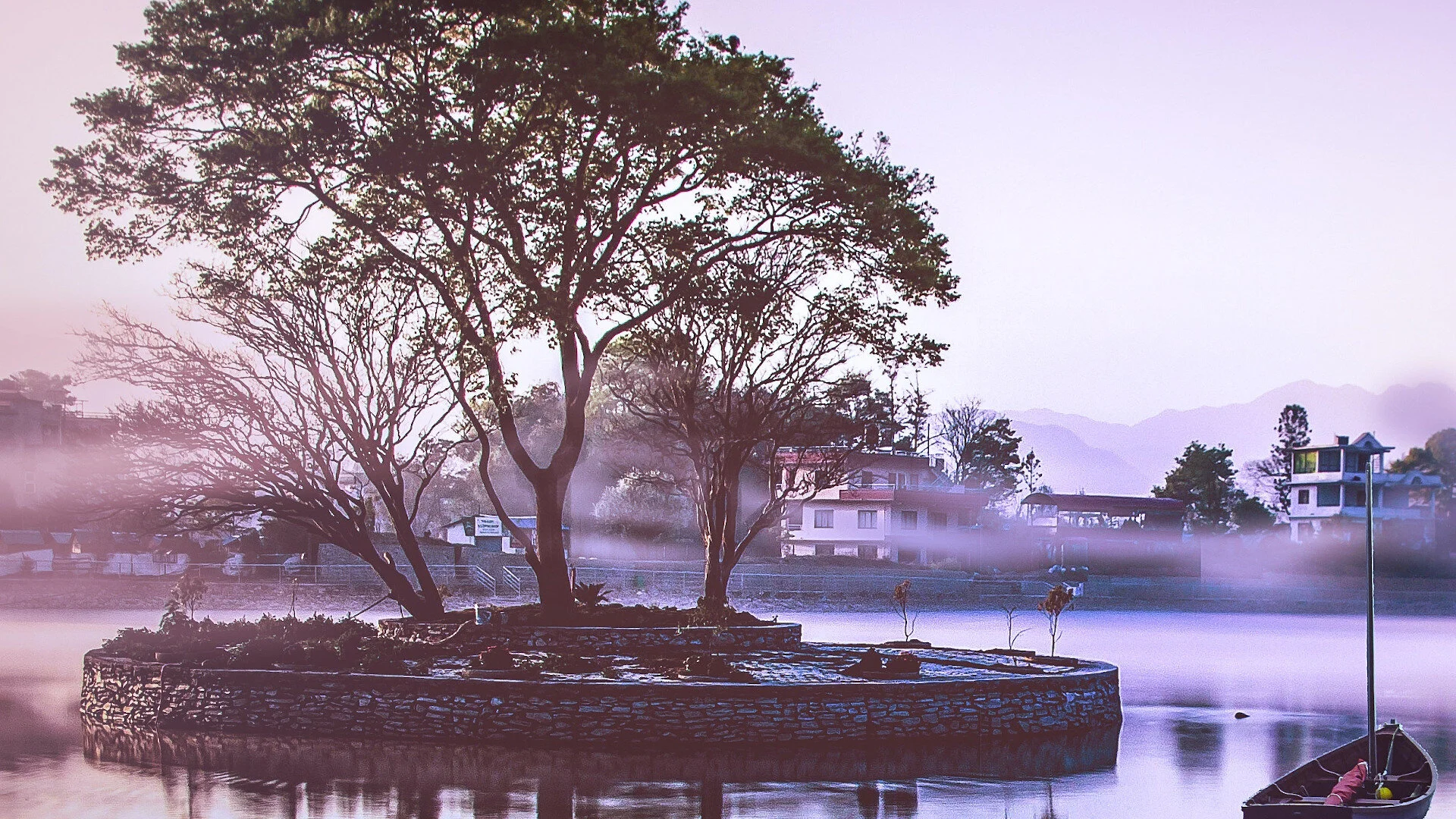
Taudaha comes from a combination of two words in Nepal Bhasa (the dialect of the Newa people) ‘Ta’ meaning snake and ‘Daha’ means lake. A freshwater lake with profound biodiversity Taudaha holds cultural and religious significance for Newa citizens of the valley. Believed to be a remnant pool of a lake that once covered the entire valley. “ According to mythology, a Buddhist mythical character Manjushree cut the hill in the valley’s south, allowing the lake’s water to drain off, thereby creating land that was duly occupied by people.”- Wikipedia
Home to 17 resident bird species, experts have recorded over 40 species in the lake area. Barn Swallow and Indian Cuckoo migrate to Taudaha during summer, whereas, The Great Cormorant, Ruddy Shelduck, Nothern Shoveler, Mallard Duck, Gadwall, Eurasian Coot, Northern Pintal and Common Teal migrate here during the winter.
Non-native fish species of carps over time have disrupted the ecosystem for native species such as barbs, catfishes and snakeheads. Reptiles such as checkered keelback and oriental garden lizard are sighted in this region frequently.
Surrounded by a well-paved path and sitting areas, locals and visitors get to indulge in morning and evening walks. Various other activities such as bird watching, meditation, yoga and hiking are also popular. Due to its cultural significance, swimming and fishing in the lake are not allowed.
Taudaha is a destination within the valley to rekindle ones spirit with nature accompanied by great hospitality and indigenous cuisine. An itinerary to Taudaha can also include a stroll in Manjushree Park and a hike to Adinath Lokeshwor Temple. The region is not just home to natural diversity but also a cultural one. Depending upon the season, various religious celebrations occur in the area such as Nag Panchami, Gunla and Kartik Mela.
Sundarijal
‘Sundari’ translates to beautiful and ‘Jal’ water from Nepali to English. Sundarijal, a village located in Gokarneshwar Municipality: is a true oasis in an urban jungle.
An escape to Sundarijal features tantalizing encounters with waterfalls, water bodies and native wildlife. The river Bagmati originates from this region and holds great social, communal and religious significance to the citizens of the valley. It is also a prime source of drinking water for the valley of Kathmandu.
Fifteen kilometres (9 miles) north-east of Kathmandu,Sundarijal falls west of Gagalphedi; east of Nayapati and Baluwa and north of Aalapot. The northern portion of Sundarijal falls within Shivapuri National Park.
Sundarijal’s biodiversity consists mostly of pine, oak and rhododendron. The region maintains an average temperature of 25.5º C in summer and 0º C during the winter. Wildlife such as Himalayan black bear, leopard, jungle cat and rhesus monkeys are sighted. It is also home to 177 species of birds amongst which nine endangered. One hundred two species of butterflies also call this region home.
Due to its proximity to Kathmandu, it receives a substantial amount of weekender’s who come for a quick getaway. Various activities such as nature walks, hikes, bird watching and canyoning have gained popularity in this region. Treks to Lantang Range, Chisapani and other routes also begin from Sundarijal.
POPULAR ITINERARIES
SIMILAR POSTS

Exploring Nepal In Monsoon
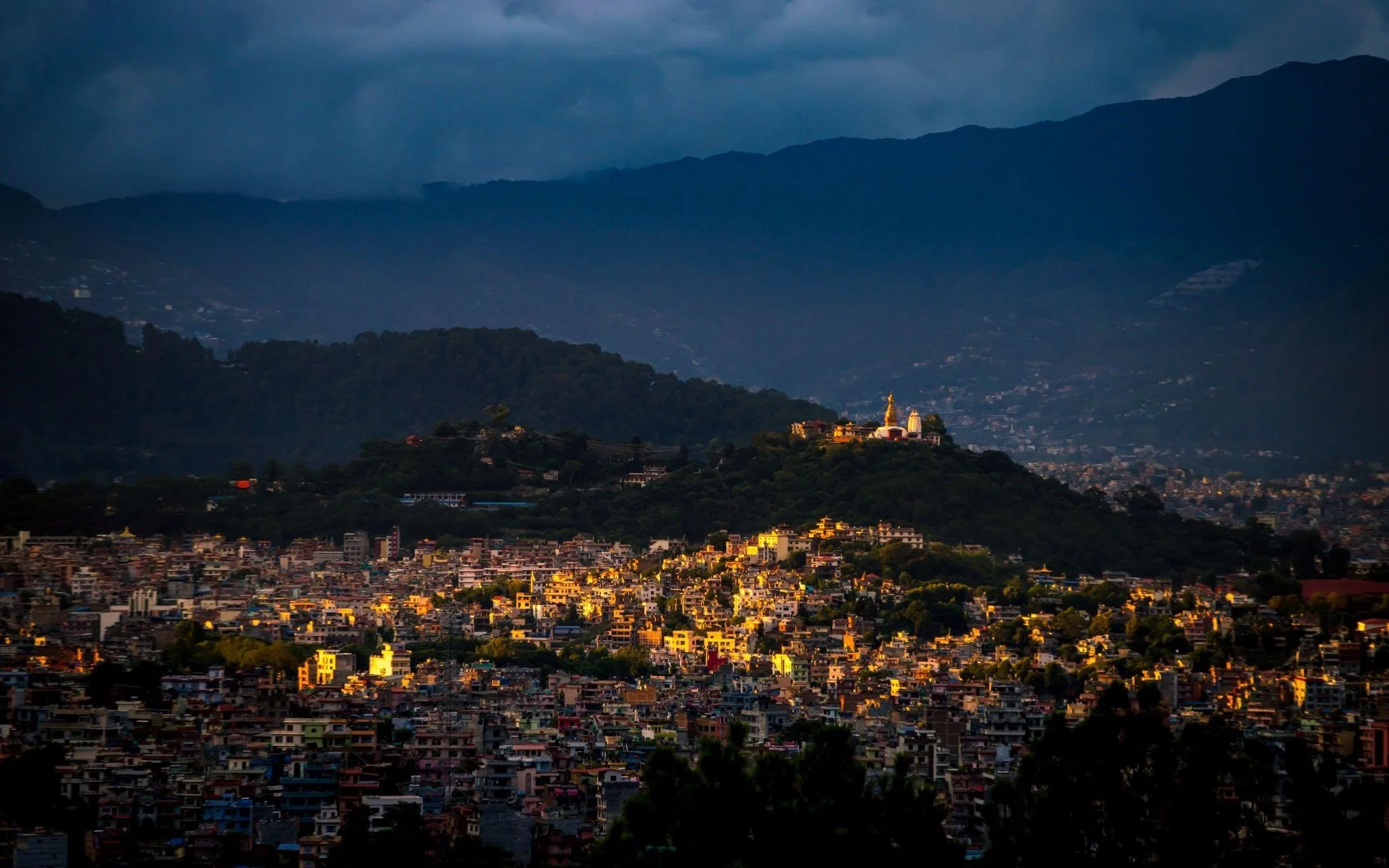
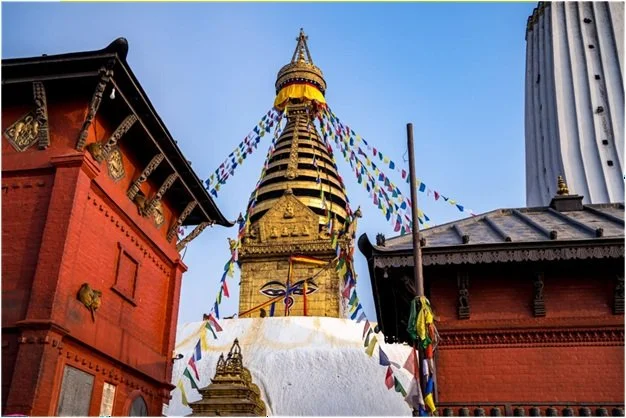
The general assumption when it comes to visiting Nepal is that one cannot do much here during the monsoon. It leads to a sharp decline in the number of international travellers and is considered off-season. Even though various adventure activities are not achievable during this period, it does not mean that one cannot experience Nepal. There are various regions which are accessible and regional activities one can experience. Before we dive into it, let us know more about the impact of the season in general.
The general assumption when it comes to visiting Nepal is that one cannot do much here during the monsoon. It leads to a sharp decline in the number of international travellers and is considered off-season. Even though various adventure activities are not achievable during this period, it does not mean that one cannot experience Nepal.
There are various regions which are accessible and regional activities one can experience. Before we dive into it, let us know more about the impact of the season in general.
The pre-monsoon period falls in the last few weeks of the Grishma, which is the hottest season in Nepal. This season features the highest temperatures in most regions of Nepal which are accompanied by light to heavy rainfall in the last weeks of the month. The monsoon also is known as the Barsha, which is also peak monsoon between Mid-July and lasts in average till Mid- Late September.
Travellers can face difficulty when it comes to connecting national and international flights due to weather disruptions. Roads in some part of Nepal become inaccessible due to the rain, landslides and flash floods. But the other elements such as communication, accommodation and amenities are available during this season.
Trekking the Trans-Himalaya Region
Most trekking trails are inaccessible during the monsoon. But routes that lie in the shadow of Trans-Himalaya which experiences minimal rainfall are at there best during this time. (Trans Himalaya was created due to the collision with the Eurasian plate. This zone is the Northernmost area in the country in the states of Jammu and Kashmir and Himachal Pradesh. It is an extension of Tibetan plateau around the Himalayas- Wikipedia).
Trails such as Upper Mustang Trek, Nar-Phu Valley Trek, Tsum Valley and Manaslu Circuit Trek, Phoksundo Lake Trek, Lower Dolpo Trek, Simikot Circuit Trek, Lower Mustang Trek, Limi Himal Trek are some of the trails that one can indulge.
Due to the prevalent trend, this season features a low number of trekkers which leads to less crowding, and the various lodges and homestays have rooms easily accessible. Travellers should be prepared with measures if rainfall occurs. Such equipment and gears are available in the tourist markets of Nepal.
The prime advantage of traversing these trails during this season is not just the low crowds, reduced rates, but also the fact that the biodiversity in these regions during this period is immense. Waterfalls which would be dry during other seasons are lush, and the flora is at peak blossom.
A Cultural Experience
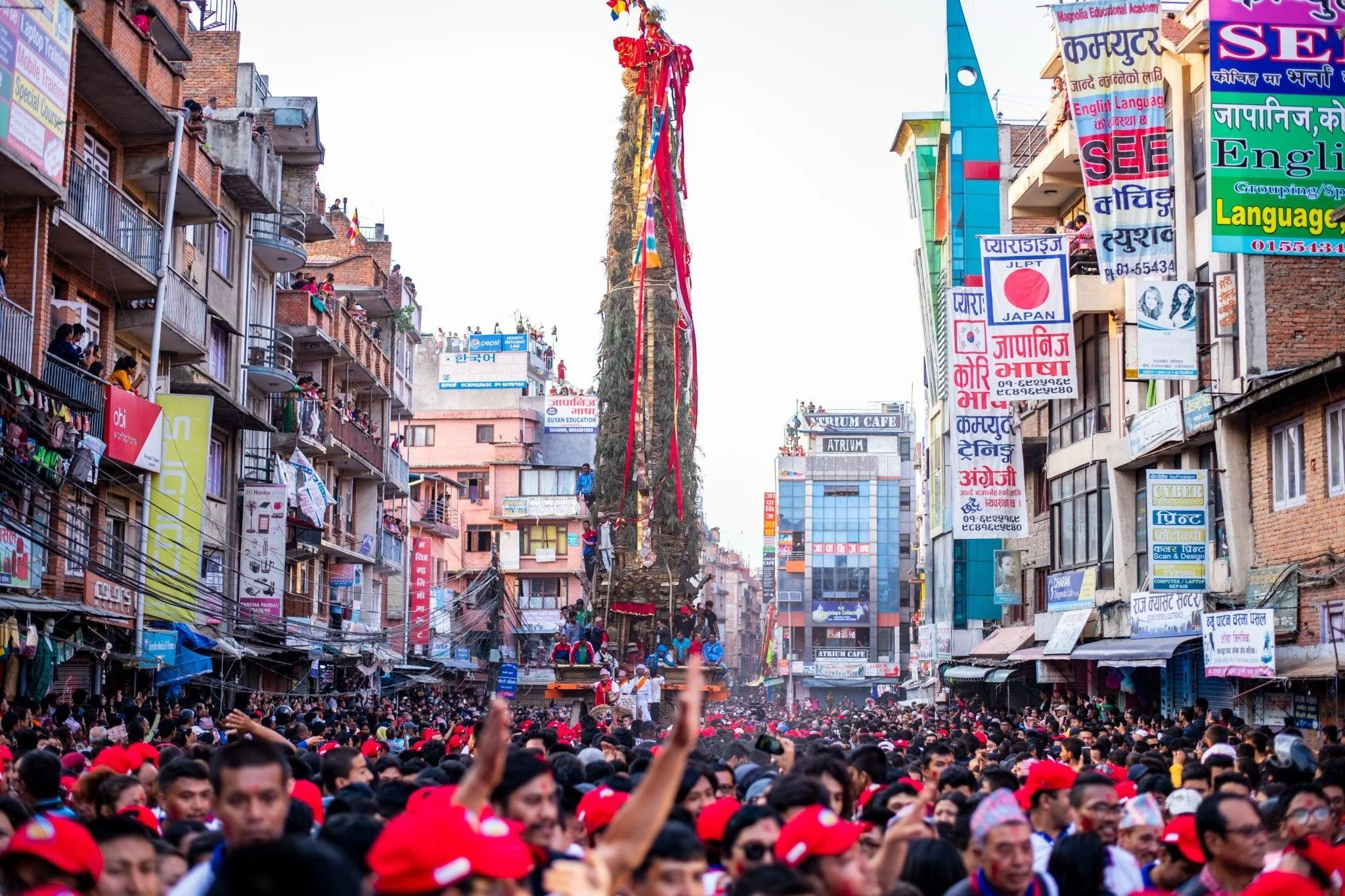
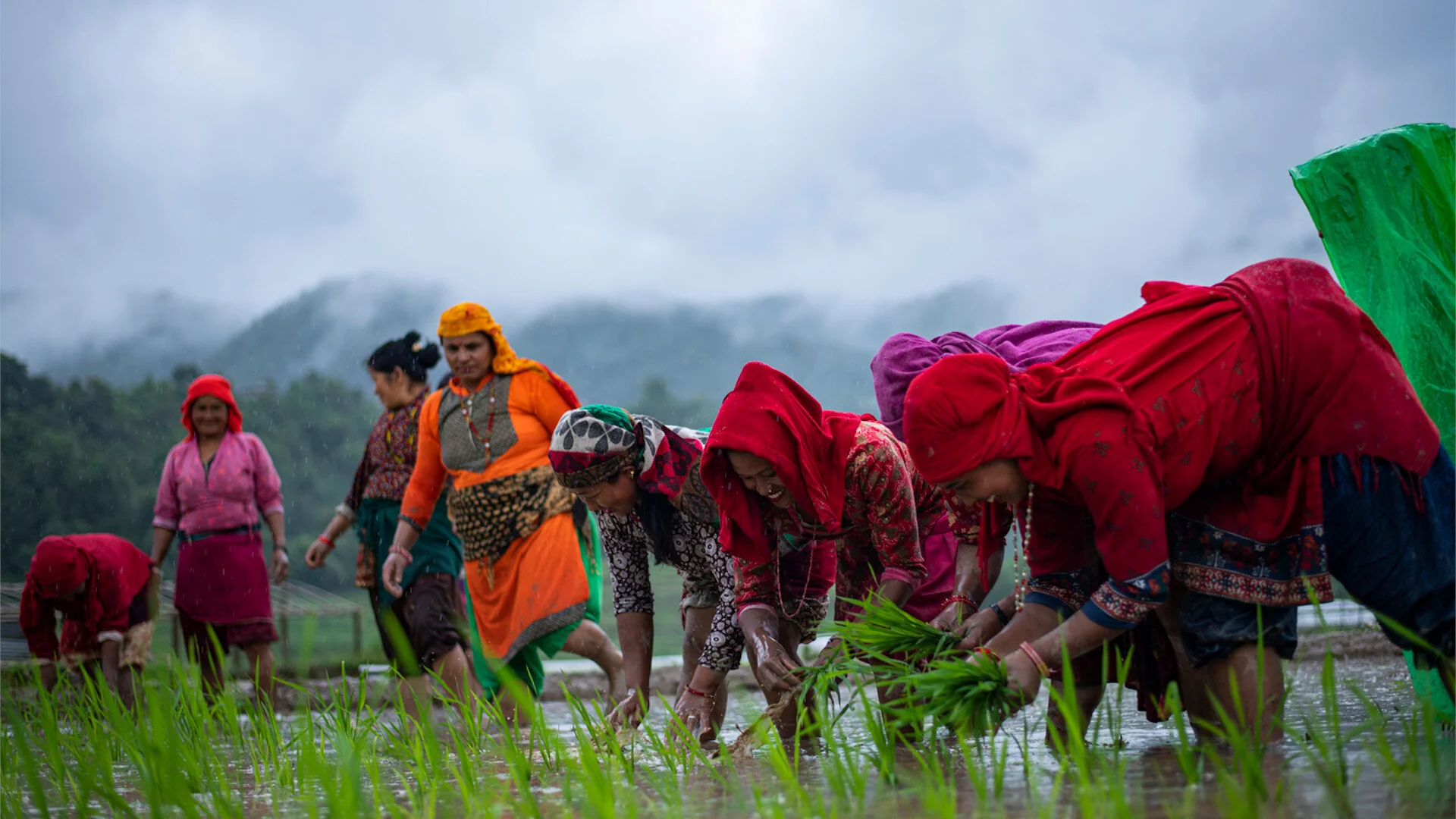
The period between Mid- July to Mid- September is a time of ample cultural festivities, especially in the areas with a predominantly Newar community. The Newa people are the indigenous inhabitants of Kathmandu valley. Predominantly an agrarian society, the cultural activities of the Newa people begin after the completion of the annual harvest which falls on Mid-July to August.
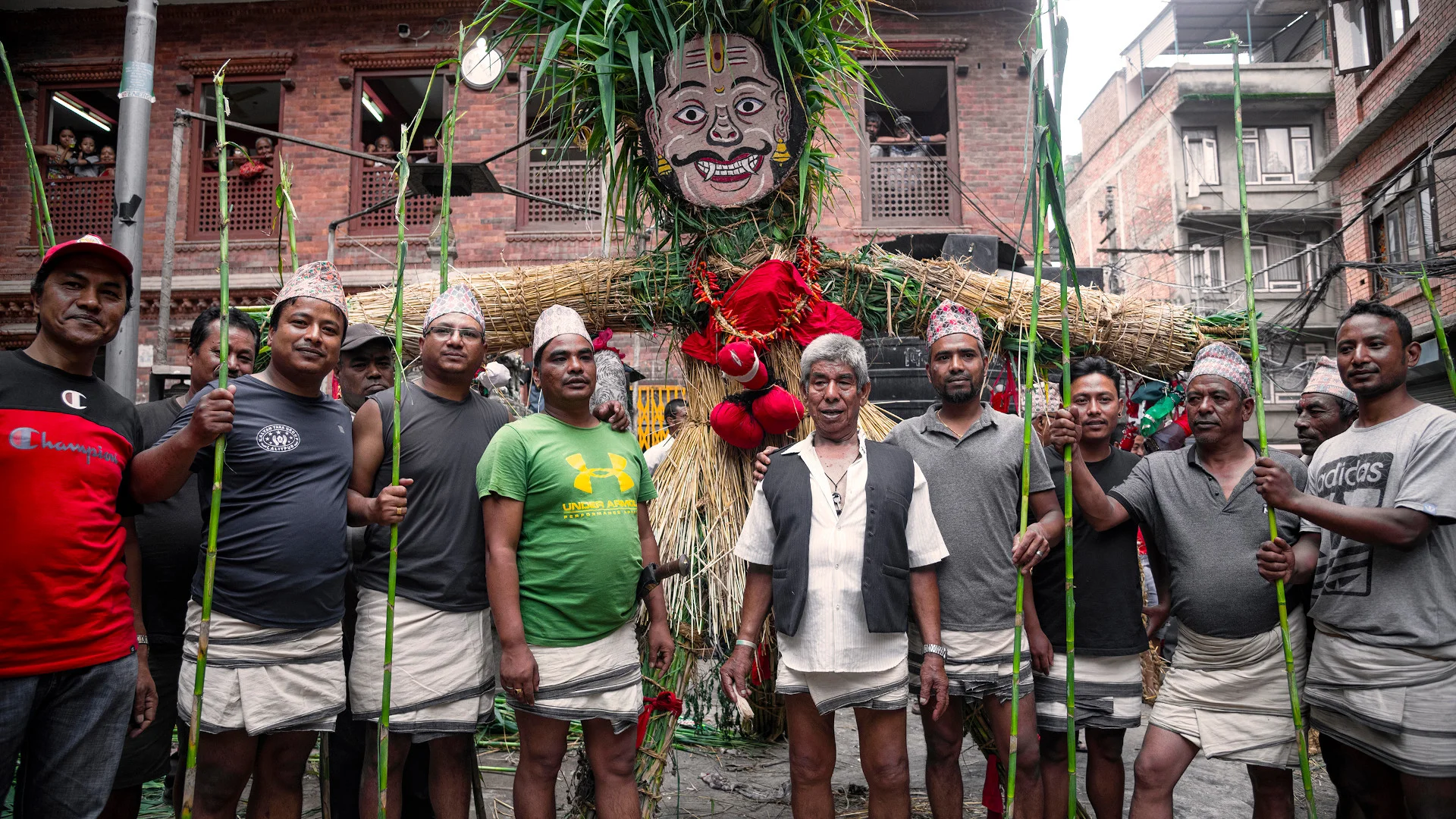
Gathamung Chare, commonly known as Gatha Muga, begins the festive season. Dedicated to ridding demons and purifying one's vicinity, the highlight of the day is an effigy created from straw and bamboo symbolizing a demon. Children with the help of their elders create voodoo dolls which are hug on the effigy. After sunset, the figure is dragged by the community members and burnt at the nearest river to symbolize ridding the demon.
To know more about Gathamung Chare: Click Here
Gunla Dharma, Indra Jatra, Pancha Dan, Gai Jatra, Matya are some of the festivals celebrated during the monsoon period.
For travellers who wish to experience cultural diversity, explore and engage in the rich heritage of Newar culture, this period is optimal.
Off The Beat Adventures
Peak monsoon can cause disruptions in ones scheduled itinerary. Many can't seem to find a great way to make the most out of their time. One can always go beyond the beat and develop a productive itinerary with various activities around the area.
One may choose to explore traditional Nepali cuisine at the hotel and learn more about the rich culinary diversity of the region. A rejuvenating day at the spa could help give you the boost needed on a rainy day. Hotel Shanker includes Tranquility Spa, which offers massage and beauty services.
A quick drive to the various museums of Nepal could also be a great way to make good of the free time. Immersing oneself in the history of the region is a great way to understand the make of the people and their society.
POPULAR ITINERARIES
SIMILAR POSTS
Best Sunrise Views in Nepal – Part II
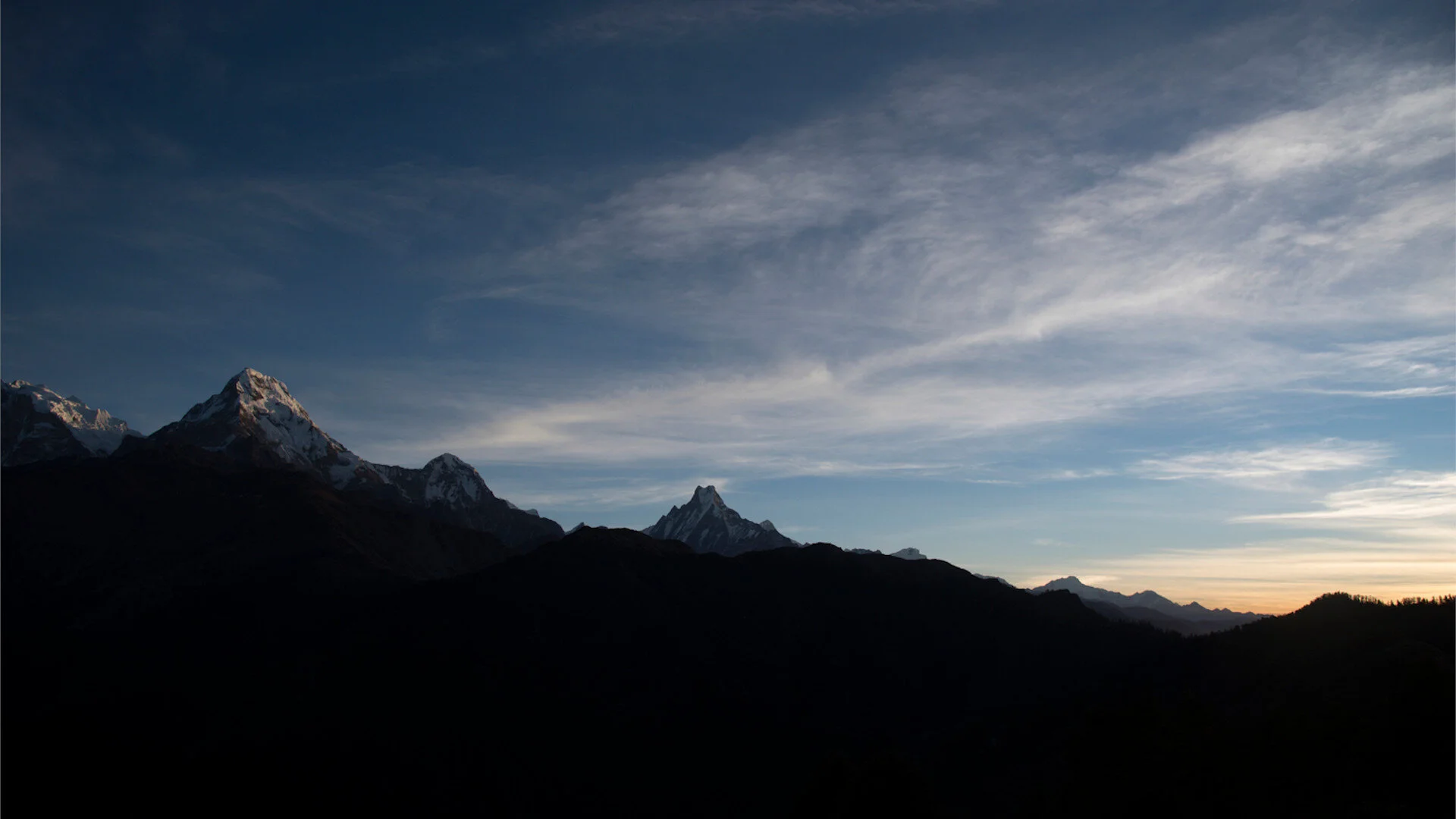
Sunrise View in Nepal is one of the popular and most rewarding tour activities in Nepal. Not only popular for the breathtaking views of the sunrise and sunset over the giant mountain peaks, it is also one of the best way to view the heavenly panoramic Himalayas of Nepal.
Nothing beats a warm cup of tea as you wait for the sun to bring light to the world. A country blessed with serene mountains and topography, Nepal truly at times resonates with the thoughts of Shangri-La. Amidst the numerous destinations to visit and experience in Nepal, the sites mentioned below share in common a vantage to experience the beauty of a sunrise and sunset.
Thus, if you plan on visiting these destinations shortly, make sure to have your itinerary include this magical experience.
4. Poon Hill
5. Kala Patthar
Required for Trek
Trekkers Information Management System (TIMS) Card
SAARC
NRS. 300/USD 3 (Per Individual in group trekkers)
NRS. 600/USD 6 ( Free Individual Trekkers)
Foreigners
NRS. 1000/ USD 10 (Per Individual in group trekkers)
NRS. 2000/ USD 20 ( Free Individual Trekkers)
Obtain TIMs card from:
Tourist Service Centre
Nepal Tourism Board Office, Bhrikutimandap, Kathmandu
Poon Hill
Attraction: Poon Hill View Tower, Cultural Experience, Tea House Trekking
Altitude: 3210 m
Accessibility:
Closest Airport: Pokhara Airport (PKR)
Distance From Kathmandu: 177 KM
Distance from Ghorepani: 13.4 KM
ACAP Trekking Permit:
SAARC
NRS. 200/ USD 2
Foreigners
NRS. 3000/ USD 30
Tourist Service Centre
Nepal Tourism Board Office, Bhrikutimandap, Kathmandu
Nepal Tourism Board Office, Damside, Pokhara
A jewel of the Annapurna Circuit Trek the summit of Poon Hill at the altitude of 3210 m is a climb one has to make before the crack of dawn if one wishes to witness the magnificent sunrise. One can plan an itinerary to Poon Hill from a 4-day trek to 7 or complete the entire Annapurna Circuit Trek.
A 4-day itinerary features a trek that begins from Nayapul to Ulleri, Ghorepani, Poon Hill and treks to Ghandruk Village. This route can be taken from the opposite direction, where one can begin their trek from Ghandruk. Many choose to make this trek from the direction of Ghandruk, as it features fewer uphill steps. The infamous steps of Ulleri fall on the downward direction if this trek is made from Ghandruk.
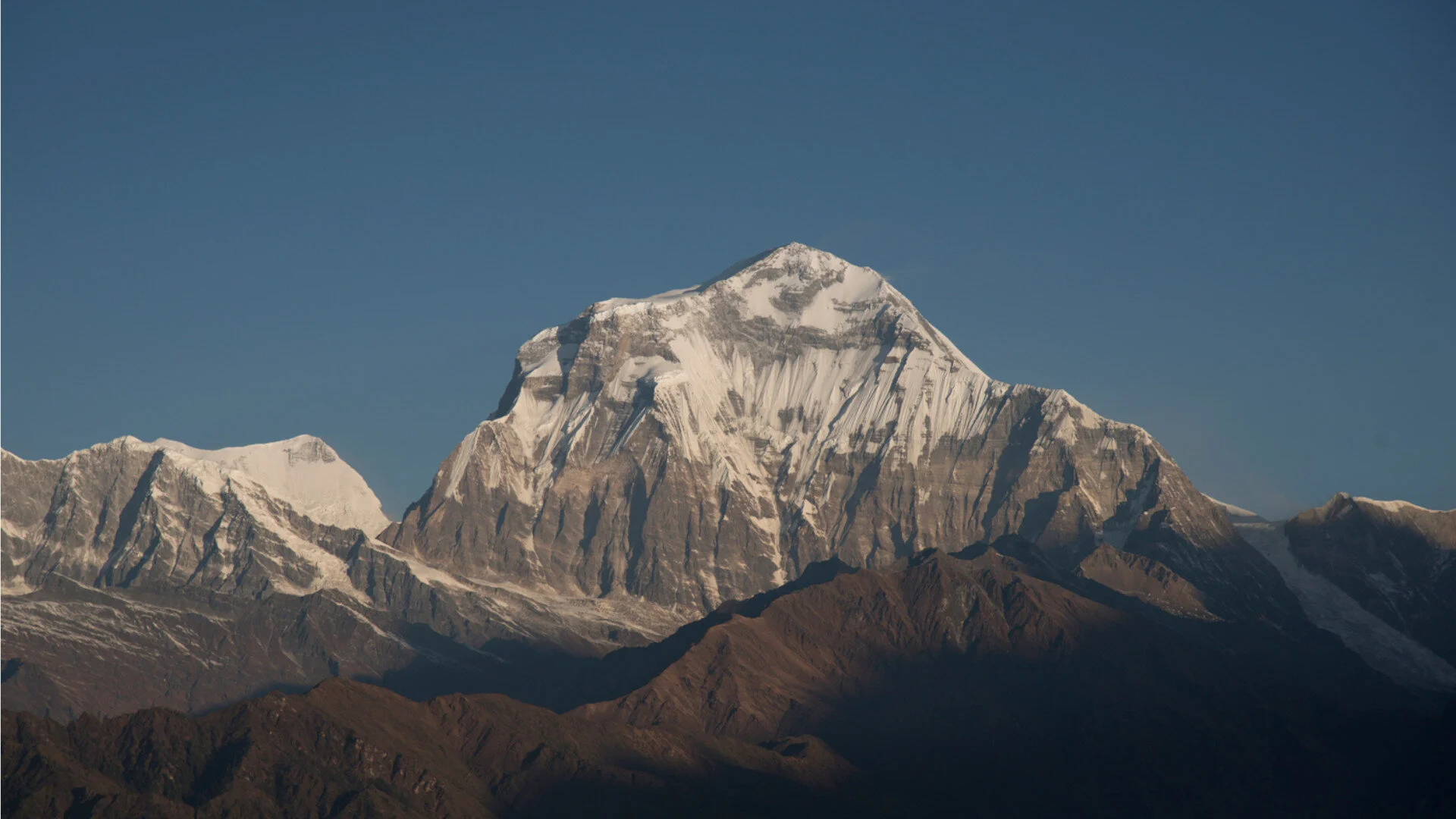
The peaks of Dhaulagiri, Annapurna I, Annapurna South, Machapuchare, Annapurna II, Annapurna III, Gangapurna, Tukuche Peak, Dhampus Peak, Hiunchuli, Gurja Himal, Nilgiri Himal are visible from the viewpoint of Poon Hill. The most recommended season to make this trip is post-monsoon beginning September to May.
Kala Patthar
Attraction: Kala Patthar Sunrise and Sunset View, Everest Base Camp Trek, Gokyo Ri Complex, Gorakshep, Namche Bazar
Altitude: 5545 m
Accessibility:
Closest Airport: Lukla Airport (LUA)
Distance From Kathmandu: 150 KM
Distance from Namche Bazar: 22.1 KM
Sagarmatha National Park/ Everest Base Camp Permit Cost
SAARC
NRS. 1500/ USD 15
Foreigners
NRS. 3000/ USD 30
Obtain a permit from:
Tourist Service Centre
Nepal Tourism Board Office, Bhrikutimandap, Kathmandu
The entry point of Sagarmatha National Park
Monzo, Solukhumbhu
Khumbu Pasang Lhamu Rural Municipality Entrance Permit
(Charge levied not only to trekkers but also to the tourists who tour the region via helicopter) NRS. 2000/ USD 20
Obtain a permit from:
The entry point of Sagarmatha National Park, Monzo, Solukhumbhu
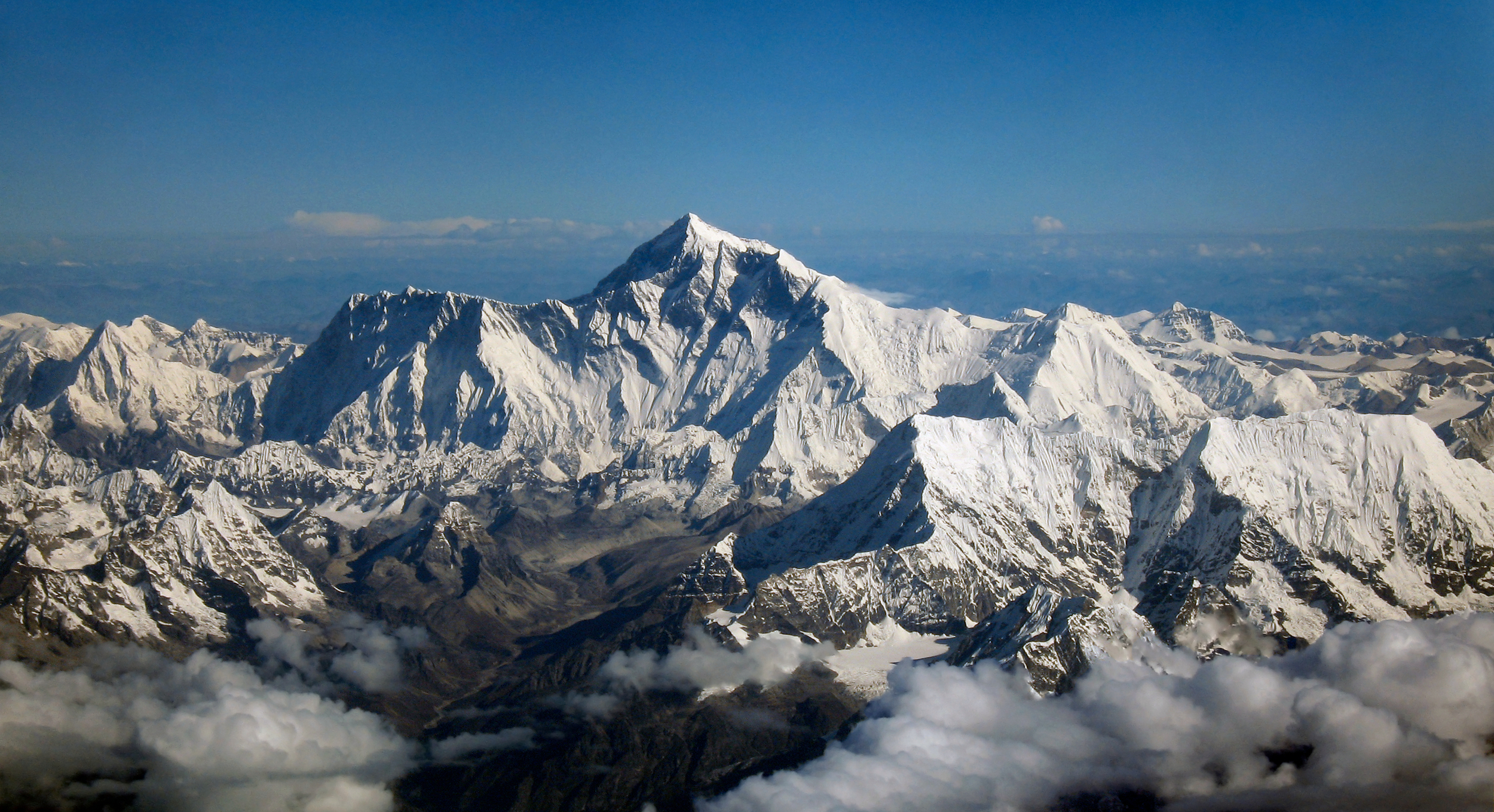
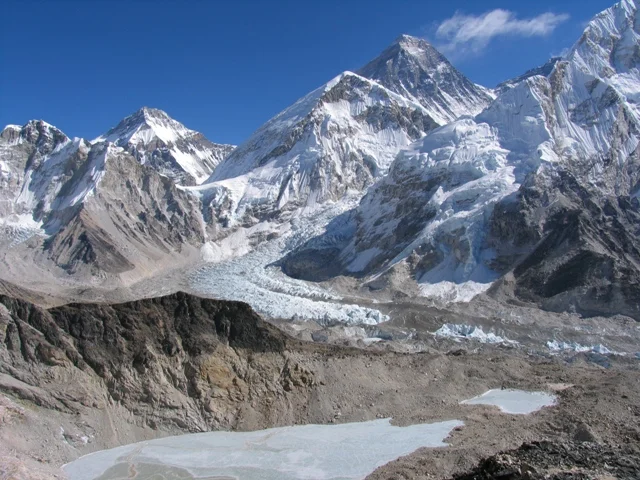
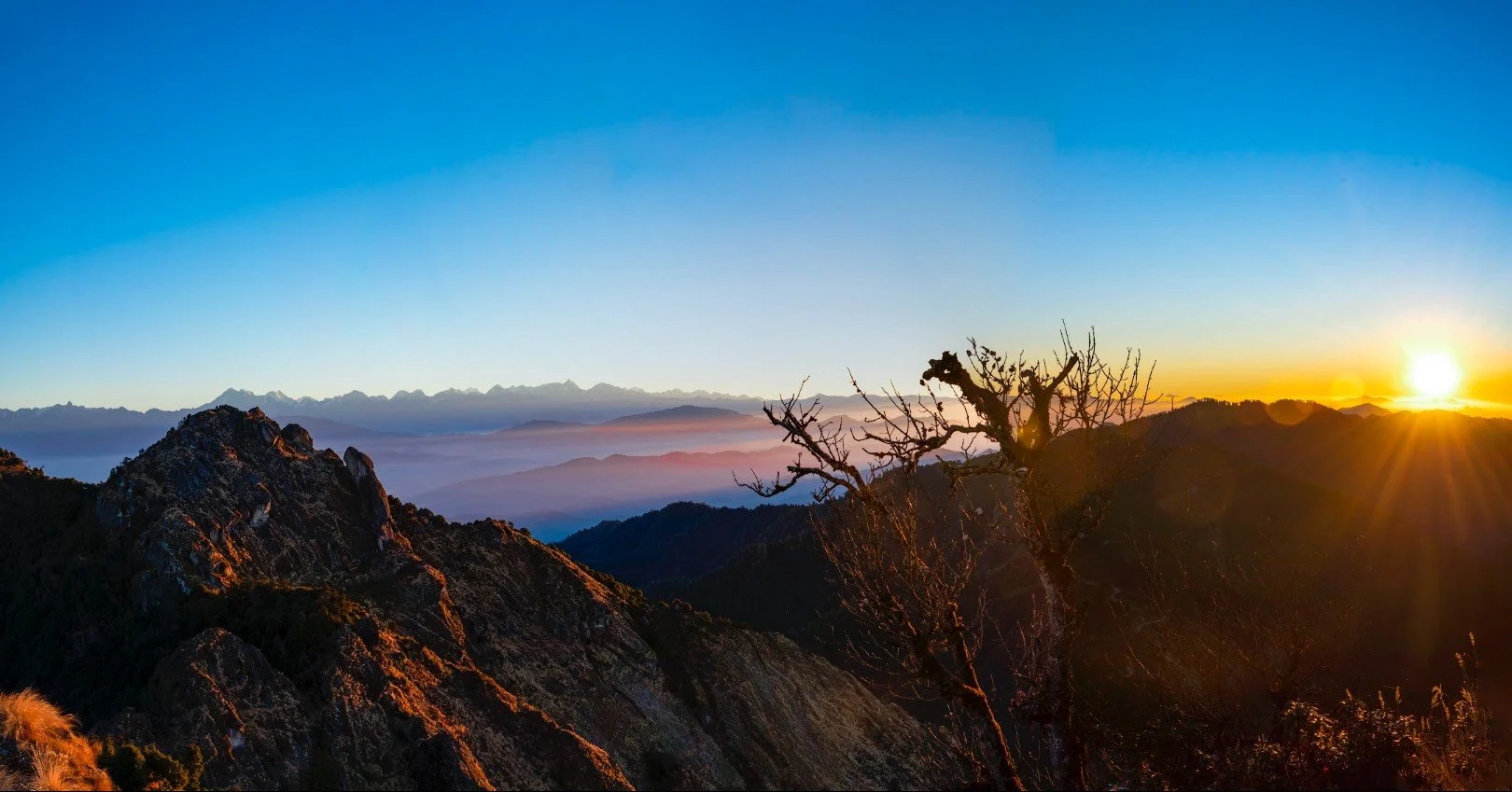
The viewpoint of Kala Patthar translates to ‘Black Rock’, is generally viewed as a short hike from Gorka Shep during ones trek to Everest Base Camp. The base of Kala Patthar stands at 5,644 m above sea level and is maximum altitude one can reach during one's trek to EBC. Kala Patthar is famous for two things; the spectacular view of Everest and the brave the infamous sunrise and sunset. To achieve viewing the sunrise and sunset from Kala Patthar, one must have a few days to spare at Gorak Shep. The viewpoint of Kala Patthar is a 2-3 hour hike from Gorak Shep and one can manage to view the sunrise and sunset if s/he plans his/her hours accordingly.
A few tips for those who wish to make the sunrise trip to Kala Patthar
1. Recommended during the months of September- November.
2. Keep an eye on the temperature. Make sure to look out for sudden temperature drops before deciding to make this trip and be prepared with extra layers just in case.
3. Make sure your devices are charged to the max. The cold drains the batteries of your devices fast, thus make sure to either carry spare batteries for your DSLR.
4. Have a good nights sleep and a hearty meal.
5. Sunrise in the region generally is between 5:00- 6:00 AM. If one is to make it on time, they must leave between 3-3:30 AM as the trek averages out 2-3 hours.
6. Don’t get up and go! Many trekkers make the mistake to sleep a bit late, look at the clock and make a run for it. This is normally never recommended, as your body hasn’t gotten the time to normalize and completely wake up. Thus, no matter how late you are; its recommended to some time, normalize breathing, stretch and drink a little amount of water before heading out.
7. Wear fresh and dry pair of socks.
8. Carry a freshly boiled bottle of water.
9. Only carry the essentials and make sure to not forget energy bars.
POPULAR ITINERARIES
SIMILAR POSTS
Exploring a part of Far West - Nepal
Far-West Region, less known part of Nepal holds the beauty that one should visit while traveling to Nepal. Jungle Safari at Shuklaphanta National Park, visiting Dohara Chandani bridge Nepal’s longest bridge touring around Mahendranagar, are undoubtedly becoming newest tourist destinations in Nepal.
Travelling to a city that is underrated for its beauty has a different feel. Far-West is the region, where most people are aware of its existence but rarely consider it as a travel destination. I and my amigos take on a road trip to this unknown destination to explore the place, culture and food.
You always have an option to fly, but for me, 18 hours of night bus journey with my amigos sounds more fun. We left the valley at around 6 in the evening and reached Dhangadi by noon the very next day. Fortunately, enough one of my friends is from Dhangadi and her family welcomed us wholeheartedly. Our plan for this trip was to explore Dhangadi, Mahendranagar and visit the nearest Indian border, Paliya.
As soon as we reached Dhangadi the first thing to try is the local “Tato Panipuri”. One can find these stalls almost everywhere. Crunchy puri filled with warm and spicy mashed potato and beans dipped in mouthwatering spiced water is all you would have wanted. Typically panipuri found in the valley offers cold mashed potato with onions, spices and only one type of pani (water) however the warm fillings with khatha (sour) and mitha (sweet) pani is just lips smacking good.
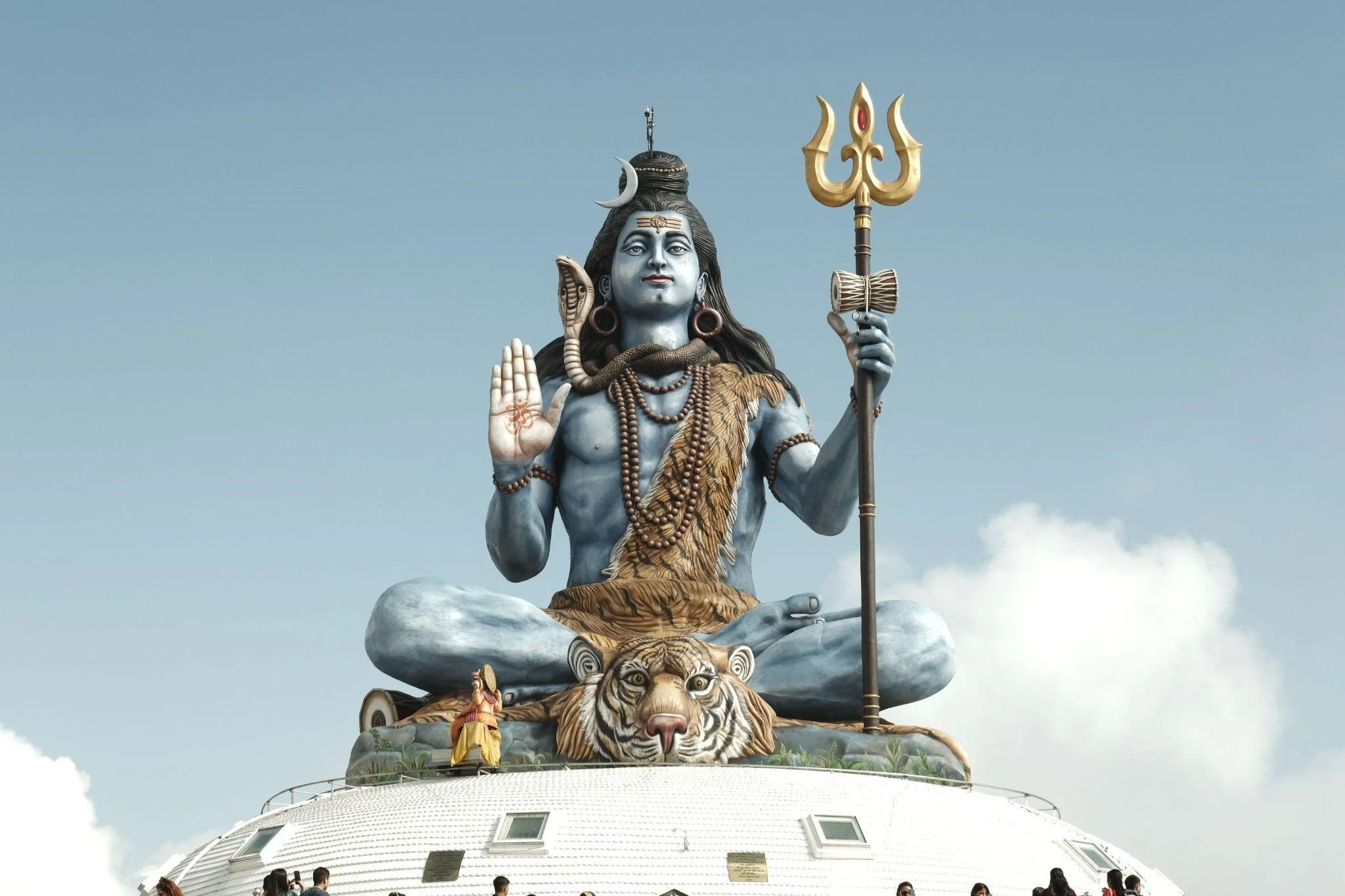
Just a few kilometres away from the main city is Shivapuri Dham which houses the world’s tallest Shiva linga. Taking a tuk-tuk from there, we visited Jhokhar Taal, a place where one can enjoy peace of mind and appreciate the beauty of nature.
Almost an hour drive from Dhangadi is Mahendranagar. Places you shouldn’t be missing out here are Shuklaphanta National Park, Dodhara Chandani Bridge and Linga. We booked a Jeep for our jungle safari at Shuklaphanta, which is a must-try activity. Our tour guide was kind enough to share a cup of tea and some cookies for each one of us during our safari and explain the history of Shuklaphanta and how the place Mahendranagar was born. Almost after 4 hours of jungle safari which was breathe taking we visited Dodhara Chandani Bridge, which is Nepal’s longest bridge measuring 1 kilometre. An hour of a bumpy ride on a tuk-tuk from Mahendranagar bus park, Linga is a religious place with naturally formed stones which resembles tall sandcastles. A photograph of this place cannot justify the beauty which was seen at the moment. According to locals, the stones grow tall gradually as time passes.
Our next destination was Paliya, the nearest border of India from Dhangadi. An hour of the bus ride (which has a terrifying story in itself) from Nepal-India Border, we reached Paliya, India. With some shopping done, we went to a dhaba (local Indian restaurant) which serves one of “The best Indian food”.
A week journey to the far-west was joyous and fun. My favourite part of travelling with my amigos was making memories that will remain forever and the jungle safari at Shuklaphanta National Park. The less known part of our country holds the beauty that should be visited at least once.
Unnati Nyachhyon
POPULAR ITINERARIES
SIMILAR POSTS

National Parks In Nepal - Part II
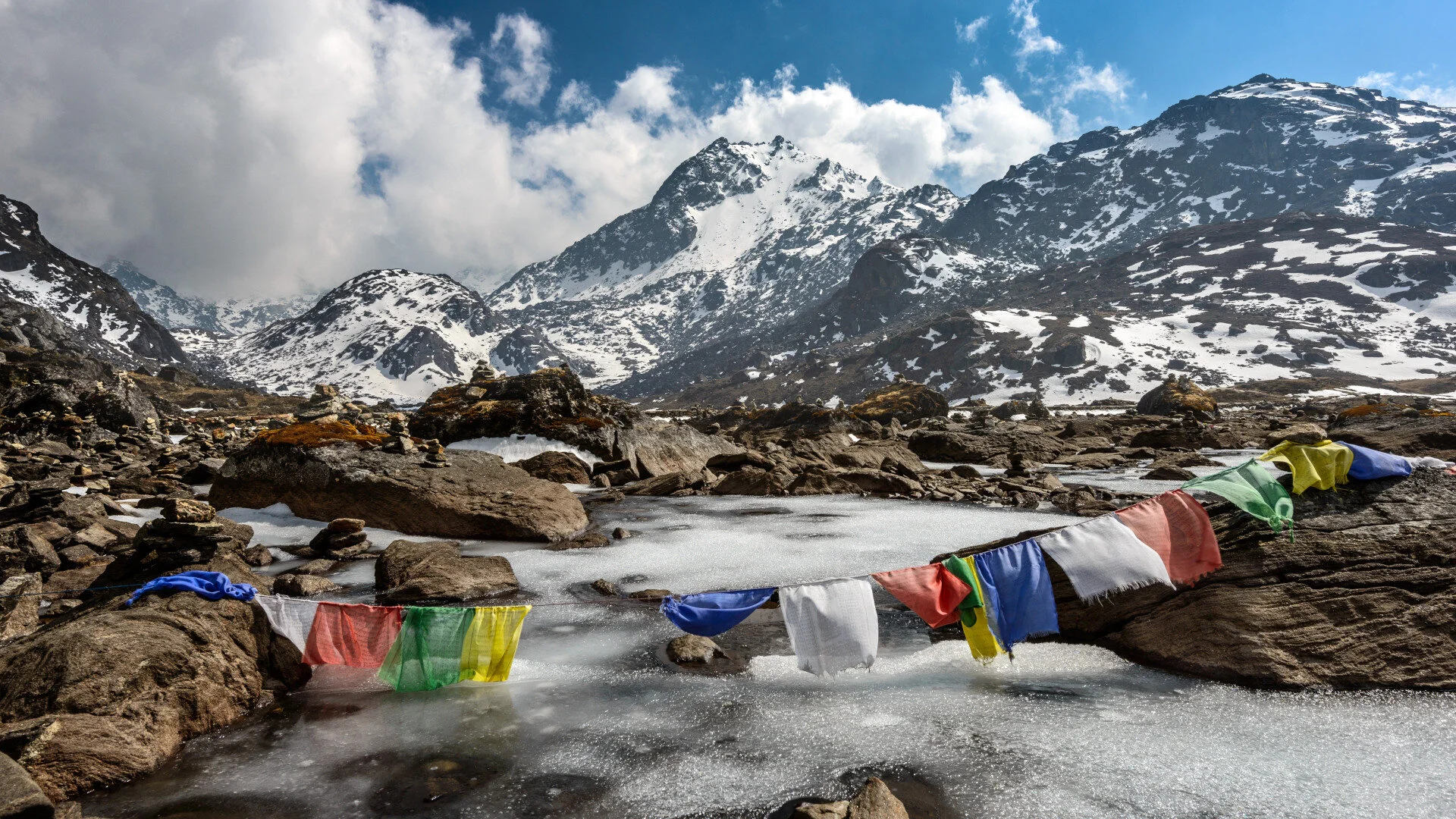
Nepal is home to an avid diversity of flora and fauna, which range from the lowlands of Terai to the Himalayan mountains. Each bio-zone host's multiple ecosystems, which are called home by thousands of species of birds, mammals, reptiles and amphibians.
Nepal is home to an avid diversity of flora and fauna, which range from the lowlands of Terai to the Himalayan mountains. Each bio-zone host's multiple ecosystems, which are called home by thousands of species of birds, mammals, reptiles and amphibians. Nepal’s natural beauty has always been its pride and conserving it has always been a top priority. Thus under the National Parks and Wildlife Conservation Act, 2020 (1973AD), the government of Nepal created the guidelines to declare and maintain National Parks, Conservation Areas, and Hunting Reserves
Khaptad National Park
Shey Phoksundo National Park
Bardiya National Park
Makalu National Park
Today the protected areas of Nepal cover mainly forests and are located at various altitudes in the Terai, as well as in the foothills of the Himalayas and the mountains themselves. Nepal even though is small in terms of area size covering only 147,181 sq km. The altitudes range from 67 m to 8,848m. This extreme altitudinal gradient has resulted in 11 bio-climatic zones ranging from lower tropical below 500m to nival above 5,000m in the High Himalayas encompassing nine terrestrial ecoregions with 36 vegetation types. The government of Nepal under the National Park and Wildlife Conservation Act, 2020(1973AD) established a total of 12 National Parks, 1 Wildlife Reserves, 6 conservation Areas and 1 Hunting Reserve. In 2017, the Shuklpahanta and Parsa Wildlife Reserves were upgraded into National Parks.
In this series of articles, we explore the various National Parks, their level of accessibility and attractions.
Khaptad National Park
Province: 7
Distance From Kathmandu: 448 km
Accessibility: 2-day trek from Silgarhi Bazar. One can reach Silgarhi Bazar either by taking a flight to Dhangadi and driving to Silgarhi Bazar (6hrs) or get a bus to Attariya Chowk, Kailali from Central Bus Station in Kathmandu and then it's another 9 hours to reach Silgarhi Bazar via a local bus.
Attraction: Ashram of Khaptad Baba, Saileswori, Ramroshan, Bird Watching, Trekking, Wildlife Photography.
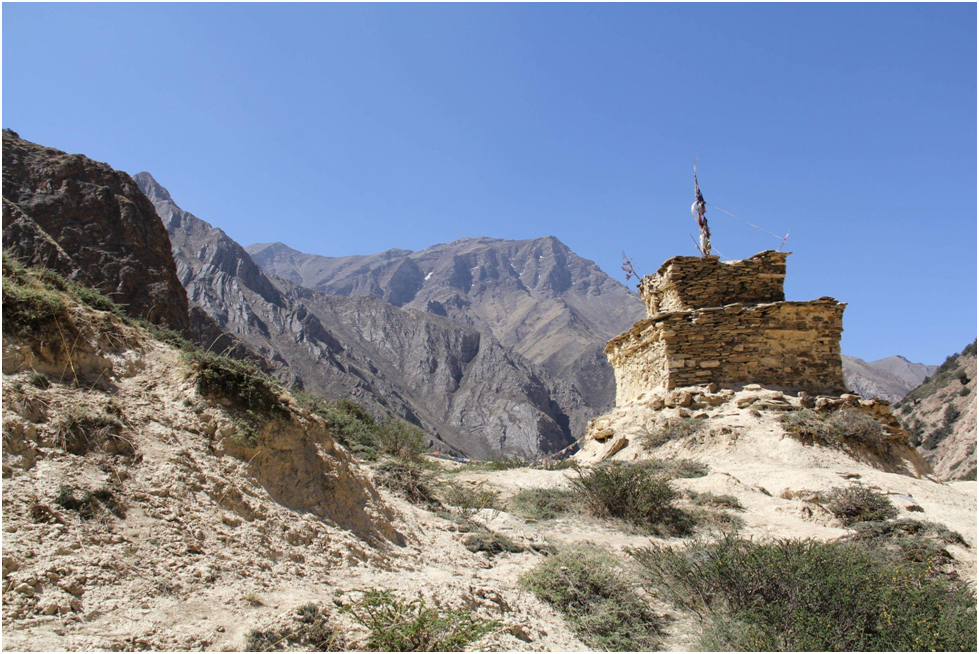
Khaptad National Park was established in 1984 on the advice of the region's holy man Khaptad Baba. The renowned Khaptad Baba Ashram, a religious site where Hindu pilgrims come to worship Shiva on the full moon of July–August each year, is located near the park headquarters. A buffer zone of 216 km2 (83 sq mi) was declared in 2006. Khaptad Baba moved to the area in the 1940s to meditate and worship. He spent about 50 years as a hermit and became a renowned spiritual saint. Khaptad National Park is a protected area in the Far-Western Region, Nepal that was established in 1984. Stretching over the four districts of Bajhang, Bajura, Achham and Doti it covers an area of 225 km2 (87 sq mi) and ranges in elevation from 1,400 m (4,600 ft) to 3,300 m (10,800 ft).
Shey Phoksundo National Park
Province: 6
Distance From Kathmandu: 315 km
Accessibility: By air, Shey Phoksundo can be only accessed through Nepalgunj or which has to take a flight to Nepalgunj and from there to Juphal in Dolpa. By road, it makes 3 hrs 40 minutes to reach Shey Phoksundo National park via a private vehicle.
Attraction: Shey Phoksundo Lake, Trekking, Shey Gompa Monastery, Crystal Mountain, Landscape Photography
Season: Spring and Autumn
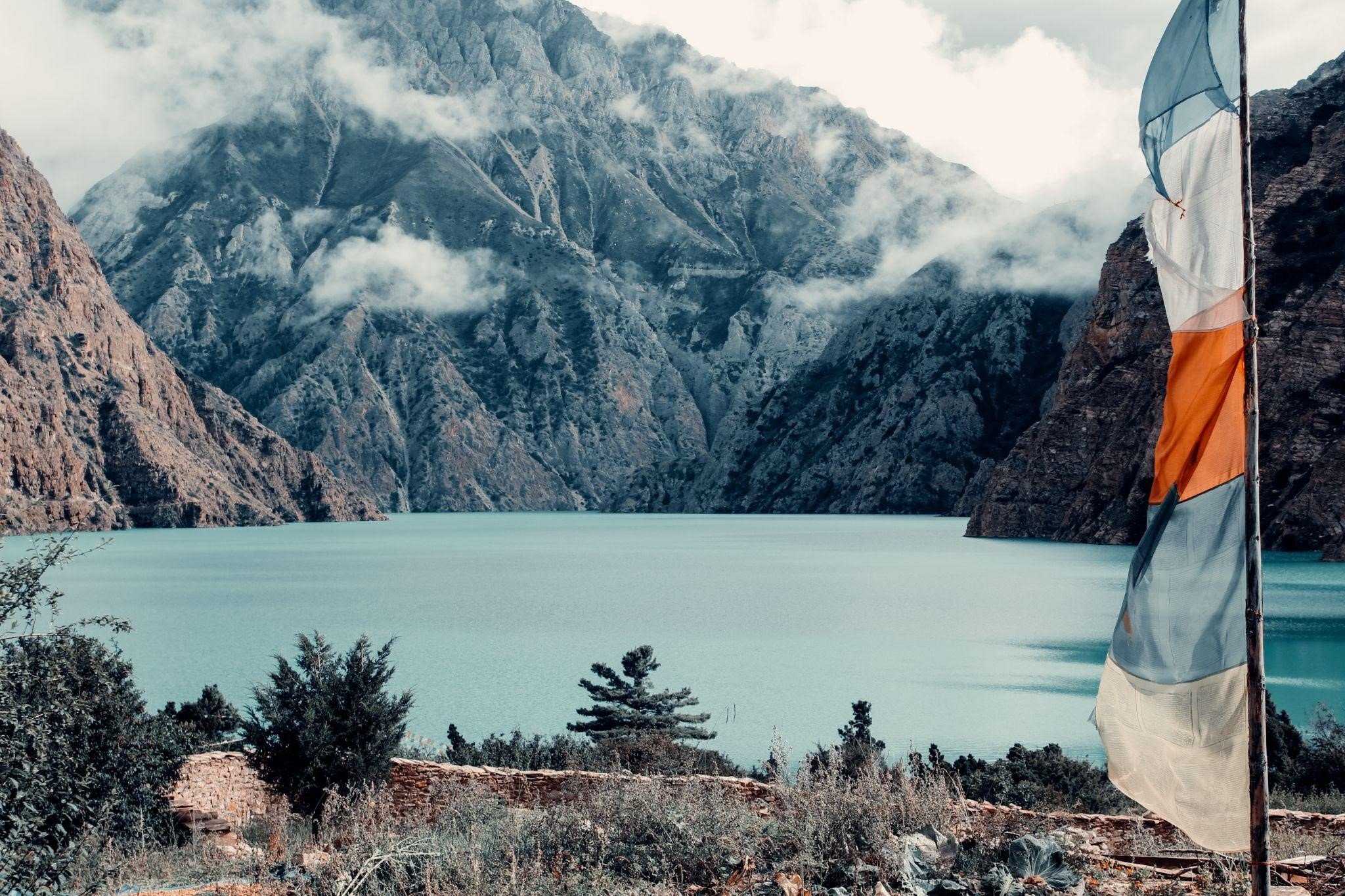
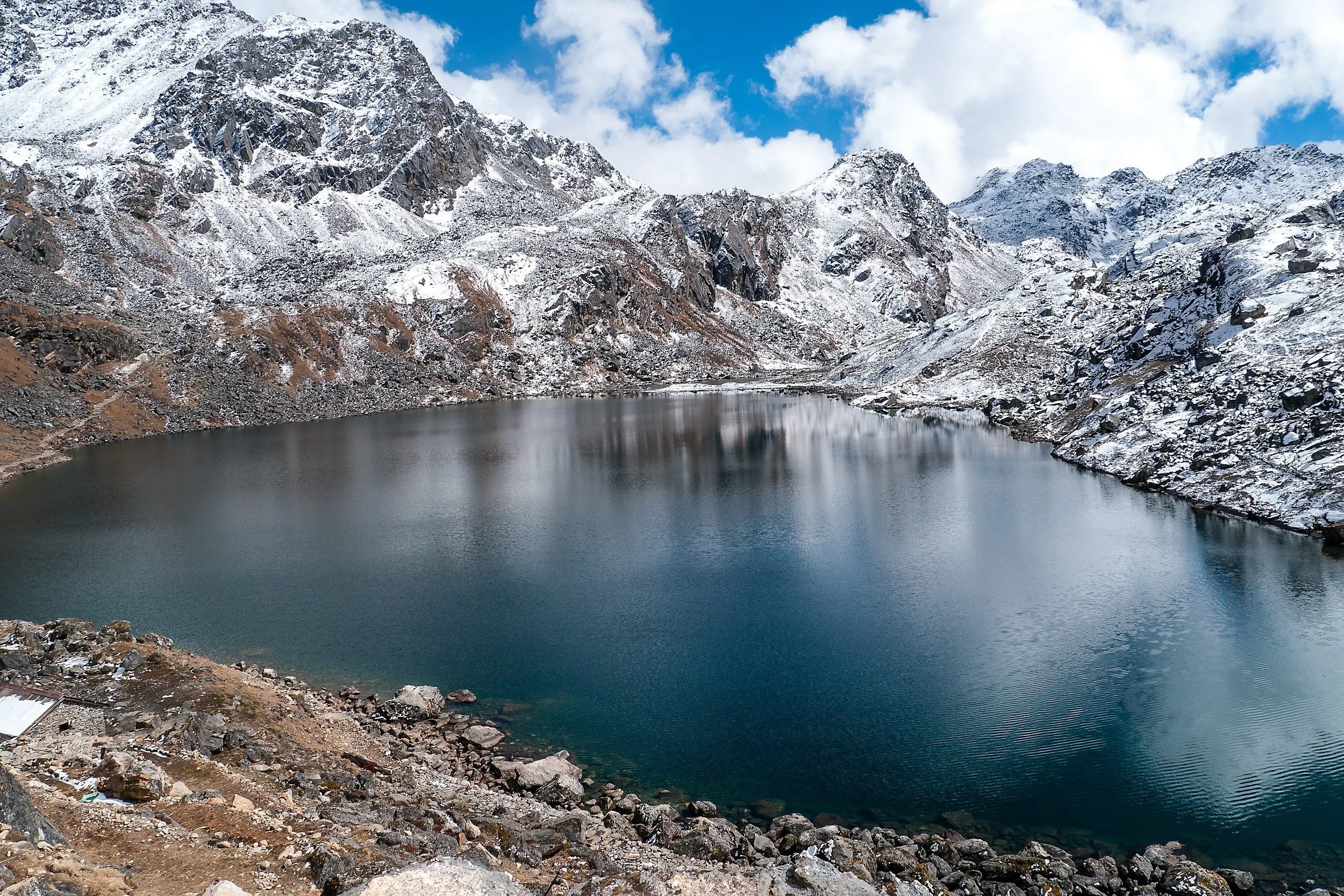
Shey Phoksundo National Park is the largest and only trans-Himalayan national park in Nepal. It was established in 1984 and covers an area of 3,555 km2 (1,373 sq mi) in the districts of Dolpa and Mugu in the Mid-Western Region, Nepal. The protected area ranges in elevation from 2,130 to 6,885 m (6,988 to 22,589 ft).Phoksundo Lake is the park's prominent feature, located at an elevation of 3,612 m (11,850 ft). Shey Phoksundo National Park provides a diversity of spectacular landscapes and ranks among the most scenic mountain parks in the world. Much of the park lies north of the Himalayan crest. Elevations range from 2,130 m (6,990 ft) in the southeast near Ankhe to 6,883 m (22,582 ft) at the summit of Kanjiroba Himal, which lies at the southern edge of the Tibetan plateau. Phoksundo Lake lies at an elevation of 3,660 m (12,010 ft) in the upper reaches of the Suligad river. It is surrounded by glaciers and famous for its magnificent turquoise colour. Near the lake’s outlet is the country’s highest waterfall.
Phoksundo Lake has a water surface of 494 ha (1,220 acres) and was declared a Ramsar site in September 2007. The lake is up to 145 m (476 ft) deep, measured using echo-sounding technology.
The Langu river drains the high Dolpo plateau located in the north-east of the park. The Suligad and Jugdual rivers form the southern catchment flowing south into the Thuli Bheri River.
Bardiya National Park
Province: 5
Distance From Kathmandu: 376 km
Accessibility: By Air Kathmandu- Nepalgunj from where the park is 87 km. One can then catch a bus to Mahendranagar or Dhangadi via Ambassa then change the bus to Thakurdwara for Baridya National park. The drive takes around 3 hours by public bus.
By Road, one can catch a bus to Mahendranagar or Dhangadi via Ambassa Bardia. The drive averages out to 13 hours.
Attraction: Adventure Hikes, Bird Watching, Tiger Sighting, Butterfly Watching, Wildlife Encounters, Landscape and Wildlife Photography
Bardiya National Park is a protected area in Nepal that was established in 1988 as Royal Bardia National Park. Covering an area of 968 km2 (374 sq mi) it is the largest and most undisturbed national park in Nepal's Terai, adjoining the eastern bank of the Karnali River and bisected by the Babai River in the Bardiya District. Its northern limits are demarcated by the crest of the Siwalik Hills. The Nepalgunj-Surkhet highway partly forms the southern boundary, but seriously disrupts the protected area. Natural boundaries to human settlements are formed in the west by the Geruwa, a branch of the Karnali River, and in the southeast by the Babai River.
Together with the neighbouring Banke National Park, the coherent protected area of 1,437 km2 (555 sq mi) represents the Tiger Conservation Unit (TCU) Bardia-Banke that extends over 2,231 km2 (861 sq mi) of alluvial grasslands and subtropical moist deciduous forests.
Makalu National Park
Province: 1
Distance From Kathmandu: 175 km
Accessibility: By air to Lukla, Phaplu, Lamidanda, Bhojpur or Tumlingtar. After which one can take a means of public transport to reach the national park
Season: Spring and Autumn
Attraction: Bird Watching, Trekking to Yangle Kharka, Snow Leopard Sighting, Wildlife Encounters, Landscape Photography
Makalu Barun National Park is a national park in the Himalayas of Nepal that was established in 1992 as an eastern extension of Sagarmatha National Park. It is the world's only protected area with an elevation gain of more than 8,000 m (26,000 ft) enclosing tropical forest as well as snow-capped peaks. It covers an area of 1,500 km2 (580 sq mi) in the Solukhumbu and Sankhuwasabha Districts and is surrounded by a buffer zone to the south and southeast with an area of 830 km2 (320 sq mi).
The rugged summits of Makalu, with 8,463 m (27,766 ft) the fifth highest mountain of the world, Chamalang (7,319 m (24,012 ft), Baruntse (7,129 m (23,389 ft)) and Mera (6,654 m (21,831 ft)) are included in the national park. The protected area extends to about 66 km (41 mi) from west to east and about 44 km (27 mi) from north to south. From the Arun river valley in the southeast, located at altitudes of 344–377 m (1,129–1,237 ft), elevation gains about 8,025 m (26,329 ft) to the peak of Makalu. The national park shares the international border with the Qomolangma National Nature Preserve of the Tibet Autonomous Region in the north.
POPULAR ITINERARIES
SIMILAR POSTS

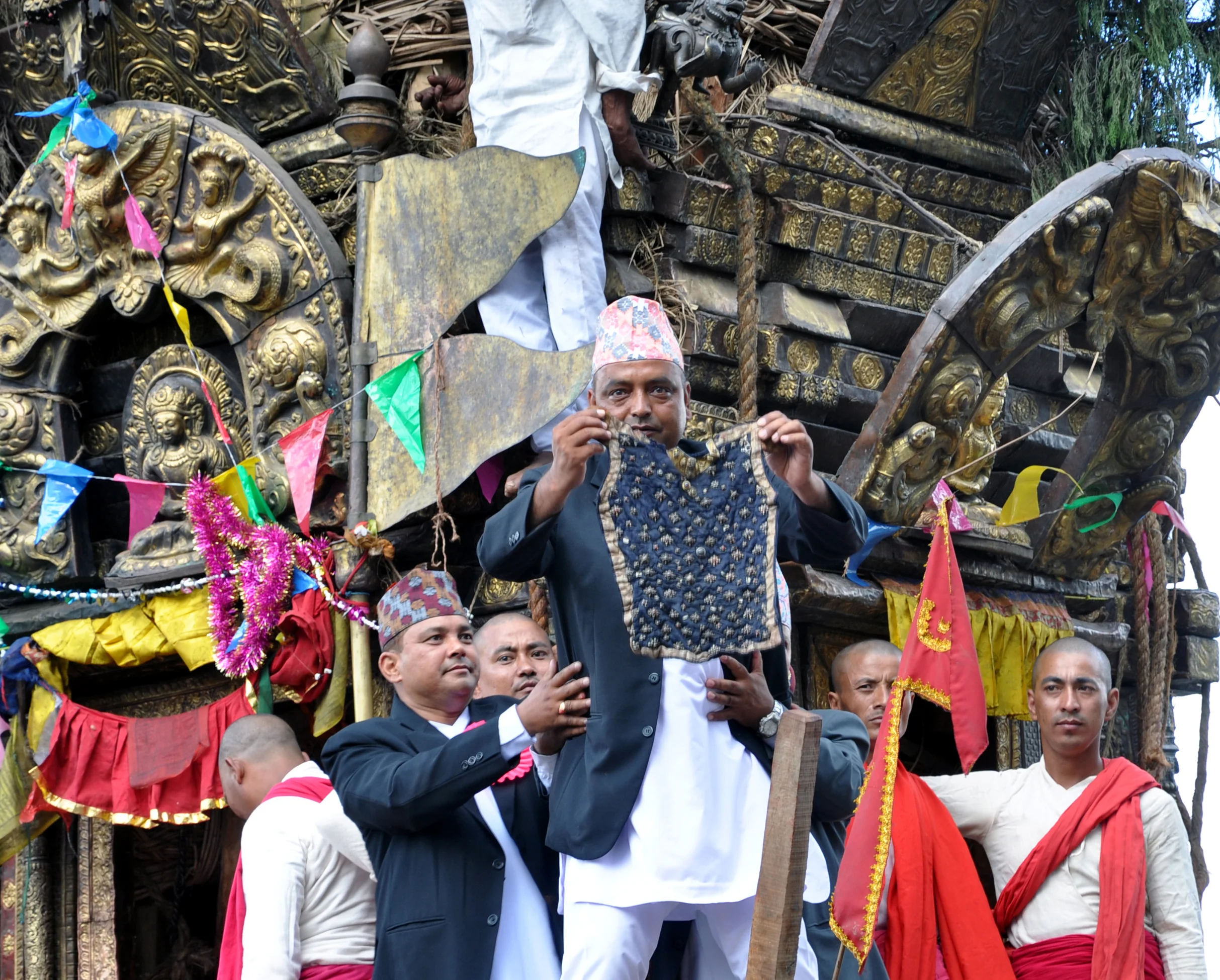
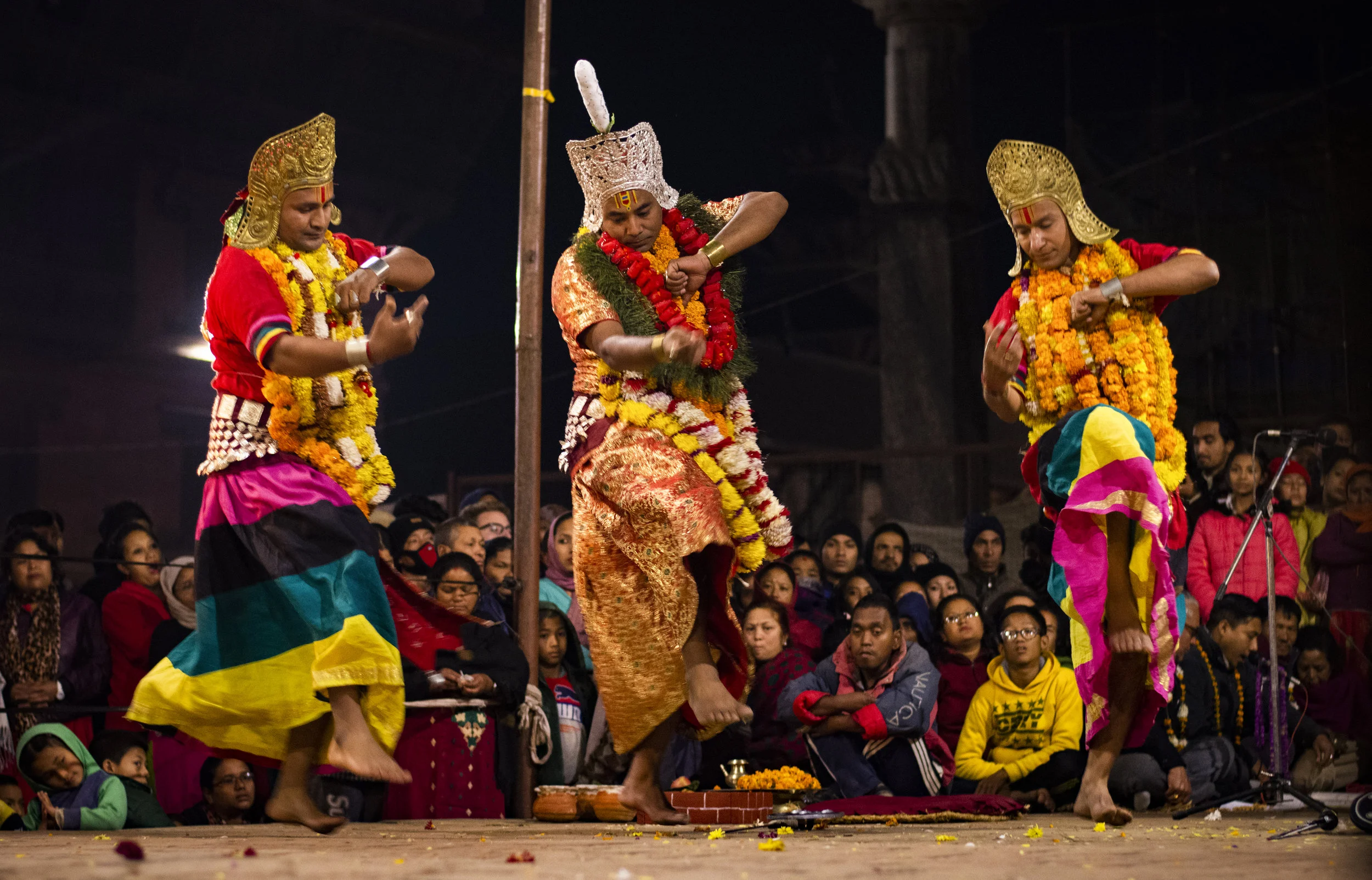
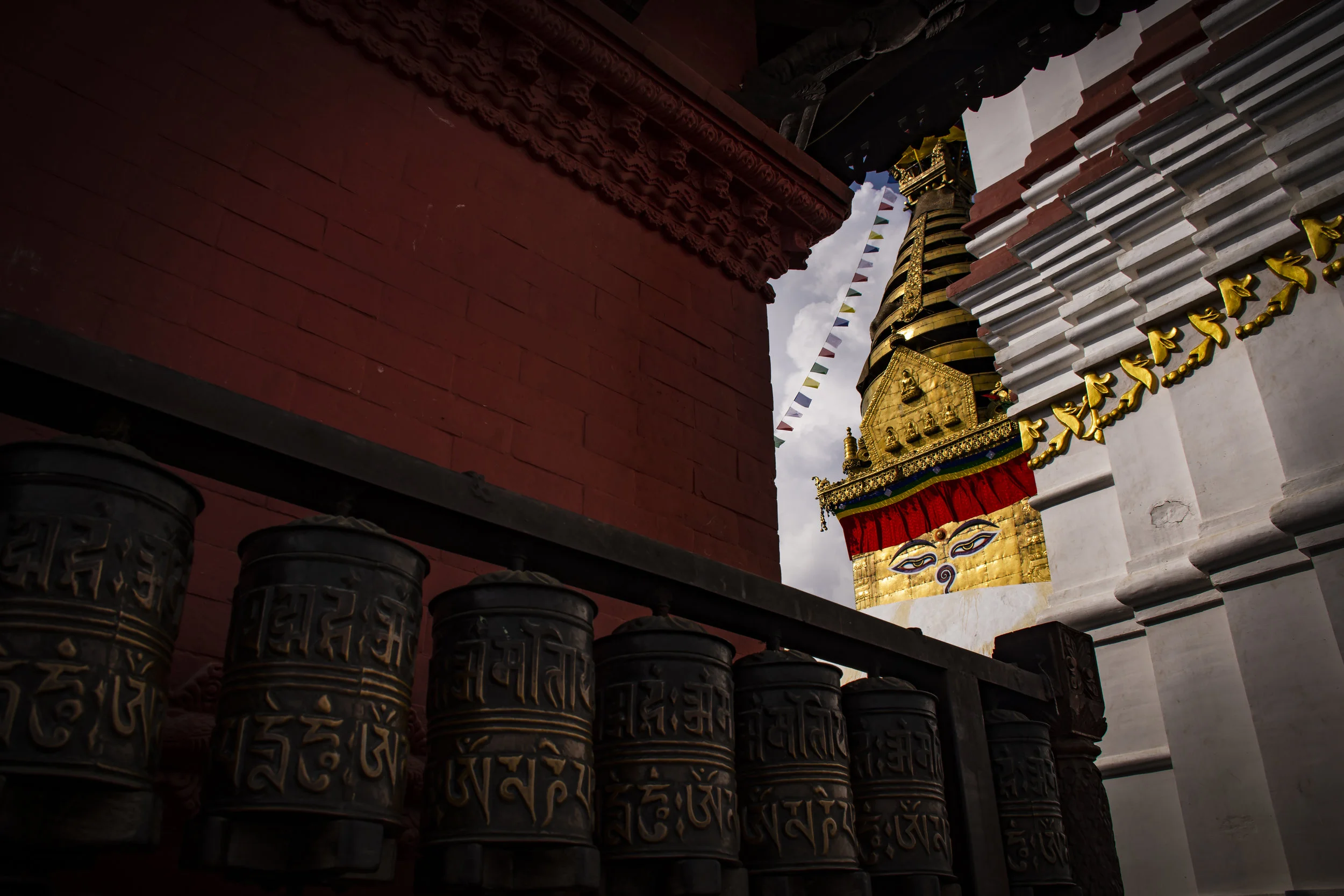
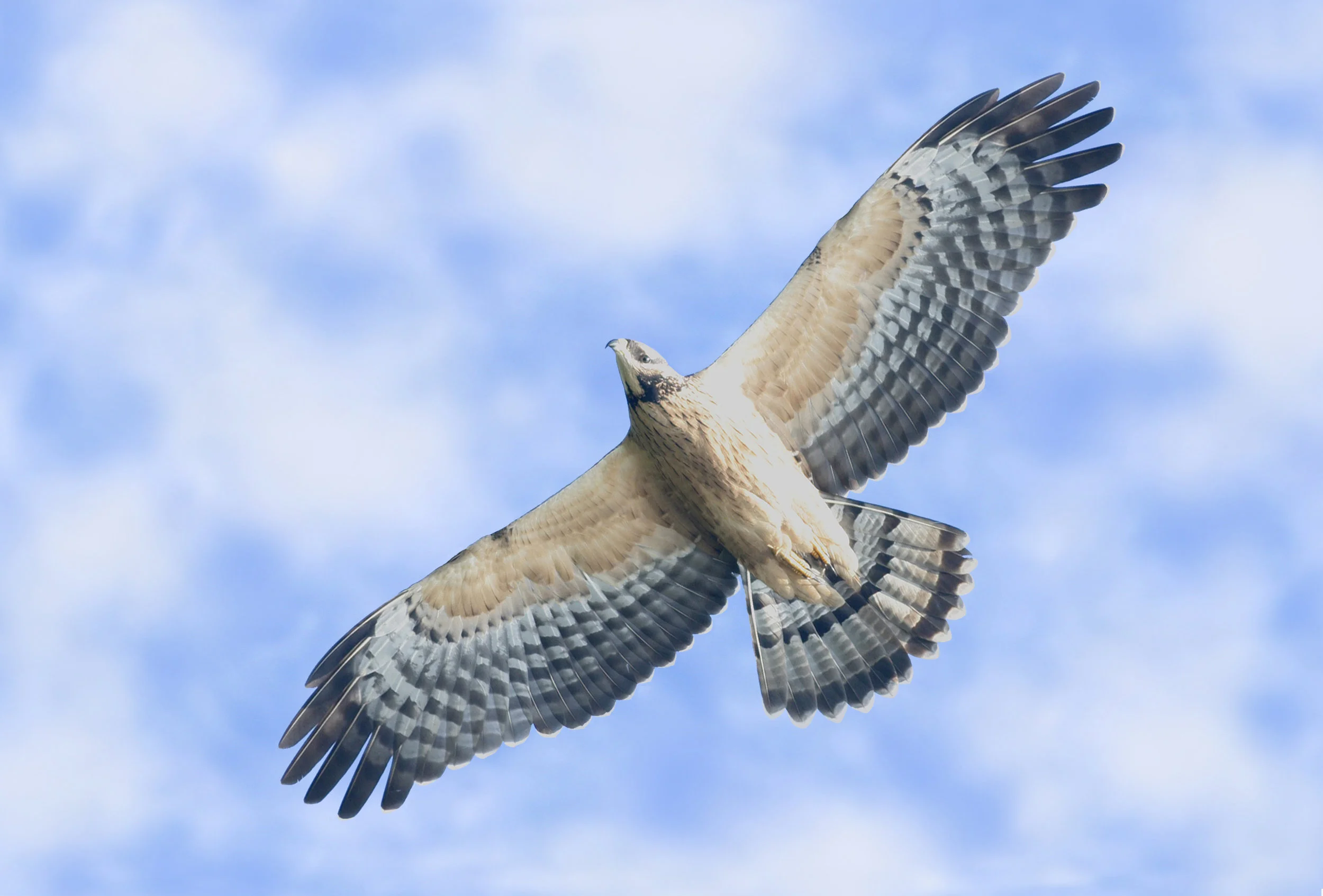
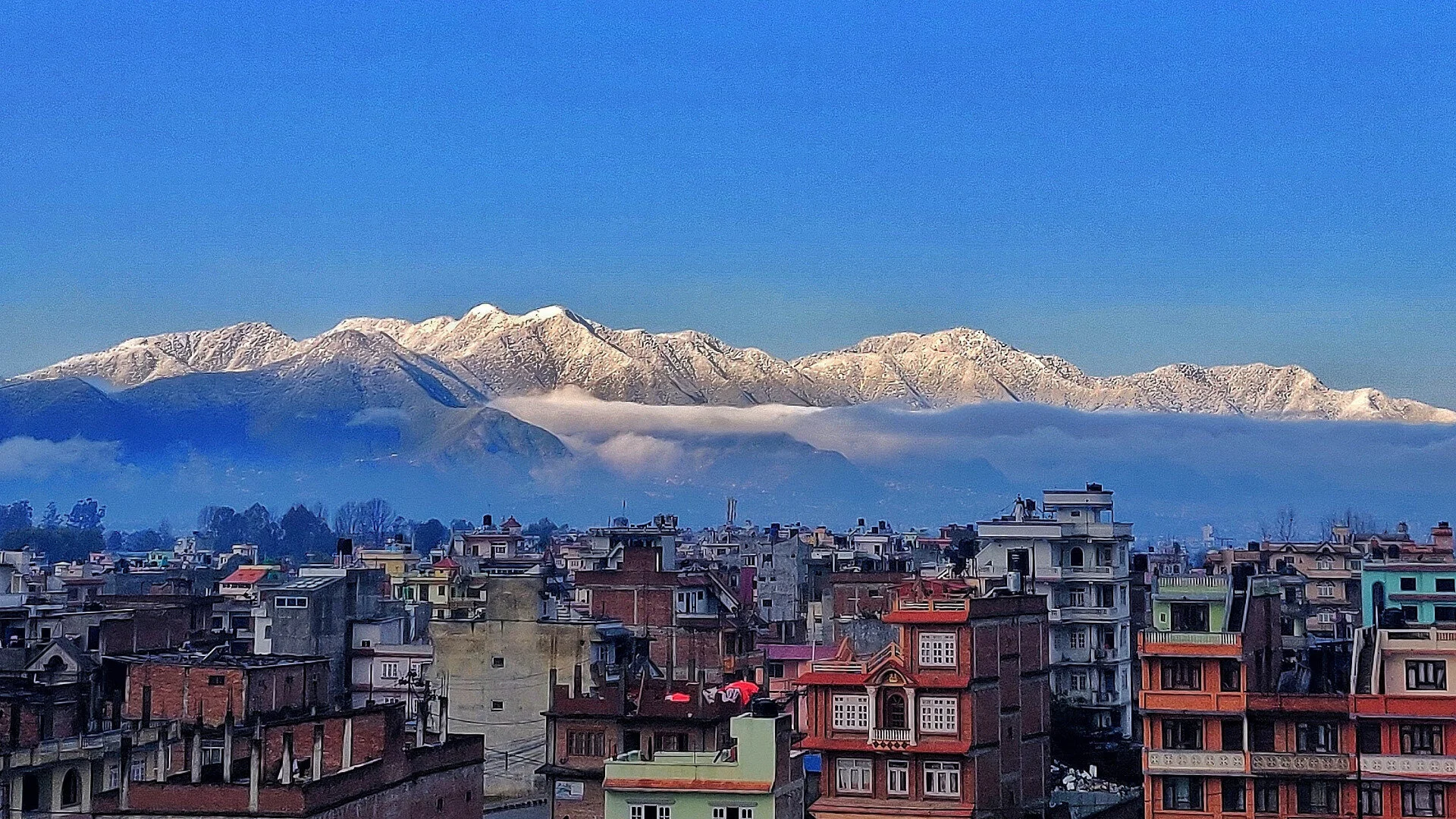
Cycle your heart through the City of Kathmandu
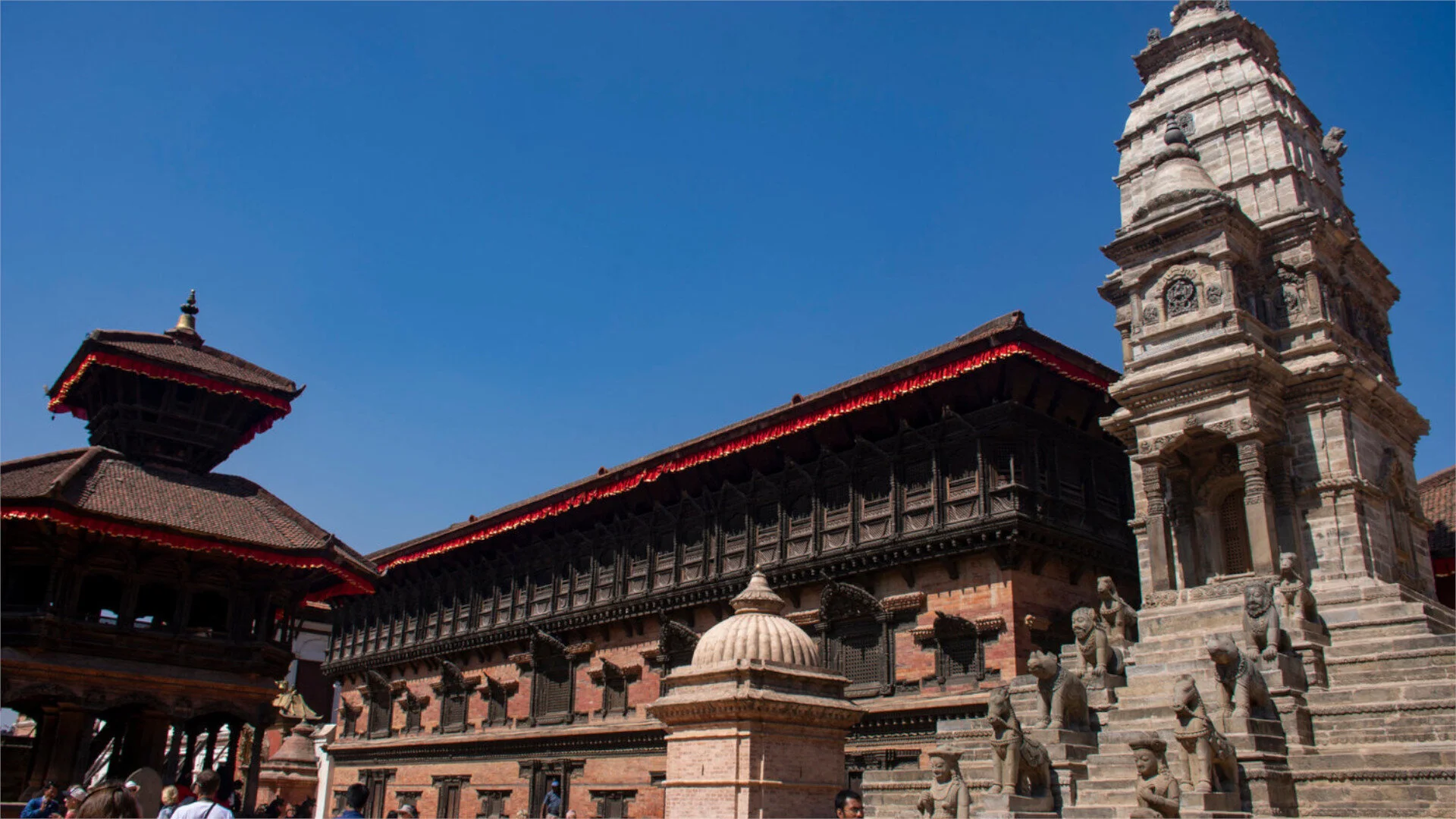
Kathmandu holds a surprising number of astonishing places in its edge and corners throughout the entire valley. One who like pedaling as an instinctive hobby, there are bunch of popular smooth as well as reckless trials routes for cycling all over the valley, perfect to adventurous preference.
Cycling routes in and around the city
Kathmandu - Kakani – Budhanilkantha
Bhaktapur - Nagarkot – Sankhu
Budhanilkantha - NagiGompa – Kapan
Mudkhu - Jhor – Tokha
Chovar - Bungamati - Khokana – Chapagaon
The busy city of Kathmandu holds a surprising number of astonishing places in its edges and corners throughout the entire valley. Along with being a home for the diverse cultures and their artifacts, there are a good number of rustic outdoor adventure options here as well. For instance, If you’re either a professional biker with a carefree spirit to ride or someone who just likes cycling as an instinctive hobby during the weekends, there are a bunch of smooth as well as reckless trials spread all over the valley, perfect for your adventure preferences, giving you a chance to explore more of your home through a new piece of experience. Here are a couple of cycling routes from in and around the city for you to add in to your new cycling itinerary!
Kathmandu - Kakani – Budhanilkantha
If you're looking for something that makes you step out of your comfort zone, this trial is the most prominent one for you. Most of its entire single-track trial being raw and crippled, the trial is quite challenging yet captivating for your outrageous adventurous spirit. Through the breath-taking mountain views that passes by as you cycle your heart out to the wild and alluring view of the valley on top of the Kakani hills, this will be one of your most memorable cycling experiences. So, grab yourself some nutritious and energy-giving snacks and pack all your cycling gear as you have a new journey waiting for you!
Bhaktapur - Nagarkot – Sankhu
Take your two-wheeled motivation out for an adventure through the culturally rich part of the valley to the green wonders mother nature has sprinkled around it. You can start your journey early in the morning with a fresh spirit, and cycle your way through the morning lives of Bhaktapur city. As you’re up for a long ride this time, the roads of the Nagarkot hills have a bird-eye view of the exotic mountains blending in with the city for you as you’re making way for your bike to reach the beautiful city of Sankhu.
Budhanilkantha - NagiGompa – Kapan
Start your journey at the edge of the city this time as well. Through the peaceful roads of Budhanilkantha that moves along to the jungles of the Shivapuri National park where the trees make way for the uphill road you’re cycling through. There is an easy 30 min long single track here that later joins back to the common road. Although the ride needs some skills and techniques when it comes to tackling the steepy slopes through the journey, as you go downhill, your love for adventure will grow as you breath in the rage you experience as you’re cycling down. When the ride ends at Kapan, you can put your bags down and have a nice meal with the beautiful view of the place, taking in your worth-the-while adventure.
Mudkhu - Jhor – Tokha
Going North, through an easy slope through the Trishuli Highway, you can reach Mudkhu, the centre point of many cyclists. With a list of options of tracks to take, you can cycle along the famous Trishuli highway up to Tinpiple admiring the view of rice-fields with light residence around them and the long forests that passes by. As you make it to Jhor, with some help from the locals, you can follow up with the confusing roads and find your preferred location to sit and rest for a bit. The waterfall here is also a good option to visit for a nice breather after the long ride. After a bit more cycling, as you return through the ancient Newari City of Tokha, make sure you enjoy and appreciate the delicious cuisines and the genuine kindness the locals have waiting for you.
Chovar - Bungamati - Khokana – Chapagaon
If you’re looking for a rather easy cycling expedition, start from the south of the valley at Chovar. As you cross the short upbeat roads of Chovar, the trials lead to the peaceful livelihood of Bungmati and Khokana, giving you a chance to breathe in the fresh and friendly air of the place and a fascinating view of the traditional settlements of people surrounded by the alive fields. As you continue your ride through the roads of Chapagaon, the greenery will please your experience with very less traffic and a neutral environment. However, if you’re still seeking for a spontaneous adventure for your free spirit, you have the option to continue your trial up to Raj Kulo to add in a bit more challenge to the journey. Alternatively, as well, you could take the route to Lakuri Bhanjyang and pay a nice short visit to toward the east, to the ancient city of Panauti.
POPULAR ITINERARIES
SIMILAR POSTS
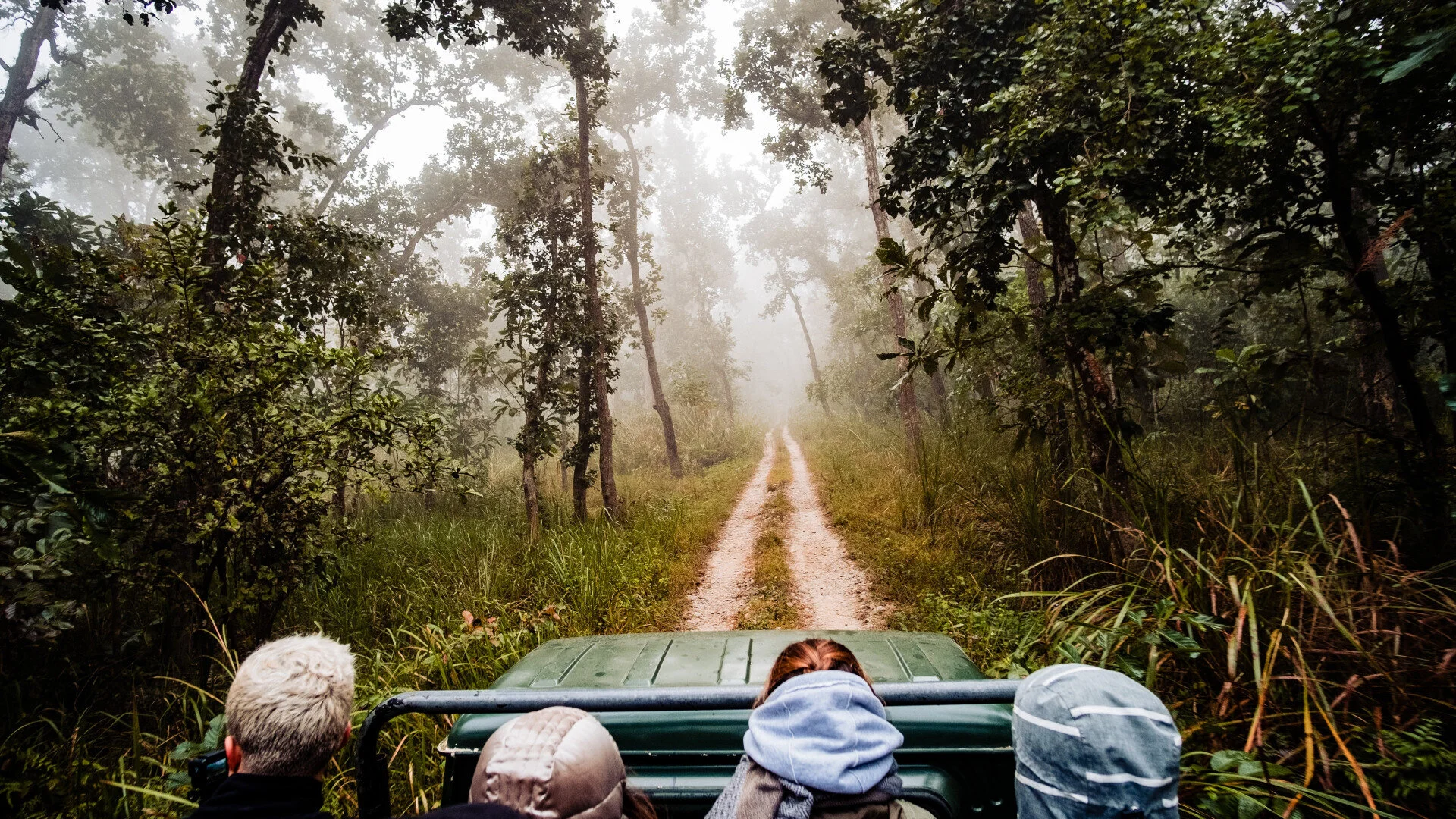
National Parks In Nepal - Part I
With an avid diversity of flora and fauna - which range from the lowlands of Terai to the Himalayan mountains, Nepal has several protected areas worth visiting. Nepal's National Parks are popular among the tourist for activities like tour and trek.
Nepal is home to an avid diversity of flora and fauna, which range from the lowlands of Terai to the Himalayan mountains. Each bio-zone host's multiple ecosystems, which are called home by thousands of species of birds, mammals, reptiles and amphibians. Nepal’s natural beauty has always been its pride and conserving it has always been a top priority. Thus under the National Parks and Wildlife Conservation Act, 2020 (1973AD), the government of Nepal created the guidelines to declare and maintain National Parks, Conservation Areas, and Hunting Reserves.
Chitwan National Park
Sagarmatha National Park
Langtang National Park
Rara National Park
Today the protected areas of Nepal cover mainly forests and are located at various altitudes in the Terai, as well as in the foothills of the Himalayas and the mountains themselves. Nepal even though is small in terms of area size covering only 147,181 sq km. The altitudes range from 67 m to 8,848m. This extreme altitudinal gradient has resulted in 11 bio-climatic zones ranging from lower tropical below 500m to nival above 5,000m in the High Himalayas encompassing nine terrestrial ecoregions with 36 vegetation types. The government of Nepal under the National Park and Wildlife Conservation Act, 2020(1973AD) established a total of 12 National Parks, 1 Wildlife Reserves, 6 conservation Areas and 1 Hunting Reserve. In 2017, the Shuklpahanta and Parsa Wildlife Reserves were upgraded into National Parks.
In this series of articles, we explore the various National Parks, their level of accessibility and attractions.
Chitwan National Park
Province: 03
Distance From Kathmandu: 170 Km
Accessibility: Deluxe Buses Available from multiple Bus Hubs in Kathmandu, Domestic Airlines offer direct flights from Pokhara and Kathmandu to Bharatpur
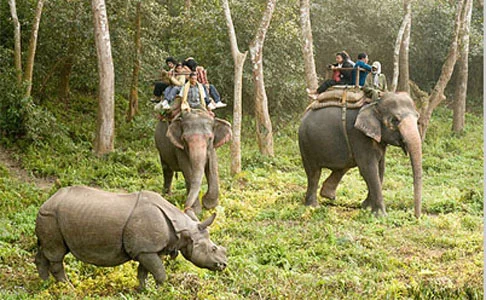
Attractions: Bird Watch, Natural Escape, Experiencing Tharu and Maithali Culture, Bishazari Tal ( Ramsar Site), CG Ashram, Jungle Safari, Wildlife Encounters, Wildlife Photography
Season: October to March ( Best siting of the wildlife is from January to March)
Chitwan National Park is the first national park in Nepal. It was established in 1973 and granted the status of a World Heritage Site in 1984 AD. It covers an area of 952.63 km2 (367.81 sq mi) and is located in the subtropical Inner Terai lowlands of south-central Nepal in the districts of Nawalpur, Parsa, Chitwan and Makwanpur. In altitude, it ranges from about 100 m (330 ft) in the river valleys to 815 m (2,674 ft) in the Churia Hills.
In the north and west of the protected area, the Narayani-Rapti river system forms a natural boundary to human settlements. Adjacent to the east of Chitwan National Park is Parsa National Park, contiguous in the south is the Indian Tiger Reserve Valmiki National Park. The coherent protected area of 2,075 km2 (801 sq mi) represents the Tiger Conservation Unit (TCU) Chitwan-Parsa-Valmiki, which covers a 3,549 km2 (1,370 sq mi) huge block of alluvial grasslands and subtropical moist deciduous forests.
Sagarmatha National Park
Province: 01
Distance From Kathmandu: 137 km
Accessibility: By Air, one can get flights to Tenzing - Hilary Airport at Lukla from Kathmandu, By road one can catch a bus to Jiri and trek to Sagarmatha National Park which is approximately a 10-day trek. One can also take the bus to Salleri and trek to Sagarmatha National Park which is a 5 days trek. Charter helicopters to Lukla are catered by multiple air groups as well.
Attractions: Mt Everest, Ama Dablam, The Gokyo Complex, Tengboche Monastery, Kala Pathar, Landscape Photography, Experiencing Sherpa Culture, Wildlife Photography.
Sagarmāthā National Park is a national park in the Himalayas of eastern Nepal that is dominated by Mount Everest. It encompasses an area of 1,148 km2 (443 sq mi) in the Solukhumbu District and ranges in elevation from 2,845 to 8,848 m (9,334 to 29,029 ft) at the summit of Mount Everest. In the north, it shares the international border with the Qomolangma National Nature Preserve of Tibet. In the east, it is adjacent to Makalu Barun National Park, and in the south, it extends to Dudh Kosi river.] It is part of the Sacred Himalayan Landscape.
Langtang National Park
Province: 03
Distance From Kathmandu: 30 km
Accessibility: The Langtang Valley Trek begins from Syabrubesi which one can reach via a local or privately hired bus or jeep in 9 - 10 hours from Kathmandu.
Season to Avoid: Monsoon ( June- August)
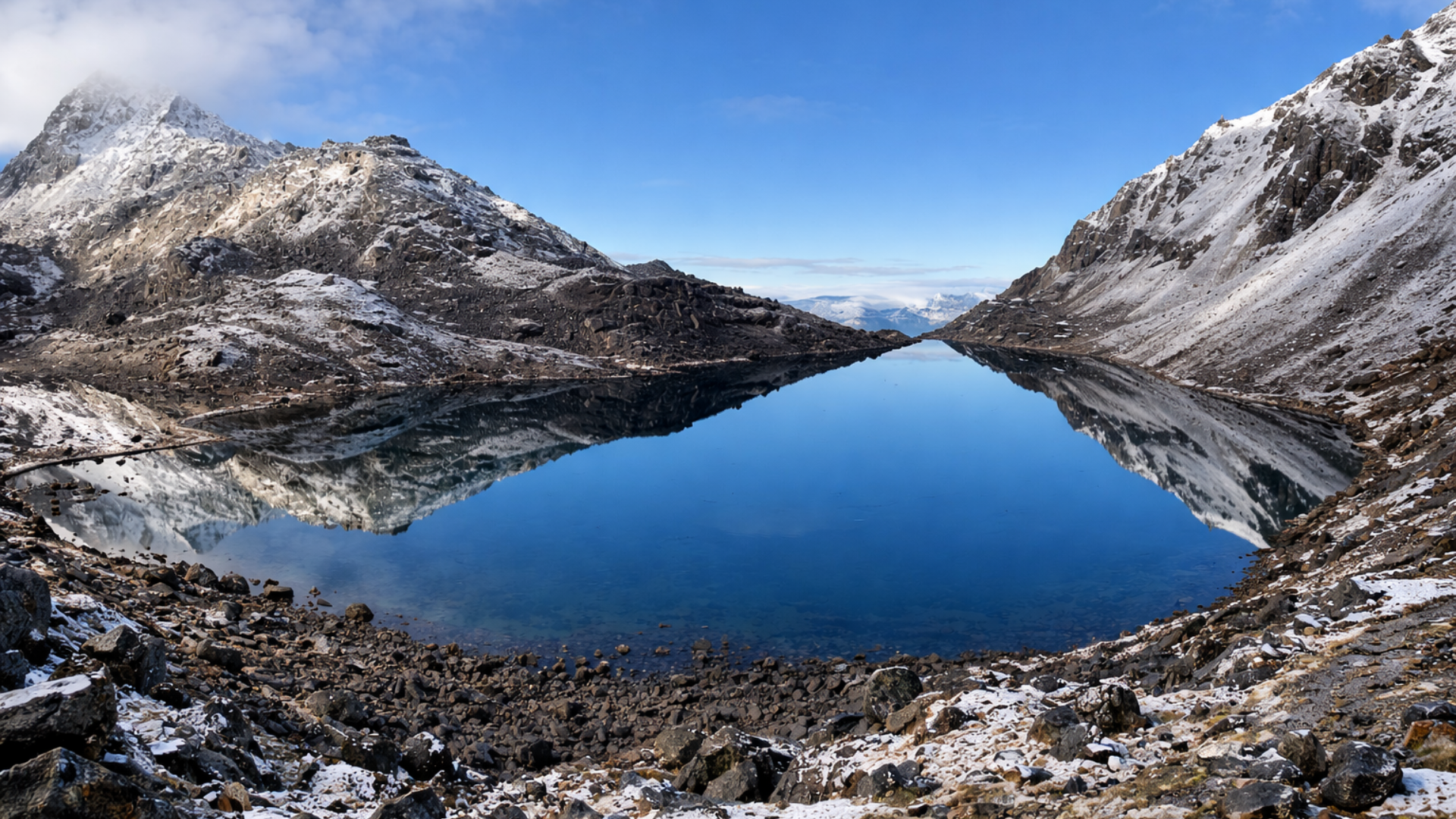
Attractions: Gosaikunda Lake, Experience Tamang and Gurung Culture, Landscape Photography, Lantang Lirung Range, Sacred Ganesh Himal, Ganja La Pass, Kyanjin Gompa
Langtang National Park was established in 1976 as Nepal's first Himalayan national park and the country's fourth protected area. It exceeds an altitudinal range of 6,450 m (21,160 ft) and covers an area of 1,710 km2 (660 sq mi) in the Nuwakot, Rasuwa and Sindhulpalchok Districts of the central Himalayan region encompassing 26 village communities. In the north and east, it is linked with Qomolangma National Nature Preserve in Tibet. The western boundary follows the Bhote Kosi and Trishuli Rivers. The southern border lies 32 km (20 mi) north of the Kathmandu Valley.
The high altitude sacred Gosainkunda lake is located at an altitude of 4,300 m (14,100 ft) inside the park. The Dorje Lakpa range at 6,988 m (22,927 ft) bisects the park from the west-east to south-east. The summit of Langtang Lirung (7,245 m (23,770 ft)) is the highest point in the park.
Rara National Park
Province: 06
Distance From Kathmandu: 375 km
Accessibility: To reach Rara region by air one must take a flight to Nepalgunj, and then from Nepalgunj to Jumla or Talcha (Rara) Airport. From the town of Jumla, it’s a 2-day trek to the National Park whereas from Talca Airport it’s a mere few hours walk to Rara National Park.
Attractions: Rala Lake, Juniper Forest, Landscape Photography, Wildlife Encounters, Bird Watching
Season: Spring, Summer and Autumn. Rara region can also be traversed in the winters but he uncertainty of the weather, low temperatures make the trip a little more difficult than normal.
Rara National Park is a protected area in the Himalayas of Nepal and was established in 1976. Covering an area of 106 km2 (41 sq mi) in the Mugu and Jumla districts, it is the country's smallest national park. Its main feature is Rara Lake at an altitude of 2,990 m (9,810 ft).[1] The park was established to protect the unique flora and fauna of the Humla–Jumla Region of Nepal.
The park ranges in elevation from 2,800 m (9,200 ft) to 4,039 m (13,251 ft) at Chuchemara Peak on the southern side of Rara Lake. On the northern side, the peaks of Ruma Kand and Malika Kand frame the alpine freshwater lake, which is the largest lake in Nepal with a surface of 10.8 km2 (4.2 sq mi) and a maximum depth of 167 m (548 ft). It is oval-shaped with an east-west axis, a length of 5 kilometres (3.1 mi) and a width of 3 km (1.9 mi) draining into the Mugu-Karnali River via Nijar Khola.
SIMILAR POSTS
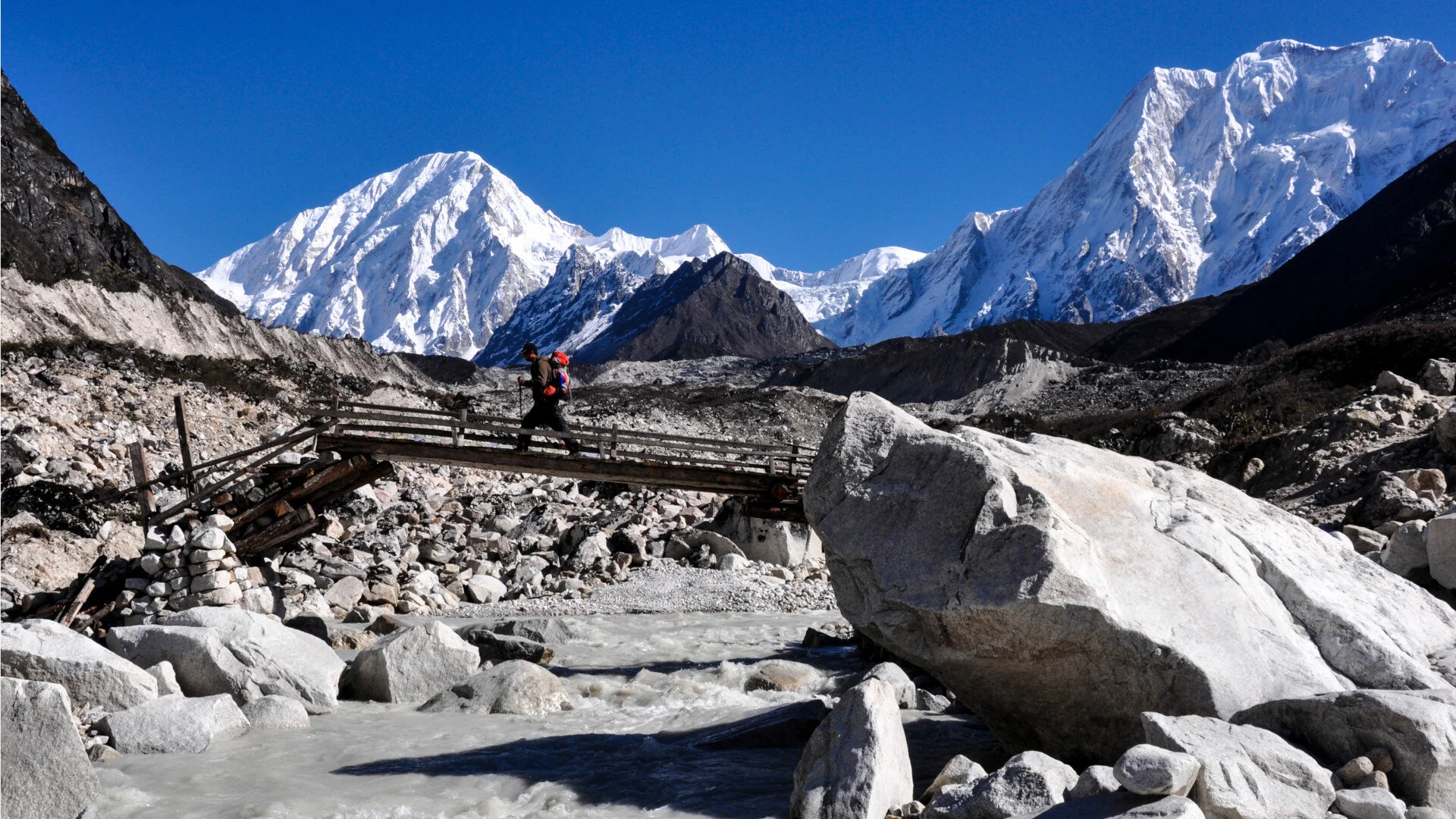
Off-The-Beaten Paths not to miss this Visit Nepal 2020
If anyone seeks quiet and peace trekking routes, less traveled or fully off the beaten track. Nepal has a handful of very quiet, beautiful and splendor trails traversed by few, perfect for peace seekers.
Lifetime Experiences: Off-The-Beaten Paths You Shouldn’t Miss This Visit Nepal 2020
In 2018, Nepal Tourism Board launched “Visit Nepal 2020” with a tagline of “Lifetime Experiences”. Nepal awaits and welcomes you with our diverse culture, untarnished nature and geography. Nepal is a country with 8 of the 10 highest mountain peaks, and several layers of hills between the Himalayas and plain Terai range. Here are 4 places which are suitable for Visit Nepal 2020.
Pokali Jharana (Waterfall)
Best Season: April - July
Location: Okhaldhunga, Mid-Eastern Nepal
Duration: 2 - 3 days
Considered as second largest waterfall of Nepal, Pokali offers indifferent and mesmerizing experience with a touch of simplicity. Pokali Waterfall lies at Likhu rural municipality-9, Okhaldhunga, with view of mountains and green hills to accompany you through the way. Pokali is 200 km from Kathmandu. Sirishe Bazar (starting point for hike) can be reached in 8-9 hours drive from Kathmandu.
Pokali waterfall falls from 130m above from ground level. Once you are there, you can hear the magnificent waterfall through its roar from several hundred meters away and feel those cold droplets of water bouncing off the rocks as you draw near which reinvigorates your whole experience. On a lucky day, rainbow created by the sun’s rays around waterfall can be seen some time during the afternoon. It is highly recommended to spend some time in Hadi Daha (pond) located at the bottom of the waterfall where you can alleviate along the banks.
Moreover, Pokali is culturally diverse as people from different cultures such as Sunuwar, Sherpa, and other communities live together and have created a mixed culture with some interesting food variety. The delicacies in Pokali is worth the travel.
Tsum Valley Trek
Best Season: October - November and February - April
Location: Gorkha, Central Region
Duration: 10 - 14 days
The name Tsum” is derived from Tibetan word “Tsombo” which refers to vivid. Tsum valley is located in the northern Gorkha. This hidden valley hosts the view of Manaslu Himal(8156m), Ganesh Himal(7429m), and Boudha Himal range and is rich in ancient art, culture and tradition.
Tsum valley is one of the least trekked trail in comparison to other destination as it was restricted to travel before 2008. The local population of the valley are mostly of Tibetan origin and have their own dialects, traditions and customs. In a way, their culture and tradition are in contrast to other parts of Nepal. The valley is still untouched from privileges of modern society, as such, unique culture of Tsum has remained intact and unchanged for centuries, with minimal influence from the outside world. In addition, flora and fauna is culturally protected as hunting and fishing are prohibited here. And in the valley, clear nights give way to vivid stars and galaxy dust.
Trek to Tsum starts from Arughat in Gorkha district, one can easily reach in 7-8 hrs drive from Kathmandu. After which, the route follows through banks of Budhi Gandaki river and passes through dense forest, terraced fields & villages. You can also experience the beauty of alpine forests and glacial rivers along the way. Several Buddhist monasteries, Mani walls, illustration of deities provide a glimpse of ancient relics. The altitude in this trek varies from 1905m in Lhokpa to over 5093m on the Tibetan border at Ngula Dhojhyang Pass. The Tsum Valley trek is remote area trekking therefore, you cannot expect to have luxury accommodation so, camping can be a good option for the visitors and could be a once in a lifetime experience.
Khaptad National Park
Best Season: October - November and April - June
Location: Far-western Nepal
Duration: 7 - 10 days
Khaptad National Park, a protected area established in 1984, stretching over four districts of Bajhang, Bajura, Achham and Doti with elevation ranging from 1,400m to 3,300m above sea level. This park is regarded as a garden of herbs and a museum of natural history for its variety of medicinal herbs, various species of flowering plants, bird species such as flycatchers, bulbuls, cuckoos and eagles. Khaptad also hosts a rich variety of wild animals, such as barking deer, wild dog, wild boar, himalayan black bear, yellow-throated marten, macaques and langur monkey.
Escaping from city life into serene view of the meadows, sweet chirping of birds whilst listening to whistling winds is the kind of acquaintance you get from Khaptad. During spring to autumn, the fields have a magical touch and are said to be covered with various colorful blooming flowers such as Primulas, Wild Berries and Bistortas. However, being a high plateau, the weather can be unpredictable. Occasionally the clouds from neighbouring lowlands would cover sky in no time creating foggy environment.
Khaptad is also regarded with religious importance as it was home to Khaptad Baba (hindu saint) where he spent most of his life and it’s called Khaptad Baba Ashram. It is now an open museum. The other religiously important sites within the park include Tribeni, Khaptad Daha(lake), Kedardhunga, Maithan, Sahashra Linga.
The gateway to Khaptad is Silgarhi Bazaar in Doti district, from where the park headquarters is 50 kms. The best way to reach Silgarhi is via Attariya Chowk in Kailali district which is 9 hours drive. Buses to Attariya Chowk & Kailali, are available at the Central Bus Station, Gongabu, Kathmandu. Another option is to catch a flight to Dhangadi from where one can drive to Silgarhi Bazaar.
Makalu Barun National Park
Best Season: October - November and February - April
Location: Solukhumbu, North-Eastern Himalayas
Duration: 10 - 12 days
Makalu Barun National Park is situated in Sankhuwasabha and Solukhumbu districts. The Park covers 2,330 sq. kms out of which 1500 sq. kms is virtually uninhabited. This remote terrain stretches east from Sagarmatha (Mt. Everest) National Park, between the high plateaus of Tibet and the deep gorge carved by The Arun River. The view of vigorous Himalayan peaks, including Mt. Makalu (8463m) 5th highest in the world, Mt. Chamlang (7319 m) and Mt. Baruntse (7129m) is beyond comprehension due to its altitudinal incline.
Glaciers, glacial lakes, rivers, hot springs, cliffs, gorges and snow-capped peak are few of the main attractions here. This unique landscape shelters various unspoiled mountain ecosystems where rare species of animals and plants flourish in diverse climates and habitats, relatively undisturbed by human intrusion. Over 400 species of birds have been sighted in the Makalu Barun area, including spotted wren babbler and olive ground warbler. Wildlife including the endangered red panda, musk deer, Yarsagumba (caterpillar Fungus) are found here.
There are regular flights from Kathmandu to Tumlingtar. Or you can drive 11-12hours from kathmandu to Hile and then trek 3 days to Tumlingtar. From Tumlingtar you can head towards Sedua (headquarters of Makalu Barun). If u wish to go higher, then Tashi Gaon is your next stop where you have to refill your food and fuel supplies. Along the trail you have few designated camping sites with very few lodges. Some of these sites are: Khongma(3500m), Dobato(3500m), Yangle(3570m), Neghe(3700m), Langmale(4100m) and Shersong(4600m).
Note: Mountain sickness can also be a serious risk if elevation gains are rapid without proper acclimatization.
Be prepared for the variations in temperature and precipitation due to extreme difference in altitude, slope and aspect within the area. All of this makes Makalu Barun National Park a must visit place for the adventure seeker and those want to experience pristine wilderness of the eastern mountains of Nepal.
SIMILAR POSTS
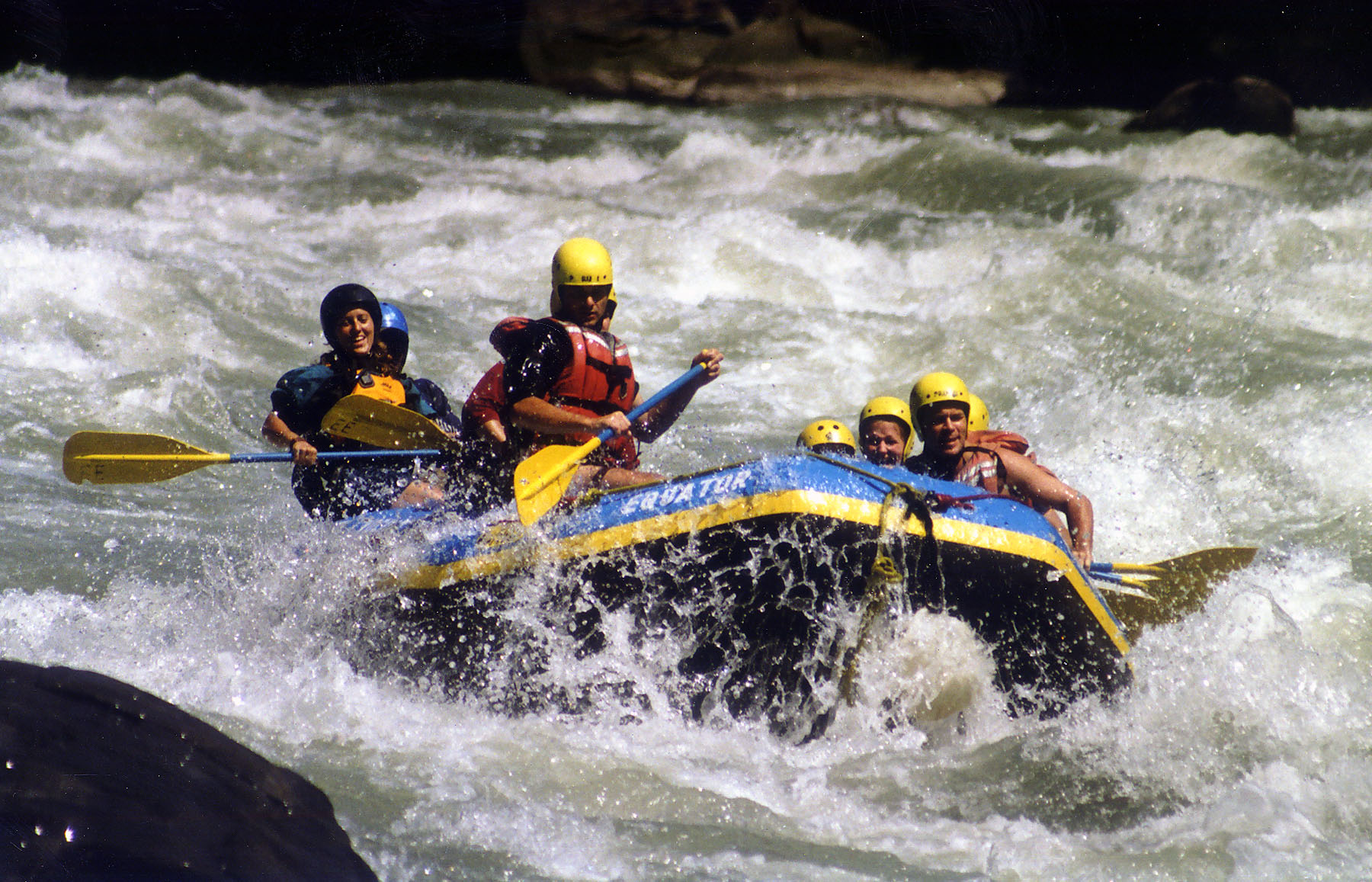
Seeking adrenaline in Nepal. Part 2
Nepal is a country where there are adventurous destinations and most beautiful cultural heritage full of temples, rivers, and magnificent mountains. Whether you want to see the beauty or you want to make an unforgettable moment by experiencing the breathtaking adventure activities of Nepal.
If you are looking for ways to conquer your fear or just want to do something crazy for your adrenaline kicks in, the high lands of our country can help you achieve this goal. It is an adventure playground for thrill seekers and adrenaline junkies. For all you risk takers and brave hearts, our country excels in adventure tourism and here's some of the adrenaline arousing activities in our country:
Crossing a suspension bridge
- For people who are scared of heights, walking in a suspension bridge can be a nightmare. The longest suspension bridge can be found in Kusma, which is a small town only a couple of hours outside of Pokhara. The walk through the bridge is scary and it becomes a never-ending journey as the bridge is 344 meters long and 135 meters high. The view of Kali Gandaki below can make your head spin and your heart can race uncontrollably.
- However, you can experience different kind of thrill on a suspension in the Himalayas. The Edmund Hillary suspension bridge, located in the Himalayas is 160 meters high. It may not be as long as the one in Kusma but as the porters pass you while crossing the bridge, the large hauls that they carry can make it very bouncy. Also, if mules and yak are walking beside you, get ready to experience mini heart attack!
River rafting down the Bhote Koshi River
- Bhote Koshi is the most popular whitewater rafting destination in Nepal. The upper section of this river features class V rapids and this has been the main attraction for skilled kayakers while its lower sections and their class III rapids are mostly preferred by the new-bies who are exploring their rafting skills. Along with this, Bhote Koshi also provides mind blowing views of the enchanting waterfalls, lush green jungles and ancient villages.
Canyoning
- Canyoning can be a bold adventure choice to experience the thrills of nature in the wild. Imagine the level of adrenaline rush you experience while descending down streams on a rope and jumping down to spotless pools from canyon walls. You can get a special package of canyoning along with hiking, trekking with other thrilling adventures. Canyoning sites are available at Marsyandi, Kakani, Sunkoshi, Kulekhani, Sundarijal, Bhotekoshi.
Waterfall Ice Climbing
- As Nepal has eight of the highest peaks of the world, it's no wonder many mountaineers have come here to explore and get a taste of their own adventures. What better way to arouse their adrenaline then by ice climbing?
- If you choose to literally push yourself to the limit by battling extreme altitudes, taking on the toughest icefall and jagged peaks, then this mind blowing experience is just the thing for you. While climbing this incredibly frozen water, you get to witness amazing landscapes which are completely different to experience. You can try ice climbing in places like Thame, Annapurna, Langtang valley.
Ultra light flying
- This adventure can be pretty similar to mountain flights but with extra chills! The microlight aircraft helps you fly through the clouds with the wind on your face and with a view of the unhindered mountain peaks. It's an experience of a lifetime with the feeling of freefalling in the mountains. If you cannot contain the excitement anymore, Pokhara airport is calling you!
Parahawking
- Parahawking can best be described as paragliding with falconry. You can actually fly with birds of prey! Parahawking combines the modern technique of paragliding capturing a bird's natural instinct. You get to explore the jungles through the eyes of this bird.
- During the flight, the passenger regularly place small chucks of meat on their hand for the bird to refuel. This is a unique adventure which deals with conservation and eco- tourism and gives the opportunity to interact with the birds of prey while experiencing the Himalaya from the sky. Paragliding and Parahawking can be experienced together in Pokhara.
Heli Skiing
- Nepal offers an excellent location for heli- skiing activities with amazing height of the Himalayas as the helicopter drops you off at the start of your run with the longest distance starting at 5,000 meters above sea level.
- Your adventure begins as you make your own tracks through the beautiful powdered snow while praising the forest scenery and mountains views on your way down. You can try heli skiing in the Makalu, Dhaulagiri, Kangchenjunga, Everest and the Dolpo regions.
Jungle safari
- The Himalayan region is famous for mountaineering but we cannot forget the plains. You can go on a Jungle safari and observe magnificent creatures in their natural habitat. Chitwan and Bardiya national park can be the perfect place to enjoy and relax in the tropical climate and greenery if you are a lover of wilderness.