
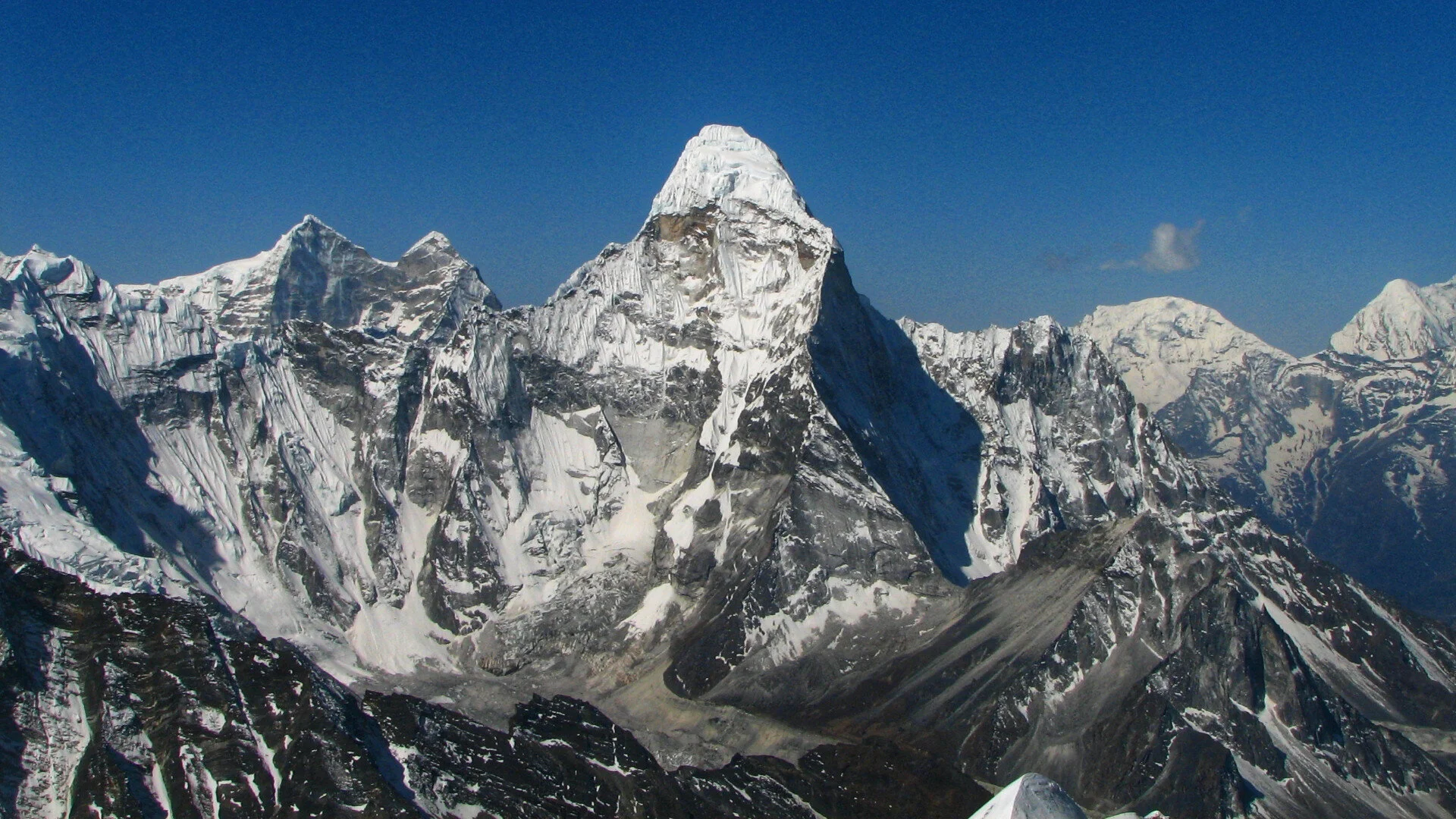
Exploring Island Peak
Island Peak, standing at 6189m as the extension of both the Lhotse and Mount Everest, also known as the Imja Tse, is one of the most popular, exciting, and stunning destinations to trek in Nepal.
Standing at 6189m as the extension of both the Lhotse and the Everest, Island Peak is one of the most popular, exciting, and stunning destinations to trek in Nepal. Also known as the Imja Tse, the peak, however, is a difficult one to the summit.
The mountain requires substantial physical fitness, and has a low tolerance towards health issues, making the ascent quite challenging, yet a lot more rewarding; especially in Mid-March through May, and Mid-September through November. This trek can be completed within a duration of 10 to 20 days, keeping safety considerations and the itinerary in mind.
Itinerary
DAY 1: KTM – LUKLA – PHAKDING
The easiest way to reach the Himalayan Region from the capital is via air. We will take an early flight to Lukla and from Tribhuvan International Airport, and then trek to Phakding via the picturesque Dudh Koshi Valley.
Accommodation: Lodge in Phakding
DAY 2: PHAKDING – NAMCHE
After breakfast, we will pass through beautiful pine, fir, and juniper forest to reach the entrance of the Sagarmatha National Park, crossing five long suspension bridges over the Dudh Koshi River along the way. If the weather is clear, we can even get a glimpse of Mt. Everest.
Accommodation: Lodge/ hotel in Namche Bazar.
DAY 3: NAMCHE
The rest of the trek requires acclimatization. So the day shall be spent adapting to the region of Namche and regaining strength for what is to come. Various activities such as going up to the Tengboche to get a panoramic sunset with the Himalayas, trinket shopping, and sampling local cuisine are possible activities for the day.
DAY 4: NAMCHE – MONLA – PHORTSE
With efforts to adapt more to the altitude, we shall be taking a detour and visiting some more places in the Everest region. We will trek through Monla and reach the beautiful village on Phortse, just above the tree line.
DAY 5: PHORTSE – PANGBOCHE – DINGBOCHE
We will walk to Dingboche from Phortse via the Pangboche, savouring the view of the remarkable glaciers along the way.
DAY 6: DINGBOCHE – CHHUKUNG
On the way to Chhukung from Dingboche, we will get a view of Ama Dablam, the ridge of Nuptse-Lhotse, Tawache, and Chalotse. We can even get a sight of the Island peak on the way, near Bibre Village.
DAY 7: CHHUKUNG
We will acclimatize ourselves to get used to the high altitude by climbing Chhunkung Ri, from whose summit we can see a fantastic view of Ama Dablam and Amphu Lapsa.
DAY 8: CHHUKUNG – ISLAND PEAK BASE CAMP
We will trek up to the last settlement valley of Chhukung and reach the base camp to the southern side of the peak.
DAY 9: ISLAND PEAK BASE CAMP (TRAINING)
We will learn about the various procedures, technicalities, and safety parameters required to climb the Island Peak.
DAY 10: ASCEND TO PEAK – ISLAND PEAK BASE CAMP
We will start our ascent to the peak right after midnight. After we reach the summit, we will be taking pictures and descend back to the base camp to celebrate our success.
DAY 11: ISLAND PEAK BASE CAMP – PANGBOCHE
We will descend back to Pangboche from the base camp, which is more moderate since we are going to a lower altitude. Pangboche is a beautiful village surrounded by Everest, Ama Dablam, Thamserku, and Imja Tse River.
DAY 12: PANGBOCHE – NAMCHE
We will walk from Pangboche to Namche via Tengboche a region in seasonally enveloped with rhododendrons and juniper trees. If we are lucky enough, we might catch a glimpse of mountain goats, snow leopards, and colourful pheasants as well. Overnight at Namche in a hotel/lodge.
DAY 13: NAMCHE – LUKLA
Taking the same path as that of day 1 and 2, we will go to Lukla from Namche along the Dudh–Koshi River.
Here is a short version of the same itinerary:
DAY 1: KTM – LUKLA – NAMCHE
DAY 2: NAMCHE
DAY 3: NAMCHE – TENGBOCHE
DAY 4: TENGBOCHE – DINGBOCHE
DAY 5: DINGBOCHE – ISLAND PEAK BASE CAMP
DAY 6: TRAINING AT BASE CAMP
DAY 7: ASCEND THE PEAK – CHHUKUNG
DAY 8: CHHUKUNG – NAMCHE
DAY 9: NAMCHE – LUKLA
DAY 10: LUKLA – KTM
SOME TIPS TO KNOW:
Keep a few days extra in your schedule in case there should be any unforeseen delays.
Have the proper acclimatization time as per your need.
Buy right gear and clothing.
Get training beforehand.
Hire licensed guide and porter.
Carry extra personal medication for unforeseen delays.
Practice deep breathing during rests.
Do not hesitate to let your guide know if you're feeling any discomfort.
POPULAR ITINERARIES
SIMILAR POSTS

Hiking Trails In & Around Kathmandu Valley - Part I
Brisk weather coupled with scenic ambience is the perfect setting to indulge in a beautiful hike. The Kathmandu valley has numerous destinations featuring such chemistry, where one can rekindle their spirit in nature and experience serenity. These hikes range between three to six hours and can be coupled with your existing itinerary to enhance the experience.
Brisk weather coupled with scenic ambience is the perfect setting to indulge in a beautiful hike. The Kathmandu valley has numerous destinations featuring such chemistry, where one can rekindle their spirit in nature and experience serenity. These hikes range between three to six hours and can be coupled with your existing itinerary to enhance the experience.
In part I of this article, we explore the destination of Champadevi one of the highest viewpoints in Kathmandu Valley along with a hike from Nagarkot to Changu Narayan Temple in Bhaktapur.
Champadevi Hill
Altitude: 2,285 metres
Duration: 3 to 6 hours depending upon the trail taken
Highlights: Scenic pine forests, religious monuments such as stupas and monasteries, panoramic mountain views
Situated in the south-eastern corner of Kathmandu Valley, parts of this hill lie in the district of Makwanpur. Reaching the summit of Champadevi has several routes, but the most popular is through the Dollu Valley. A natural pine forest with grassy ridges creates a great ambience along with brisk weather even during peak summer.
Simple hiking gear with amenities of snacks, bottled water is recommended for this trip. During the monsoon, hikers must be cautious of leeches, if not protected correctly they can cause hinderance.
The route begins from Haatiban; the well-trodden trail makes it easy to follow. This route takes around three hours to Champadevi and back. Averaging 2,285 metres in altitude a day with perfect weather allows majestic panoramic views of Mt. Dhaulagiri, Annapurna, Manaslu, Ganesh Himal, Lantang Himal, Jugal Himal along with the Gaurishanker mountain range.
Another route to Champadevi begins from an outskirt town called Pharping which is 14.7 kilometres from the city of Lalitpur. The hike from Pharping to the summit of Champadevi also averages a total of three hours.
The summit is also reachable from the roads near Taudaha Lake. This route isn’t the most popular as one has to hike dirt roads until they reach the forest area. The trail from here is steep and leads to the point of Hattiban. Totalling 4 to 6 hours, it is best one begins the hike from Haatiban itself rather than Taudaha.
To reach the starting destination of this hike one can take the bus which leaves from Old Bus Park near Thamel. One should search for the bus that heads to Dakshinkali; get a ticket and disembark at points of either Haatiban, Pharping or Taudaha.
Nagarkot to Changu Narayan Temple
Altitude: 2,175 metres
Duration: 4 to 5 Hours
Highlights: Nagarkot Panoramic Hiking Trail, Sunrise & Sunset view, Changu Narayan Temple, Buddhist and Hindu monuments, mountain views
Nagarkot has gained popularity amongst the citizens of Kathmandu valley to being a quick and easy destination to escape the city life. Thirty-two kilometres from Kathmandu valley, the drive to Nagarkot is close to an hour. Nagarkot itself has multiple hiking trails one can experience, with the Nagarkot Panoramic Hiking Trail being the most popular. Famous for offering a vista; magnificent sunrise and sunset and panoramic views of the snow-capped Himalayas. The ranges of Annapurna, Manaslu, Ganesh Himal, Lantang, Jugal, Rolwaling, Mahalangur and Numbur are sightable along with the Kathmandu valley given proper weather conditions.
Enthusiasts, however, can hike from Nagarkot to Bhaktapur via Changu Narayan to spice up the trip.
After experiencing what Nagarkot has to offer and a nights rest, one may begin the hike to Changu Narayan in the morning. Taking up to four or five hours, the trail from Nagarkot is well-trodden and mostly downhill. Offering picturesque views of mountains, hills that surround Kathmandu Valley; Himalayan mountain ranges; scenic villages; ancient temples and Kathmandu valley this hike comes to an end at the Changu Narayan Temple.
Dating back to the 4th century, Changu Narayan Temple is one of the oldest temples within the Kathmandu valley and holds the utmost significance. The main temple is dedicated to Lord Vishnu, regarded as the preserver in the Hindu triad (Trimurti). The principal shrine dates back to 325 AD. The premises also features the oldest stone slab dating back to the 5th century featuring inscriptions from the Licchavi Era of Nepal Mandala.
Four kilometres from the city of Bhaktapur, one can savour traditional Newari cuisine overlooking the architectural marvels at Bhaktapur Durbar Square post-hike. One can easily catch a bus back to Kathmandu from various bus stops around Bhaktapur.
To know more about Changu Narayan: Click Here
POPULAR ITINERARIES
SIMILAR POSTS
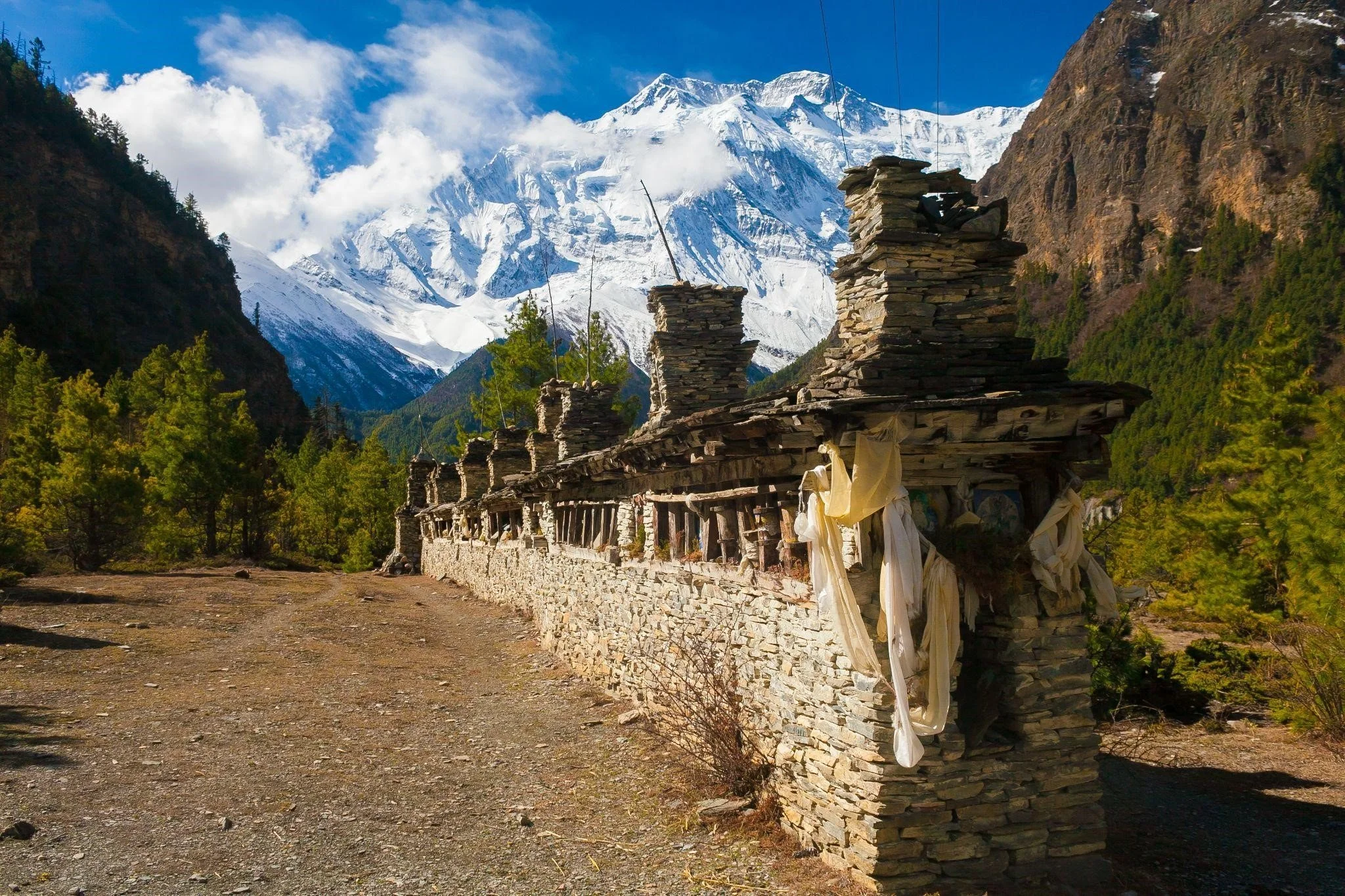
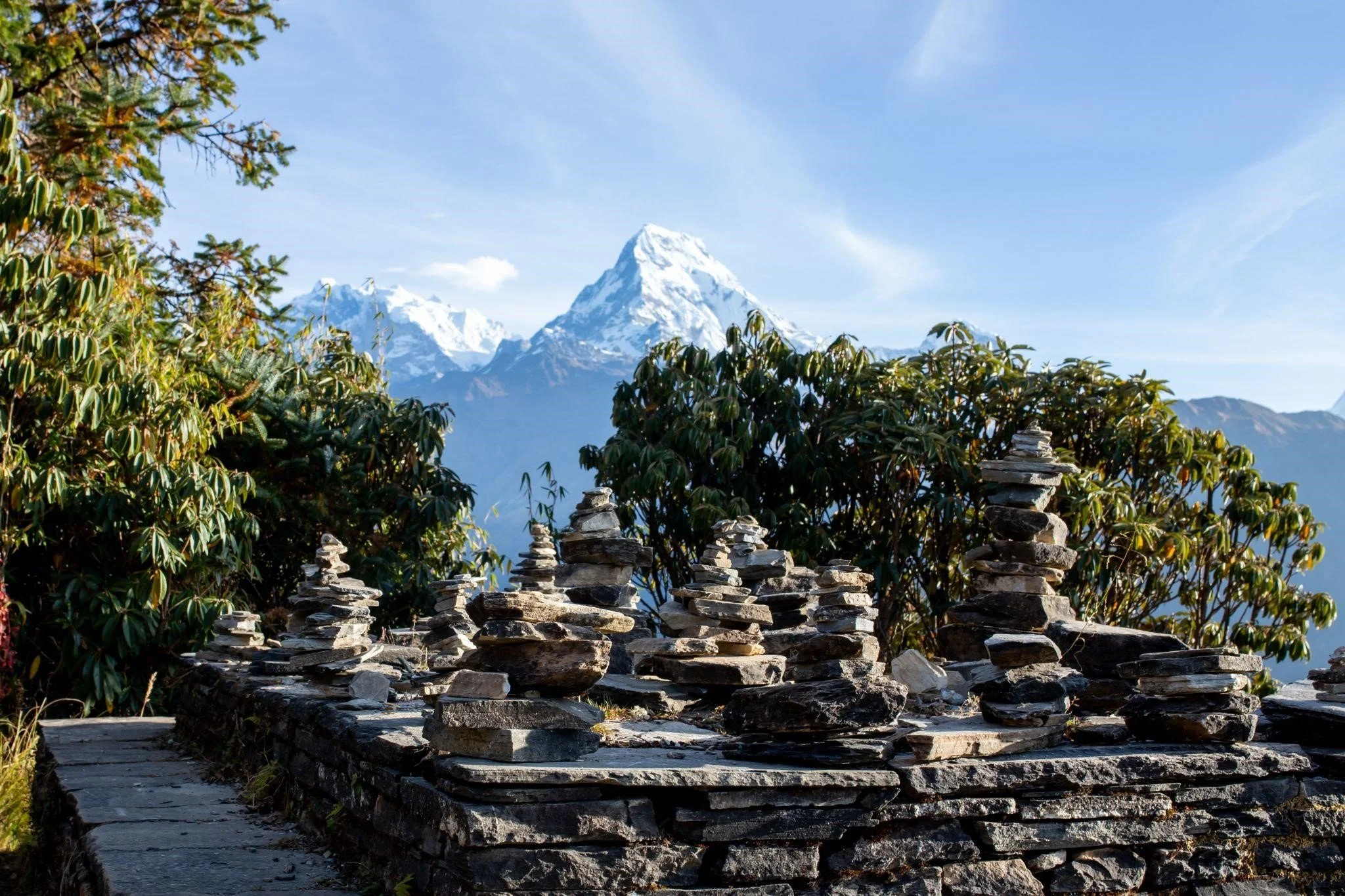
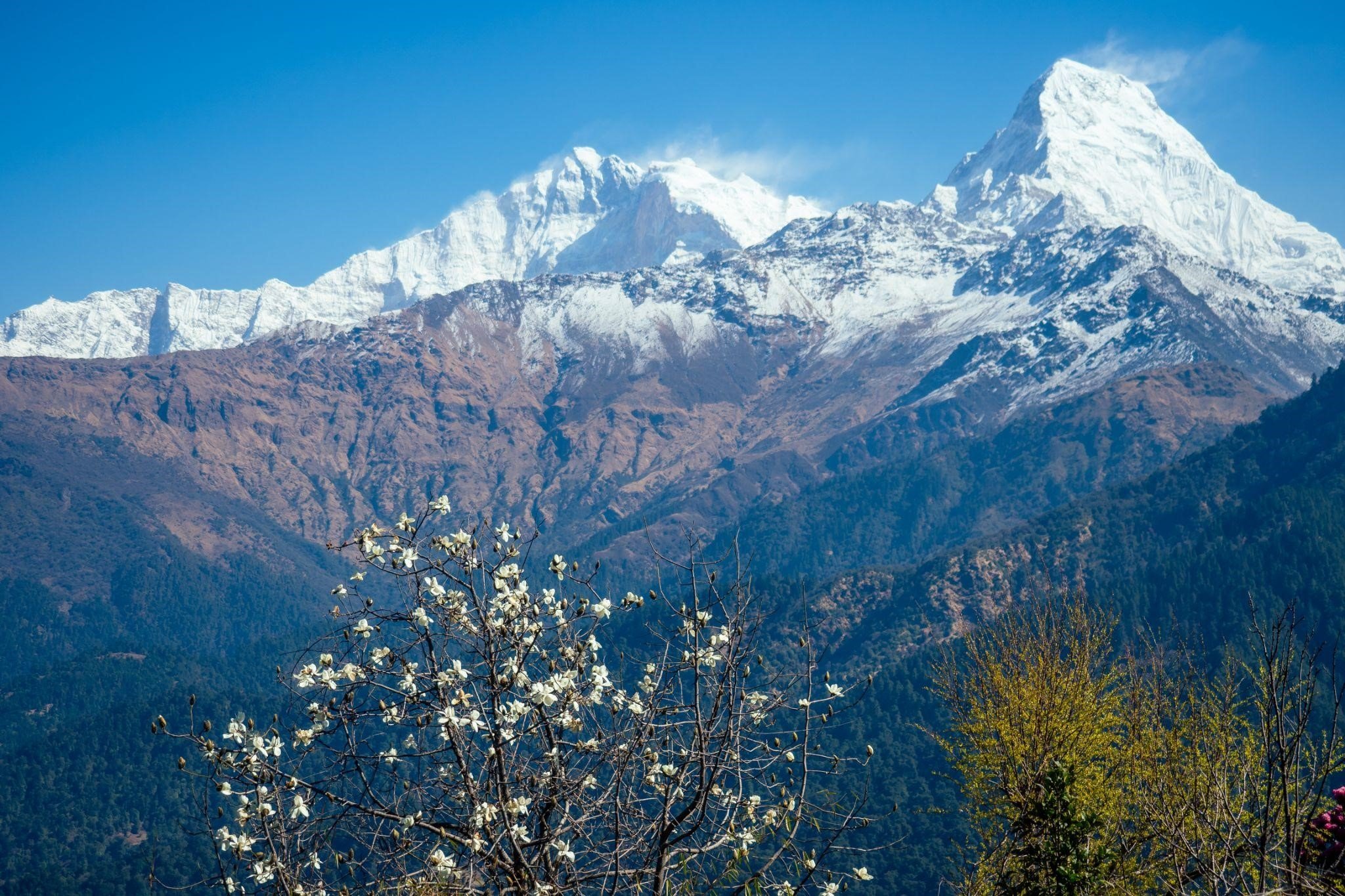
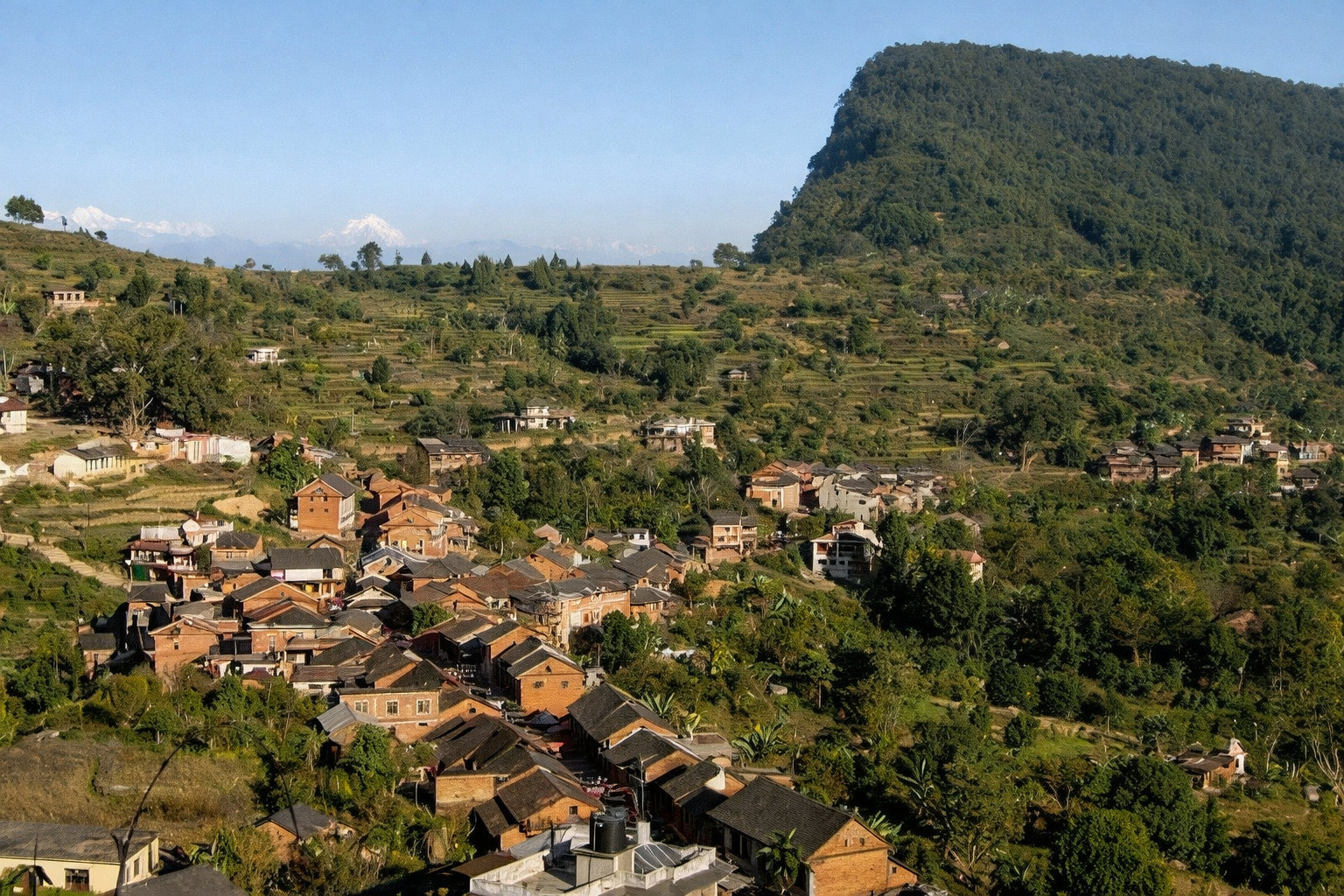
Light Trails to Get You Started - Part I
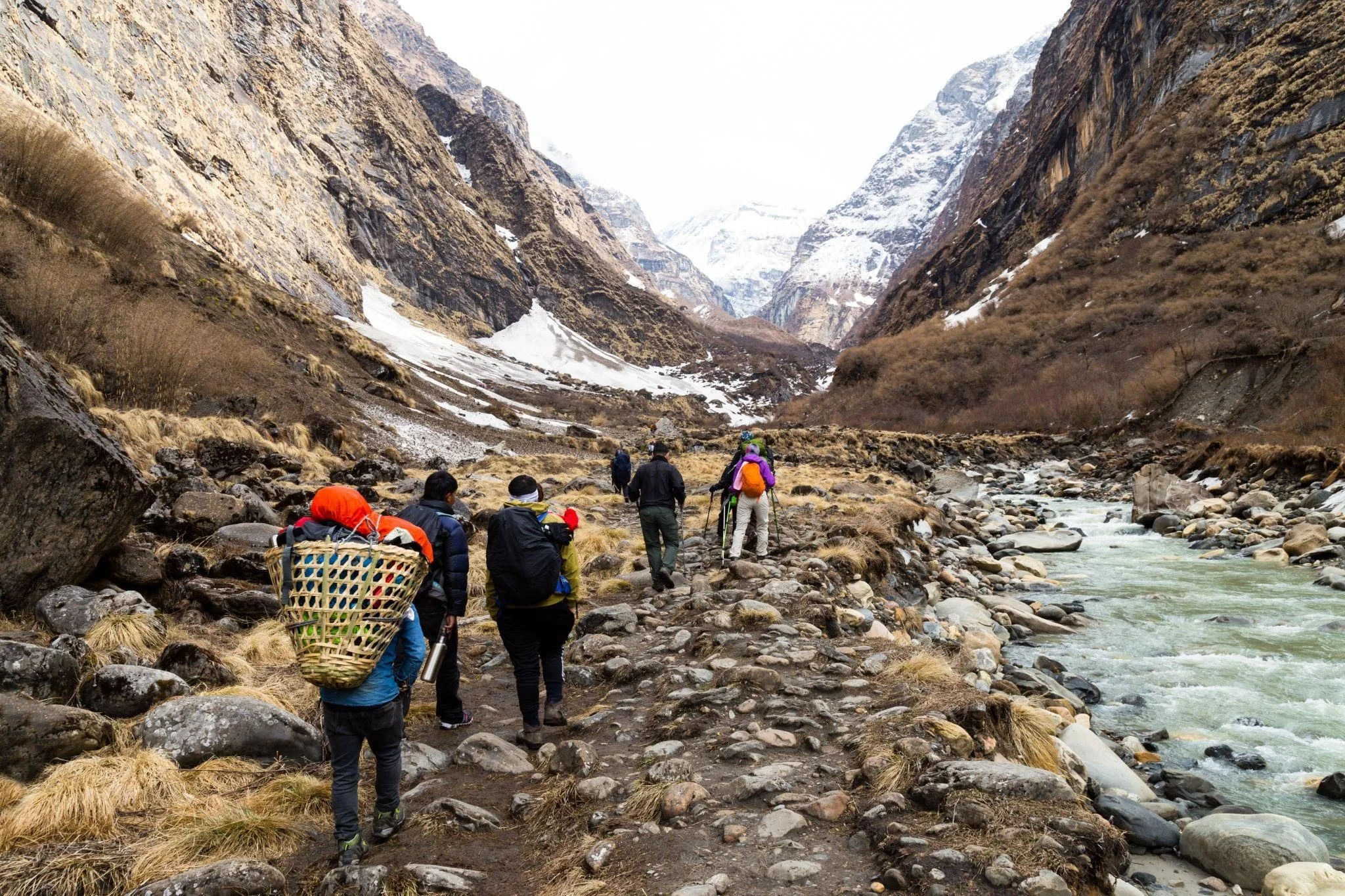
Novice trekkers and the ones who have difficulties scaling the avid landscapes of Nepal, there are various lightweight trails available that are great to enjoy outdoor pursuits while exploring the beauty of Nepal. Nepal has several trekking trails that are easy and suitable for novice trekkers.
Lower Mustang Trek
Royal Trek
Nepal is a greatest destination to escape the urban world and indulge in natural merry and joy. Treading the avid landscapes can be difficult for novice travelers and trekkers. In this series, we explore various light walking trails which are great to begin one's journey of exploring Nepal.
Required for Trek
Trekkers Information Management System (TIMS) Card
SAARC
USD 3 (Per Individual in group trekkers)
USD 6 ( Free Individual Trekkers)
Foreigners
USD 10 (Per Individual in group trekkers)
USD 20 ( Free Individual Trekkers)
Obtain TIMS card from:
Tourist Service Centre
Nepal Tourism Board Office
Bhrikutimandap, Kathmandu
Lower Mustang Trek
Basic Itinerary Days: 9 Days
Route: KTM- PKR- Jomsom ( Flight) - Kagbeni (Trek) - Jharkot (Trek) - Muktinath (Trek) - Lupra (Trek) - Jomsom - PKR (Flight)
Trek Style: Tea House
Max Elevation: 3795m
Attractions: Red Gompa, Apple Orchids, Muktinath Temple, Panoramic Peaks View, Thak Kola, Bonpo Monastery, Sayka Gompa
Best Season: May - November
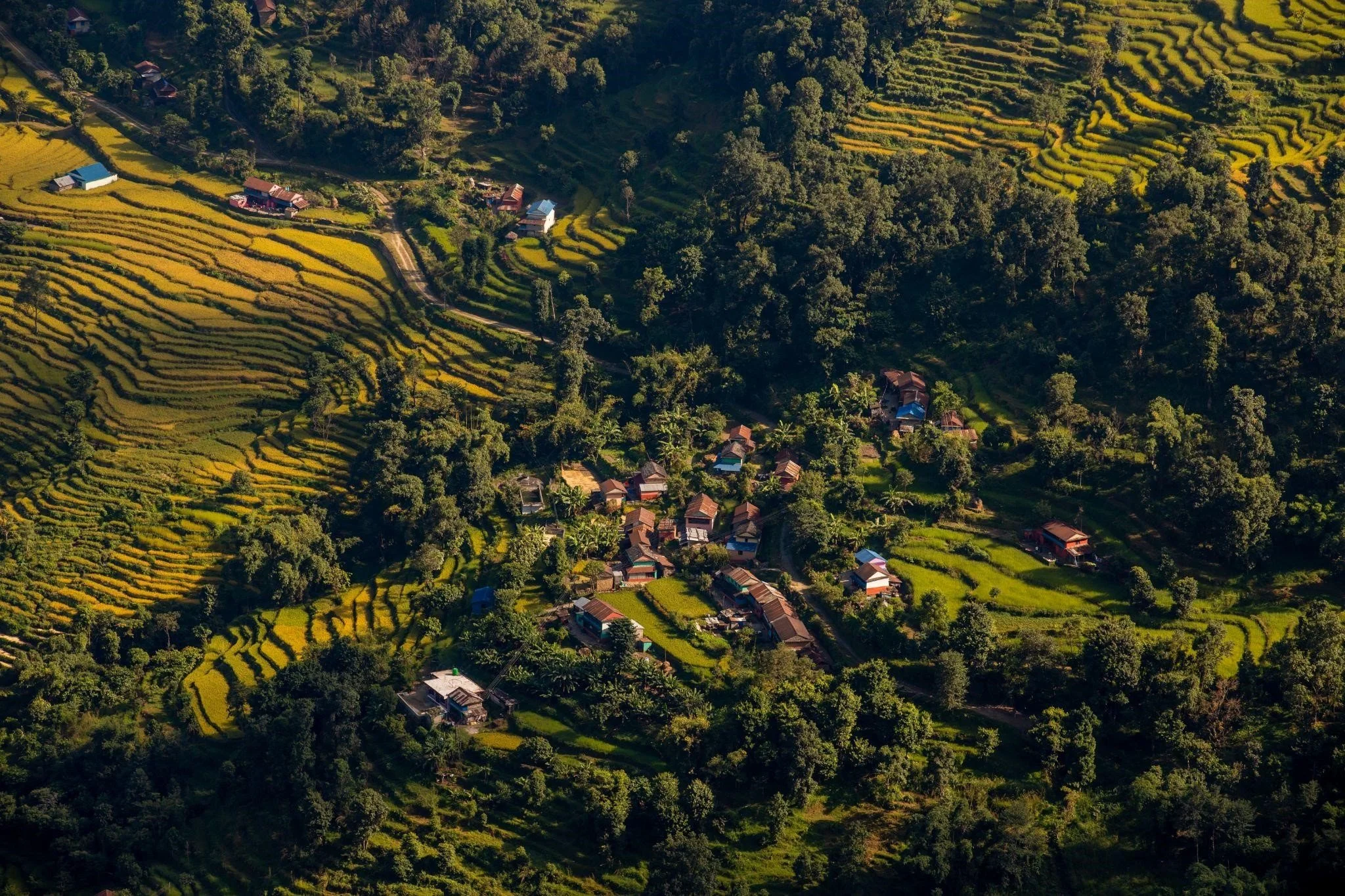
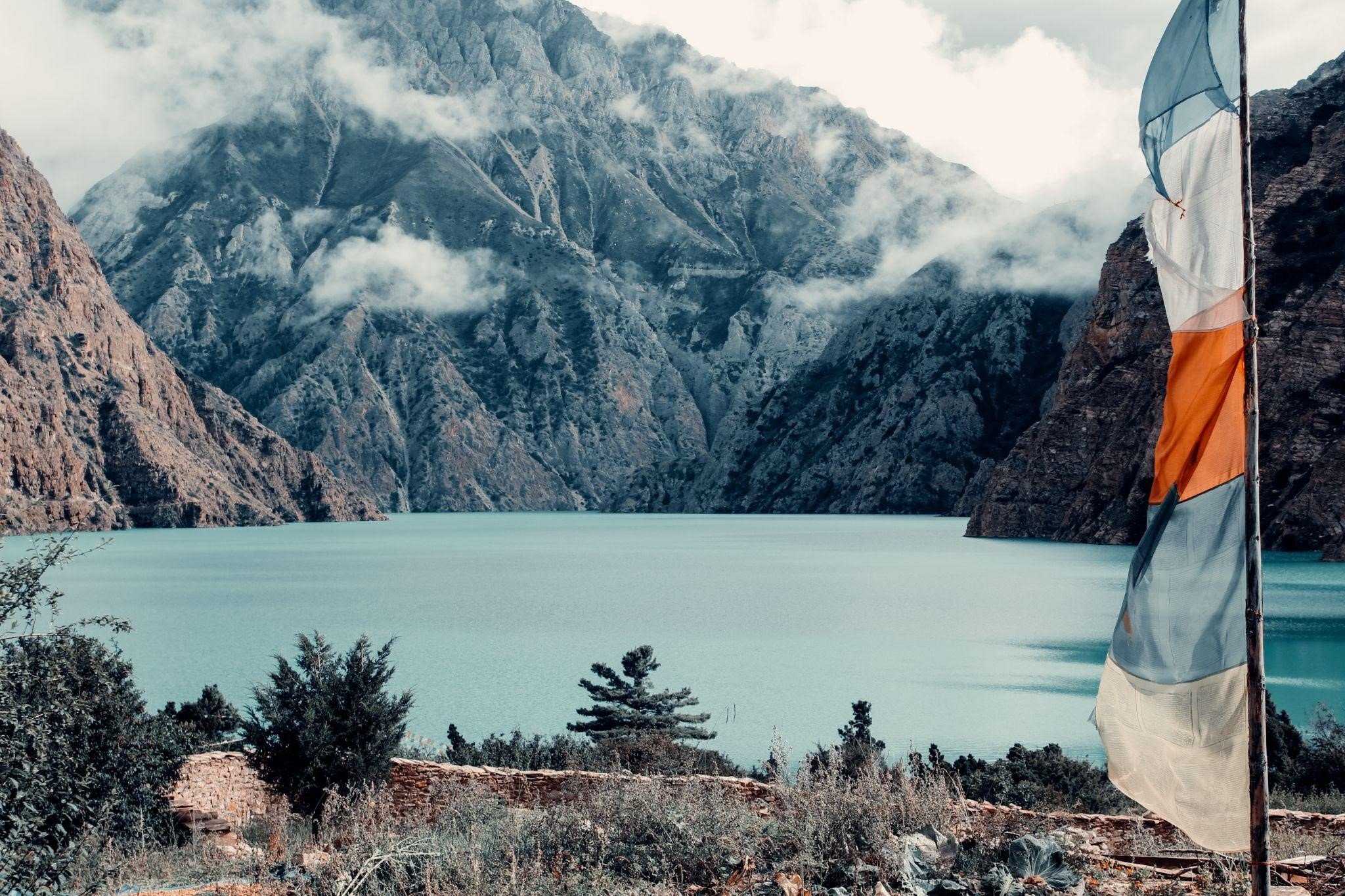
The barren landscape of Lower Mustang at times can feel like an otherworldly experience. With its rustic atmosphere, barren hills and tantalizing view of the Himalayas, it also offers the travellers an opportunity to experience the traditional lifestyle of the Thakali people who have called this region home for thousands of years. A far and easy trail which departs from Jomsom, with moderate altitude climbs and features a fair trial for all to enjoy.
This region offers a glimpse of the well-preserved architecture, history and traditions of Tibetan culture. It is also home to one of the most ancient religions of Bon which still finds a place in the settlements of Lupra and its neighbouring villages. Muktinath which is one of the holiest pilgrimage sites for believers of both Hinduism and Buddhism falls on this trail.
Mustang was a semi-autonomous kingdom ruled by the Bista family up till 2008 AD and was also known as the forbidden kingdom. The most popular destination of this region is Upper Mustang also known as the Kingdom of Lo, which doesn’t fall in this trail as it is a rigorous trek. Falling in the Trans-Himalaya region the landscape is greatly arid, which creates a rustic, outback experience. Being in the Trans-Himalaya region this trail is accessible even during the Monsoon season (June to August) as this region receives little to no rainfall. Except for the peak winter seasons, this trail can be hit in during Spring (March-May) and fall (September to November).
Royal Trek
Basic Itinerary Days: 5 Days
Route: KTM- PKR (Flight/Bus)- Bijayapur (Drive)- Kalikasthan (Trek)- Syaklung(Trek) - Chisapani(Trek)- Sundare Danda ( Trek) - Pokhara (Drive)
Permit: Basic Permit (T.I.M.S)
Cost: USD $25
Trek Style: Tea House
Max Elevation: 1730M
Attractions: Lakes such as Rupa, Begnas and Fewa, Rhododendron Forests, Panoramic Peaks View with mountains such as Dhaulagiri, Manaslu, Machhapuchhre, Annapurna and it’s sisters.
Best Season: September - December and March to May
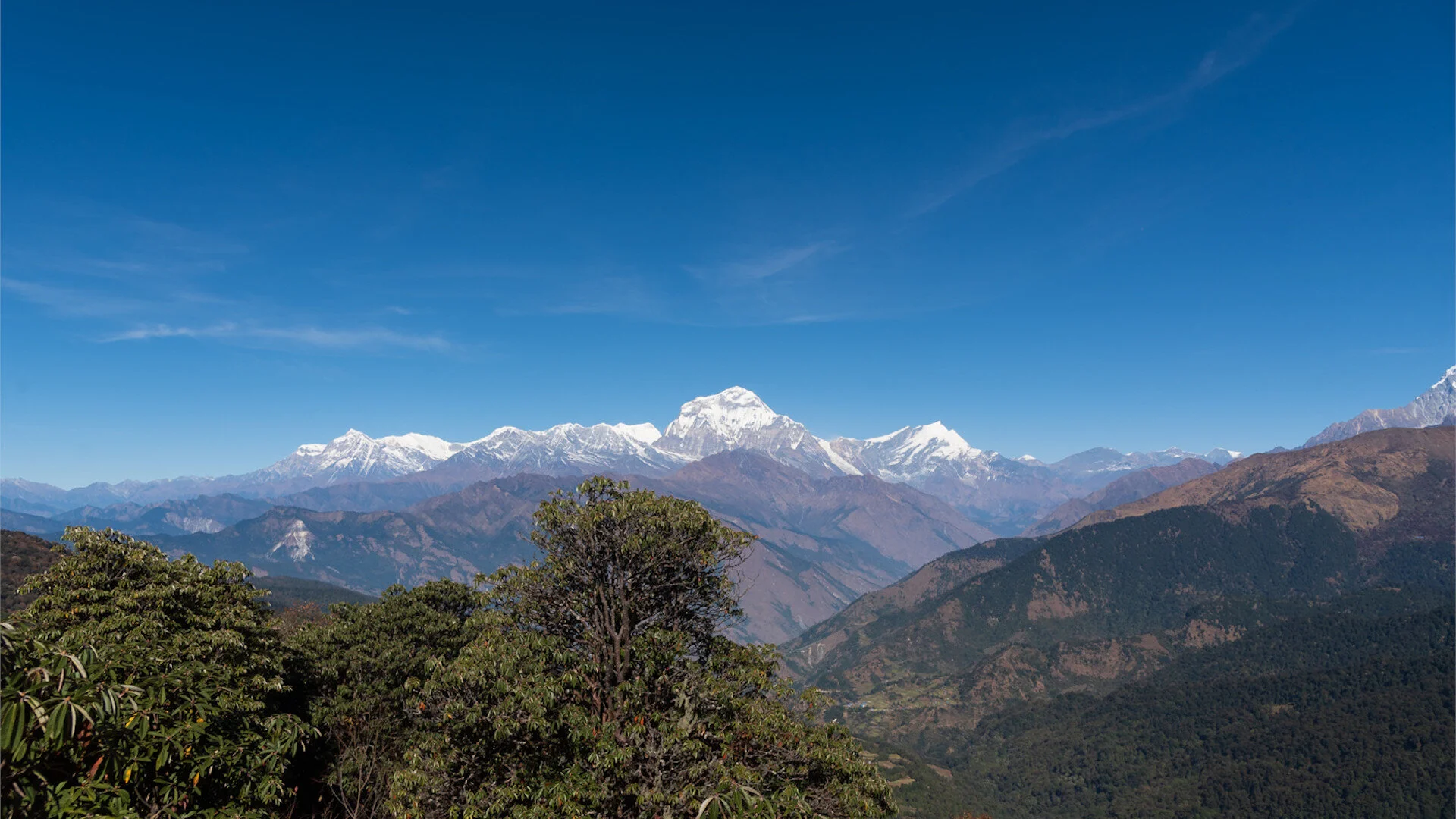
The trail gets its name after Prince Charles and his entourage explored Annapurna region through this path in the early eighties. One of the most popular short trails in Annapurna Conservation Area, the basic itinerary of 5 days is great for adventurers who don’t have much time but still wish to explore the region. Located in the North-Western side of Pokhara, the trails of Royal Trek allows you to experience the majestic mountains of Machapuchre, Manaslu, Annapurna, Lamjung Himal and Dhaulagiri and others. It also provides you with an opportunity to witness the life of the ethnic communities of Gurungs and Magars.
The trek passes through beautiful Gurung hamlets, where one can indulge in the traditional lifestyle, culture, and traditions of the Gurung people which they have preserved and maintained even till this day.
This specific trail is far less crowded than the trails of Ghorepani and Ghandruk but is a true hidden gem in terms of experiencing the culture, tradition and majesty of the Annapurna region in such a short duration of time.
This trail can be accomplished in the seasons of Autumn, Spring and even during the winter. The winters are colder of course but allow the trekkers to walk in a crowd-free environment and enjoy the winter side of the trail. The basic itinerary can also be shortened to 4 days if one requests his/her travel agency.
POPULAR ITINERARIES
SIMILAR POSTS
Hiking in and around Kathmandu Valley
While Nepal is famous as a trekking destination, there are also some shorter hikes, especially around Kathmandu Valley, that are refreshing to the extreme.
Legend has it that the Kathmandu valley was once a gigantic lake called Nagadaha inhabited by innumerable snakes (nagas). How did it come to be a valley fit to be lived in by humans? Well, according to the most popular myth, there was once a revered Buddhist sage called Bodhisatva Manjushree who came upon the giant lake during one of his travels. He decided to make it inhabitable for humans, and with a single massive stroke of his so-called ‘Sword of Wisdom’ sliced out an enormous gorge in a place called Chobar in Kirtipur, that’s some six kilometers southwest of Kathmandu. Water immediately began to gush out of the huge lake, and in due time, it was drained completely.
This gorge is one of the places that you will come across when visiting Kirtipur during your hike in and around Kathmandu Valley. Beside its fabled history, there is something else that should be of interest. There’s a suspension bridge spanning the gorge that was made in Scotland (Aberdeen) in 1903 and carried into the valley, a part at a time, since there was no road to speak of then connecting with the outside world. A herculean feat, no less! You’ll also find numerous caves in the cliffs around the gorge. Nearby is the Taudaha Lake, a natural lake that’s a wetland site for quite a few bird species.
Kirtipur, a short distance away, is an ancient Newari town with a fascinating history. During the time when King Prithvi Narayan Shah (1723-1775) was on his mission to unify the many states of the country into a unified Nepal, he attacked Kirtipur twice, and was soundly repelled both times. The third time around, he managed to do so, but that was due to a huge stroke of good luck. The story goes that during the battle, a Kirtipur soldier had the king at his mercy, and was on the verge of chopping off the royal head. However, a rock stood in the way between the king’s head and the soldier’s khukuri, and so the king escaped certain death. Apparently, even today, people spit on that very same rock as they pass it by, and so they should, considering what happened after Kirtipur’s fall. The enraged king ordered the noses and lips of all local males to be cut off, and these cut off parts weighed 80 pounds at the end of the bloody frenzy! So, keep an eye out for this infamous rock during your hike.
About 15 km away from this historic town is a very famous temple of the valley, that is, Dakshinkali Temple. Dedicated to Goddess Kali, the rituals here are tantric in nature, with animal sacrifices conducted on Saturdays, as also during festivals like Dashain. Your hike to these places begins from the ring road and takes you across the sprawling grounds of Nepal’s premier university, Tribhuvan University, on a well-maintained road that gradually goes up. All in all, it’s a most pleasant hiking experience. Another hike you will like is the one that takes you to the villages of Bungamati and Khokana.
Bungamati is a Newari village in the traditional mold that dates back to the 16th century and is located about 10 km south of Kathmandu. Full of brick houses and flagstone-paved lanes, it is famous for two things: first, as the winter residence of Rato Matsyendranath, in whose honor a major month-long festival is held every year in Patan (Lalitpur), and second, as the village with the best woodcarvers in the valley, perhaps in the country. Speaking about the first, the sandalwood idol of Rato Matsyendranath is kept here in a temple for six months, and some weeks prior to the beginning of the festival, it is taken to Lagankhel (in Patan), where it is given a holy bath followed by certain rituals, such as repainting of its face.
After taking the one-hour drive from Kathmandu to Bungamati, you begin your explorations on foot, and start exploring the quaint village at your leisure. When doing so, you’ll observe quite a few woodcarvers busily carving objects such as wooden windows, doors, and so forth; veritable objects de’ art, you’ll agree on looking at the end results. Indeed, such are their skills that Bungamati’s woodcarvers are much sought after in many handicraft industries around the valley. From this village of Rato Matsyendranath and skilled woodcarvers, you next walk to another classical one that’s quite close by, walking through lovely scenery and in pretty good weather, especially in the October-December season.
The village you’ll be hiking to is called Khokana, and it, too, is inhabited by Newars. However, this village is famous for a completely different thing, and that is, the production of mustard oil. Well, what’s so great about mustard oil? You may well be asking. Right, but Khokana’s mustard oil is the kind that you might not get anywhere else but here, made as it is using methods that are as ancient as is the valley’s history. You’ll understand this when you come across oil-pressing mills around the village with their ancient-looking implements, and when you see how the oil is pressed. Khokana’s mustard oil is in high demand throughout the valley, and while walking around Kathmandu’s bazaars, if you see men with weathered faces shouldering heavy tin cans hanging on both sides from a bamboo staff, chances are good that they have come to sell mustard oil from Khokana.
Well, now you know why these hikes are highly recommended when visiting Nepal. You’ll get a pretty good experience of life as it has been for centuries. A far cry from what you are used to, surely. You’ll probably be amazed at how laidback the lifestyle is in areas around Kathmandu city, despite being in such close proximity with the capital’s hustle and bustle. What’s more, you can even spend a night or two, if so inclined, at a homestay in Bungamati, where living with a local family allows you to absorb more of this blessed lifestyle.