Maghe Sankranti, a Celebration of Life
Maghe Sankranti is one festival that doesn’t have much of a religious significance, unlike most other festivals of Nepal; it’s more a celebration of life!
On January 15 this year, the sun will move northwards and enter the cusp of Capricorn (Makar). It will be the coldest day of winter, as it has been for ages, and will be forevermore. It will also be the first day of the 10th month (Magh) of the Nepali calendar, and people all over the country will be celebrating this day with a lot of joy; the bitter cold of winter will now be on a waning path, and the days henceforth will become warmer and longer. In addition, it is the end of Poush (Dec/Jan), the most inauspicious month of the year. A local saying goes like this: ‘Poush ma je gare pani huncha phooss’ (whatever you do in Poush is going to end in failure). Now, the ending of such a month does call for a celebration, doesn’t it? A festival is certainly in order!
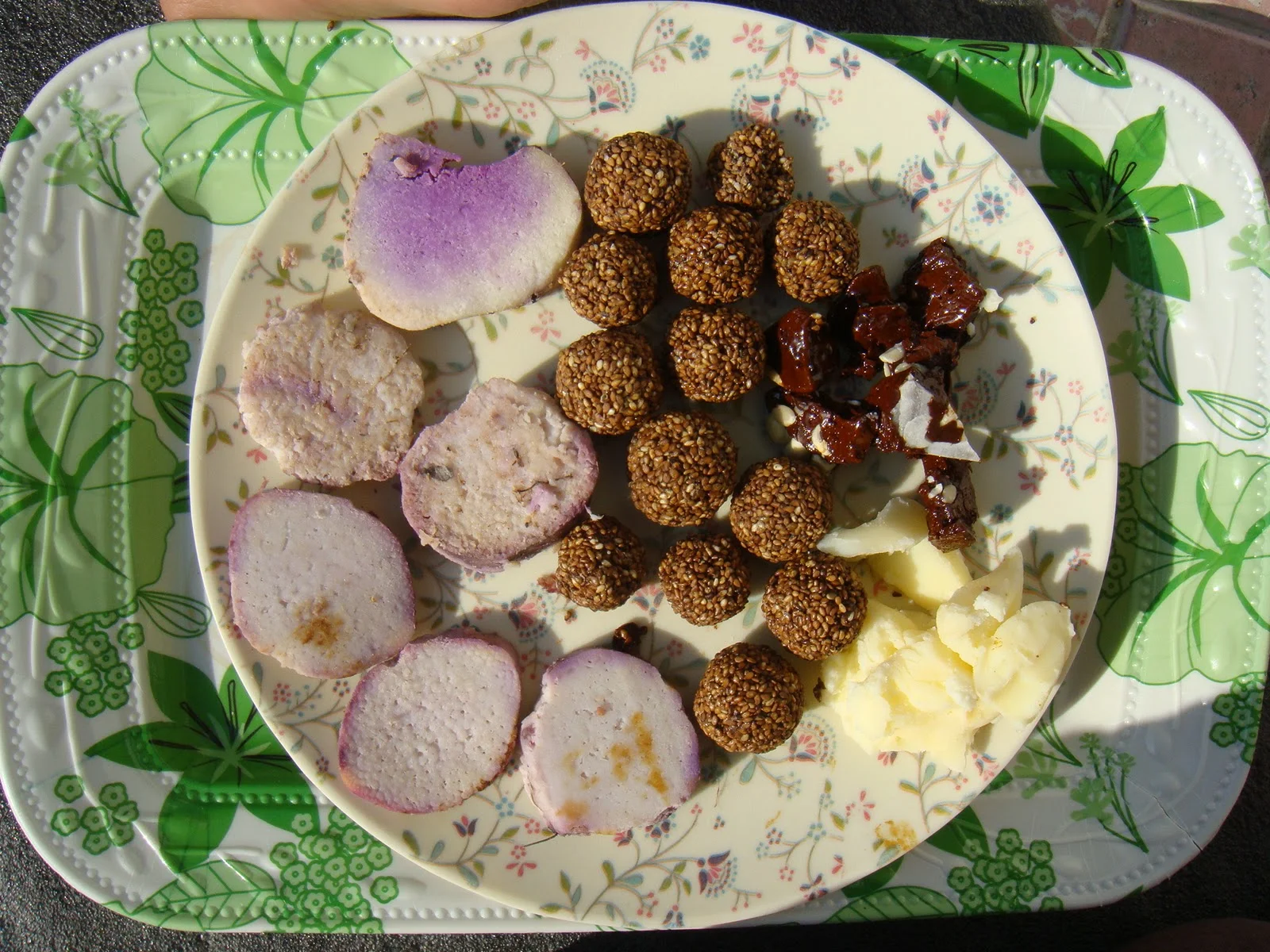
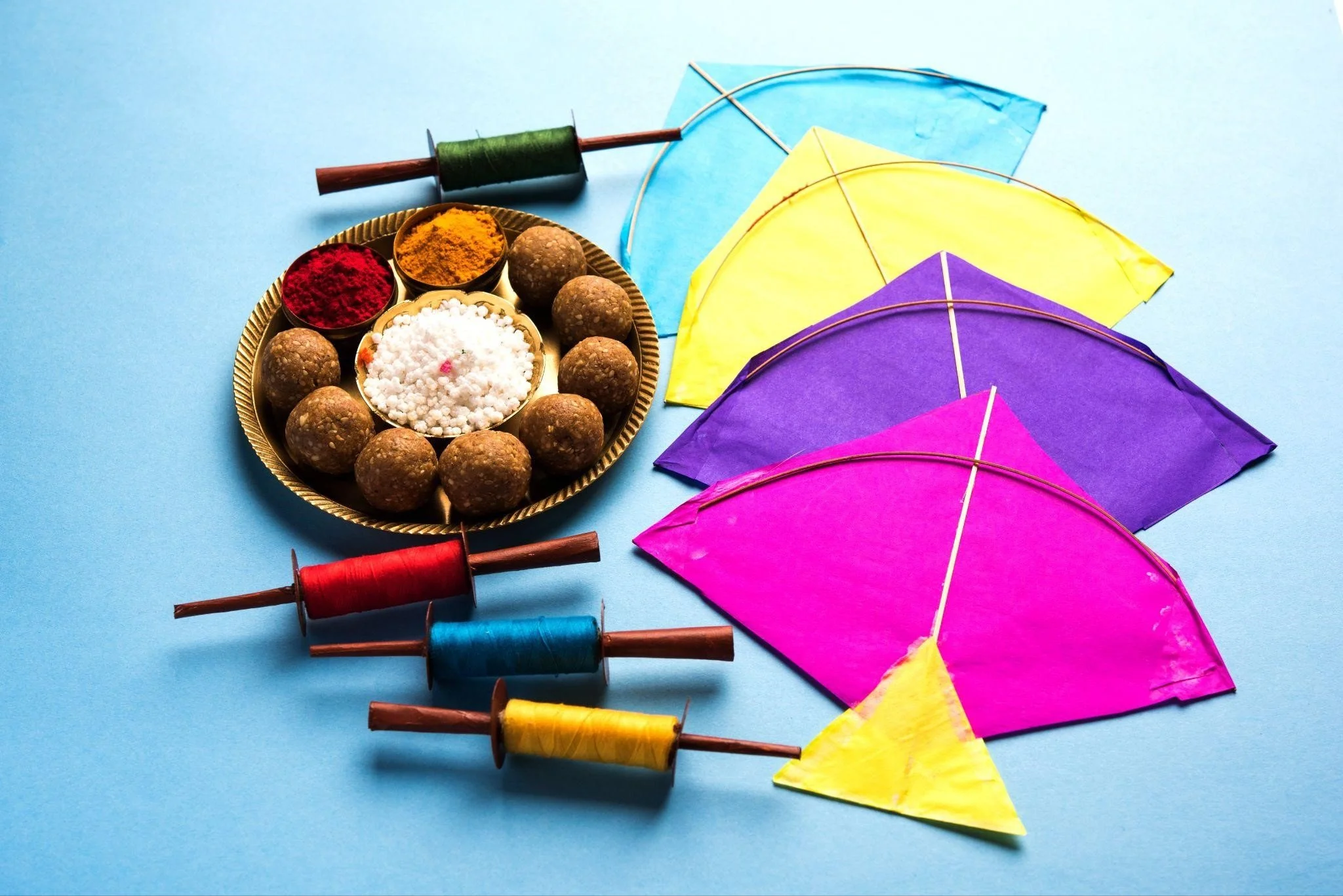
The festival to celebrate this joyous occasion is called Maghe Sankranti (or Makar Sankranti), and as with most other festivals, special food items are what makes it really special. The most important food of Maghe Sankranti is tarool (yam), which is a tuber that’s starchier and drier than sweet potatoes, with which it is often confused. The outer covering is pretty rough and difficult to peel, unlike the softer skin of sweet potatoes, so you got to boil it well to soften it. The edible part, the ‘meat’, of mature tarools can be white, yellow, purple, or pink in color. It is rich in vitamins B6 and C, antioxidants, proteins, complex carbohydrates with low glycemic index (raises blood sugar more slowly than regular sugar), and fiber. Tarool is also credited with having antispasmodic and anti-inflammatory properties, aside from other health benefits.
The most common way of preparing tarool is as follows: first, select chunks of blemish-free tarool, and after washing them well, boil for about 10 minutes in a pressure cooker. Let it cool down, and then start peeling. After that’s done, cut into small pieces, and that’s it. You can serve them cold. Another popular way is to make thin slices of the boiled and peeled tarool, which you marinate with oil, ginger/garlic paste, salt, and pepper. Then, you stir-fry these slices in a non-stick pan. This is pretty tasty stuff. Of course, as with most things culinary, there are other innovations too. And so you have tarool and green peas curry, tarool pakodas, and tarool kheer, to name a few.
Another essential food of Maghe Sankranti is til ko laddoo. These are made of sesame seeds and molasses, with the sesame seeds being white, brown, or black. Generally, black sesame seeds are the most commonly used during Maghe Sankranti. Here’s how you can make your own til ko laddoo: you’ll need 100 g each of sesame seeds and molasses (chaku), one-fourth cup of finely chopped coconut, and a teaspoon of cinnamon and cardamom powder. Now, dry-roast the sesame seeds in a pre-heated pan (stir constantly). In another pan, melt the molasses, adding some water to it, and then mix coconut, cinnamon, and cardamom to it. Then, make round shaped balls of sesame seeds mixed with the molasses mixture (grease your palms with some butter so molasses don’t stick to your hands), and voila, you have your til ko laddoos. Allow them to cool down and then store them in an air tight container.
What other food is essential during Maghe Sankranti? Chaku (hardened molasses) is the third food that is absolutely a part of Maghe Sankranti, as is ghyao (or ghee: clarified butter). Now, here’s something interesting about ghyao and chaku, particularly concerning Kathmandu. There are half a dozen tiny shops behind the Annapurna Temple in Asan Bazaar, that historical, cultural, and commercial center of Kathmandu, where six lanes/streets converge on a square with numerous shops selling a mind-boggling variety of goods. Now, the half dozen or so tiny shops mentioned above are a bit different from the pack, having a history spanning over a hundred years, and throughout, the only things they have been selling are ghyao, tel (oil), chaku, and candles. Most locals of Kathmandu Valley know them as the ghyao-tel pasals (ghee, oil shops). Candles were, in fact, later additions. Anyway, these shops are famed for the purity of their products, a necessary stipulation, since things like cow’s milk ghee and sesame seed oil are used to light wicks in temples during religious functions. Their buffalo milk ghee is for human consumption, as is the tori ko tel (mustard oil).
However, it is their chaku that is most in demand, not only during Maghe Sankranti, but at other times, too, since ghyao-chaku is a highly nutritious combination that is traditionally fed to newborns by the valley’s Newars. The shopkeepers claim the highest standards of hygiene and purity when preparing the chaku, which they make in their own homes. Come January, and business soars. Come Maghe Sankranti, and these half a dozen or so tiny shops become the center of attention of tens of thousands of valley folks. “They become crowded,” is too simple a statement. If you are in Kathmandu that day, do make it a point to go to Asan Bazaar and see for yourself what reputation can do, because all said and done, the reason for these tiny shops to have survived for so long and to be still in so high a demand is primarily because they have earned the valley-dwellers’ trust.
So, you now know what Maghe Sankranti is all about, and where to go to get pure ghyao-chaku on the day. There aren’t many religious functions as such, though many people do take a dip in the confluence of some holy rivers. It’s actually more about looking forward to better times ahead after the bitter cold of winter, and celebrated by eating body-warming foods like tarool, til ko ladoo, ghyao, and chaku. And, yes, khichdi, too, which is a wholesome and filling combination of black lentil, rice, ghyao, ginger, and salt. Health-giving, life sustaining foods, which points towards Maghe Sankranti being more a celebration of life than just another festival!
POPULAR ITINERARIES
SIMILAR POSTS
Biggest Nepali Festival, Dashain
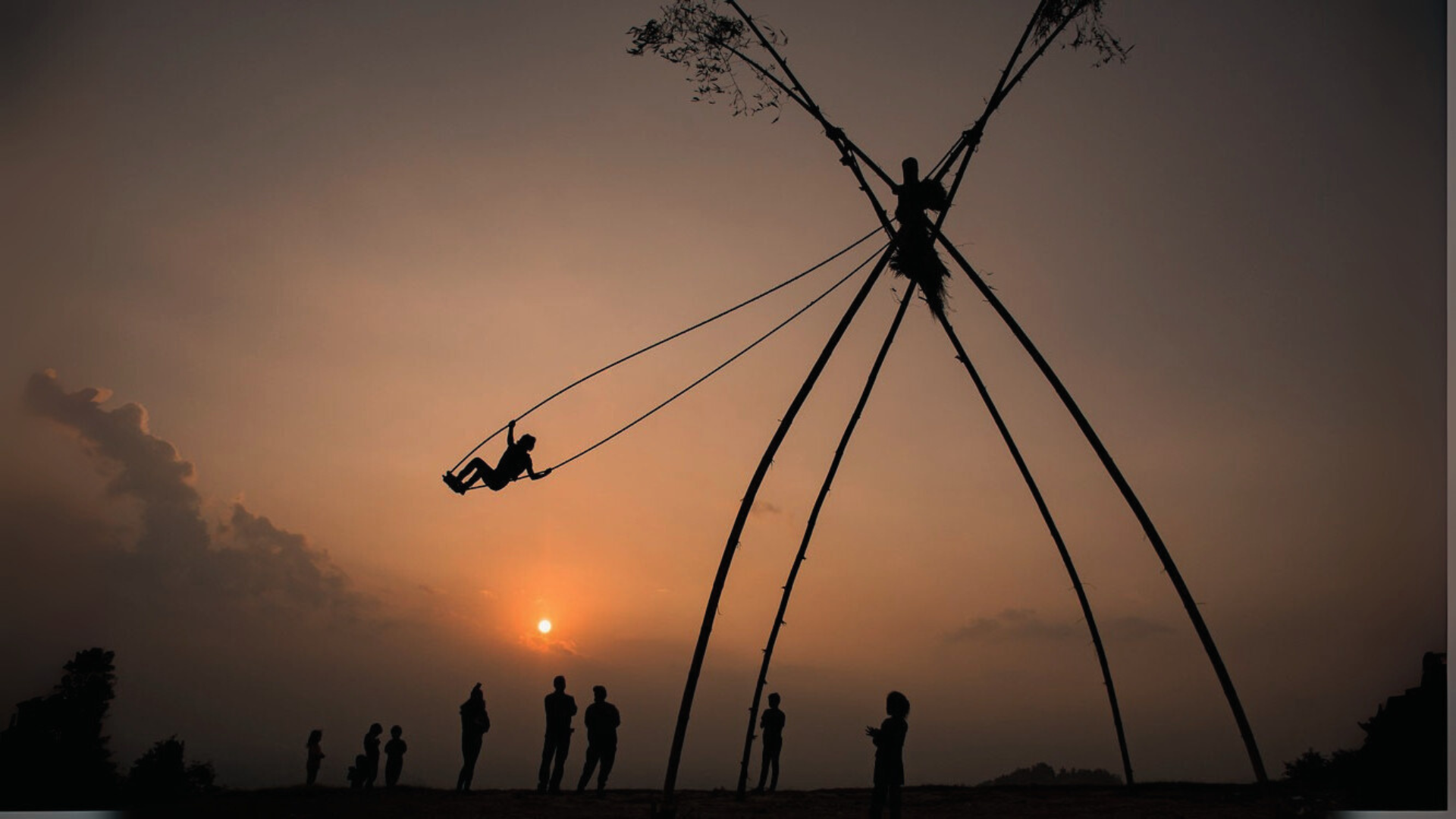
The biggest Nepali festival, Dashain, is known as a 10-day festival, but it actually ends on the 15th day, the day of Kojagrata Purnima.
At all other times of the year, hotels in Kathmandu, Nepal, are planning some event or the other to attract guests; it could range from a special concert to a theme party to a culinary event. However, come Dashain, the biggest Nepali festival, and everything goes on hold. From the start of the 10 days of Dashain, the streets of Kathmandu begin to look desolate, with a large part of its denizens gone home to other parts of the country. Fact is, Kathmandu is where the action is, meaning Nepalis from all nooks and corners of Nepal live in Kathmandu for work and business, and while it’s their home for all practical purposes, their ancestral homes are somewhere else. And, fact is, the most important part of Dashain is the tradition of getting together with family in ancestral homes.
It’s a lovely custom, a beautiful part of Dashain culture, and hotels in Kathmandu expect this, and in fact, have accepted this. It would have been tough, anyway, to keep the staff working at full throttle during Dashain if business was as usual, since Dashain is a holiday that’s not going to be missed by anyone, including the staff of hotels in Kathmandu. Having said all this, let’s see what Dashain, Nepal’s biggest festival, is all about. Keep in mind that it’s a 10-day-long festival (pretty long by any standard, wouldn’t you agree?), and, keep in mind, also, that Nepal’s biggest festival involves a certain ritual that’s not so apt in this day and age; that is, animal sacrifice. There’s some hue and cry about cutting down on this aspect of Nepal’s biggest festival, but that’s easier said than done. A tradition that’s thousands of years old will certainly take some time to change, if at all.
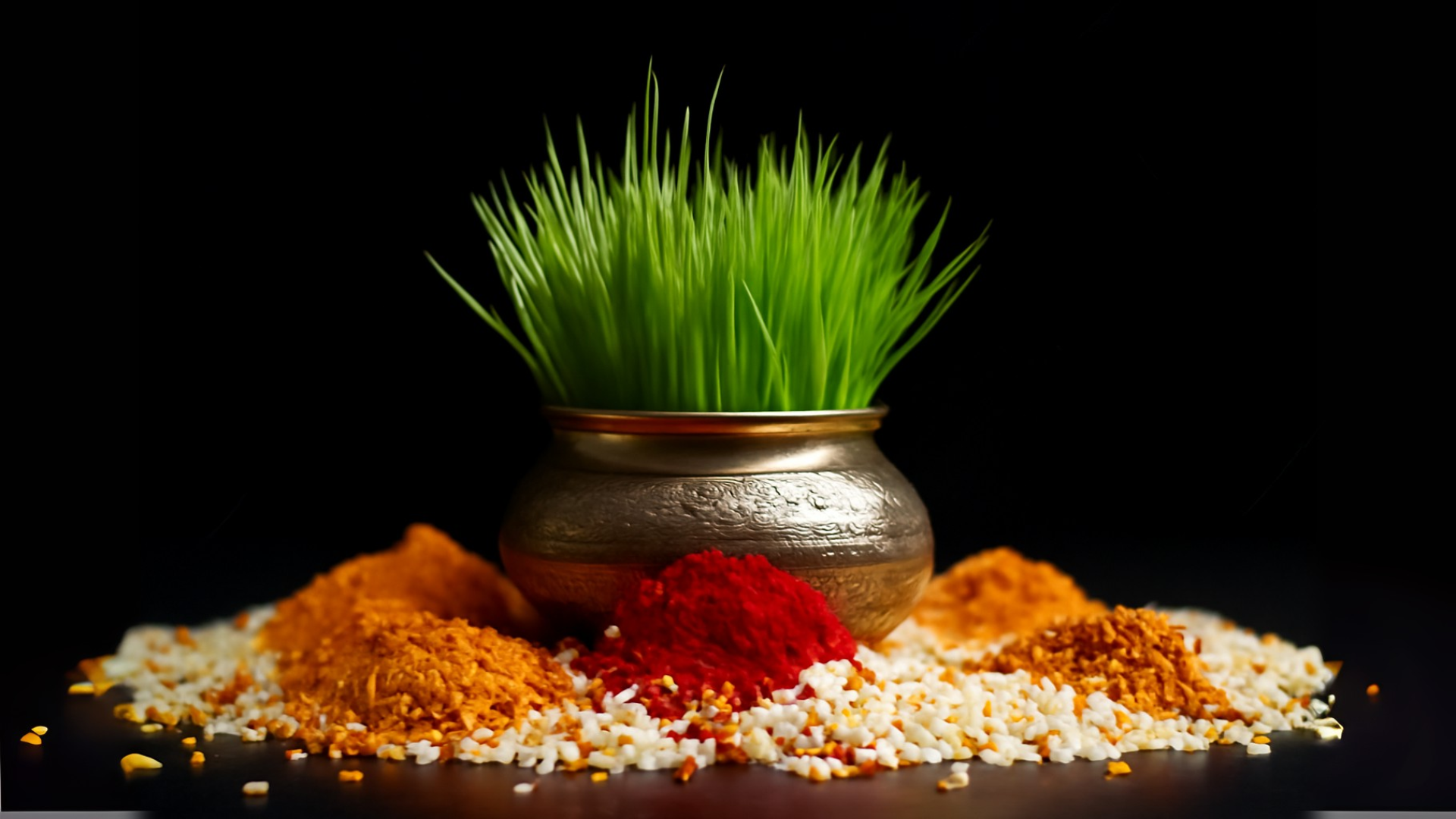
Anyway, leaving this less-savory fact behind, let’s talk about pleasanter things about Nepal’s biggest festival, Dashain. It starts with Ghatasthapana (September 25, this year), when a handful of barley seeds are scattered on a bed of sand in a clay container in the puja room of every Hindu household in the land. The sand has been brought from nearby rivers the day before, and people make sure the barley seeds are of good quality; the barley, when it sprouts some days later, has to be really nice and yellow-green, since it is an essential part of the offering on the day of Vijaya Dashami, along with the tika (a mix of vermillion powder, rice, and curd) on the forehead of younger family members by their elders.
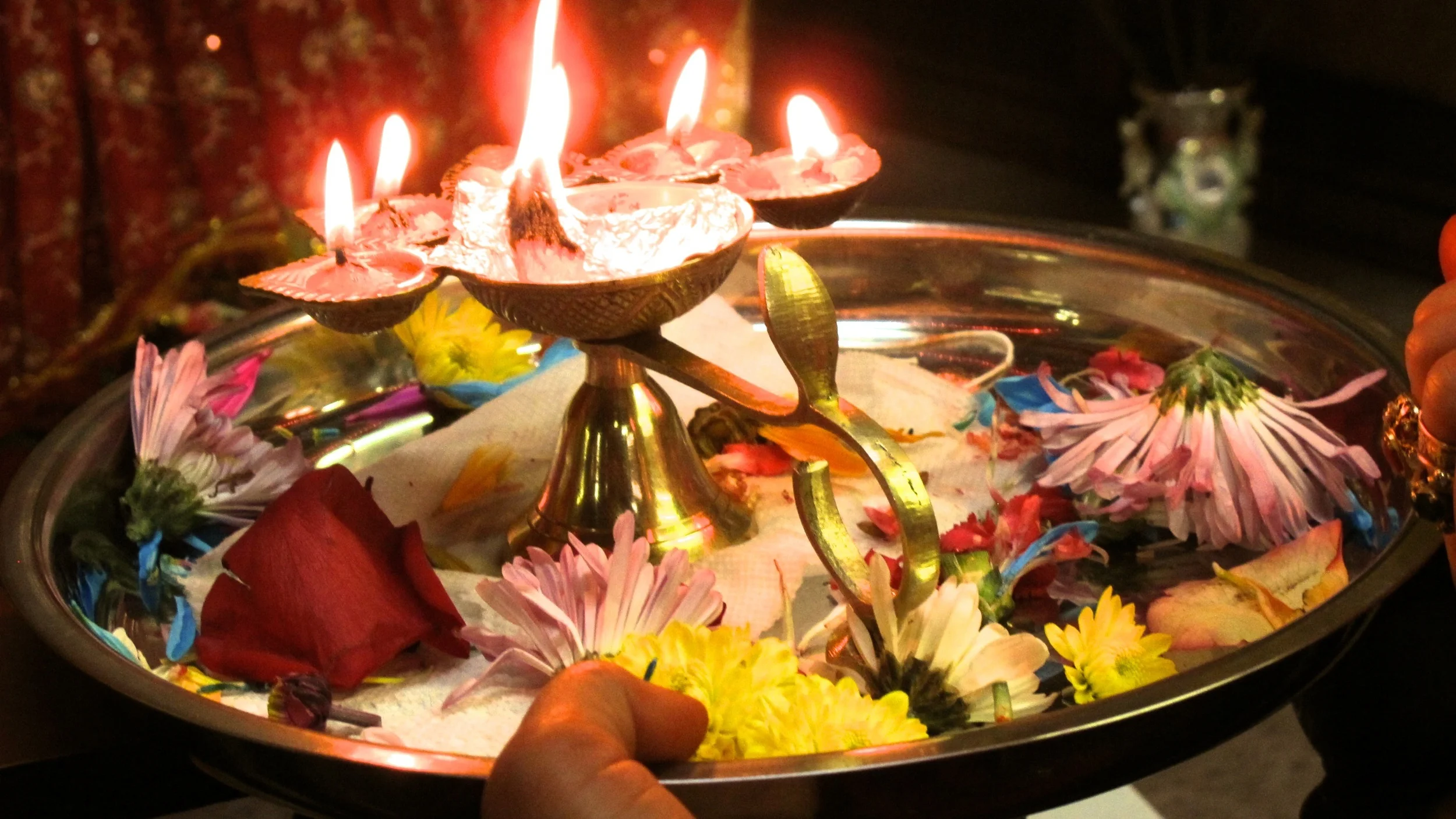
However, Vijaya Dashami is still far away, it’s after all the culmination of Dashain, falling on the tenth day. Let’s go one day at a time: On Ghatasthapana, along with the sowing of barley seeds, a lamp with a thick wick is also lighted, and is kept burning for the full 10 days of Dashain. The lighted lamp is kept covered by another clay vessel; the soot on this will be put on the forehead as a little dot below the red tika on Vijaya Dashami. One curious fact is that while all such preparations are done by womenfolk, it is a male family member who has to conduct the daily puja during the Dashain period. If you are in Nepal during Vijaya Dashami, also known as the day of Tika, you’ll see most people with tikas on their forehead, and jamara (the aforementioned barley sprouts) tucked behind their ears, including the staff of any hotel in Nepal you’re staying at.
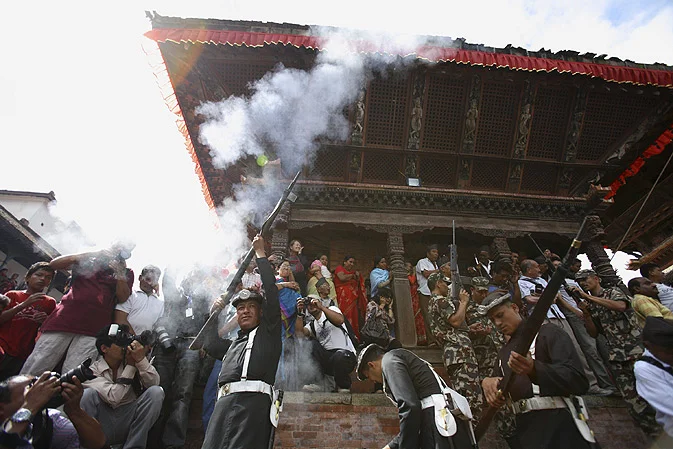
The first nine days of Dashain are collectively called Navaratri (nava: nine; ratri: night). Lots of people, many of them youngsters, will be out in droves in the wee hours of the morning every day visiting all the temples dedicated to Goddess Durga and her manifestations. The air is full of festivity. Mealtimes on all 10 days are sumptuous feasts, and a variety of mutton dishes are the order of the day. Chiura (beaten rice) is preferred over boiled rice, which is the staple at other times. The seventh day is Fulpati, which is marked by jamara from Gorkha (original home of the Shah dynasty) carried into Kathmandu’s Hanuman Dhoka (Kathmandu Durbar Square) palace, the ancient seat of Nepal’s kings, on a palanquin borne by loin-clothed Brahmins, and escorted by a platoon of soldiers dressed in uniforms of bygone days and carrying bayoneted muskets.

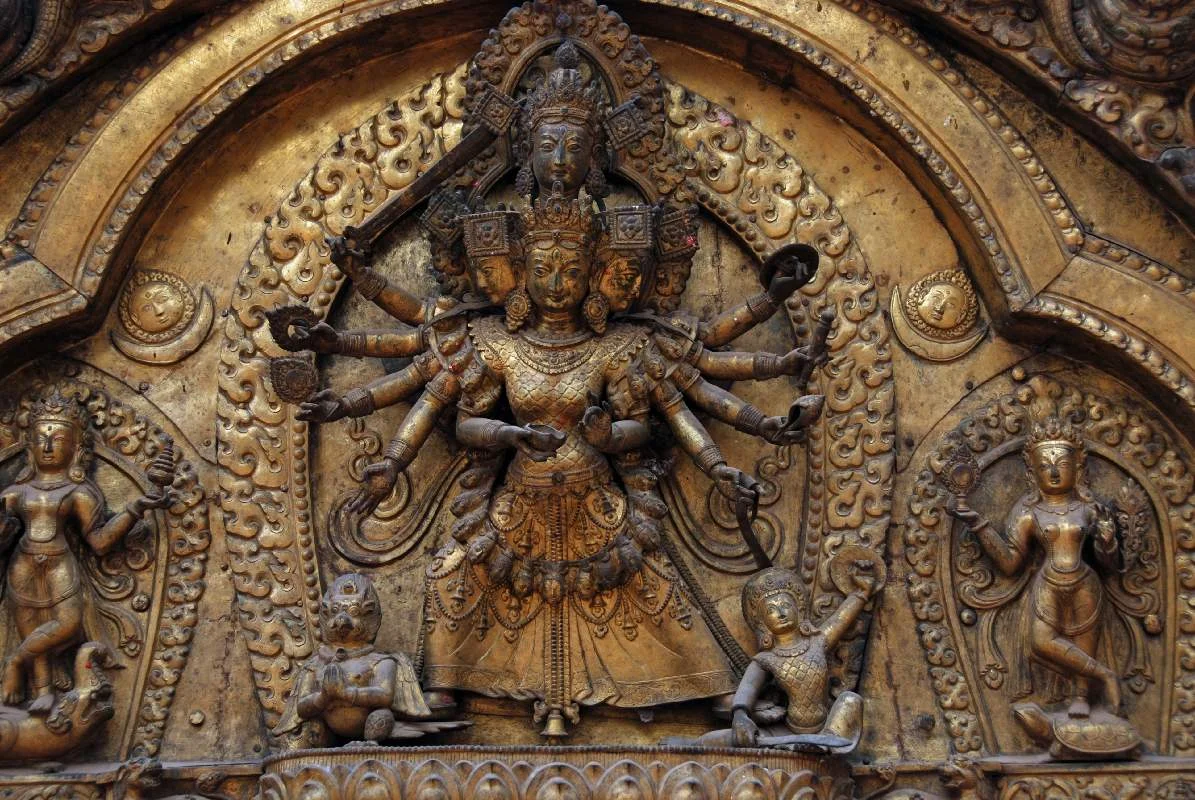
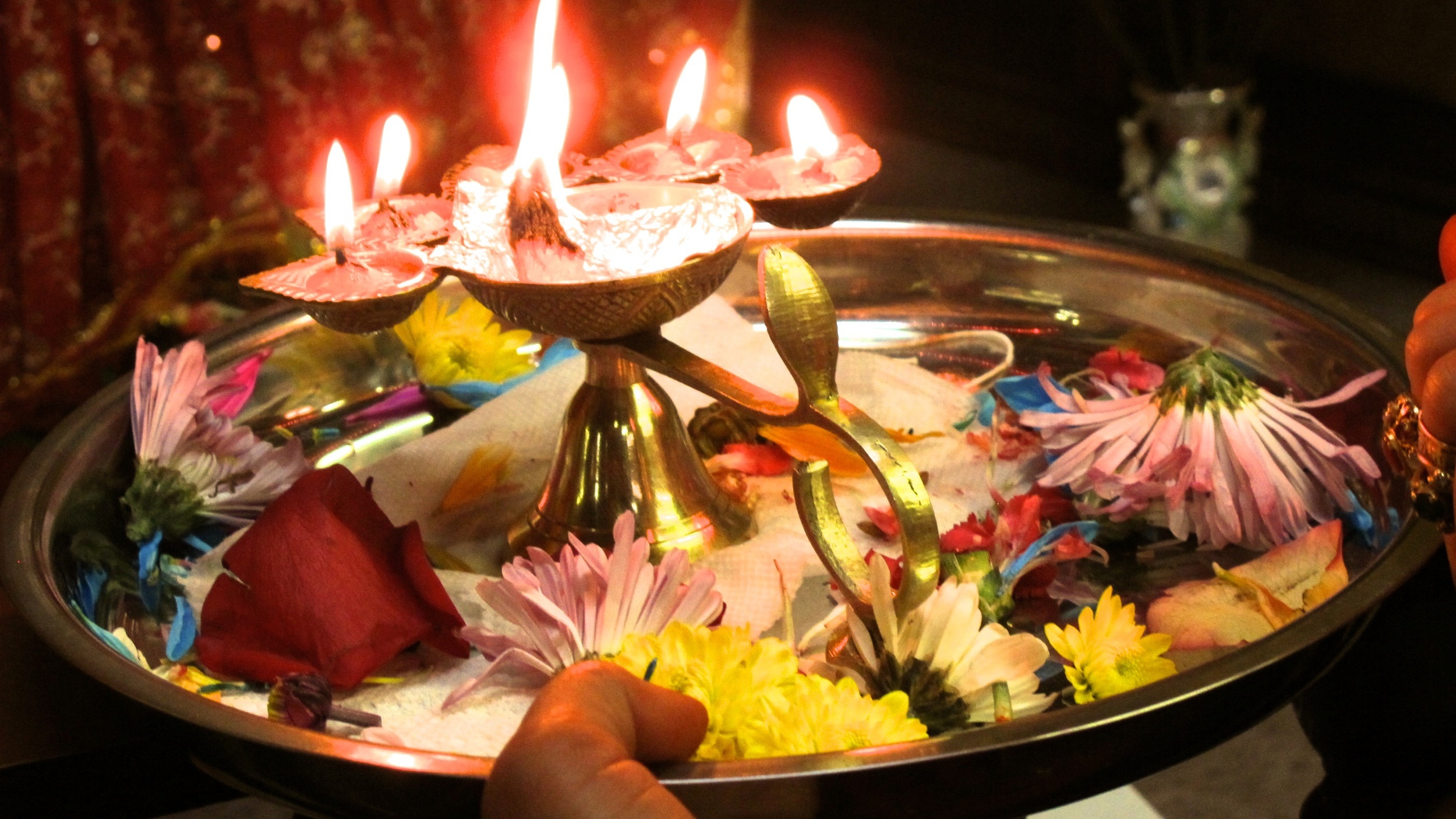
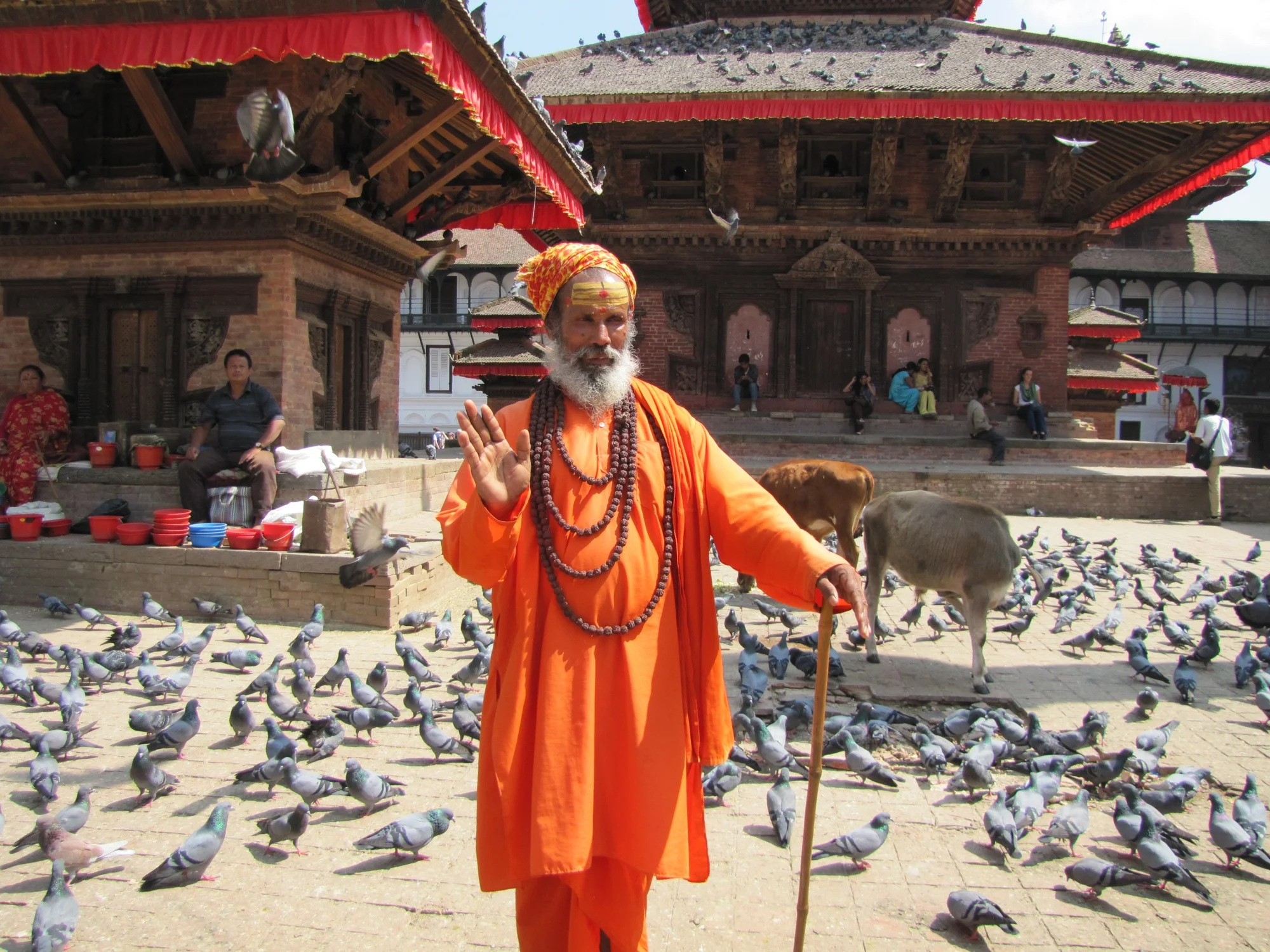
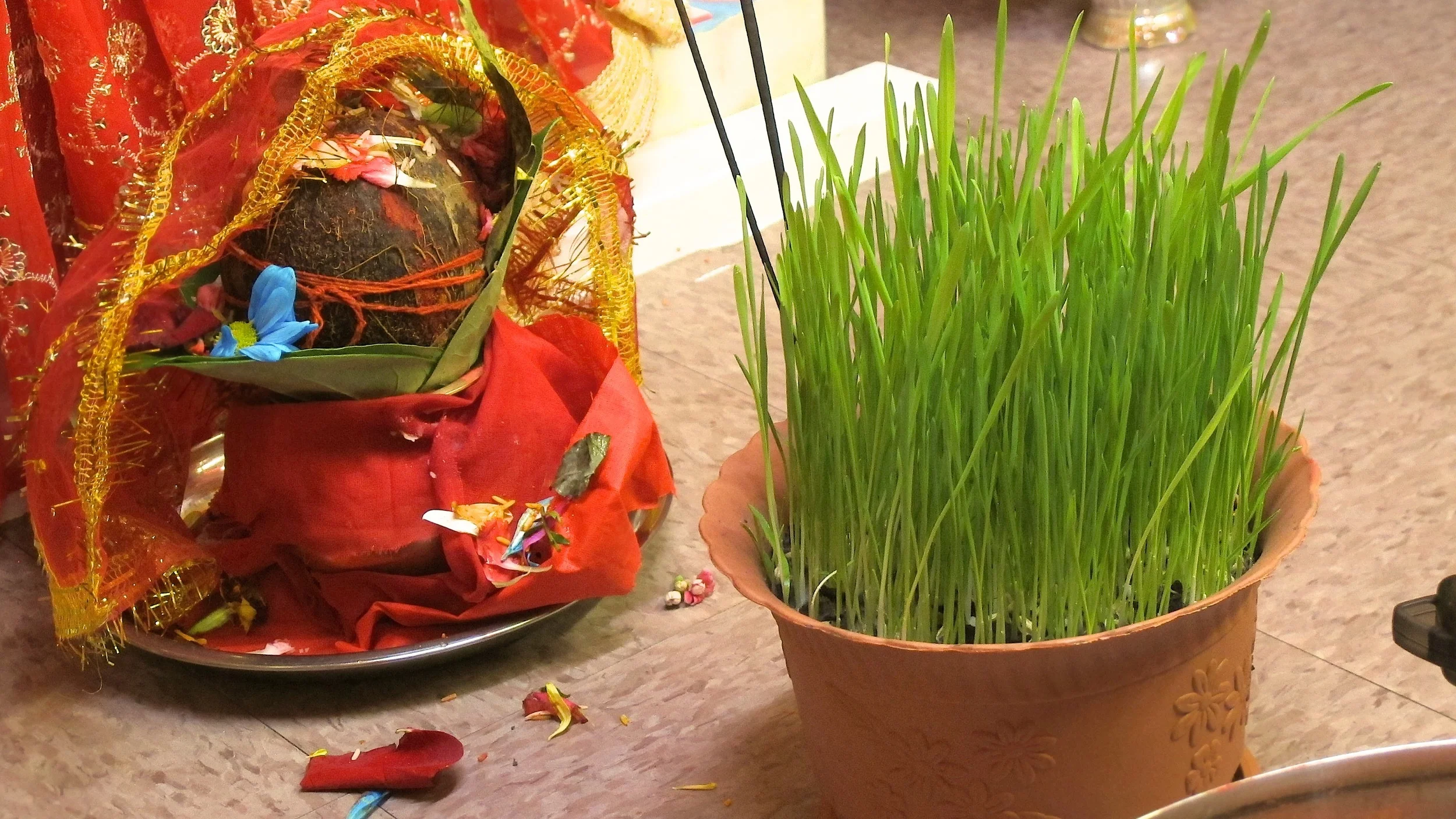
Maha Asthami falls on the eighth day, and it’s the day mentioned before, the one that’s not in tune with 21st century sensitivities. Throughout the country, temple courtyards of Goddess Durga become red with the blood of thousands of buffaloes, goats, ducks, and pigeons—their heads severed with single chops of khukuris. There’s probably as much meat in homes on this day as there might be in some of the smaller hotels in Kathmandu! The night of this bloody day is known as Kal Ratri (black night).
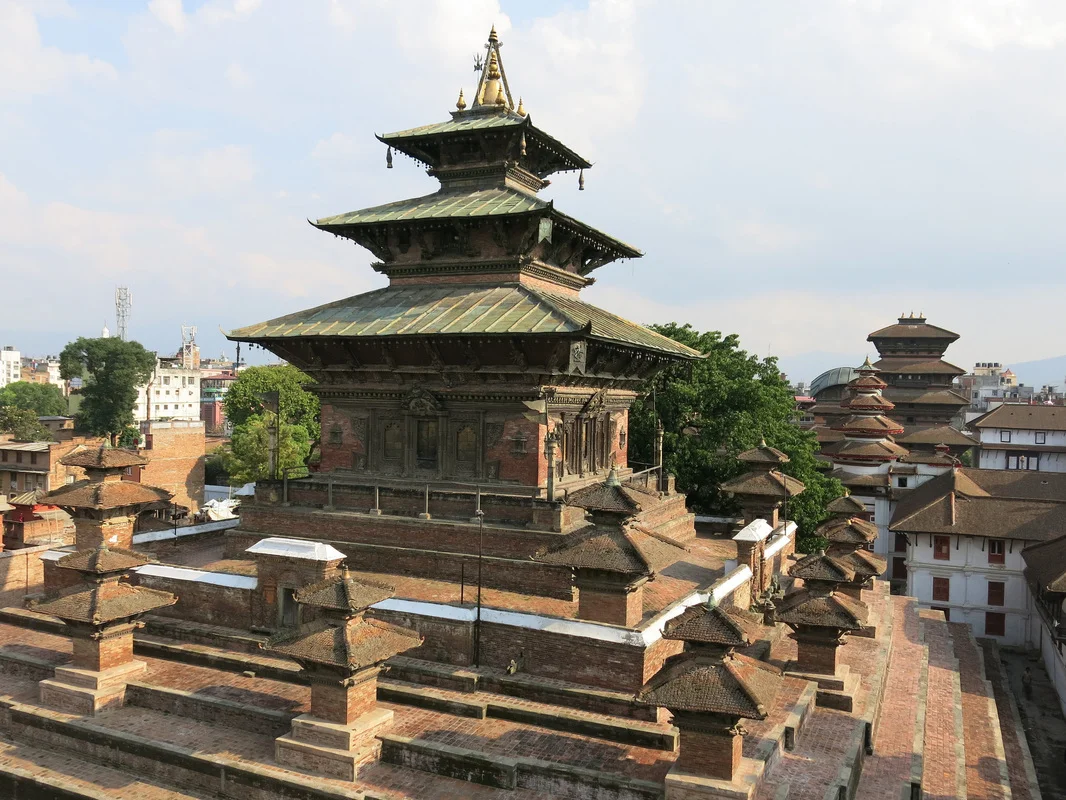
The next day is Maha Nawami. In Kathmandu, this is the only day when the doors of the ancient Taleju temple at Hanuman Dhoka are opened for the public. Official sacrifices are also conducted on this day by the Nepal Army in the courtyard (kot) of the Hanuman Dhoka palace. If you are lucky enough to witness it, it’s something that will remain with you forever—the sight of buffalo heads being neatly sliced with the single stroke of long bladed khukuris wielded by sturdy army men. If that’s not drama enough, officers in full regalia stand in attendance with a military band going great guns all the while, not to mention, the loud boom of rounds fired from dozen of big guns.
Finally, it’s Vijaya Dashami, the day of Tika, and this is when you’ll find the streets of Kathmandu coming alive once again, what with families going from place to place to receive tika from elder relatives. It’s a time of hectic activity, since most Nepalis have lots of relatives, generally. Actually, because it’s not possible to make it everywhere on a single day, Dashain carries on for the next four days to allow for this. So, although Dashain is known as a 10-day festival, it really ends on the 15th day, which is always a full moon day and is known as Kojagrata Purnima. It’s the day for rest and rejuvenation from all that frenetic activity of Nepal’s biggest festival, Dashain. And now, again, hotels in Kathmandu go on full alert because the tourist season, too, has begun!
POPULAR ITINERARIES
SIMILAR POSTS
This is how Indrajatra, Nepal's biggest street festival was celebrated in 1931 AD
Very rare video footage of Nepalis celebrating Indra Jatra festival, biggest street festival of Nepal, with much rejoice, singing, dancing and chariot procession in Kathmandu.
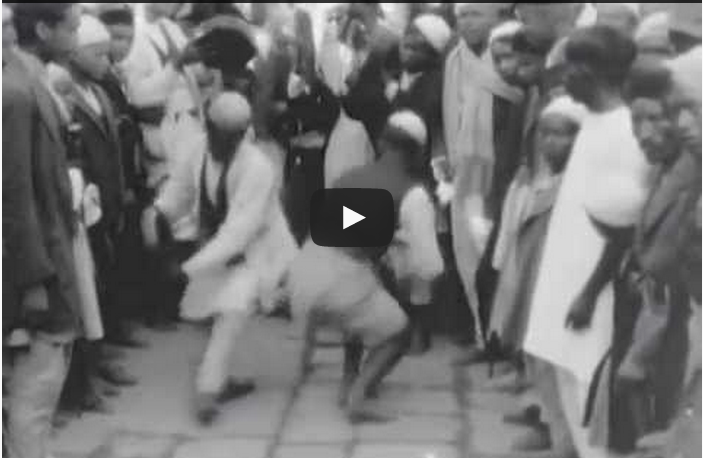
Very rare video footage of Nepalis celebrating Indra Jatra festival, biggest street festival of Nepal, with much rejoice, singing, dancing and chariot procession in Kathmandu.
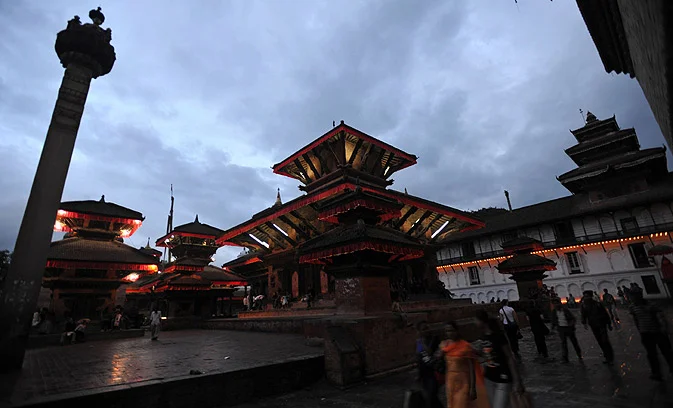
Date: 1931 (Before the great earthquake of 1934. Hence the video has very important visuals that displays the spectacular Kathmandu Durbar Square before the disaster)
[Credit: British Library - Sound and Moving Image Collections | The British Library has made these recording available purely for the purposes of non-commercial research, study and private enjoyment.]
Indra Jatra
(Yenyā in Nepal Bhasa: येँयाः)
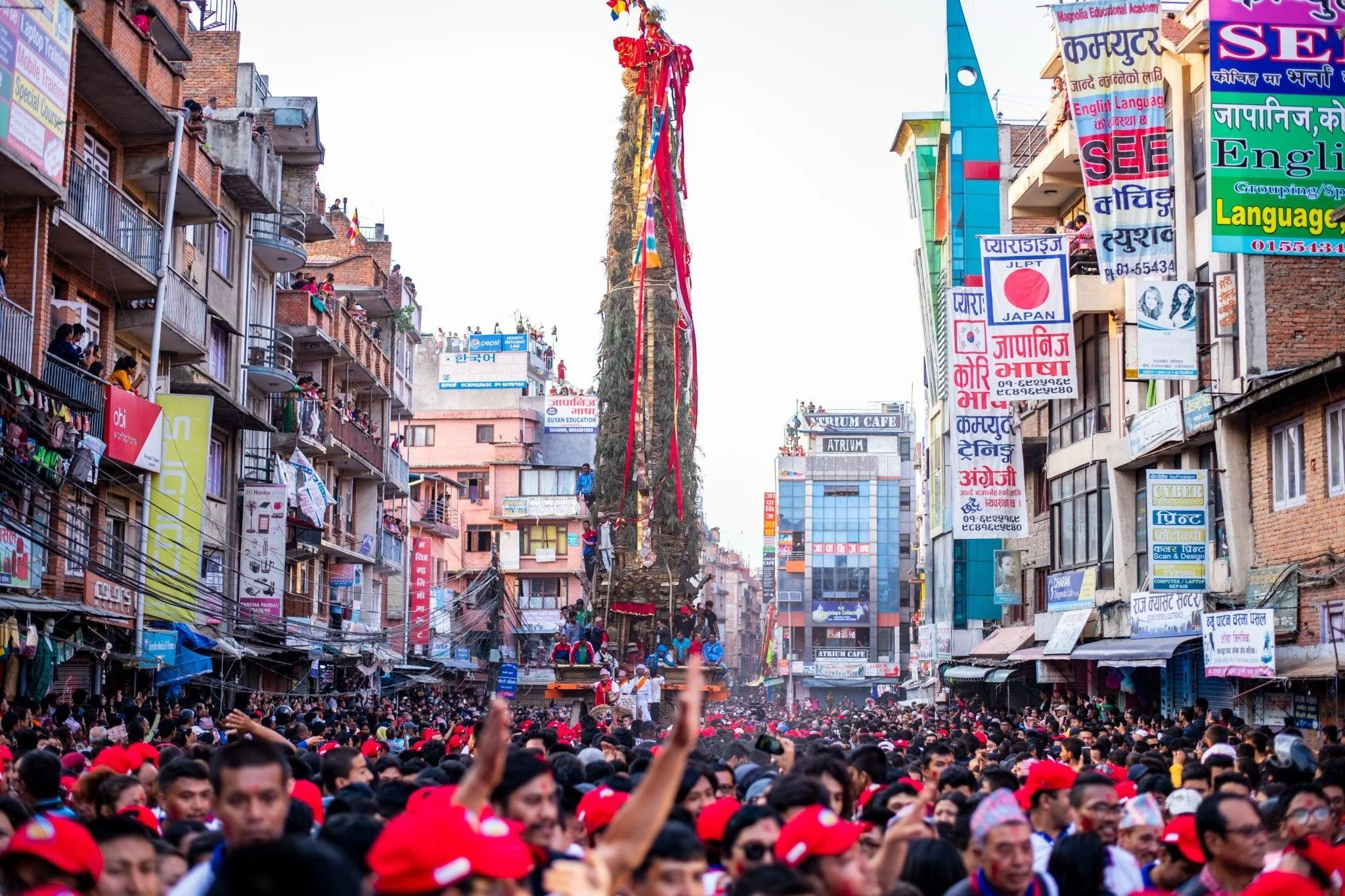
It is the biggest religious, cultural and historic street festival of Nepal, particularly within the Kathmandu valley and mainly observed by Newar community. Yenya means "Kathmandu festival" in Nepal Bhasa. It is the time when the advent of the monsoons is celebrated in the name of the rain god 'Indra'.
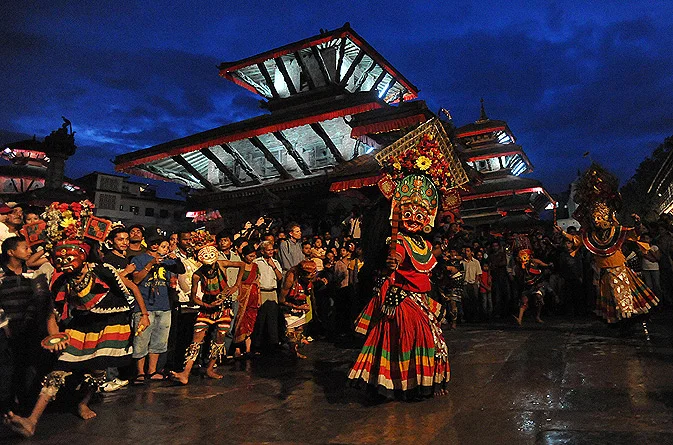
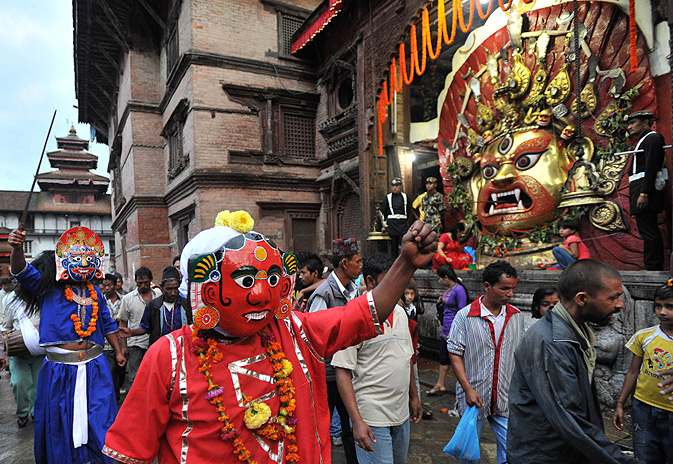
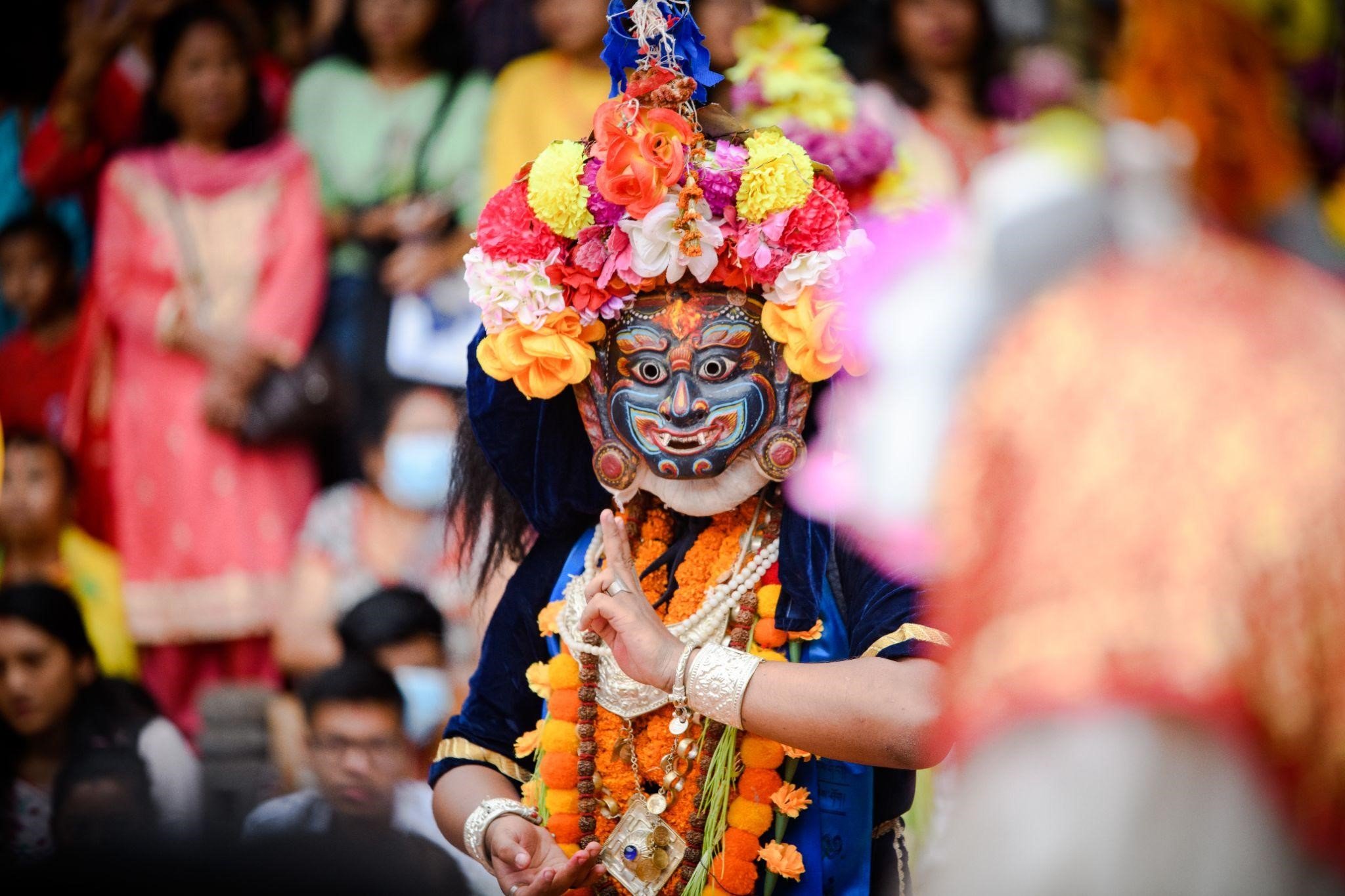
The eight days long celebrations consist of two events. Indra Jatra is marked by masked dances of deities and demons (commonly known as Lakhe Naach, Mahakali Naach, Lusiki Naach and Dash Avatar), displays of sacred images and tableaus in honor of the Hindu deity Indra, the king of heaven. The other event is Kumari Jatra, the chariot procession of the Living Goddess Kumari. Three chariots carrying human representations of Goddess Kumari, Lord Ganesh and Lord Bhairava are pulled along the festival route through Kathmandu Durbar Square. Classical dancers, mask dancers of deities wearing different kinds of traditional masks and costumes and musicians also accompany the chariot procession. The dancing continues throughout the route to celebrate the visit of the rain god, Indra. The procession starts at around 3 pm.
Indra Jatra was started by King Gunakamadeva to commemorate the establishment of the city of Kathmandu in the 10th century. Kumari Jatra, which means the chariot festival of Kumari, coincides with Indra Jatra. It was started in 1756 AD during the reign of Malla King Jaya Prakash Malla.
Family members deceased in the past year are also remembered during the festival. The main venue of the festivities is Kathmandu Durbar Square. The celebrations last for eight days. There is a public holiday in Kathmandu Valley to mark the festival. Indra Jatra also marks the beginning of the festive season, which is preceded by major festivals Dashain and Tihar.
Kumari Jātrā
On the first day known as Kwaneyā (क्वनेया:), the chariots are pulled through the southern part of town. On the second day known as Thaneyā (थनेया:), the chariots are drawn through the northern part till Asan. And on the third day Nānichāyā (नानिचाया:), the procession passes through the central section at Kilāgal. The chariot procession was started in the mid-18th century during the reign of Jaya Prakash Malla.
Route on Day 1: Basantapur, Maru, Chikanmugal, Jaisidewal, Lagan, Hyumat, Bhimsensthan, Maru, Basantapur.
Route on Day 2: Basantapur, Pyaphal, Yatkha, Nyata, Tengal, Nhyokha, Nhaikan Tol, Asan, Kel Tol, Indra Chok, Makhan, Basantapur.
Route on Day 3: Basantapur, Pyaphal, Yatkha, Nyata, Kilagal, Bhedasing, Indra Chok, Makhan, Basantapur.
Ancient Legend
According to an ancient legend, the young Indra, disguised as a farmer, descended to earth in search of Parijat, a white flower, his mother, Dakini, needed to perform a ritual. He found the Parijat, but was caught while trying to take the flower by the owner of the meadow where he found the flowers. He was bound and imprisoned in Kathmandu until his mother, worried about his extended absence, came looking for him. When the city folk realized who they had imprisoned, they agreed to release Indra but on the condition that he would return to the earth every year during that time and be displayed as a prisoner for 7 days and that he would provide enough rain (dew during winter) for the crops. So, during this festival, images of Lord Indra are displayed for 7 days, but in captivity. Dakini promises enough dew throughout the winter to ensure a rich crop and to take back with her to heaven all those who had died in the past year.
The Indra Jatra festival thus honours the recently deceased and pays homage to Indra and Dakini for the coming harvests.