Losar: The Festival of Reunion
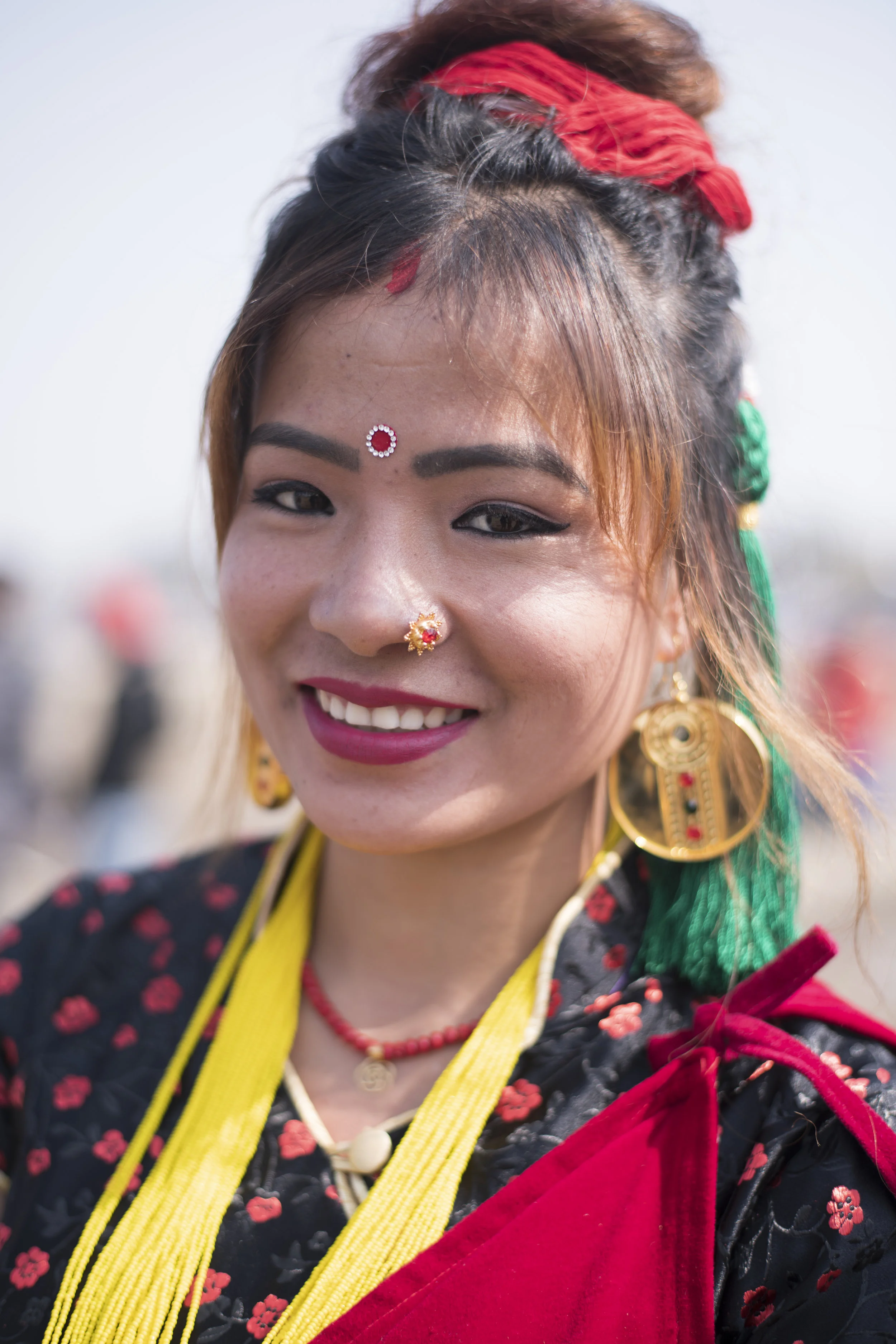
Losar is one of the main festivals celebrated by the ethnic communities of Tamang, Sherpa, Gurung and Thakali. Losar means new year according to the unisolar calendar followed by the communities, it is also known as the Tibetan Calendar which follows the cycle of 12 years called Lohokor.
Losar is one of the main festivals celebrated by the ethnic communities of Tamang, Sherpa, Gurung and Thakali. Losar means new year according to the unisolar calendar followed by the communities, it is also known as the Tibetan Calendar which follows the cycle of 12 years called Lohokor.
Losar is celebrated for 15 days during which the people visit the stupas and monasteries to offer pray, and receive blessings from monks for prosperity and wellbeing. The ethnic people adorn themselves their traditional dresses and rejoice the coming of the new year with their friends and family. Losar is a communal event where all members of the community gather in a venue and celebrate through numerous cultural dances, songs and prayer.
Losar is a single festival celebrated in different days according by different communities. Among the numerous Losar celebrations, the major ones are Tamu Losar celebrated by the Gurung community, Gyalpo Losar by the Sherpa Community and Sonam Losar celebrated by the Tamang community.
Tamu Losar:– Celebrated by the Gurungs community they are the indigenous people from Nepal and called Tamu, another name of Gurungs. They are native to the mountainous region but have settled all over Nepal. Gurungs are among the famous soldiers who share the title of “Gorkhas” who participated in the 1st and the 2nd World War.
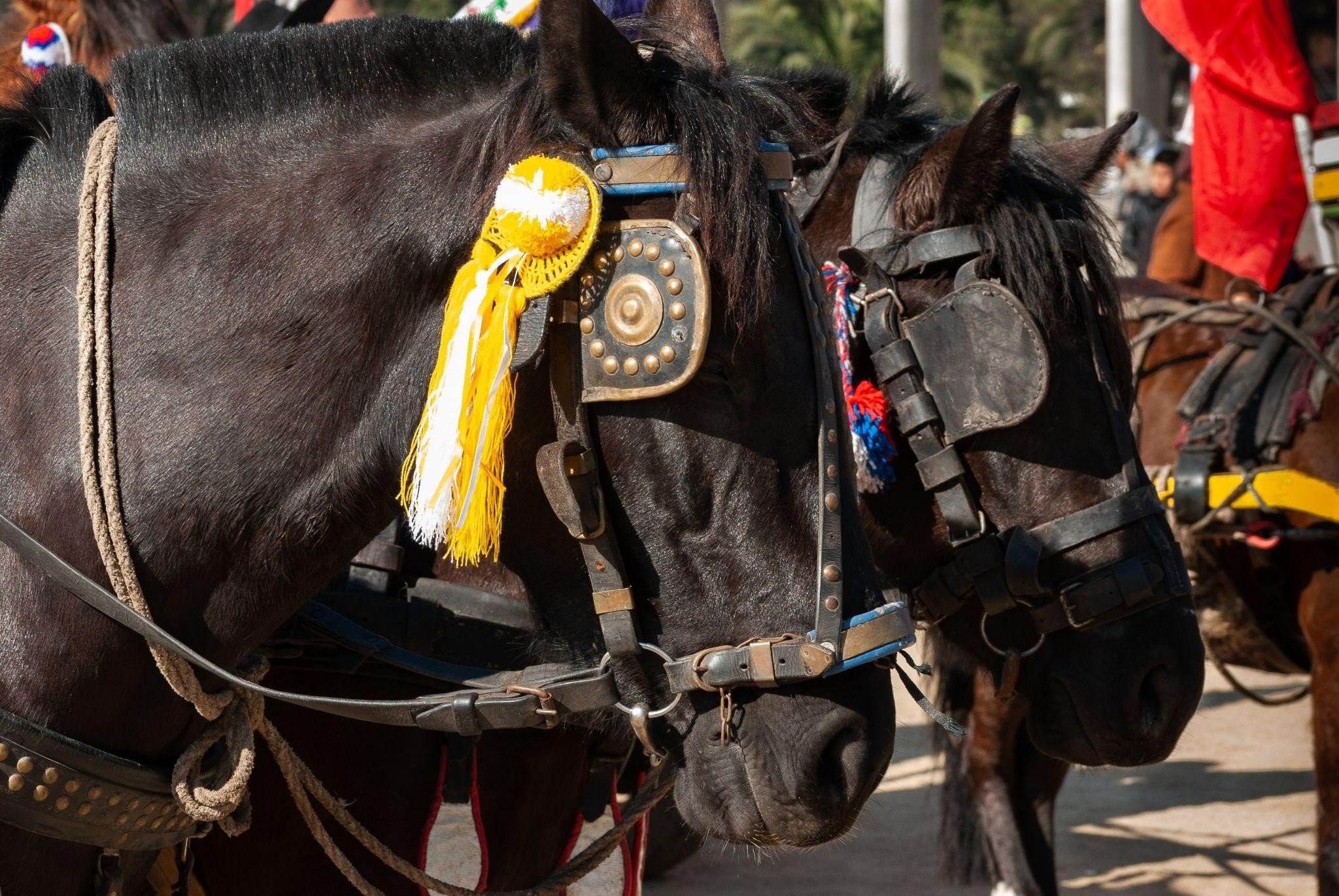
Tamu Loshar falls in the month of December/January. The date signifies the end of the shorter days and the start of the longer days bringing warmness and charm. At the eve of the festival the lama, the traditional priests of the community called Lamas burn incense and offer prayers. Various delicacies such as Sel roti (Rice circle bread), Achar ( Pickle), Meat, homemade rice Beer and Wine are served. Members gather in the communal spaces and rejoice in the festivities and cultural processions marking the New Year. Sonam Losar:- Celebrated by the Tamangs community native to the central highlands of Nepal. Tamang’s have their dialects and unique culture that distinguishes them from other ethnic groups. The Tamang’s ethic profession during earlier times was horse trading. Sonam Loshar falls in the early January to mid February. Sonam Losar is all together celebrated for 15 days but the first three days are the major of the festival. They clean and decorate their homes to welcome the coming year and visit monasteries and stupas in their traditional costumes. Pork, duck, chicken and sweet desert along with rice beer and wine are served in communal and family gatherings.
Gyalpo Losar:- Celebrated by the Sherpa community native to the Himalayan region. Sherpas are renowned for having extreme endurance as they are born and raised in the one the high Himalayas. Their native profession is trade, husbandry and highland farming but in todays modern times. Most earn their living through transporting goods for trekkers and mountaineers who come to climb the high mountains. The trekkers and travelers have a deep respect for the Sherpa community as their work is involves high risk. They are world famous mountain climbers and the first one to scale Mount Everest in Nepal, the highest mountain in the world.
It is the celebration of Tibetan New Year falls that in the month of February in English Calendar. The community marks the beginning of the festivities by preparing their traditional dish Khapsee. The houses are cleaned, specially the kitchen has to be cleaned properly because it is place where the family prepares the food. Among the many dishes served one is a soup served with dumplings called Guthuk. The soup incorporates meat, rice, sweet potatoes, wheat, yak cheese, peas, green peppers, vermicelli and radishes. During the festival, the communities recall the struggle between the good and the evil in their ceremonial dance and as the Lama chants mantras and passes the fire torches through the crowds. People perform the traditional dance battle encounter between the king and the deer and amuse the spectators.
All three Losars have one commonality they are celebrated to not just mark the new year but to bring the community together. Especially in the modern times where many have migrated away from their native land and cultural values are being overrun by the modern routines. Festivals such as Losar help bring together the community and keep the traditional culture, lores and the sprit of a community alive.
Swasthani Bratakatha Festival in Nepal
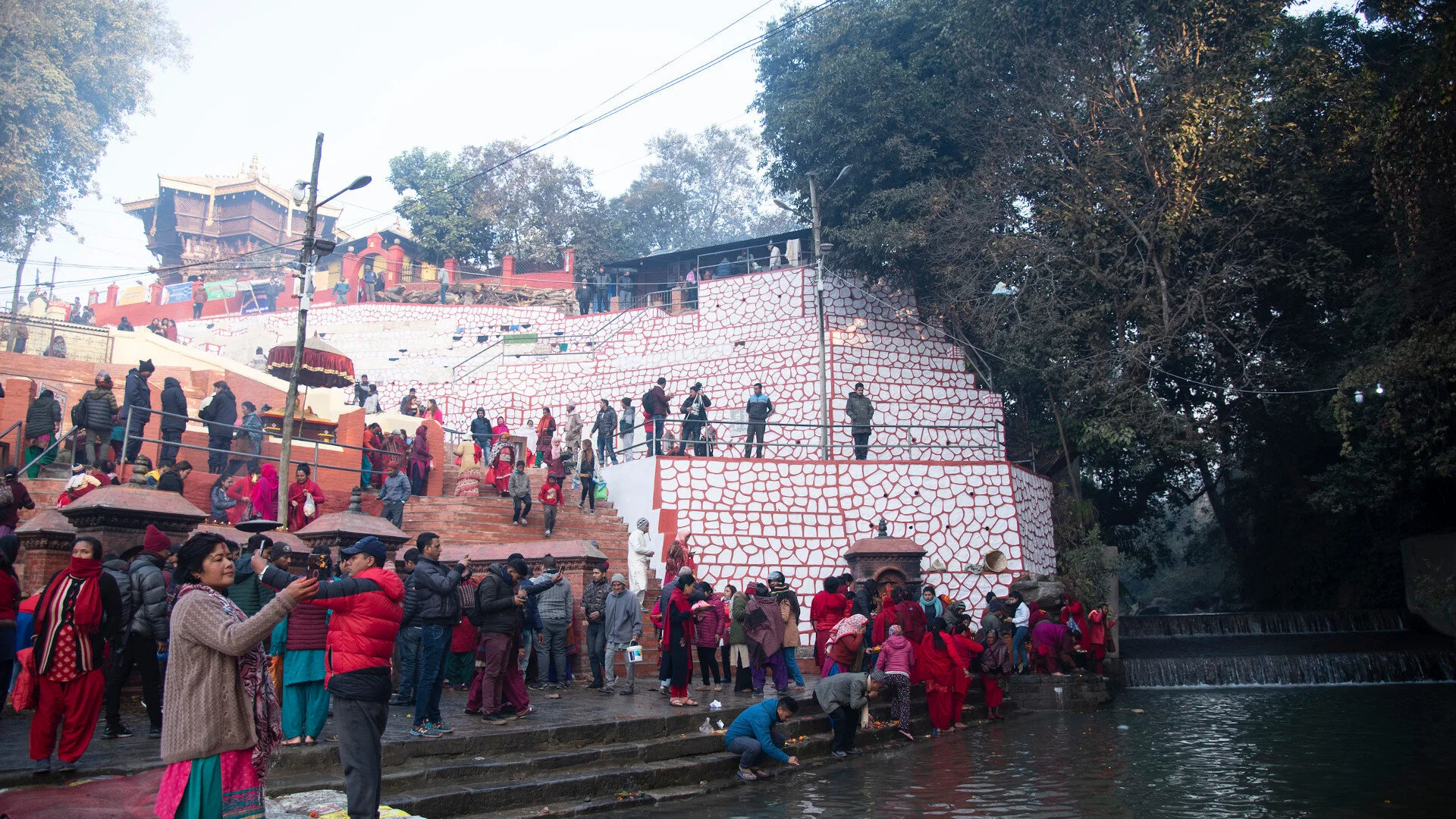
Every year during the full moon of Poush Shukla, devotees flock to the holy river of Shali Nadi in Sankhu to offer their prayers to Goddess Swasthani and God Madhav Narayan. Devotees fast for their family’s prosperity till the next full moon. During the month family members read the book of Swasthani.
Every year during the full moon of Poush Shukla, devotees flock to the holy river of Shali Nadi in Sankhu to offer their prayers to Goddess Swasthani and God Madhav Narayan. Devotees fast for their family’s prosperity till the next full moon. During the month family members read the book of Swasthani.
The month includes various rites and rituals performed for prosperity and well being, devotees arrive at the holy river before the crack of dawn. Offer their prayers at the Madhav Narayan temple, take a holy dip in the river and perform various rituals. The Swasthani Brata Katha believed to be first written in Newari is a sacred text based on the Goddess Swasthani. Goddess Swasthani is believed to be a four handed goddess placed in the centre of the Asta Matrika’s. The Asta Matrika’s ( Brahmayani, Maheswori, Kumari, Vaishnavi, Indrayani, Barahi, Chamunda and Mahalaksmi), are protective deities worshipped in the Newar pantheon who are the feminine energy (Shakti) of Brahma,Vishnu,Shiva, and Indra. The ancient cities of Kathmandul, Lalitpur and Bhaktapur are protected by a ring of Asta Matrika temples.
Swasthani Brata Katha is a tale narrated by Lord Kumar also known as Kartikay, the elder son of Loed Shiva and goddess Parvati, to Shanta Muni Agasthi about the formation of the universe. The tale begins with ‘Kumar Ji Agya Garnu Huncha Hey Agasthi Muni‘ which means ‘Lord Kumar Shall Ask Agasthi Muni’. The chapters in the book is mainly about the devotees who performed sins due to their ignorance and were rescued by goddess Swasthani after they performed fasting and puja to please her. Some of the scriptures are focused on goddess Parvati and some about Sati Devi, (Lord Shiva’s first wife) and goddess Swasthani recuing her from her dismay.
The mention of Sali River (Nadi), situated in Sankhu, in the Swasthani Brata Katha makes it a major holy place for the revellers to visit during the month of Swasthani.
POPULAR ITINERARIES
SIMILAR POSTS
Boisterous Festivals of Spring
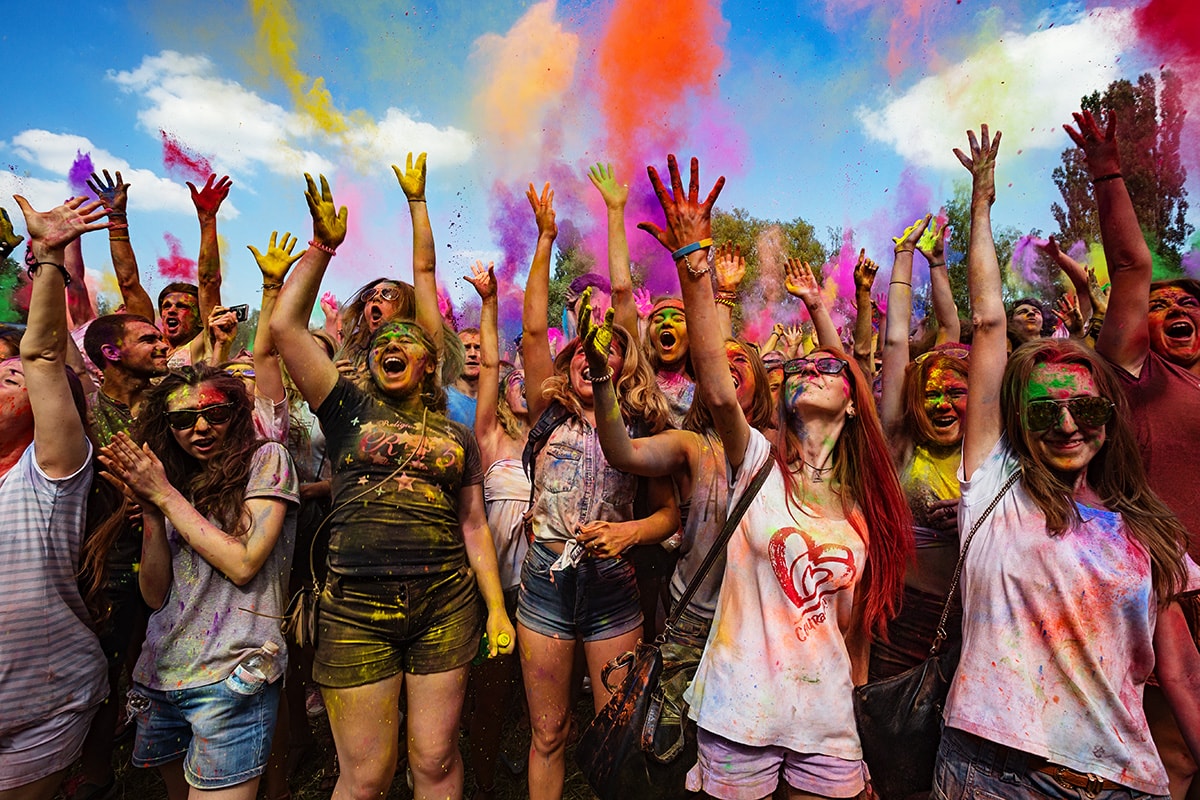
Holi, the festival of colors, is celebrated with great enthusiasm all over the country, and it is a time when one forgets and forgives.
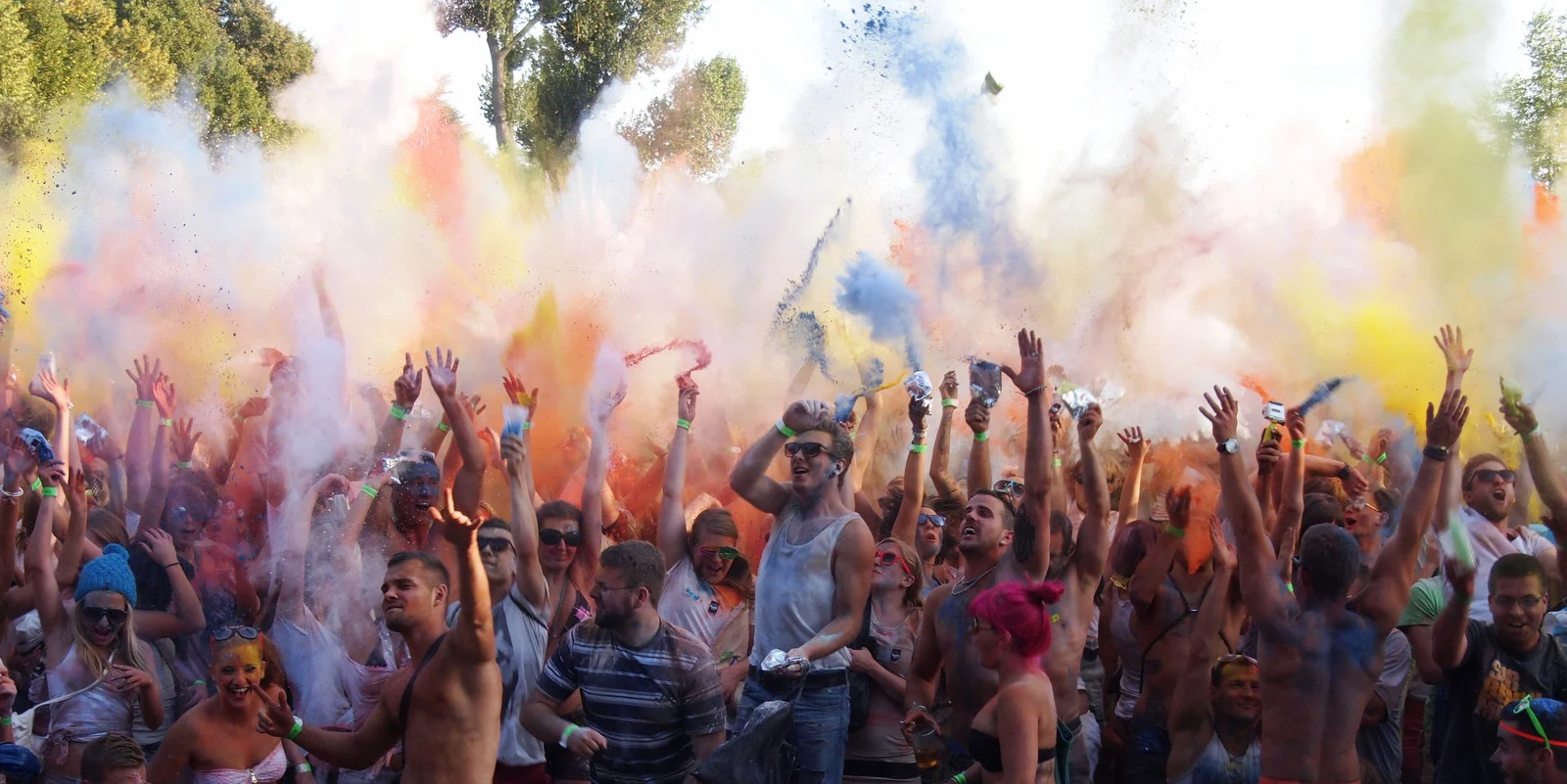
With the waning of winter, arrives many enjoyable festivals. one will witness people of all ages and walks of life throwing color at each other, and friends and acquaintances, sometimes even strangers, exuberantly rubbing color powder on one another’s face. Many young men are likely to be high on the day from drinking ‘bhang’ and eating ‘bhang-ko-laddu’ (drink and sweet containing marijuana). Much ahead of the festival, government authorities put out notices through various media warning that unruly behavior will not be condoned on the day of Holi. Security will be high, since brawls often break out between groups of intoxicated revelers.
Till recently (not so much now), you could deduce that Holi was around the corner due to kids throwing small water-filled balloons (lolas) at passersby, particularly young girls, almost a week before the festival day. ‘Anything goes,’ seems to be the watchword of Holi, and in fact, the favorite cry on the day is in Hindi, “Bura na mano, Holi hai!” especially in the Terai, where Holi is celebrated one day after the one in the hills. The phrase means, “Don’t mind, it’s after all Holi!” In other words, it is a festival that permits you to let out steam, within limits, of course.
The story of a female demon “Holika”
Here is the story behind the festival of colors: It is to celebrate the death of a female demon named Holika, who had been ordered by her brother Hiranyakashyapu to kill his son Prahalad. Hiranyakashyapu, through severe meditation, had won the gods’ blessings that he couldn’t be killed by anybody on earth, water, or sky, using whatsoever means, and thus he considered himself to be immortal, above all beings.
So, when he discovers his son worshipping Lord Vishnu, he gets enraged. He orders his sister Holika, who herself has won a blessing to be immune from fire, to grasp Prahalad and jump into an inferno. However, somehow or the other, it is Holika who gets immolated, while the boy remains unharmed. There’s another reason for Holi. It is to celebrate Lord Rama’s return to Ayodhaya after his epic victory over the 10-headed King Ravana of Ceylon, who had abducted his wife Sita, thus starting a war.
Raising ceremonial bamboo
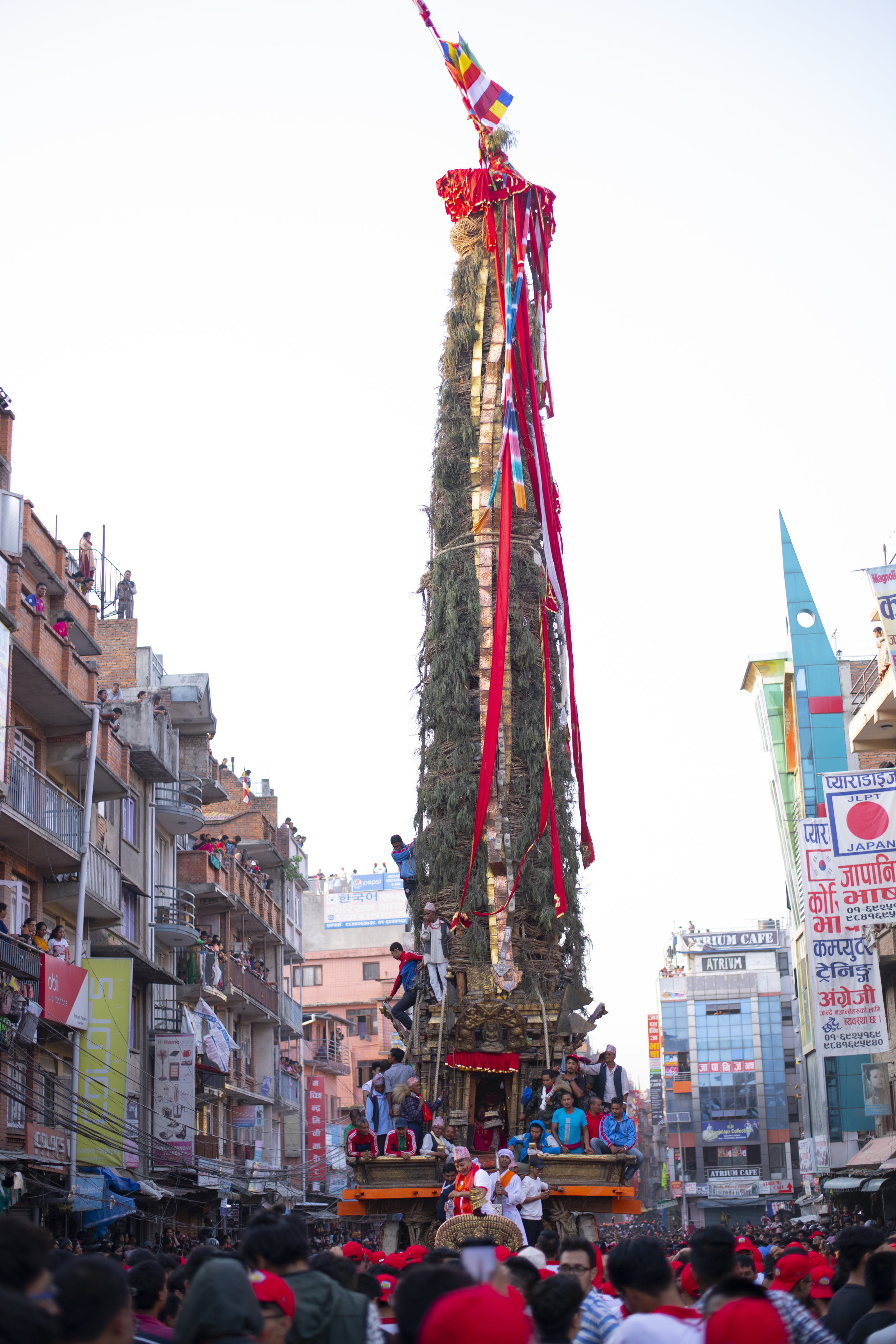
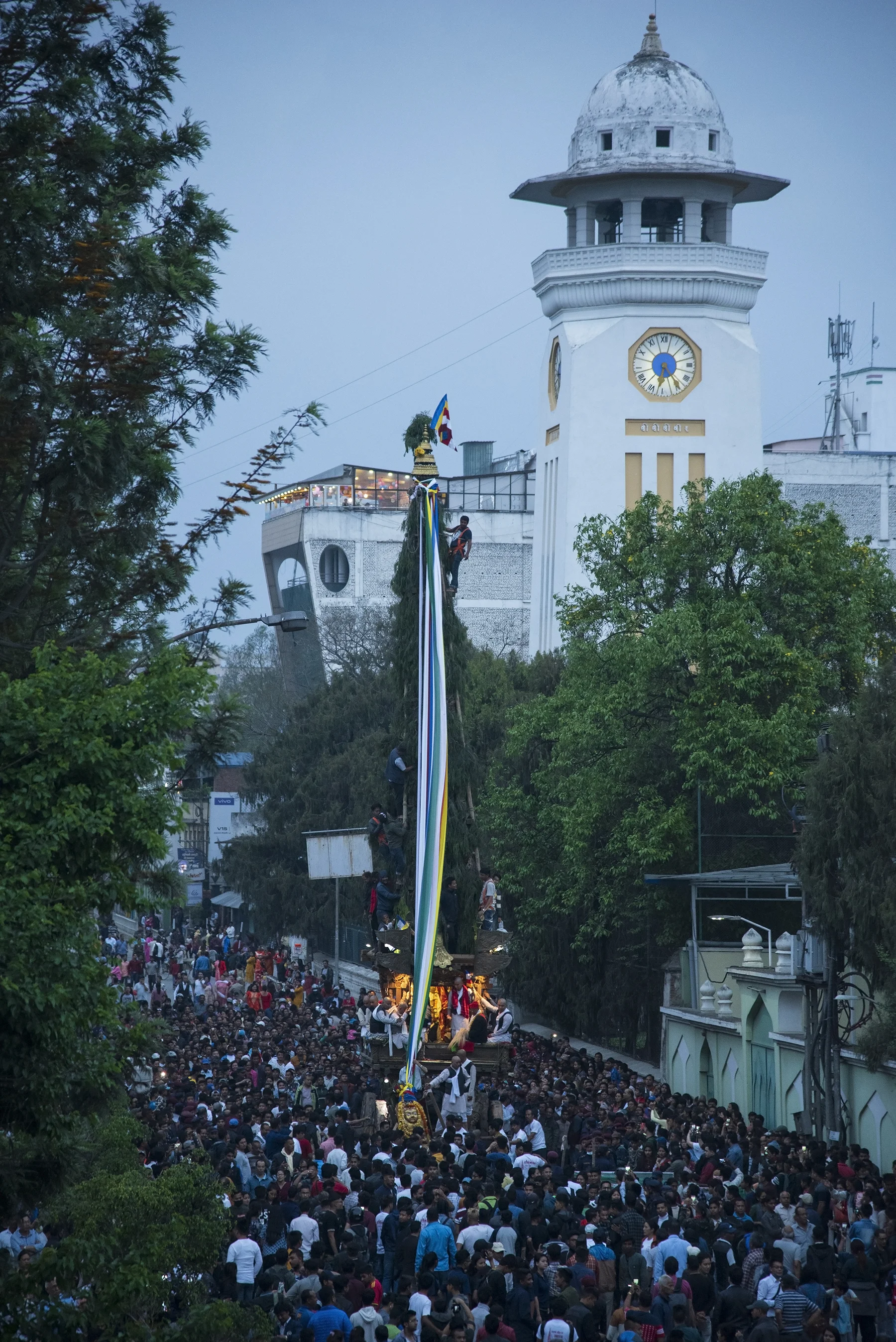
The beginning of the festival, in Kathmandu, is marked by raising the Chir pole (a ceremonial bamboo pole having cloth strips of various colors) at Kathmandu Durbar Square. The story behind this is pretty interesting. Lord Krishna, in his heydays, had a flock of adoring women always around him. They were known as Gopinis (Krishna is also known as Gopi). One day, while the women are taking a bath in a river, he steals their clothes and hangs them on a tree. Well, the chirs (cloth strips) represent the Gopinis’ clothes. The naughty Krishna then declares that he won’t be returning the clothes until they remain submerged for some time, offering prayers to the Sun god.
Oil wicks on a cow dung base are kept lighted at the bottom of the Chir, and ceremonial threads tied around it. The setting up of the Chir heralds the start of the Holi festival. In the same way, its lowering announces the end of Holi. Once lowered, the waiting crowd rushes forward to grab the cloth strips, which are regarded as lucky charms. The Chir pole is then dragged to Tundikhel and burnt. Women throw coconut shells into the bonfire, and people collect the glowing coals and ash, which will be used for purifying their homes. In the Terai, Holi is celebrated as boisterously as in the hills, and in many areas, more so. People invite friends to their homes to enjoy special delicacies. All said and done, Holi is the most colorful festival of all festivals in Nepal, and a time when old grievances are forgotten and forgiven.
POPULAR ITINERARIES
SIMILAR POSTS
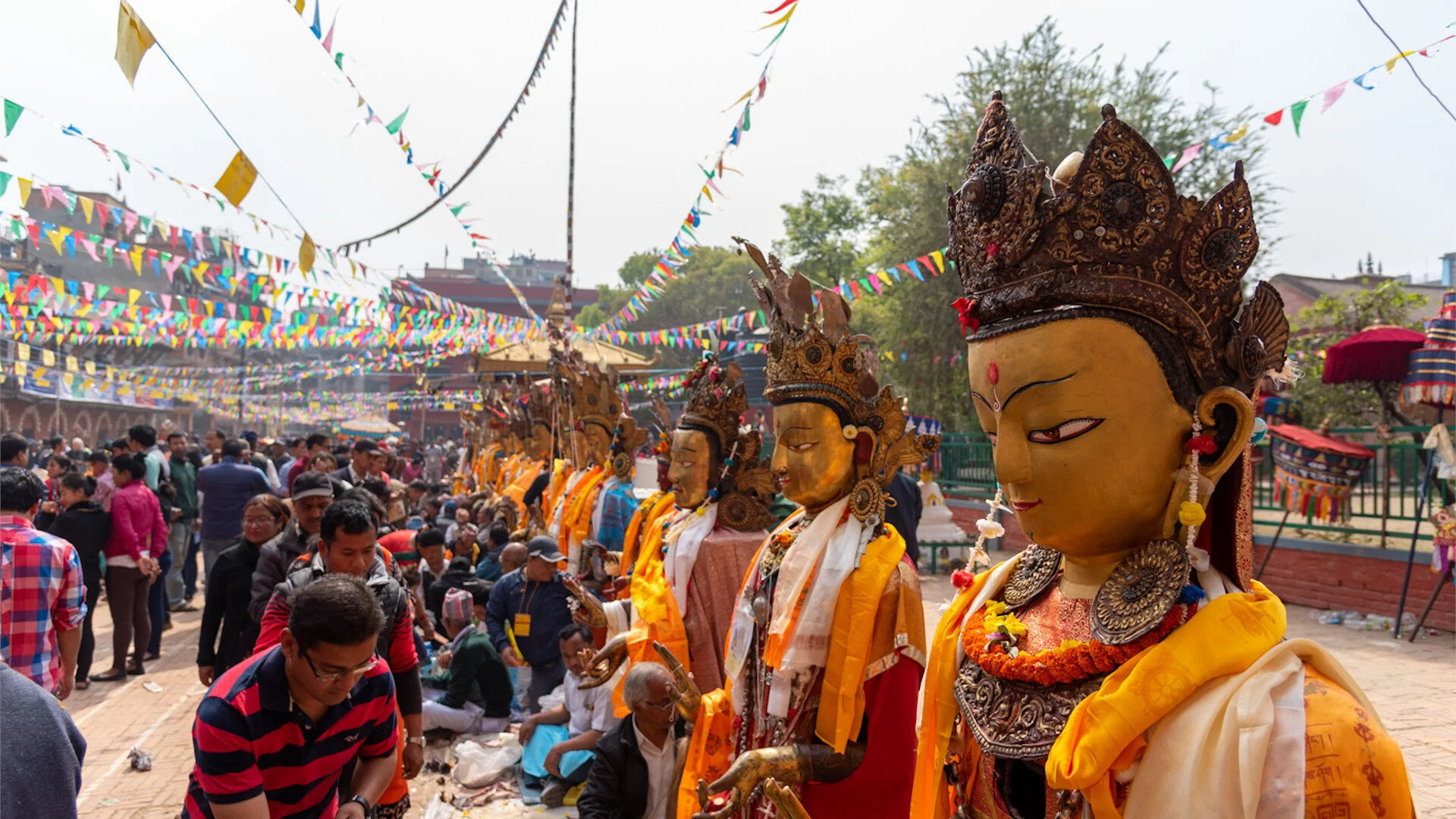
The Rich Culture of Panauti
Panauti has an ancient history, and a culture that is rich and thriving. It’s close to Kathmandu, and a visit is sure to enrich you.
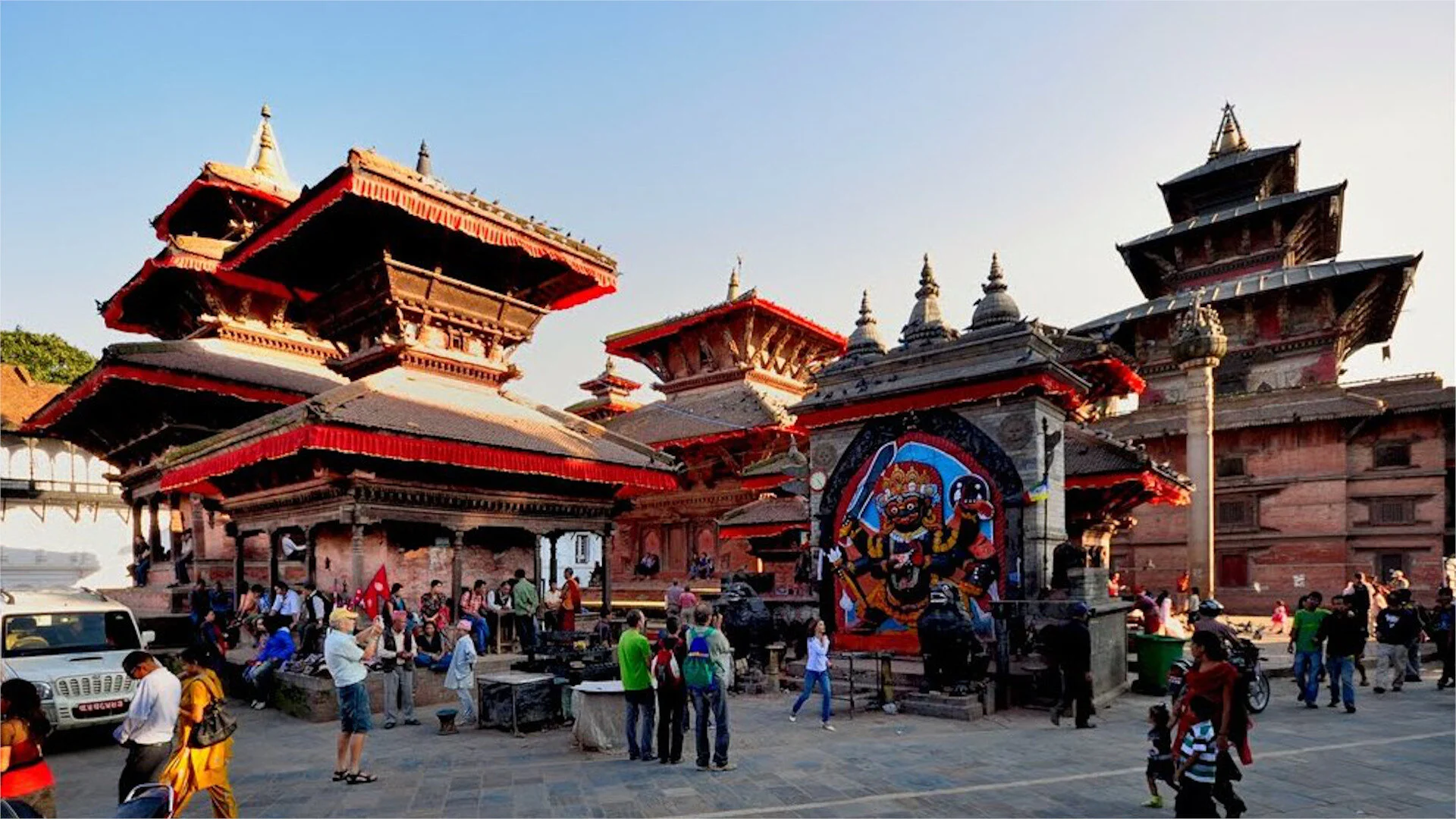
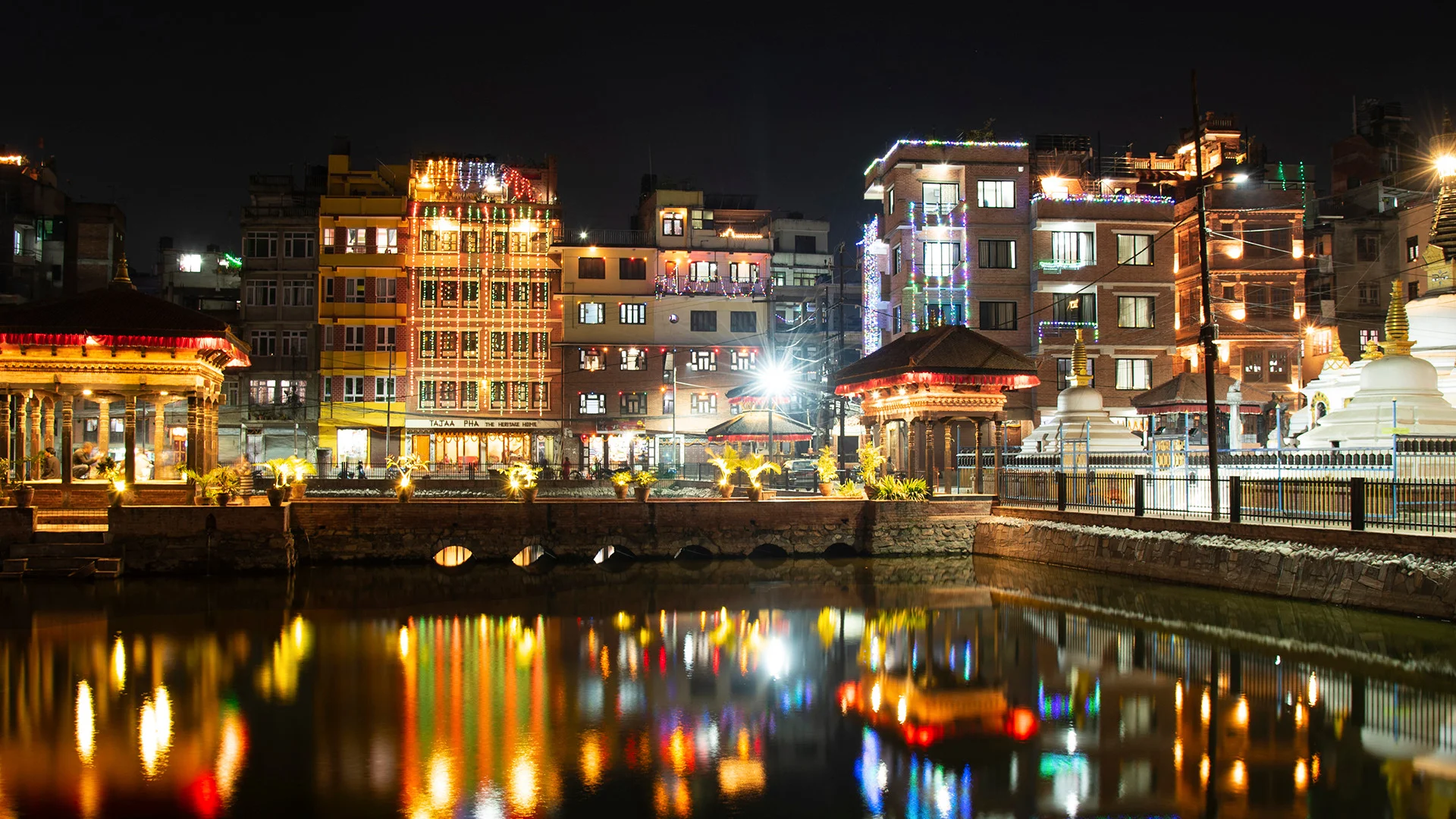
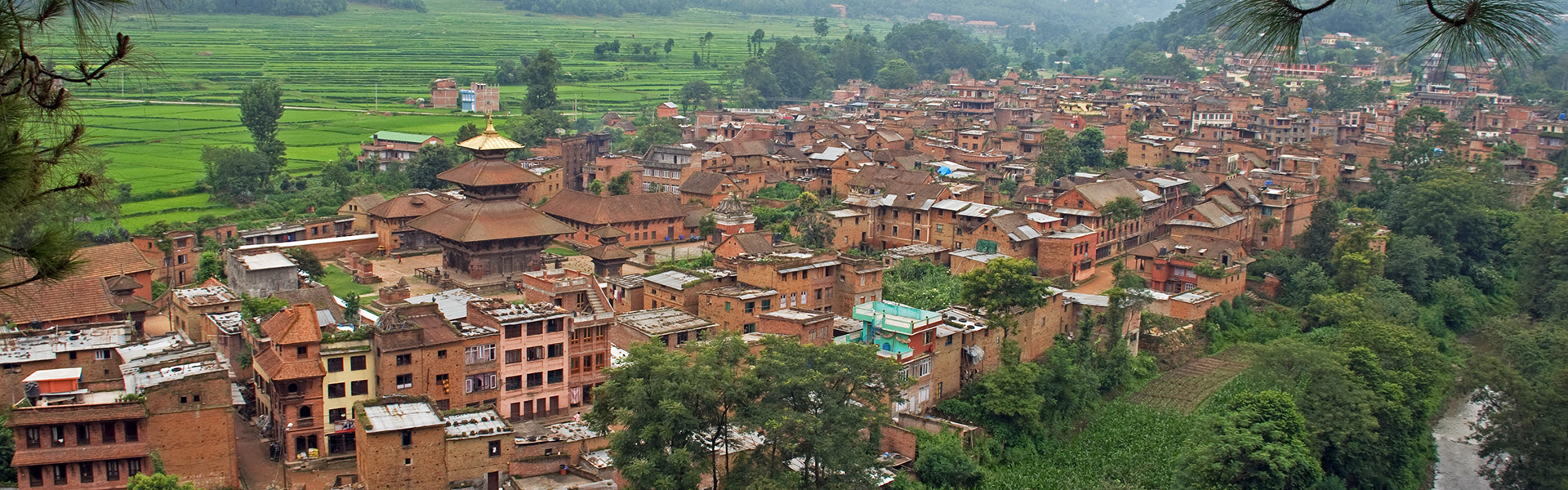
Panauti is one of three municipalities of Kavrepalanchok district in the central region of Nepal, the other two being Banepa and Dhulikhel. Situated about 32 km south-east of Kathmandu, at the junction of the confluence of the Roshi and Punyamati Rivers, and believed to be located on a single rock, this historical Newar town is one of the oldest settlements in Kathmandu Valley. You will find plenty of pagoda-type and other religious shrines all over the town, with most of the monuments, temples, and sattals (community shelters) being made of terracotta.
The temples, with their gilded roofs, carved wooden pillars, elaborate carvings, and wide courtyards impart an Eastern mysticism. The remains of the old durbar square can still be seen in the center of the town. Once described as a town having more temples than houses, and more deities than inhabitants, this medieval town can proudly claim to be the fourth most important site in Nepal, after the three ancient cities of Kathmandu, Patan, and Bhaktapur.
The merging of six neighboring villages—Panauti, Malpi, Taukhal, Subbagaun, Sunthan, and Khopasi—in 1997 resulted in the Panauti municipality of today, which occupies an area of 33,78 sq km, and has a population of around 30,000 speaking three different dialects. The Newars, of course, dominate, and the town is thus rich in Newar culture, including numerous festivals, many of which are similar to those celebrated in Kathmandu, while a few are unique to the town itself.
Panauti also offers a spectacular panorama of the Himalayas when viewed from Gorakhnath Hill, a 15-minute walk uphill to the northeast of the town. From here, one also gets an wonderful overall view of the small fish-shaped town, which from east to west is less than one kilometer in length, and about half that from nortrh to south at the widest part. The town is surrounded by the two rivers, Roshi and Punyamati, running from west to east, and converging at the eastern end of the town, where the famous Triveni Ghat is situated.
According to legend, Panauti was founded in A.D. 1082. A scripture with golden script dated A.D. 1385, located within the Indreshwor Temple, states that King Hari Singh Dev (of the erstwhile Mithila kingdom) founded the town after fleeing from Simrangadh in the terai. During the Malla period, Panauti was a protectorate of King Ananta Malla (A.D. 1274-1307). Later, King Bhupitendra Malla, the king of Bhaktapur, is said to have given Panauti as adowry to his sister. In A.D. 1763, Panauti was annexed to greater Nepal by King Prithvi Narayan Shah..
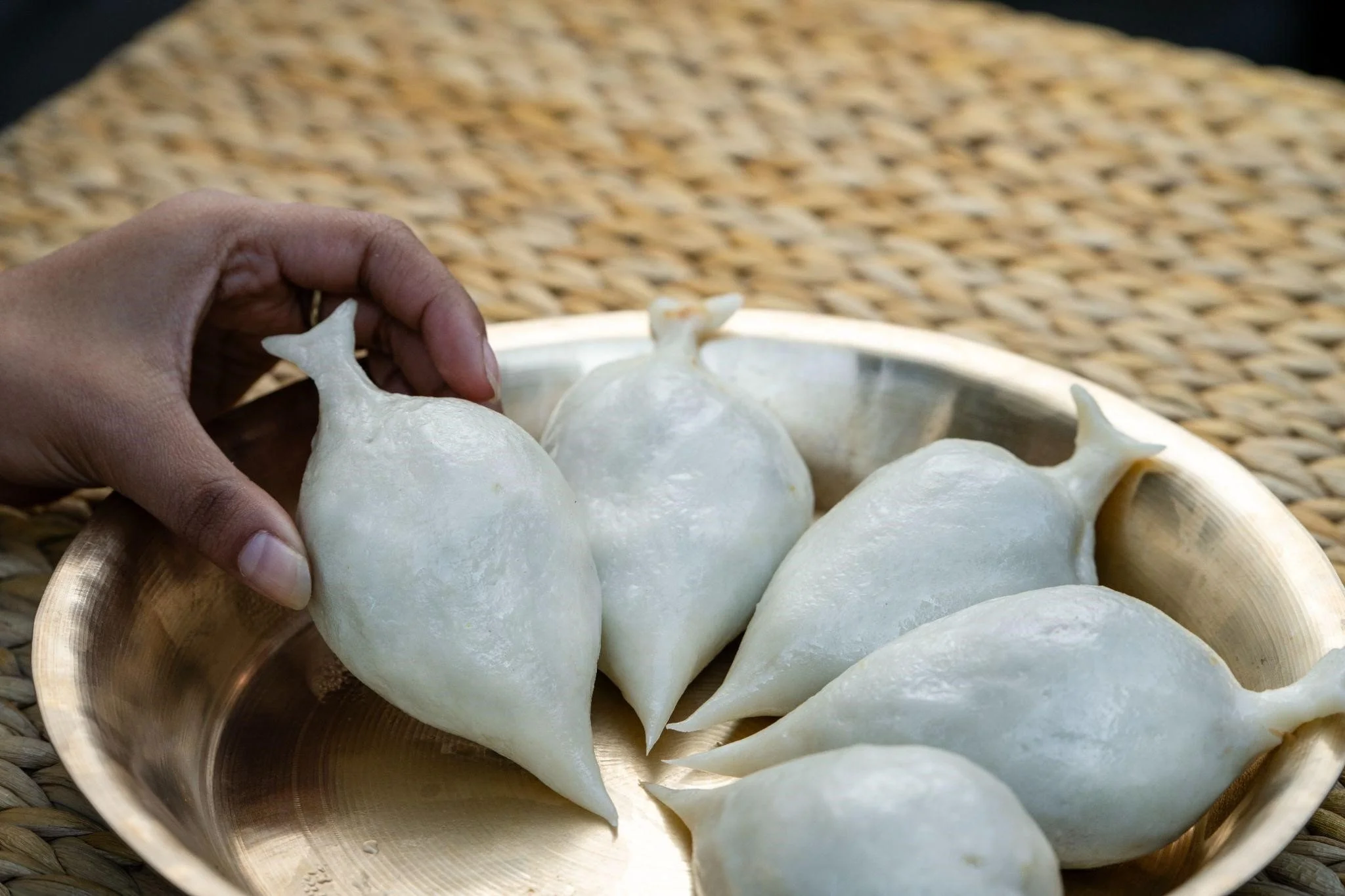
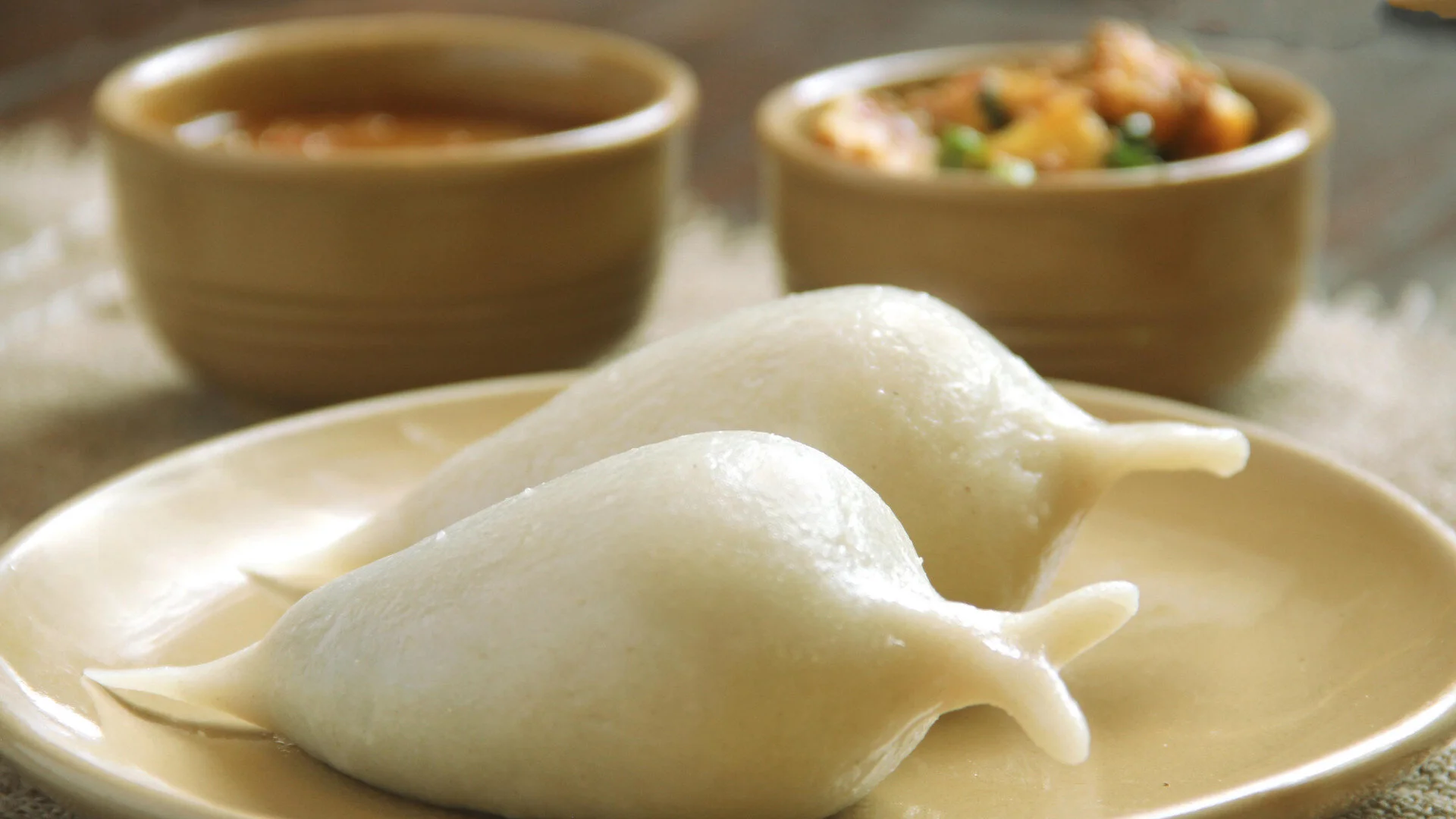
Panauti has several unique features to its credit, such as the traditional Newari confection called ‘yo:mari’ made for a mixture of treacle and sesame seeds wrapped in stupa-shaped rice dough, which is said to have originated here. As mentioned before, the town is believed to be situated on a single massive rock, because of which the town has never been affected severely by earthquakes. Panauti is also the birthplace of King Ansuverma, an illustrious king of the Licchhavi period, and one of the greatest patrons of art and culture in the country’s history. Its ancient history and the presence of numerous Buddhist and Hindu shrines, testifying to the richness of its culture, makes Panauti one of the valley’s most important medieval sites.
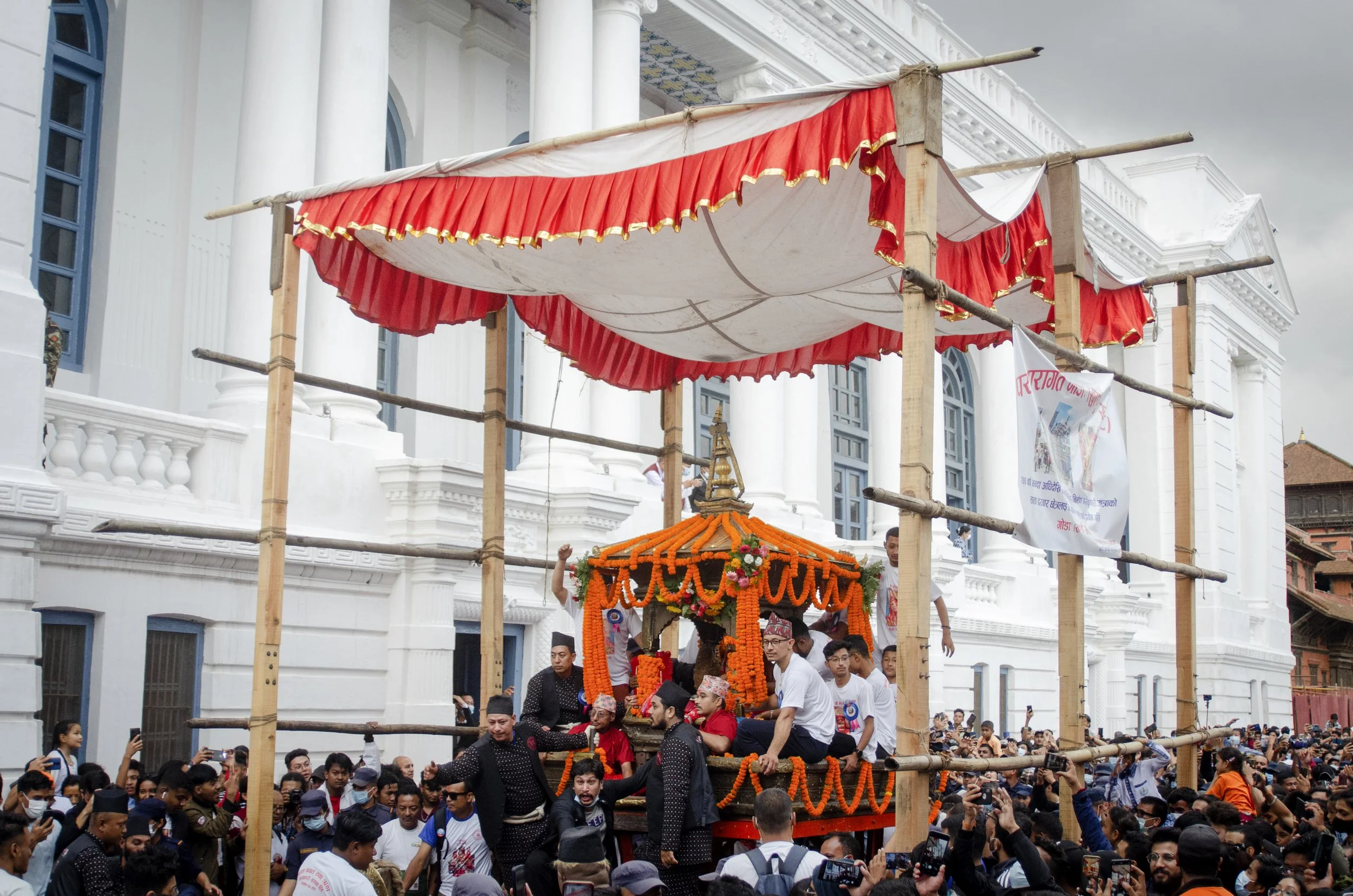
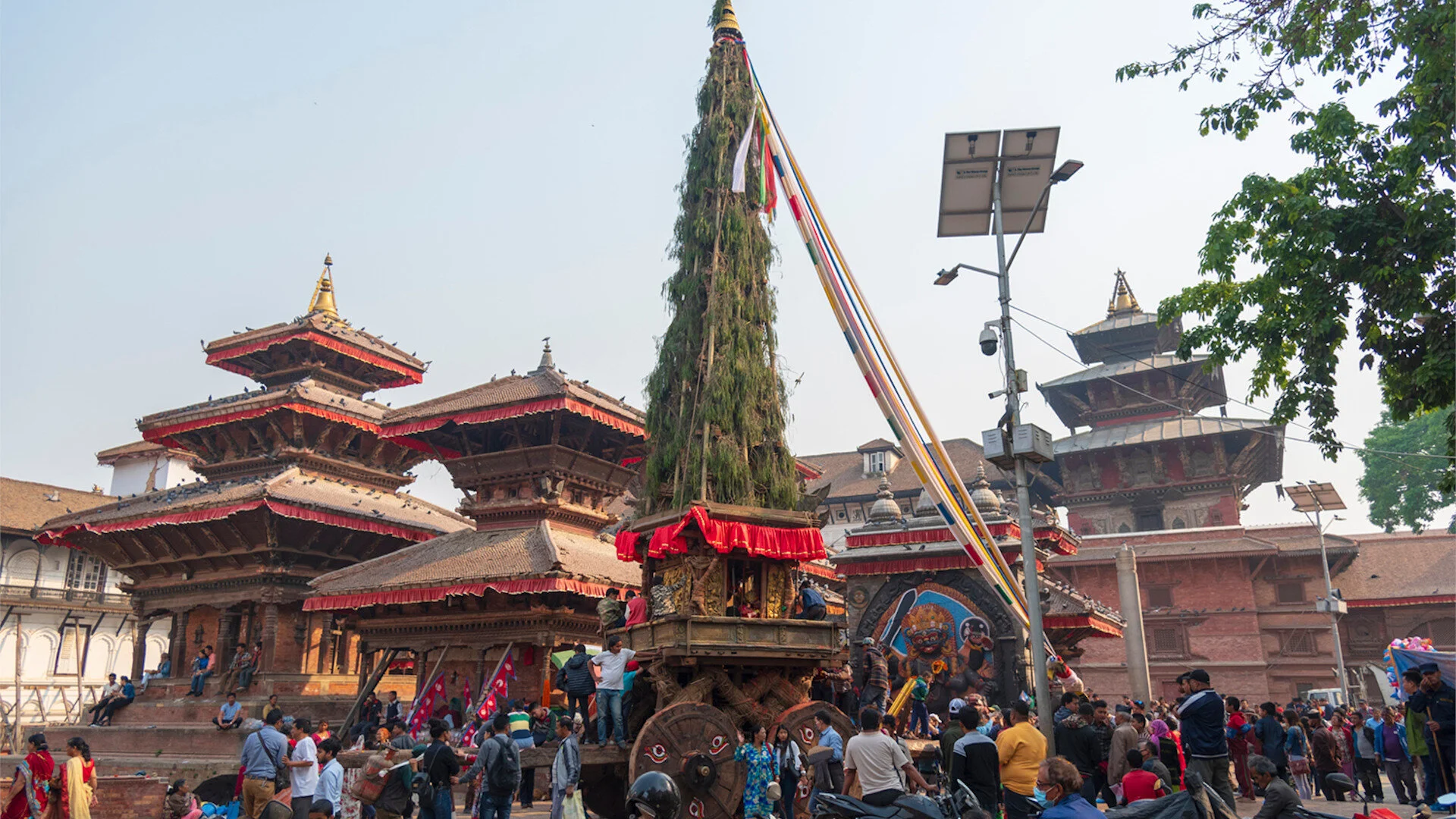
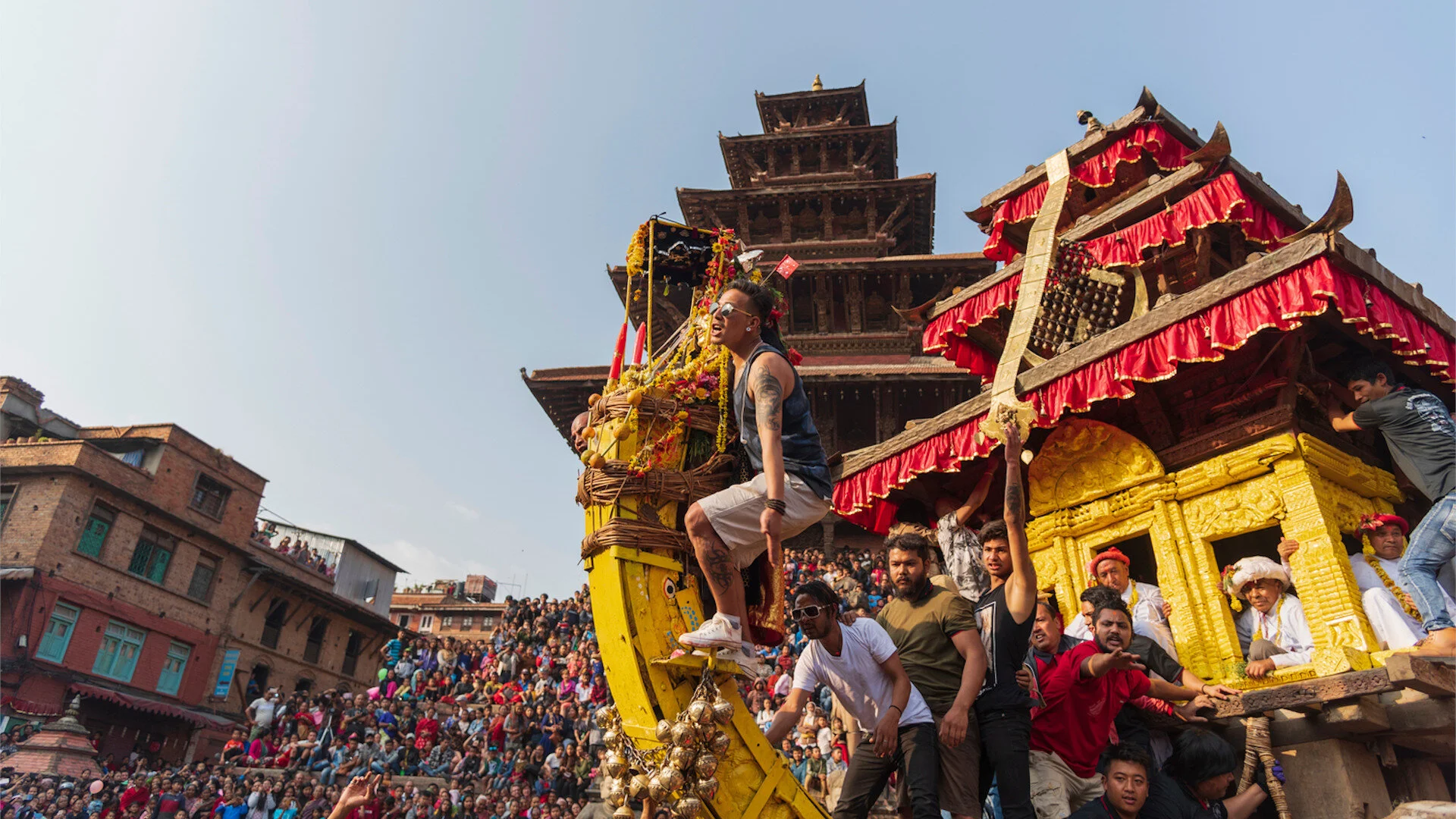
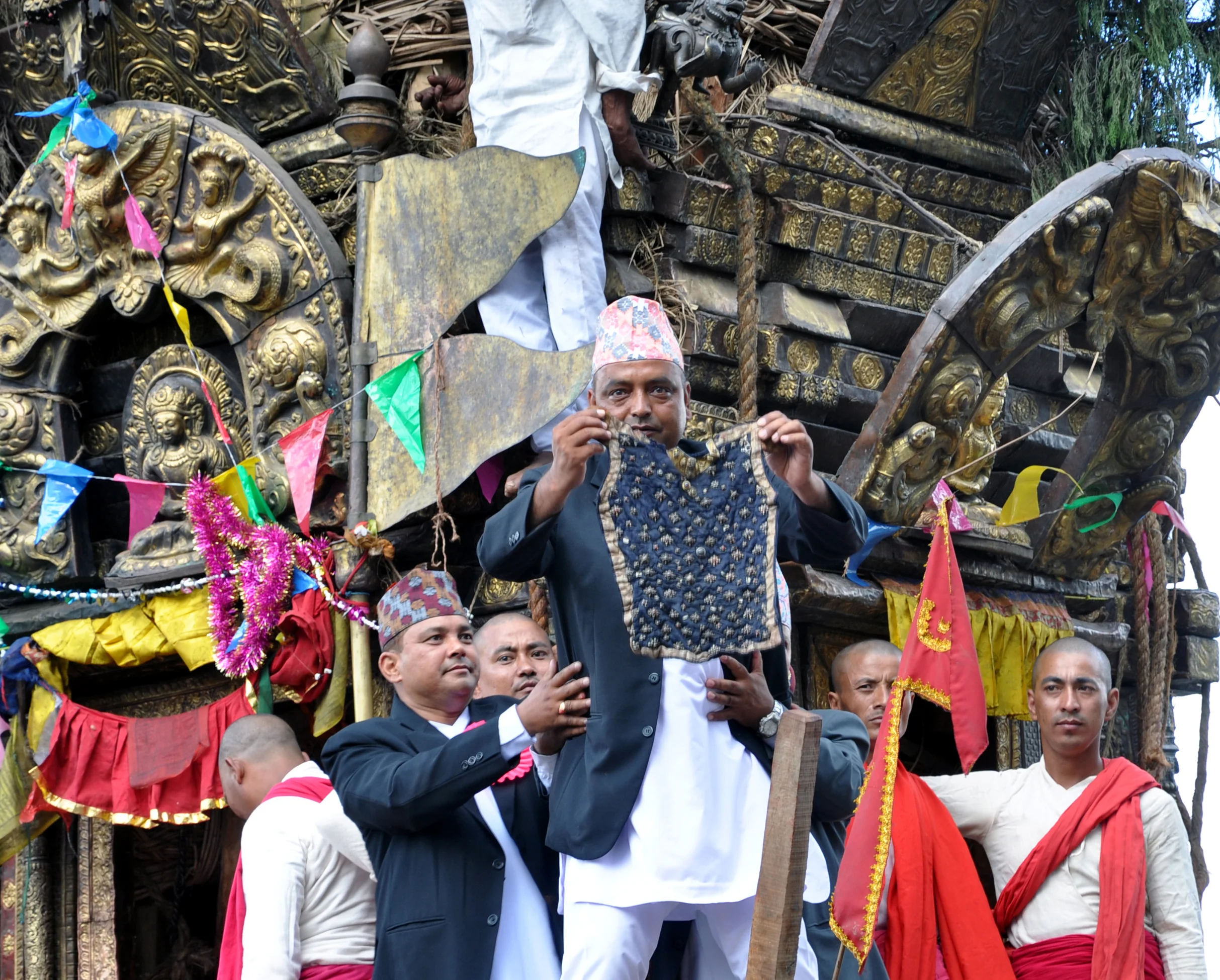
While most festivals celebrated here are the same as in Kathmandu, there are some that are celebrated with special gusto in Panauti. Jya Punhi, which is celebrated in May-June, and known also as Panauti Jatra, is a chariot festival held at the end of the monsoon season every year, when statues of different deities from the temples are taken around the city in wooden chariots, beginning and ending in the old durbar square.
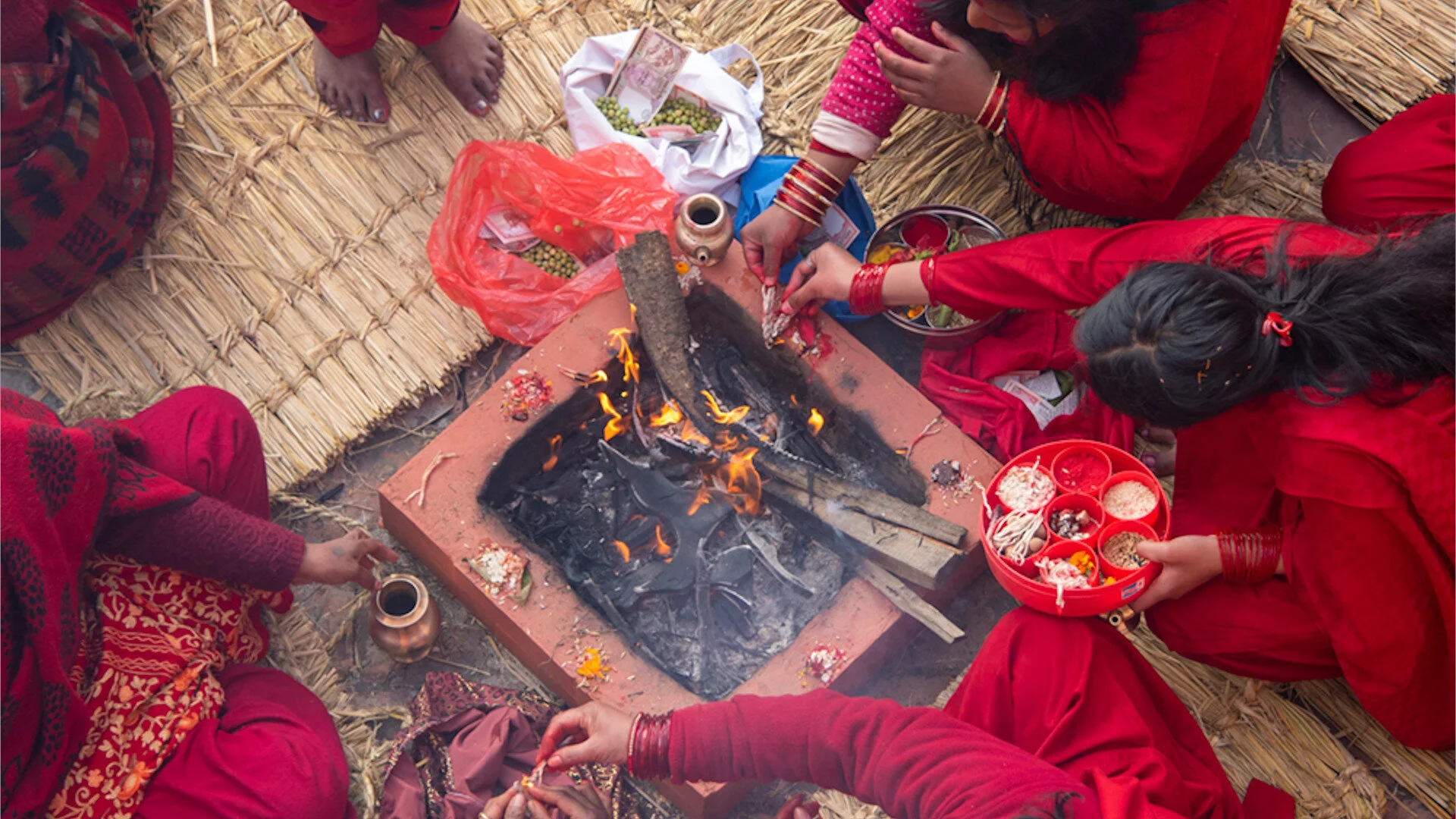
The month-long Makar Mela is held once every 12 years at the sacred confluence of three rivers, two actual (Roshi and Punyamati), and one imaginary (Lilawati, which is said to be visible only to a lucky few). This festival attracts tens of thousands of pilgrims, who come to take a holy bath that will cleanse them of past sins.
Yomari Punhi is celebrated in November-December on the full moon day after the rice harvest, with the worshipping of Annapurna, the goddess of grains. According to legend, once upon a time a married couple, Suchandra and Krita, first experimented with a fresh yield of rice from their field to make a new delicacy. They called it yo:mari (tasty bread). On this day, kids go house to house to ask for yo:mari from housewives.
Navdurga Festival, celebrated in mid-April every year, involves mask dances performed by dancers from Bhaktapur over a period of three days. The Namobuddha Festival in September is held in Namobuddha, the sacred site where a prince once offered the flesh of his own body to a starving tigress and her cubs, the ultimate example of compassion and sacrifice.
The two-day festival of Achhyaya Tritiya is held in May at the Triveni Ghat, when Newar girls between the ages of 7 to 13 undergo a coming-of-age ritual called Bel Bibah, during which they are symbolically married to the wood apple (bel). This signifies that they will never have to face the social rigors of being a widow in their lifetime even if their real husband dies before them, because they are still married to the ‘bel’, which actually represents some god.
Sitinakha, held in June-July, is a festival in which members of Newar families gather once a year in the home of their birth to worship the family deity. Ghantakarna, or Gathe Mangal, held in July-August, heralds many important Newar festivals in the days ahead. People put iron rings on their fingers, and hammer iron nails into door lintels to drive away evil spirits, such as Gathe Mangal, one of the most evil.
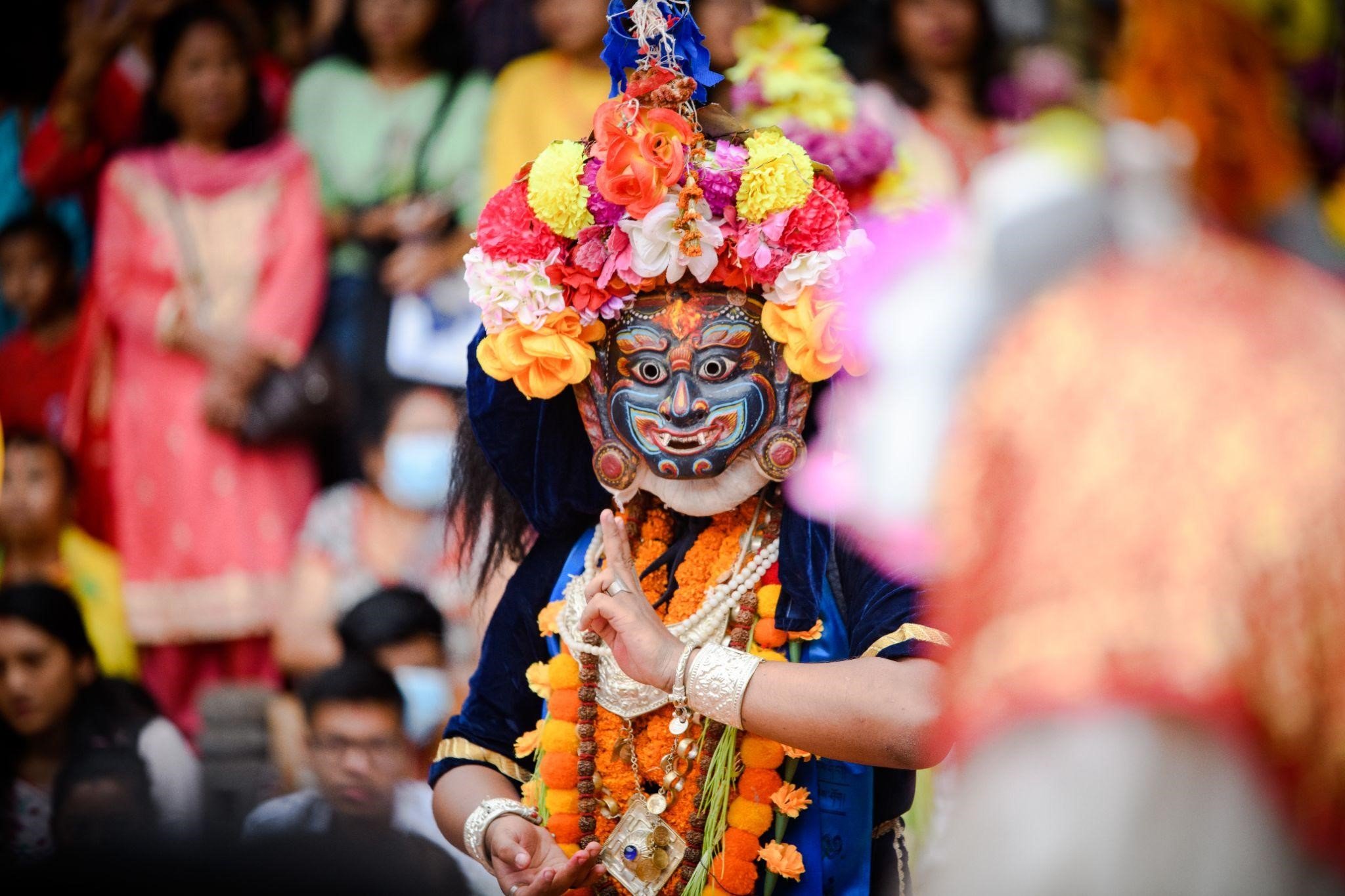
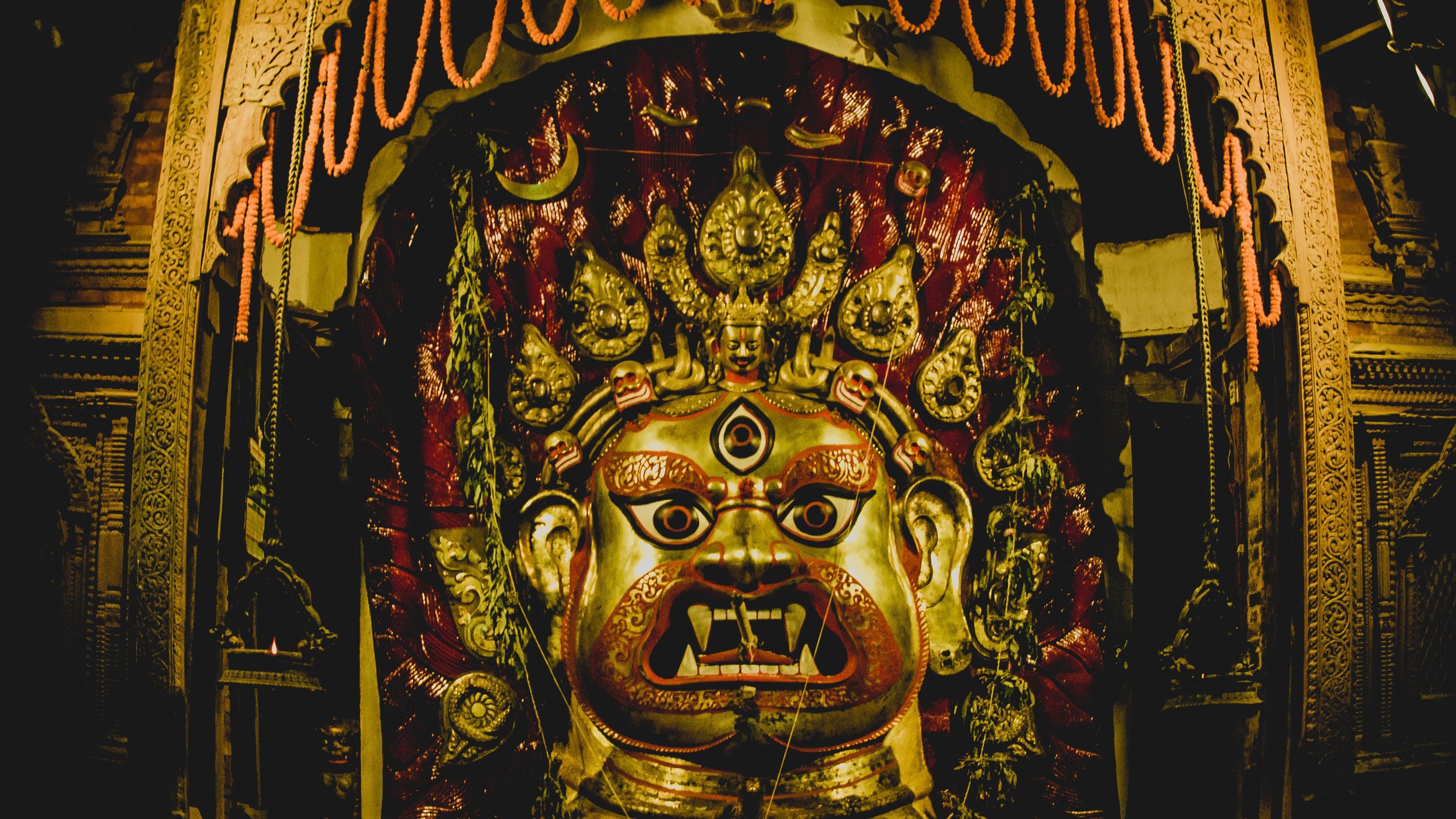
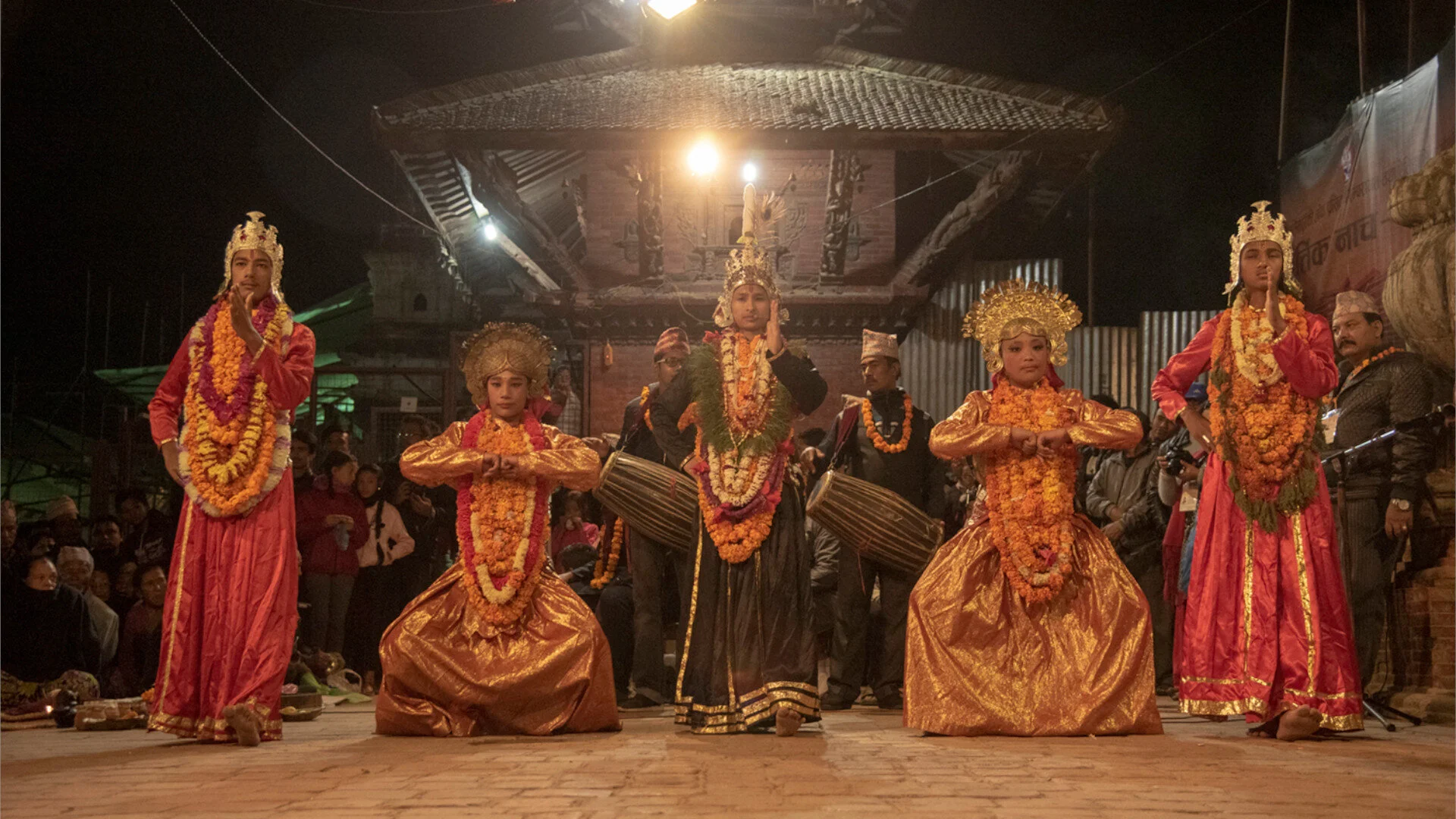
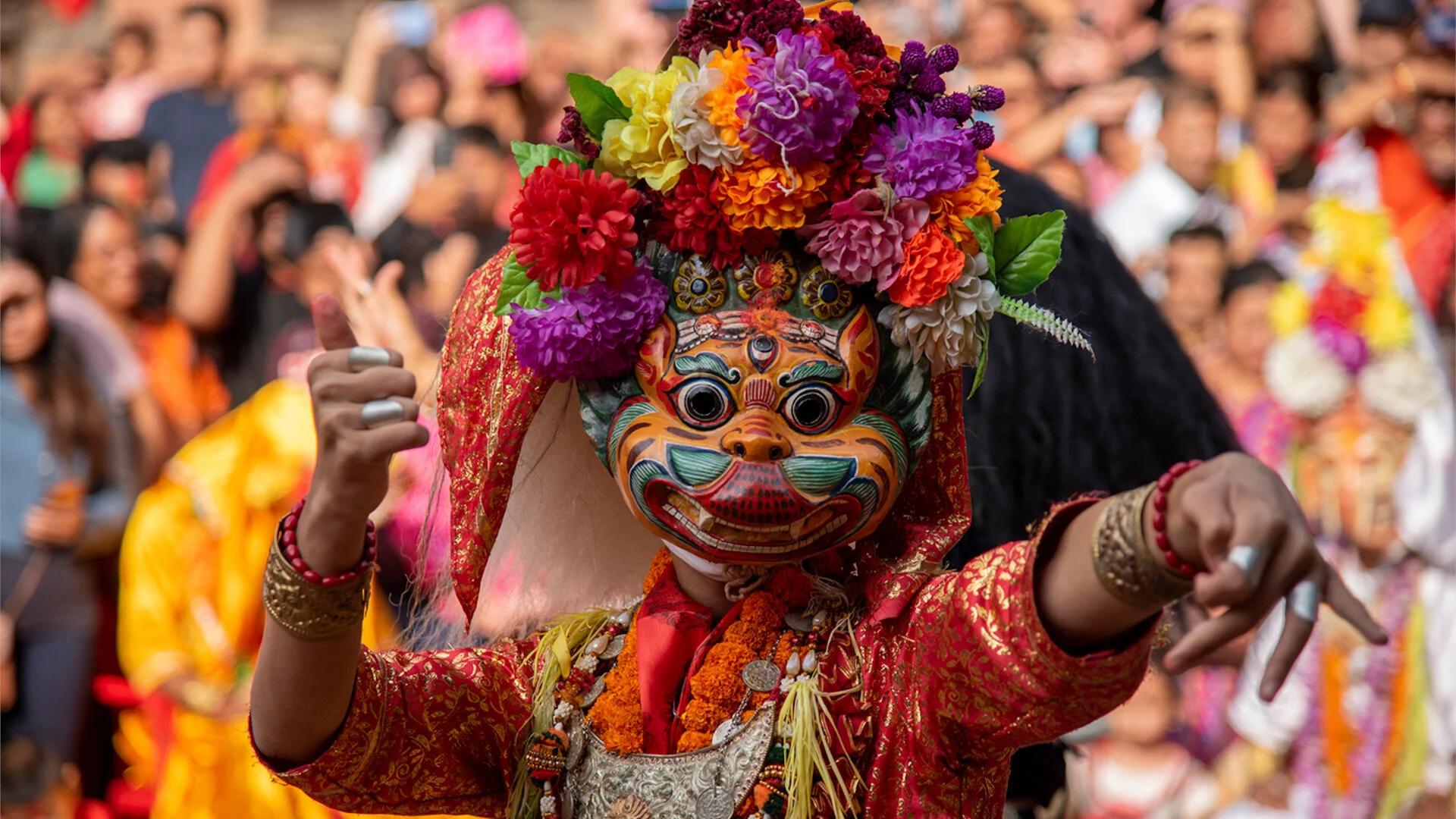
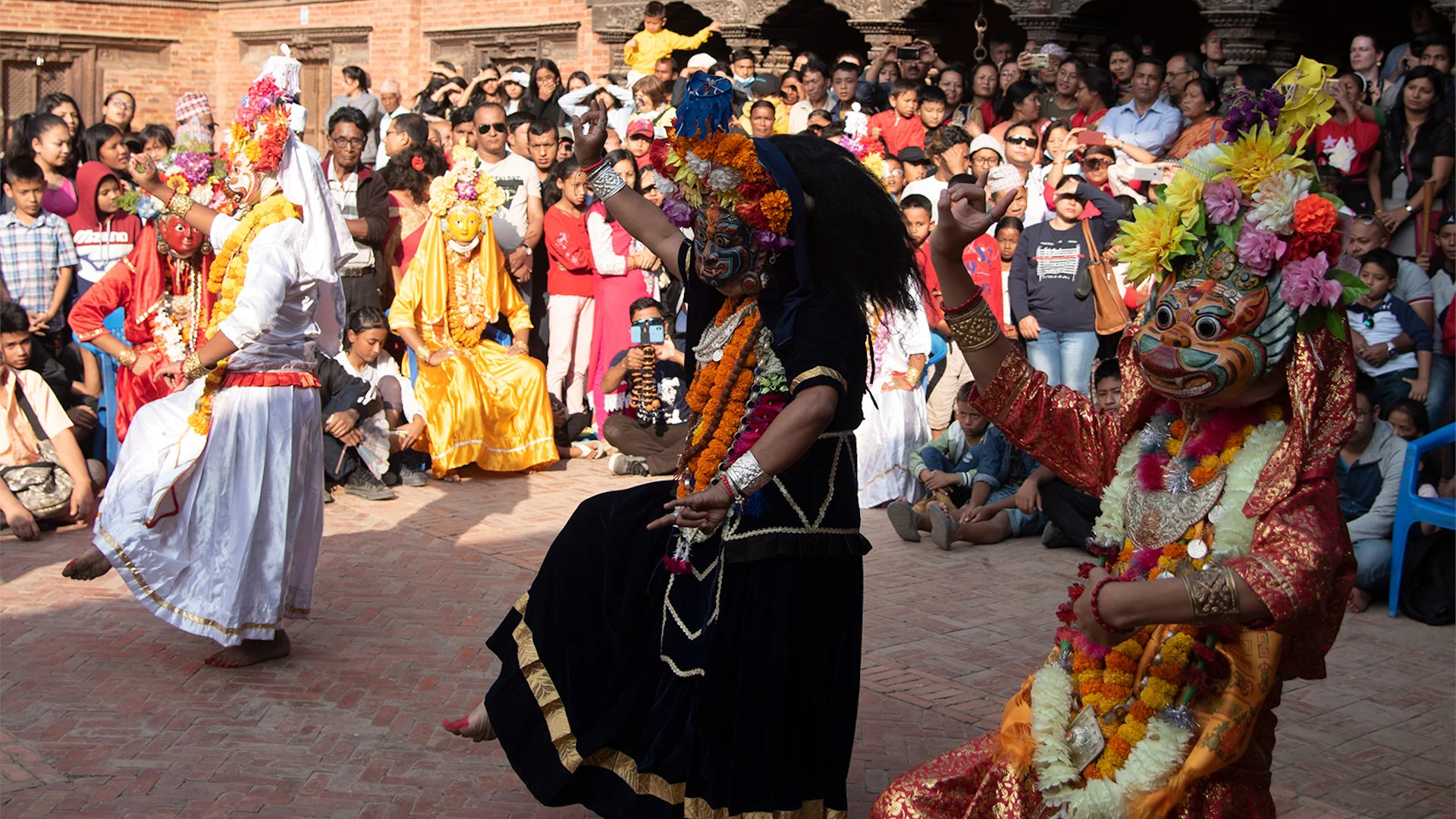
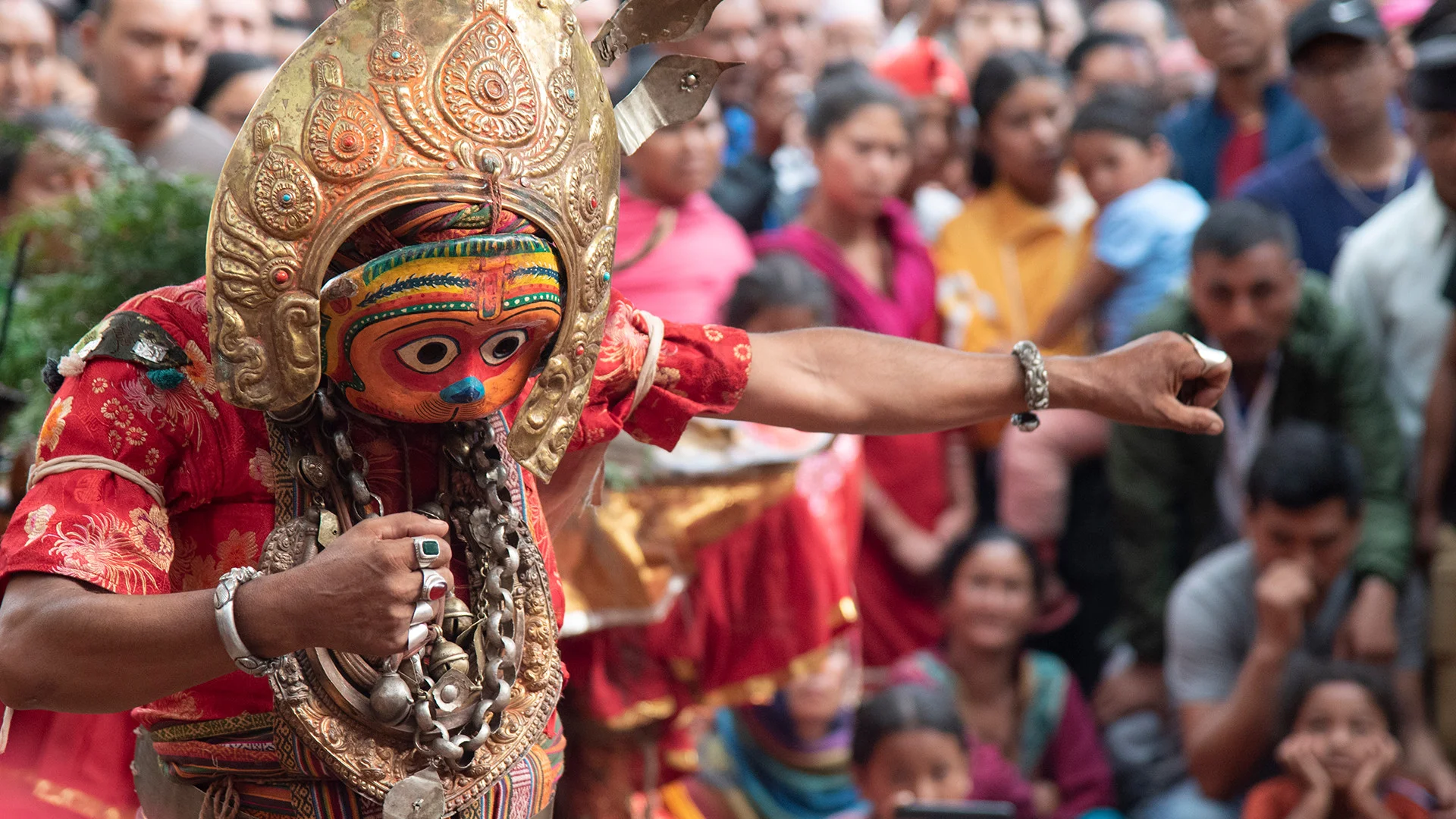
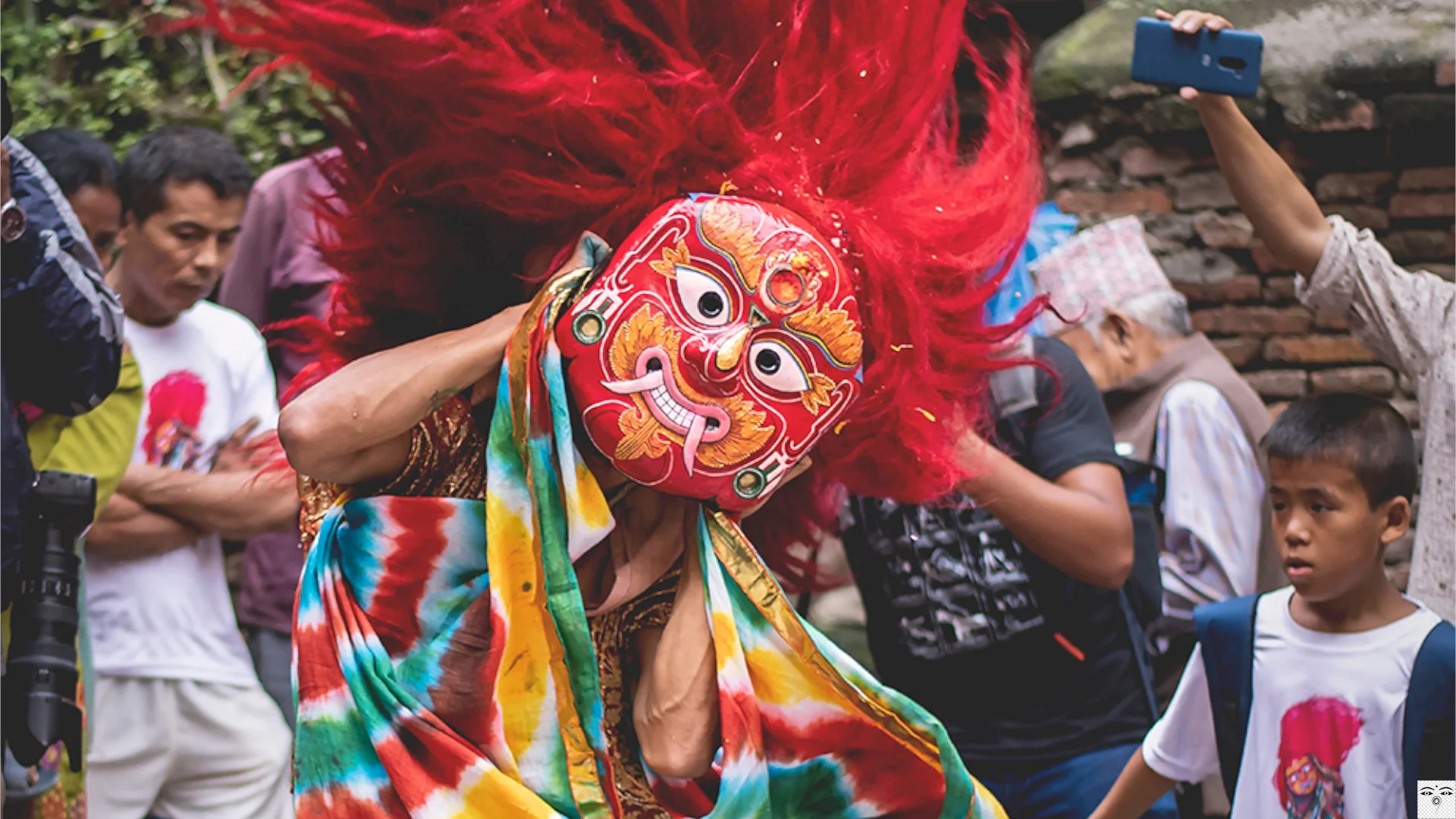
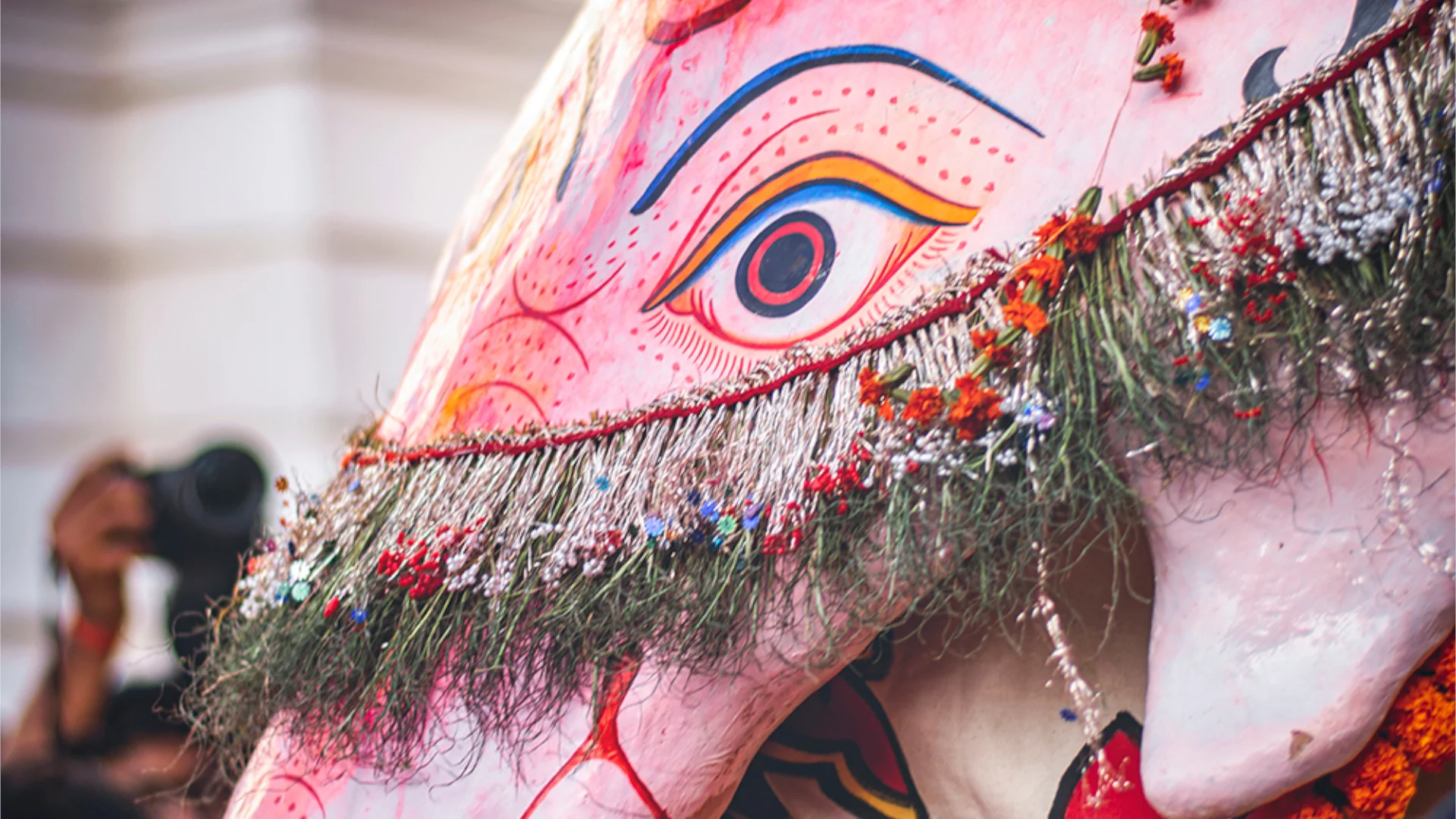
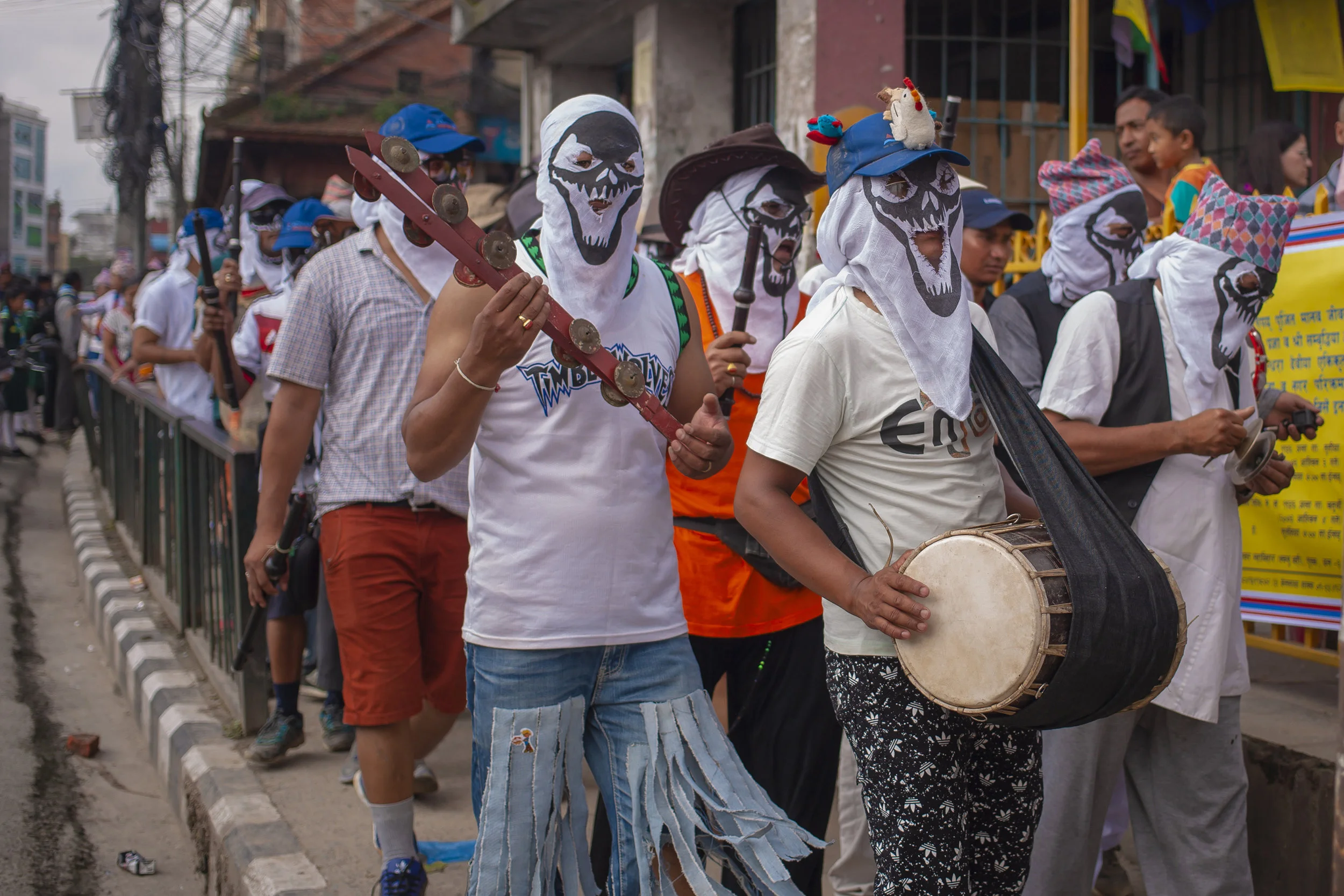
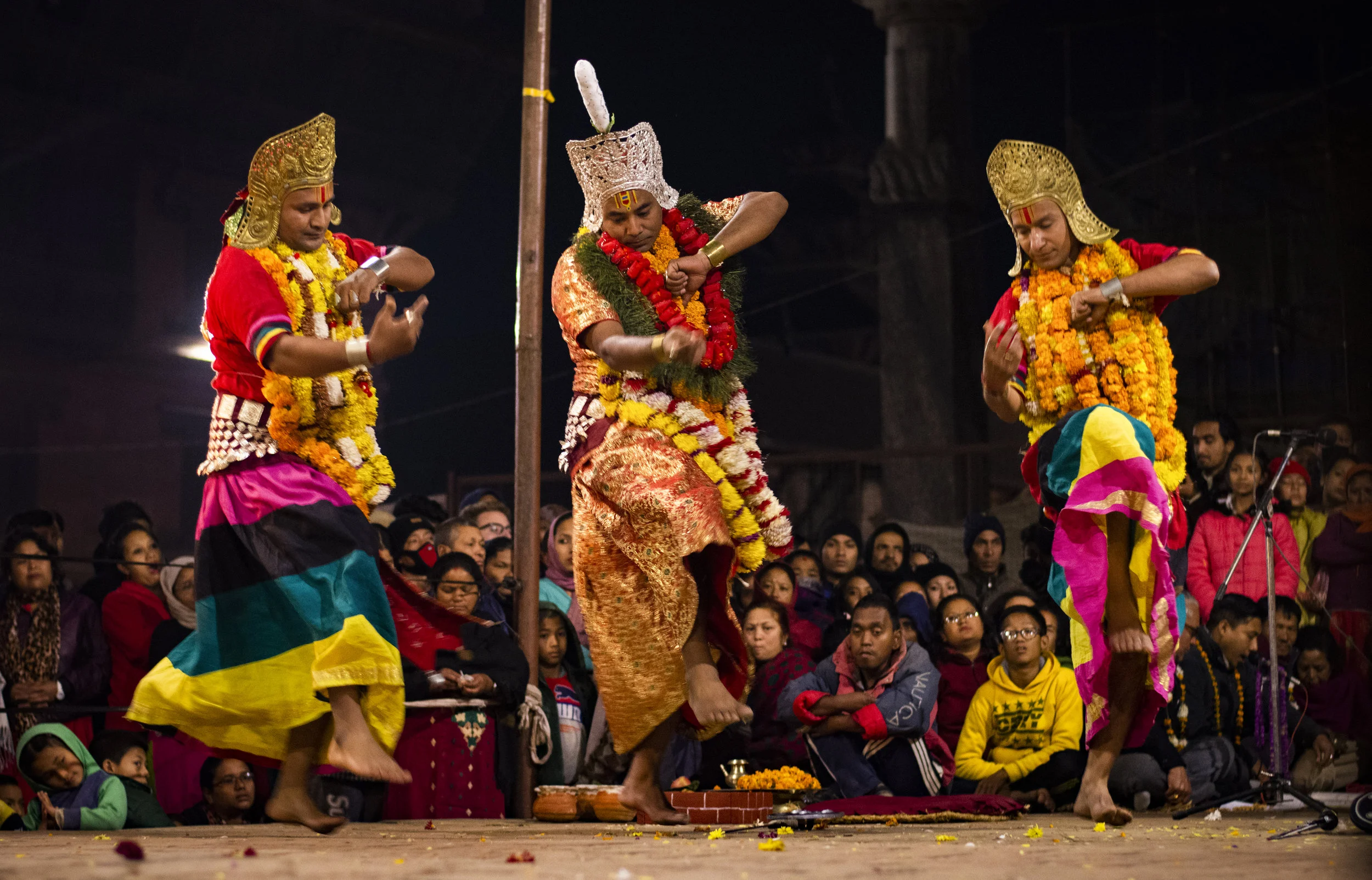
Gai Jatra, in August, is an eight-day-long festival in remembrance of dead relatives. Those who have had a death in the family within the past year bring a cow (real or an impersonation in a costume), and go around the city in a colorful parade. In October-November, on the day of Indra Jatra, Panauti inhabitants rejoice in the Devi Nach, a masked dance that is said to have originated in Panauti. Masked dancers representing different gods, goddesses, demons, and animals perform vigorous dances throughout the day. Other festivals like Dashain, Tihar, Holi, Shivaratri, etc. are also observed with great enthusiasm.
Palpa Bhagwati Sindur Jatra, a Victory Fest
A festival that celebrates the victory of Nepali forces over the Indian British Army during the Anglo-Nepal War of 1814-1816.
While Nepalis are known for their peaceful and friendly nature, they have also demonstrated fierce valor at times when the nation’s sovereignty has been threatened. That is why, after the conclusion of the Anglo-Nepal War of 1814-1816, the British were so deeply impressed by the uncommon valor of their adversaries that they made an agreement whereby Nepali soldiers could henceforth be recruited into their own army.
Their bravery was conspicuous in many battles on many fronts. One such front was the Palpa-Butwal region where the Nepali forces under Colonel Ujir Singh Thapa soundly defeated the British forces under Colonel Joe Sullivan Wood. It was a battle in which the awed British could see for themselves the immense courage and skillful strategic ability of the Nepali force.
The Palpa-Butwal front was one of the four fronts in which the Indian British Army engaged the Nepal Army, the other fronts being: Bijaypur in the eastern region, Makwanpur in the central region, and the region beyond Mahakali in the far-west. While the foreign aggressors managed to gain the upper hand in most of the fronts, due primarily to their superior weapons and greater manpower, Palpa-Butwal became a battleground in which the Nepali forces prevailed.
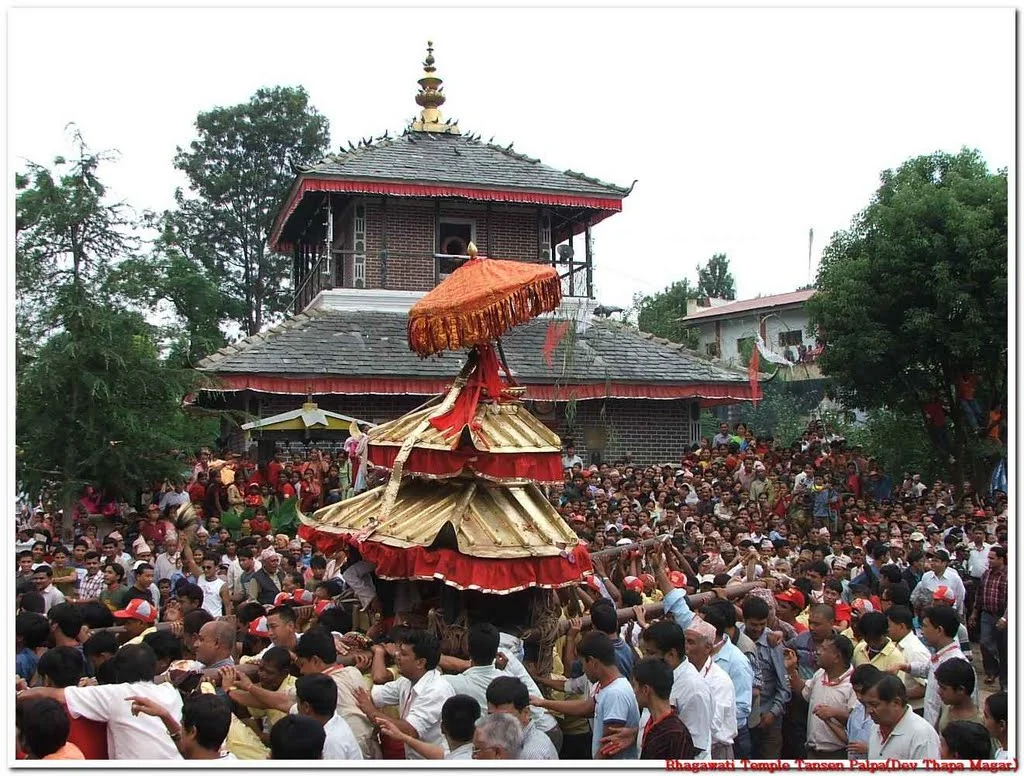
The commander of this region, Colonel Ujir Singh Thapa, was well prepared; having arranged for adequate weapons, and the construction of fortified garrisons, and bridges and culverts. He was also as devout a man as are most Nepalis, and before going to battle, he made it a point to visit the many temples in the region to seek blessings of various gods and goddesses. One of the most sacred temples was the temple of the 16-handed Mahsasur Mardini Bhagwati, located in the center of Tansen, the district headquarter of Palpa.
Touching the goddess’s feet, the colonel made a vow that if they became victorious, he would build a grand temple, and conduct a Sindur Jatra (a victory parade) around the district in the deity’s honor. Then, he led his forces into battle, and in Jitgadhi of Butwal, forced the aggressors to retreat numerous times. Victory was theirs, and keeping his sacred vow, he ordered the building of a magnificent three-storied temple that took four years to be completed (1815-1819). The temple’s gajur (pinnacle) was made of gold, the colonel having donated gold equaling his height, and the canopy over the goddess was of silver. The 16 hands of the goddess were made of asta-dhatu (an amalgamation of eight metals).
Having done all this, he then began the Sindur Jatra in 1820, on the holy day of Bhadra Krishna Nawami, in honor of the goddess Mahisasur Mardini Bhagwati, who is also known as Palpa Bhagwati. While there are numerous jatras (parades, or more correctly, festivals) all over the country at various times of the year, the Palpa Bhagwati Sindur Jatra holds special significance, because it is a festival to commemorate a crucial time in the country’s history, a festival to celebrate a famous victory. The Sindur Jatra is held every year in Tansen with great enthusiasm, and is a reminder to all of the heroism of the soldiers of Nepal. It is now 200 hundred years since the end of the Anglo-Nepal War, and a good time to recall sacrifices of the past to safeguard the nation’s sovereignty.
Nepal’s Most Popular Festival, Tihar
Tihar is the most popular festival for many Nepalis, and this is because of the many fun activities that take place during all of its five days.
Ask any Nepali what their favorite festival is, and chances are that most of them will say, Tihar. Also known as Deepawali (festival of lights), it’s a really fun festival lasting five days, during whichtime, dogs, crows, cows, Goddess Laxmi (goddess of wealth), oxens, and brothers are worshipped on different days. And, yes, in the order mentioned above.
November 9, the first day of Tihar, is known as Kag (Crow) Tihar. Now, if you are wondering why crows, of all birds, should be so honored, know that they are the messengers of Lord Yamaraj, the god of death. So, people try and ensure that these deadly messengers don’t carry the wrong message to their master, by feeding them delicious tidbits on at least one day of the year. A plate full of such delicacies is kept outside in the courtyard or the terrace of every Hindu household.
November 10 is Kukur (Dog) Tihar. Dogs get their deserved due on this day, and you’ll see all sorts of dogs, even some of the X-breeds on the streets, with a garland of marigold around their necks, and with bright red tikas on their furry heads. They are treated to teeth gnashing, lip smacking morsels especially prepared for them. Most people feed them a couple of boiled eggs along with other delicacies. Now, you might be thinking that it’s a day to show one’s gratitude towards dogs for being such loyal friends, but there’s more to it than that. Dogs are believed to guard the gates to the netherworld, and their master is yes, the lord of death, Yamaraj himself! So, it’s a good idea to ingratiate oneself with animals so well connected with death. Everybody dies. Remember?
November 11 is Gai (Cow) Tihar. The cow, a most sacred animal for Hindus, has always been the national animal of Nepal (a Hindu kingdom for ages), yet, there were some who believed that this would change in the newly promulgated constitution of the now secular Nepal. However, it has retained its honored position as the nation’s national animal, and so you can imagine that Gai Tihar is a very important day. The cow is a fantastic animal, giver of so many provisions, from nourishing milk to holy manure to soul purifying urine.
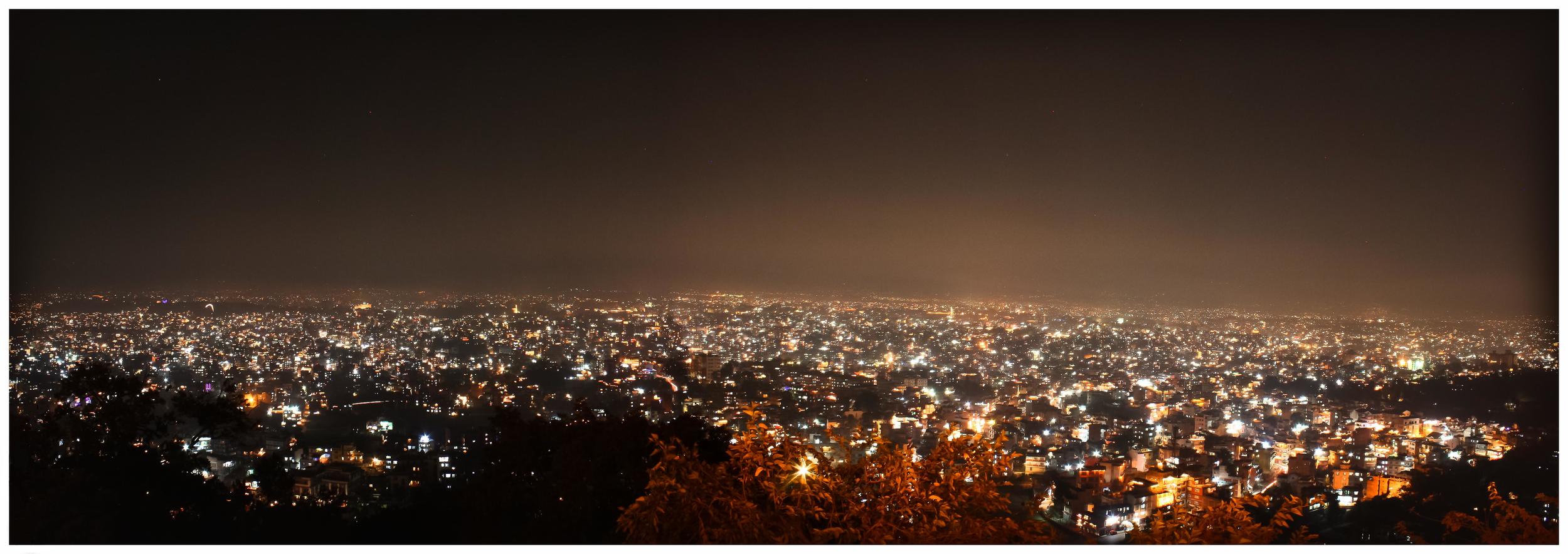
November 11 is also Laxmi Puja, simply the most important day in the lives of all Hindus, for this is the when you get to invite the goddess of wealth, Laxmi, into your humble, or not-so-humble, abode. This is the day when villages and towns and cities twinkle and sparkle with brightly colored lights, and all houses are decorated with strands of marigold garlands over doorways, windows, etc. In the golden days of simpler times, people illuminated their houses with rows and rows of diyos (small earthen vessels with cotton wicks dipped in oil), and it was a tremendously satisfying sight to behold. Nowadays, most houses are illuminated with twinkling strands of electric lights. Still, that is not to say that diyos are not used, they are, but to a lesser degree. Oil has become pretty expensive, don’t you know?
Anyway, the main thing to know is that all homes undergo a thorough cleaning, new curtains are put up, as are new bedsheets, and so forth, and those who can, have their houses repainted. The purpose of all this hard work is to make sure that Goddess Laxmi finds your home up to her standards to pay a visit. To double make sure, she is worshipped with much pomp and fanfare in the evening, with lots of sweetmeats and cash offerings. A female member of the household dips her hands in red mud and imprints them in front of the main doorway, making a trail leading to the puja room. People are expected to try out their luck on this day, and so there’s a fair bit of gambling in many homes, with card games like flush, paplu, and marriage being the favored card games.
November 12 is Goru (Oxen) Tihar, also known as Govardhan (literally, cowdung wealth) Puja. Cow dung has many significant uses: as manure, fuel, and biogas, and for cleansing the courtyards and other surroundings of houses, and plastering mud walls of village houses, etc.
November 13 is Bhai (Brother) Tika, a day when brothers are invited to their sisters’ homes to be worshipped. The symbolism is clear: brothers are supposed to be their sisters’ protectors, and they are therefore duly appreciated for this on Bhai Tika. This day is the last day of Tihar, so everybody takes it a bit easy. The puja of the brother is a long drawn out affair, with a lot of merrymaking. Lots of foodstuffs are offered to the brother, plenty of fruits and dry fruits, sweetmeats, homemade traditional bread (sel roti) and other sweets, fried fish and meat, yogurt, alcohol, etc. The sister gets cash or other gifts in return.
There are other asides of this fun festival, with song and dance being the highlights. Girls go to homes in their neighborhood in groups, and dance to the singing of songs known as bhailo. Boys, similarly, go around singing songs known as deusi while some of them dance. They receive cash and foodstuff for their efforts. Another highlight is the setting off of firecrackers on Laxmi Puja day; literally, millions of rupees go up in fire, smoke, and thunder on this day! Dancing, singing, gambling, feasting, firecrackers…indeed, there’s a lot of reasons why Tihar is the most popular festival of Nepal.
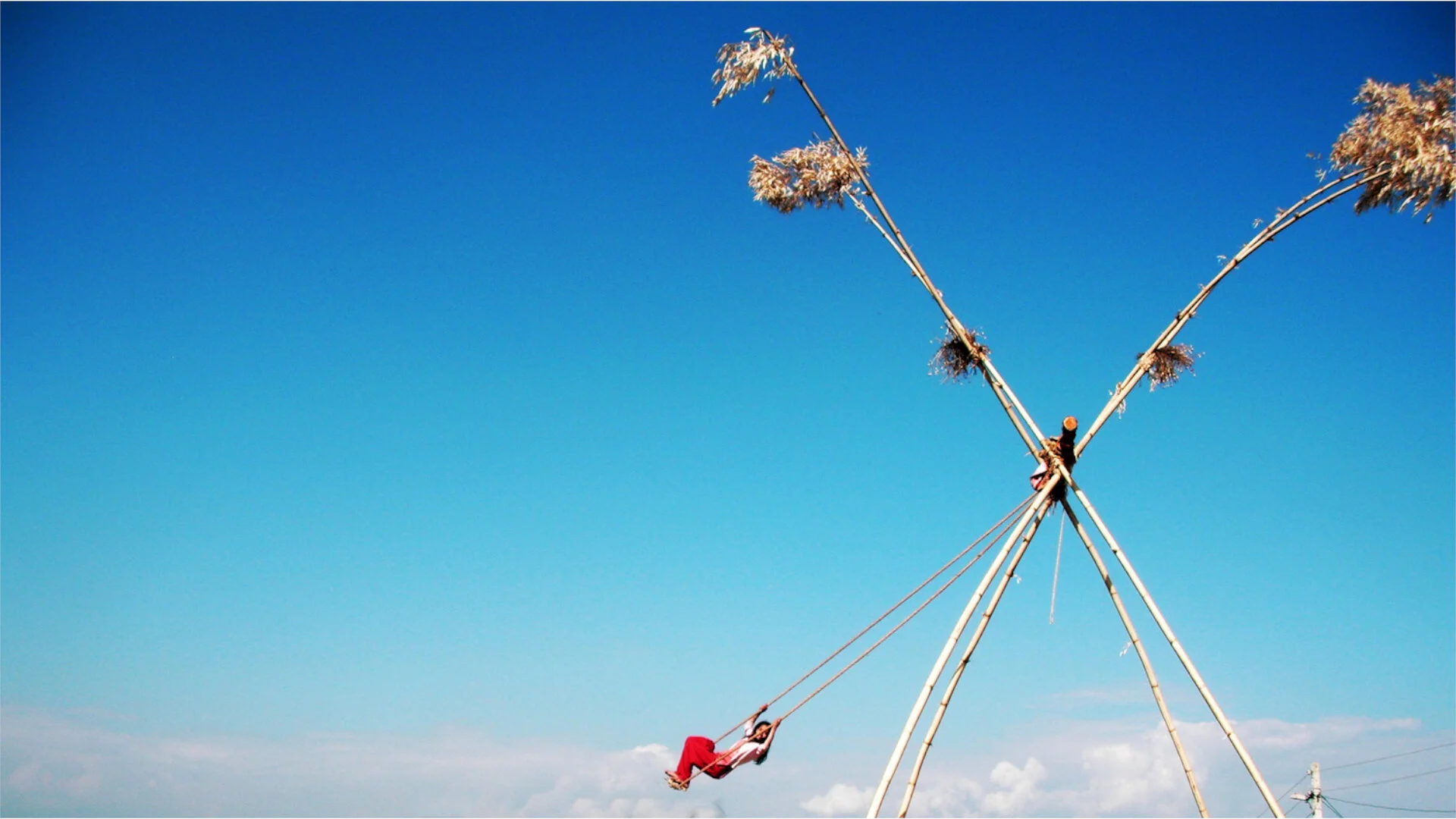
There’s a Festive Air in Nepal
The weather is changing, and along with it, there’s a definite festive air around the country; yes, some of the country’s biggest festivals are here.
As I write this, all the factories and workshops and wherever mechanical implements are used in Nepal are festooned with colorful pennants. Owners and workers alike are enjoying a holiday to commemorate Viswakarma, the divine architect and carpenter, one of whose major achievements was the creation of Dwarka city, the birthplace of Lord Krishna, and who is credited with designing and making numerous weapons for the gods of the Hindu pantheon. A statue of the god is installed in the above-mentioned establishments and homage is paid with worship and offerings. This festival is known as Viswakarma Puja.
This day, too, women are flocking to temples to cleanse themselves of any sins committed, consciously or unconsciously, during the year, by worshipping the Sapta Rishis (seven powerful sages; namely, Atri, Bharadvaja, Gautama, Jamadagni, Kasyapa, Vashishta, and Vishwamitra), whose figures are made using cow dung. This day is known as Rishi Panchami, and it is the culmination of the Teej festival that was observed with great joy over the last three days. The women take a purification bath before sunrise in a sacred river such as the Bagmati. In Kathmandu, the focal point is a particular temple in Teku, where a fair is also held on the day. According to tradition, the women are supposed to scrub themselves with mud from beneath an elephant’s foot, along with roots of the tulsi and amala plants. Teeth are brushed vigorously with the stem of an herbal tree (datiyon), and leaves of this tree are also part of the offerings to the sages.
Now, to add to the festive air, the powers-that-be have requested all the countrymen and women to observe the promulgation of the new Constitution on September 20 by lighting lamps in their homes. It’s also a holiday, as perhaps September 21 is too, when the government has planned all sorts of celebratory events. Only thing is, they might be limited to only some parts of the country, the Terai and many other parts having declared September 20 as a ‘Black Day’, and calling for the people to observe a total blackout in their homes. All in all, the following week will be a very interesting week indeed!
Whatever happens in the coming days, no matter who lights lamps and who observes a blackout, all this will probably not dampen the expectancy of all towards the coming month, when the biggest festival of the country, Dashain, will be celebrated from Oct 13 to Oct 27. In fact, most people will have already started planning for it, beginning this month itself, since for many there’s a lot of travel involved. The major highlight of Dashain is that it brings families together, even if it’s just for a few days. People, no matter where they are, make it a point to visit their ancestral homes to celebrate this great festival with their families.
Dashain lasts for 14 days, beginning with Ghatasthapna on Oct 13, when barley seeds are sown in sand-filled earthen pots in all Hindu household puja rooms. The sand will be brought from nearby riverbanks. A thick-wicked lamp is lighted, as well, and the lamp holder is filled with oil continuously to ensure that it remains lighted for the duration of the lengthy festival. Unlike at other times, when women do the daily puja, during Dashain, a male member does the needful for the period. The barley seeds will sprout into lovely yellow leaves (jamara), which have a significant role on the main day of Dashain, that is, Viajaya Dashami on the tenth day.
The first nine days are known as Navaratri (nava: nine and ratri: night). People wake up early all nine days to visit all the temples dedicated to Goddess Durga and her various incarnations. In all homes, families have hearty meals that include plenty of meat dishes. The seventh day is called Phulpati; it is when jamara is brought in from Gorkha to Kathmandu in a palanquin, escorted by -musket carrying soldiers. This ritual apparently has royal tones, since Gorkha is from where its king, Prithvi Narayan Shah, set out to unify the country. The eighth day (Oct 21) is Maha Asthami, when hundreds of thousands of buffaloes, goats, ducks, and pigeons are sacrificed in Durga temples throughout the country. Young men vie to test their mettle by slicing the necks of buffaloes and goats with a single slice of the khukuri. The night is called Kal Ratri (black night).
The next days is Maha Nawami. It is when soldiers of the Nepal Army perform their own sacrifices at the Hanuman Dhoka courtyard, with officers and foreign dignitaries in full regalia in attendance. The scene is all the livelier with the military band belting out vigorous tunes, and cannons blasting off salutary shots. The Taleju Temple nearby is also a focal point on this day, because its doors will be opened to the public on this particular day only. A lot of devotees will line up patiently for hours to get a rare darshan of Goddess Taleju.
The tenth day is the main day of Dashain. It is called Vijaya Dashami, as well as Tika. Family seniors will put tika (mix of vermillion powder, rice, and curd) on juniors’ foreheads, and offer sweets, fruits, and money, along with some jamara, which will be either put on the head, or behind the ear. After tika is over in their home, people will go visit all their relatives to put on tika and get blessings from elders. It is quite a hectic day, even if it is full of joy. Though it’s the last festival day, the coming four days are also observed as part of Dashain, these four days being used to complete visits to more relatives. The final two days are known as Kojagrat Brata (Oct 26), and Purnima (Oct 27), which is a full moon day, and the end of the greatest festival of Nepal.
Oh yes, there certainly is a festive air around the country, and people are certainly going to have a great time, regardless of the political shenanigans and the aftermath effects of the great earthquake of April 25, 2015.
POPULAR ITINERARIES
SIMILAR POSTS
Bouncing Back, Nepal’s Season of Recovery
Six months later, the devastating earthquake is becoming a distant memory, and Nepalis are gearing up to bounce back strongly with renewed fervor
It’s now six months since we were shocked by the biggest earthquake in 80 years in the country. It has been a most eventful six months, with all Nepalis coming together in the momentous task of recovery and rebuilding. Restoration is also on the anvil. Side by side, the Constituent Assembly has passed the new Constitution of Nepal, something that had been awaited for the last 60 years. Just as recovery and rebuilding have not been easy, and are still ongoing, constitution making has also faced many hurdles, which are also still ongoing. The Terai has seen continuous disturbances for many months and there have been tragic loss of many lives.
At the same time, proving the inherent resilience in the nation’s character, people are bouncing back with new zeal and enthusiasm. And nowhere is this more evident than in the joy with which everybody is celebrating, and are determined to celebrate, some of the country’s greatest festivals in this season of festivals. Indeed, it is the season of festivals in Nepal. Here are two of them.
Teej: September 16
This is a really celebratory occasion, and mostly an all women affair. No doubt all festivals are colorful, but Teej perhaps is the most colorful, with thousands and thousands of married and unmarried women decked out in bright red and ravishing green dresses (mostly saris), with long strings of red, green, and yellow pote (glass beads) necklaces around their neck and shoulders. Celebrated over three days, the main day of Teej is preceded by a lot of feasting. It’s necessary, too, since they have to observe a fast (no food, no water) next day for 24 hours. In fact, the day before, the women are invited to their maternal homes to partake of lots and lots of rich nutritious food, a day known as dar khane din. The feasting goes on till midnight, and is accompanied by singing and dancing by the women present, which includes many female relatives. The day after Teej, the women break their fasts with karkalo ko tarkari (lotus leaves curry) and ritually pure food made in ghiu (clarified butter), after doing some special pujas in which banana and basil leaves play a significant role.
On the main day, they visit a temple dedicated to Lord Shiva; most women of Kathmandu make a beeline for Pashupatinath Temple, one of the biggest Shiva temples in the world, and a UNESCO designated world heritage site monument zone. You can expect a carnival like atmosphere there, with long queues of women waiting to get a darshan of the Shiva Linga inside the famous shrine, and to make their offerings. They will all seek the lord’s blessings for the long life and prosperity of their husbands, as well as of their families. Unmarried women will seek blessings for a husband as greatly endowed as Lord Shiva himself. Teej is celebrated in remembrance of Goddess Parvati’s dedication to acquire Lord Shiva’s affections and companionship for life as her husband. It was an endeavor that required her to fast and pray for a very long time. In the end, Lord Shiva was aroused form his state of deep meditation high up on Mount Kailash, and he couldn’t help himself from falling in love with his determined paramour.
Indra Jatra: September 27
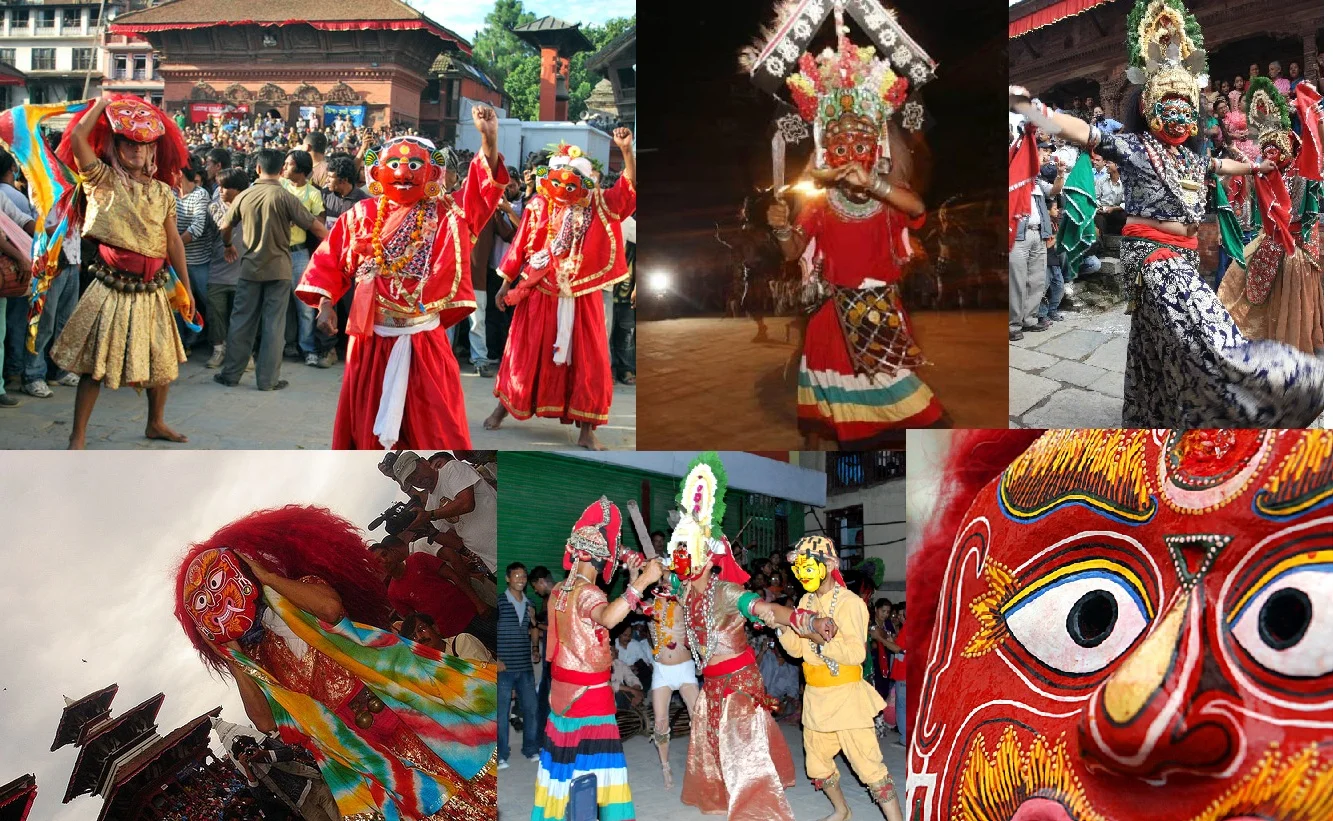
With the end of the monsoon season, denizens of Kathmandu Valley will pay homage to the god of rain, Lord Indra, to thank him for his benevolence, and to ensure that in the coming year, too, the valley will have plenty of rain. It’s a tradition that has continued from as far back as one can remember. Celebrated over eight days, this festival has many highlights—a procession of chariots, one of which carries the Living Goddess Kumari; the once-a-year display of the giant masks of the gods Swet Bhairava and and Akash Bhairava, with free flowing alcohol pouring out of the former’s mouth during the festival; plenty of traditional dances and dramas, most of them involving masked performers; and huge throngs in Kathmandu Durbar Square, another world heritage site monument zone, where the lively festival is held.
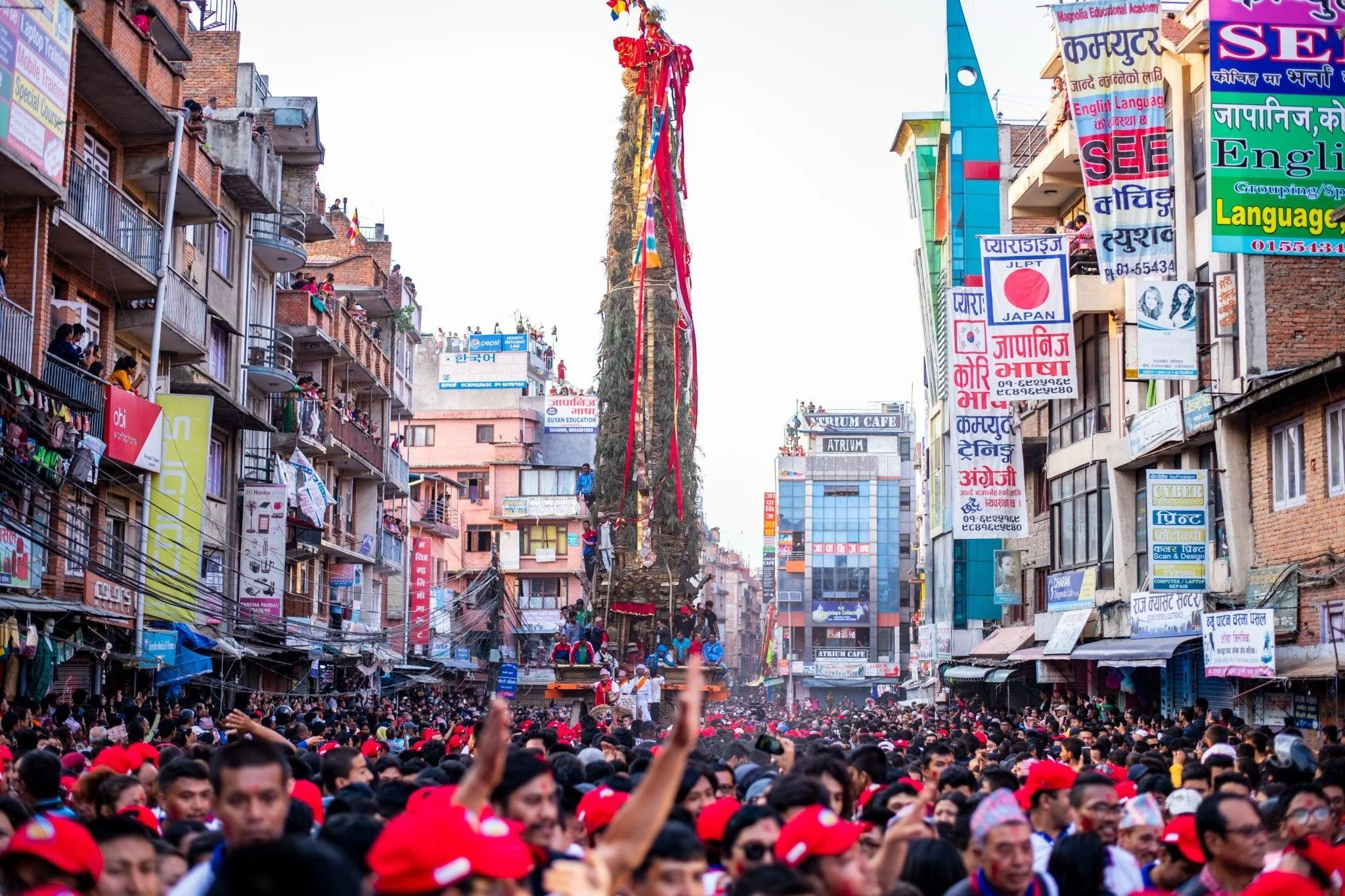
Indra Jatra is only celebrated in Kathmandu, and its name in Newrai is Yenya, which means “Kathmandu festival”. It’ a festival that historians say was first initiated in the 10th century by King Gunkama Dev to celebrate the founding of Kathmandu city, aside from the rain factor as mentioned above. The first day sees a totem pole (linga) with Lord Indra’s banner flying on top being erected in the renowned square. On the third day, statues of Lord Ganesh and Lord Bhirava, along with Living Goddess Kumari, are taken out on chariots in a regal procession through the old parts of the city.
This festival includes performance of many types of traditional dances by vigorous dancers. Some of the notable dances being Majipa Lakhey (a demon dance); Devi Pykhan (a masked deity dance); Mahakali Pykhan (a dance of black-furred mythical creatures called khyaks); Sawa Bhakku (dance of Bhairava’s blue incarnation); and so on. The ancient tradition of Dabu Pyakhan (dramas held at street corners) is also upheld. In some temples, a tableau of Lord Vishnu’s 10 incarnations (Dus Avatar) is presented as well.
In Hanuman Dhoka, throngs of men swarm towards the Sweta Bhairava mask to take a few sips of the alcohol flowing out of the giant mask’s mouth. In the meanwhile, in nearby Indra Chowk, another giant mask, that of Akash Bhairava, is also displayed to the public. The festival ends on the eighth day with the bringing down of the linga.
A No-Holds-Barred Affair, the Nepali Wedding, Part 2
(2/2) In any culture, marriages are celebrated with much pomp and ceremony; a Nepali wedding, too, is an occasion that’s full of ritual and revelry, and yes, quite a bit of ostentation too.
A day or two later, the swayambhar ceremony takes place. This is the central part of the wedding ceremony. The janti (groom’s procession) arrives at the site of the swaymbhar (previously, it was usually held at the bride’s home, but nowadays, more people prefer to have it at some hotel or some commercial banquet sites (a.k.a. party palaces). This is because it’s easier to look after the janti, which could number a score to a few hundreds, as well as friends, family, and relatives of the bride. Snacks, drinks, a lunch, and so on, are catered by the concerned establishment. This also means that it’s another reason for digging into the piggy bank, more substantial expenses. The groom, on his part, has also probably arranged for his procession to gather at some hotel, where the guests (again, family, friends, relatives) can drink to their heart’s content so as to be in a jovial mood, and partake of tasty morsels served by the hotel.
The janti is preceded by a brass band belting out the latest hits and wedding-related numbers. Considering the distance, the procession reaches the site of the swayambhar before the appointed time on vehicles, and then get down a few hundred meters away to walk the rest of the way on foot. Where the distance is not so great, the janti dance their way to the swayambhar site, at least some of them do, and it’s a merry occasion, to be sure. The groom is taken by the hand by the bride’s father and taken to the place where the swayambhar will be held. Garlands and rings are exchanged between the couple, followed by some other rituals.
The photographer is the busiest man around by now, recording everything for posterity and Facebook. This ceremony is a longish affair, and would have been still longer if it weren’t for the fact that on reaching puberty, the bride, like other girls, underwent a bel bibah (a ritual in which she is wedded to the bel fruit). Please note that the wedding being described is that of the Newar community. This means that she has already undergone many of the wedding rituals, so not much is left at the wedding itself. There’s one interesting custom during the swaymbhar; the bride’s sisters and other young female relatives hide the groom’s shoes, and at the end of the ceremony, money is demanded from him for their return. Nowadays, this demand can burn a hole in his pocket!
Anyway, it’s a contentious affair between the bride’s young female relatives and the groom’s friends/relatives. There’s a lot of bargaining, but in the end, the bride’s side always prevails. After that, the couple gets into the groom’s car, which is covered on top by a bright red and gold brocaded piece of cloth. The procession then leaves for the groom’s home, where the action now shifts. On entering the gate of his home, the couple’s way is blocked by his sisters and other young female cousins who demand money to let them in. Again, money changes hands after some heavy bargaining. Once inside, the couple rest for some time, before relatives start arriving bringing with them sagun (auspicious foodstuff; usually fried fish, meat, and lentils, curd, badas, a doughnut type snack, fruits, etc.) and presents in the form of clothing.
It becomes a never-ending affair since families here are mostly large in number. By and by, the couple at last gets some rest. However, if the reception from the groom’s side is held on the same evening, then it becomes one heck of a tiring day. If it’s held on the day following, it becomes more of a leisurely affair. Another thing to be mentioned here is that the supari mentioned earlier (all those trays bearing gifts and foodstuff) is returned to the groom’s house after the swayambhar. It’s a funny custom, since it consists of just taking the trays back and forth. The bride’s side add a couple more trays, and the fish, especially, is replaced with fresh ones. And, yes, keeping in tune with modern times, the supari sent by the groom also includes a wedding cake that’s cut by the bride and enjoyed by all present.
So, there you have it—a typical Nepali wedding. You’ll agree it’s a momentous event, and one that entails much preparation and money. But, then, as they say, a wedding is a once in a lifetime occasion, and should be celebrated as such.
A No-Holds-Barred Affair, the Nepali Wedding, Part 1
(1/2) In any culture, marriages are celebrated with much pomp and ceremony; a Nepali wedding, too, is an occasion that’s full of ritual and revelry, and yes, quite a bit of ostentation too.
The date of the actual wedding may be months away, but the fervor, especially among the concerned families’ womenfolk, begins to be felt far ahead in advance. More so if it’s a first-time wedding in the family. Then, it’s a no-holds-barred affair, meaning, the joyous parents are going to leave no paisa behind in the pocket to ensure that the occasion is a memorable one, something that’ll raise their status in others’ (especially relatives’) eyes. In this day and age, when marriages are taking place much later on in life than it used to before, it’s natural that there should be more ebullience on the bride’s side, but on the groom’s side, too, there’s a great big sigh of relief at having found a suitable bride.
Love marriages may be in vogue, but traditional marriages are still in the majority; however, no matter which kind, the rituals are the same for both. And, there are quite a few. Now, before delving into all that, it should be mentioned that in the case of the groom, there’s a custom away from the main celebrations that’s pretty demanding on the wallet. This is the tradition of presenting close women relatives (aunts, sisters, cousin sisters, etc.) with glitzy sarees weeks in advance. Each of these elaborately brocaded and sequined sarees cost good money. Understandably, it’s a big burden to those who are working on a tight budget, but for the more wealthy, it’s a something to be taken great pleasure in. Especially because this kind of goodwill gesture will certainly guarantee the beneficiaries’ deeper involvement in all aspects of the wedding—like they say, “The more the merrier!”
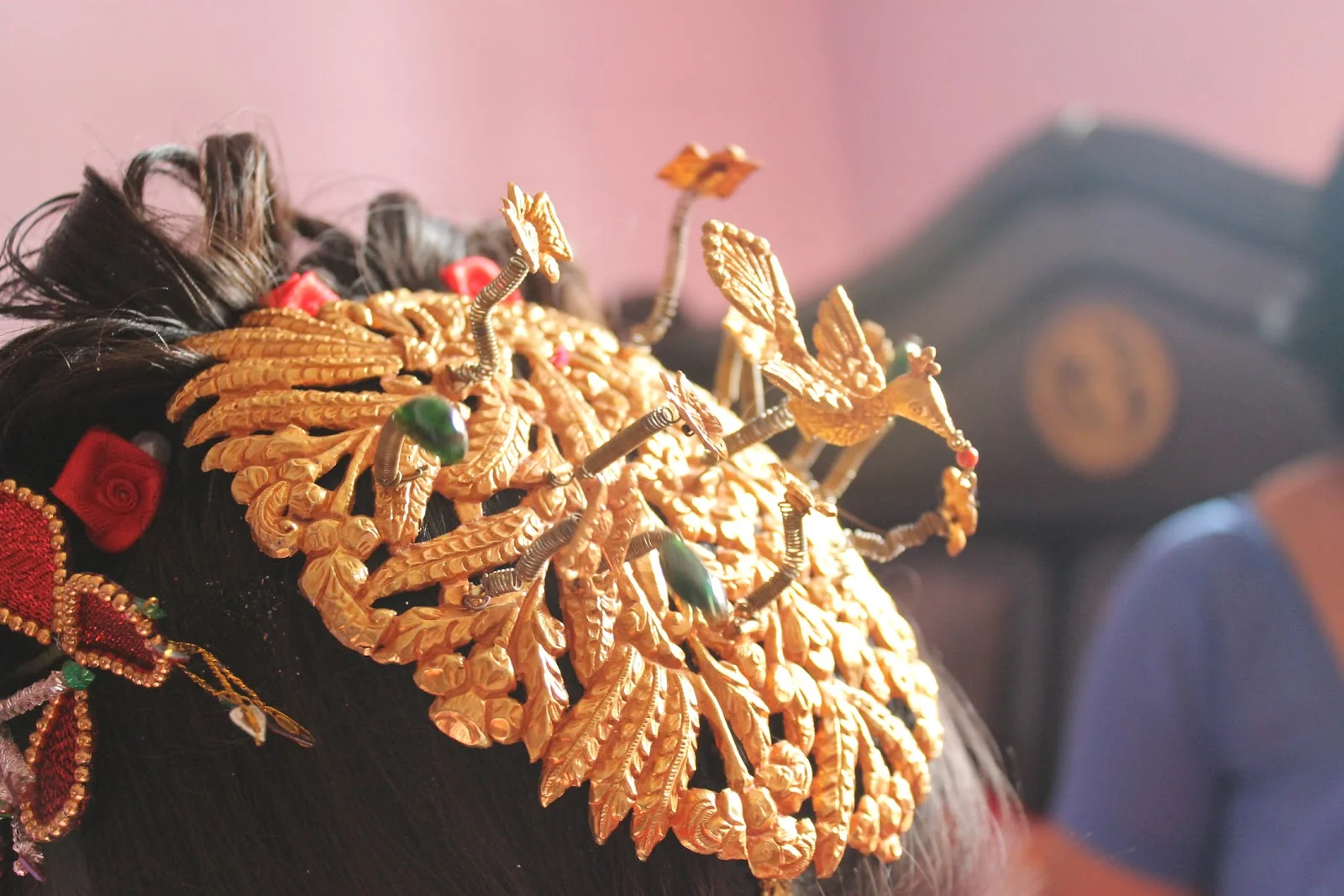
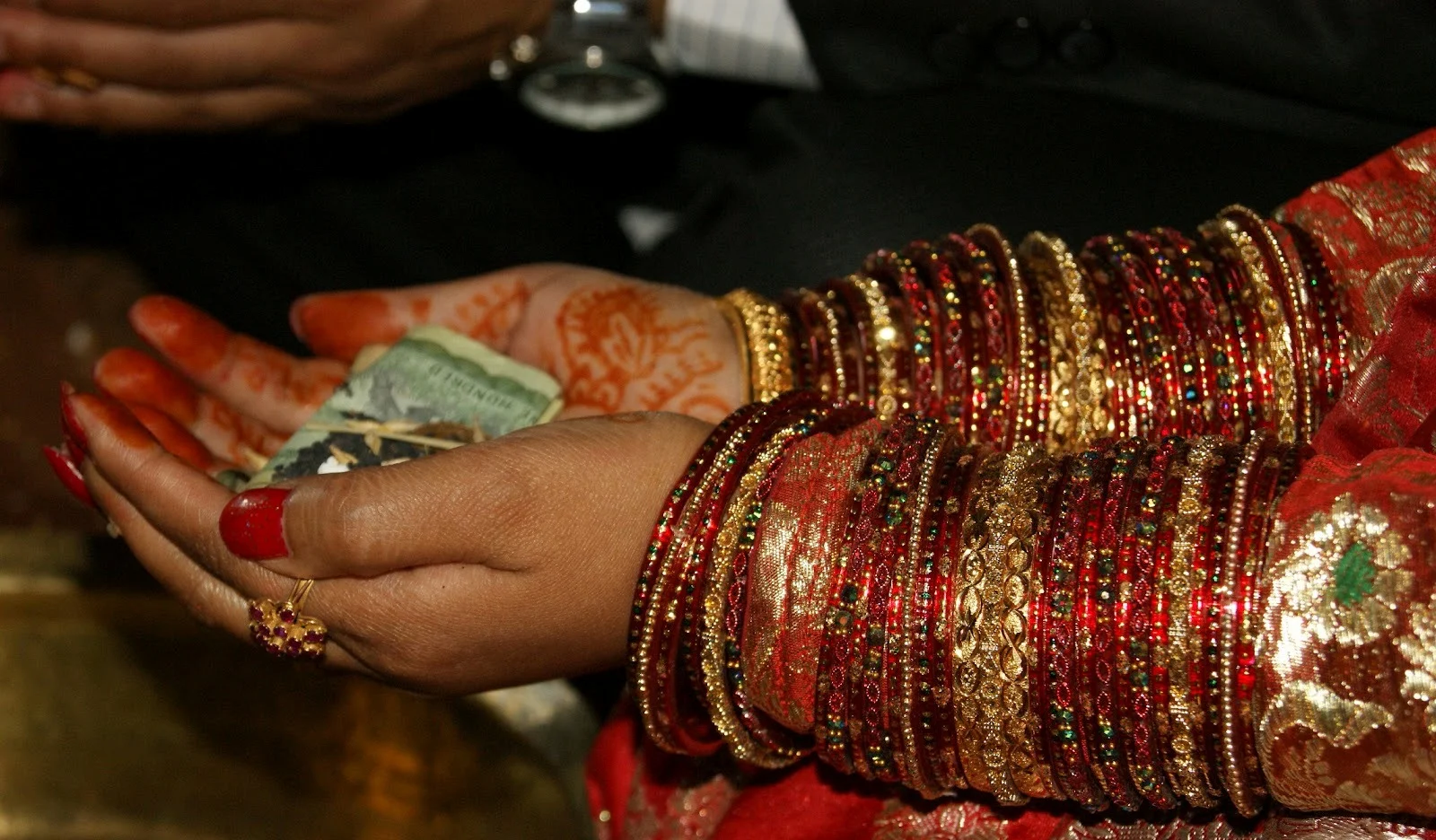
And, so, weeks head of the wedding, you’ll find plenty of ladies in the groom’s house, keeping themselves busy with various small tasks, not to mention, keeping themselves entertained with lots of chit chat and gossip. In the bride’s home, meanwhile, the parents are probably busy having the house repainted and refurnished, besides making plenty of trips to the market to buy the interminable list of essential items needed for the wedding. A major part of their trips will perhaps be to the goldsmith, or the jewelry shops, since gold is what’s most in view at any Nepali wedding. The ostentation part, for sure, and the most bank-breaking venture of the entire occasion. Like said before, it’s likely that if it’s a first-time wedding, even the piggy bank is not going to be spared, and the gold jewelry worn by the bride on the wedding day will be observed with keen eyes and calculating minds by most of the women present.
So, the bride’s gold jewelry is important, to make an understatement, and on a lesser financial scale, but as important on an aesthetic level, is what the bride wears on the different days of what is actually a quite long drawn out affair, probably over three or four days. And, just so you know, as everywhere, a wedding trousseau doesn’t come cheap. All in all, this is also quite a drain on the financial resources at hand. The day when the groom’s side sends the supari (a score and more trays containing all sorts of stuff: from vegetables, fruits, and sweets to clothes, ornaments, and makeup to sweets, fish and betel nuts, etc.) to the bride’s home, the bride needs to be decked out in a glamorous outfit. The sending of the supari signifies that the wedding is now confirmed beyond doubt, and so is a day of great joy. Only a few close relatives of the groom accompany the trays, but they are treated like royalty. Along with all the goods mentioned above, the supari also brings along with it a handwritten note by the priest concerned mentioning the subha sait (the auspicious hour) of the main wedding ritual. This day of supari is a minor part of the wedding, but there’s a feast involved, anyway, for close relatives present.
The next day, in most cases, the bride and her family host a grand party which is attended by hundreds. The bride is dressed in her best on this day: her throat, hands, and head glittering with gold jewelry. It’s a fact that the bride will not look better on any other day after this day so glowing and radiant will she be on this occasion, and so heavily decked out in a beautiful saree and blouse that probably cost a hefty packet. Photos are in high demand, with the bride posing with all and sundry. The feast is, of course, delicious, and the occasion is a sublime one for all. One thing to be mentioned in passing: nowadays, many invitation cards request guests not to bring any material gifts. Cash gifts are fine, thank you (of course, this is not mentioned, but, it’s understood!).
Some Great Newari Dances
The Malla Period was the golden age for artistic endeavor in Kathmandu Valley, and dance flourished as well.
Dr. Kumar Prasad Darshan received royal patronage to study dance in Mumbai in 1959. He has a six-volume series called “Nepalese Classical Dance Education” and one called “Nepalese Classical and Folk Dance Collection”. In his own fraternity, he is, of course, well known and respected as a knowledgeable exponent of Nepalese dance forms. However, he gained more public fame when an article appeared once in a monthly with the title of, “Dance Guru of Crown Prince Dipendra”. He has a photo in his home in Indrachowk showing the late prince and his paramour, Devyani, both dressed in the national costume (he in daura suruwal and she in gunyo choli) taking part in a group dance.
Whatever tragic designs history was proved later to have devised for the dancing prince, it is an indicator that dance holds an important place in the country’s culture. In fact, one could say that dance is an integral part of any culture, and in a country as diverse in ethnicity and culture as Nepal, one can expect there to be quite a large number of dance forms.
Newar dances
The Malla period (A.D. 1200-1769) was a flourishing period for all things artistic in the Kathmandu valley, and this included dance. In this regard, one king who must especially be remembered is King Pratap Malla (A.D. 1641-1674). The dabalis (raised platforms) that you see around many of the squares in the valley were built during the Malla era; these were where dance and theater were performed regularly for the public. In the three durbar squares, too, you’ll see such dabalis; the royal members would watch from the windows of their palaces while the common folk would congregate around the dabalis. Now, coming to the dances themselves, here are some of the more famous ones: Mahakali naach (dance):
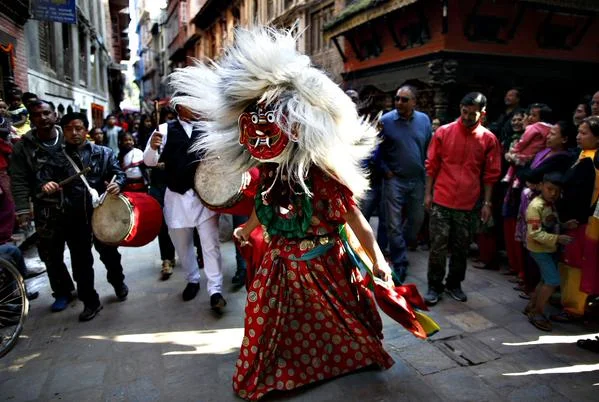
The origin of this dance is credited to a dream that King Pratap Malla once had in which he saw three goddesses fight it out with demons; it was such a vivid dream that he desired to have it recorded forever through a dance performance year after year. A masked dance, it enacts the epic battle between the goddesses Mahakali, Mahalaxmi, and Kumari and demons bent on destroying the valley. The shrill sound of the shehnai signals the beginning of the dance. Performed during the Indrajatra festival (Sept/Oct), a Mahakali naach can go on for about two and a half to three hours. This dance incorporates many of the dances mentioned below.
Mahalaxmi naach:
To the rhythmic beat of the madal, a masked dancer portraying the goddess Mahalaxmi enters the stage and starts dancing around the dabali, swinging a weapon in her hand. Eventually, she takes an asana (pose) at the center, and does some purification rites at the site where holy jamara (braley sprouts) are meant to be grown. Having done this, she then dances her way to the corners calling out to two khyaks (friendly demons figures) and two skeletons who join her in the dance. The luscious-looking jamara, which has now sprouted, tempts some demons (who are disguised as buffaloes).
Kumari naach:
This is a dance involving a large number of figures representing 55 animals, two khyaks, two skeletons, and a specter. They make a dramatic entrance with their hands on the shoulders of the one in front, and as they take their stand around the dabali, they do so with quivering legs. Next, Goddess Kumari leaps on to the stage in front where she is shown doing her shingar (self beautification), after which she offers alcohol to the figures around her before taking a drink herself. Then she begins to go into a wrathful fit, while the 55 animal figures perform a serpentine dance, eventually taking trembling asanas at the back. Meanwhile out in front, Kumari and the evil figures challenge each other in a warlike dance. Finally, the goddess and her supporters decide to make a retreat from the battle, while the evil figures do a victory dance.
Devi daitya sangram naach: Demons, taking on the form of fierce looking buffaloes, enter the dabali in a vigorous manner, leaping and jumping, but stop short on seeing Goddess Mahalaxmi, who along with her supporters, immediately attacks them. However, the demons regroup and begin to fight back strongly. The supporters fall back, and the goddess steps forward herself, which inspires her supporters, who then move forward. At this point, Mahalaxmi realizes that it is midnight, and this is when the demons are at their strongest. She and her supporters, therefore, make themselves invisible.
The demons think that their enemies have been defeated, and they celebrate. Come the dawn, Mahalaxmi and five supporters arrive to reconnoiter the battlefield, and soon enough, another battle begins, at the end of which, the demons are all killed, and the victorious figures trample their dead bodies. Flowers descend from the sky, showered by other gods and goddesses, who then arrive to pay homage to Mahalaxmi. At the same time, Kumari and her followers do a celebratory dance. Tika (a mixture of vermilion powder, rice, and curd) is put on one each other’s forehead to signify victory.
Khyak naach:
Totally devoted to Mahalaxmi, these black-furred friendly demon figures (khyaks) are also the guardians of her immense wealth. Their dance accompanies the other dances.
Kawan naach:
The kawans (skeletons) have an important role to play during many of the epic dances mentioned above. They add to the bloody drama of the dances, during which they are shown drinking the corpses’ blood on the field of battle, and fighting among themselves over the ghastly remains. They demonstrate grisly delight at the battle raging all around, which promises them hideous rewards.
Sadhus on Centre Stage - Maha Shivaratri
Sadhus take centre stage during Maha Shivaratri, the Grand Night of Shiva, one of Hinduism’s most exotic festivals.
"May Lord Pashupatinath bestow good fortune on all of us."
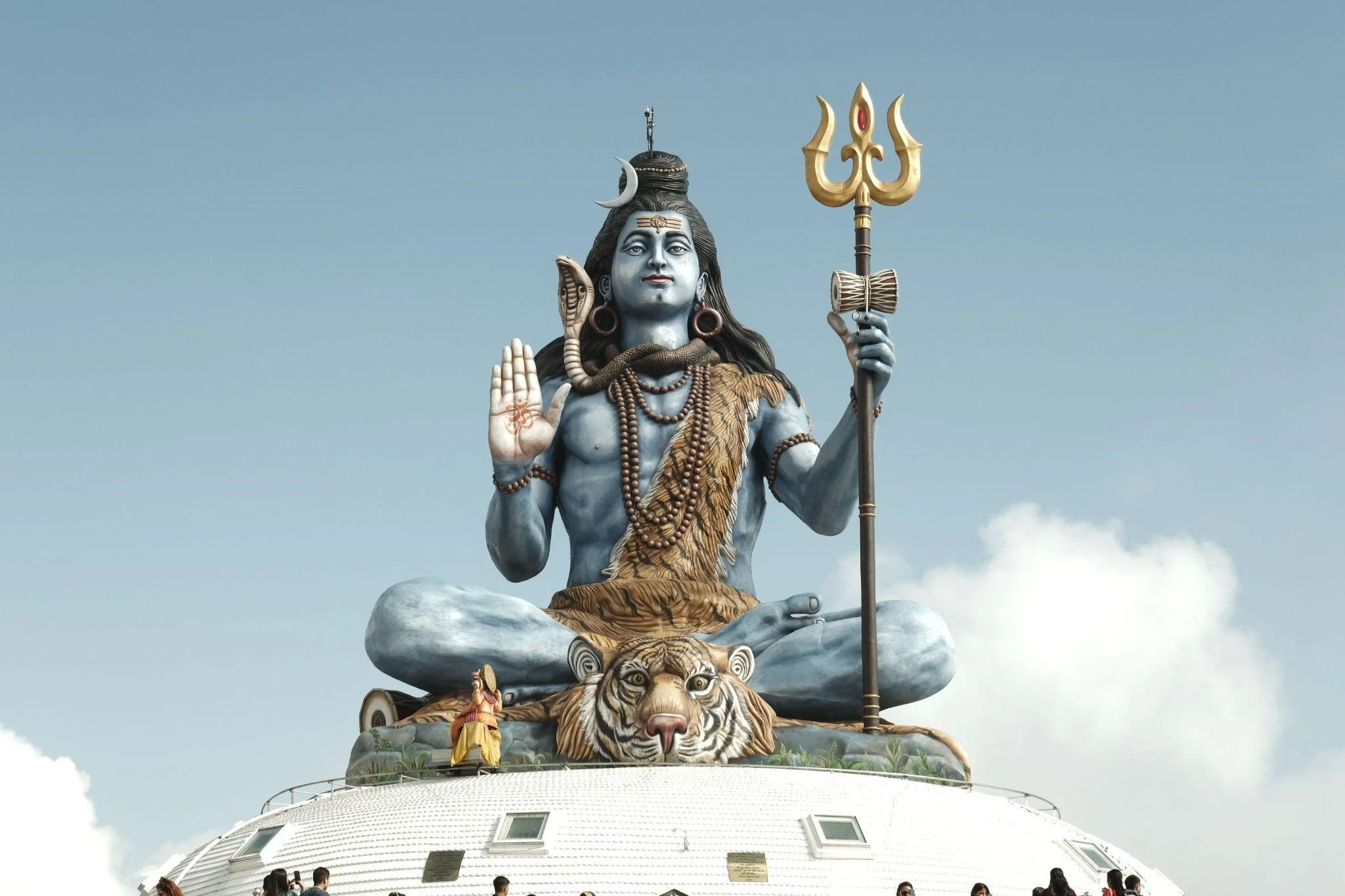
This was how every royal speech ended during the times when Nepal was a Hindu kingdom. This actually makes Pashupatinath (Lord of the Animals) the country’s major deity. Even though the nation has become secular and is no more a kingdom, more than 80% of the population is Hindu. Thus, Maha Shivaratri (the Grand Night of Shiva) is celebrated with gusto and vigor, as befits a god known for his wild ways and terrible fits of wrath. This boisterous festival is held on the 14th night of the new moon every year during the dark half of Falgun (Feb/March). It falls on February 18 this year.
Shiva’s story, like that of most of the other deities in the Hindu pantheon, is full of drama, tragedy, revenge, and bloodshed. One particular episode of his life is particularly revealing of his character. It is a story with a tragic ending, it is the story of his love affair with Dakshyani. She was the daughter of Dakshya Prajapati, a descendant of Lord Brahma, and he despises Shiva with some intensity because of his unkempt look and rough shod ways. Despite everything, the couple gets married, but the father-in-law is not done as yet. To humiliate Shiva, he performs a Asvamedha Yagya (a Vedic royal fire ritual of great significance) where all gods are invited except Shiva and his wife. Nevertheless, Dakshyani decides to go, but at the yagya, her father doesn’t spare his words in insulting her husband in front of everybody.
She cannot bear the abuse heaped on Shiva, and jumps into the flames of the yagya (for this sacrifice, she was thenceforth worshipped as Sati, the chaste one). Shiva comes to know of this dreadful incident and dispatches two of his most terrible henchmen, Virbhadra and Mahakali, with orders to cause mayhem to the yagya. He follows them shortly after and breaks down on seeing his beloved wife’s half burnt body. He carries her on his shoulders and starts his legendary tandava nritya (dance of destruction). Wherever he goes, he leaves in his wake destruction and death. Lord Vishnu is entrusted with the task of pacifying him. He believes that as long as Shiva carries his late wife’s corpse, he will be in a state of insanity. So he follows him, cutting off the corpse piece by piece using his chakra (discus). The sites where the various parts fall come to be known as Shakti Piths, one of which is Guheswari Temple, just a stone’s throw away from Pashupatinath Temple in Kathmandu.
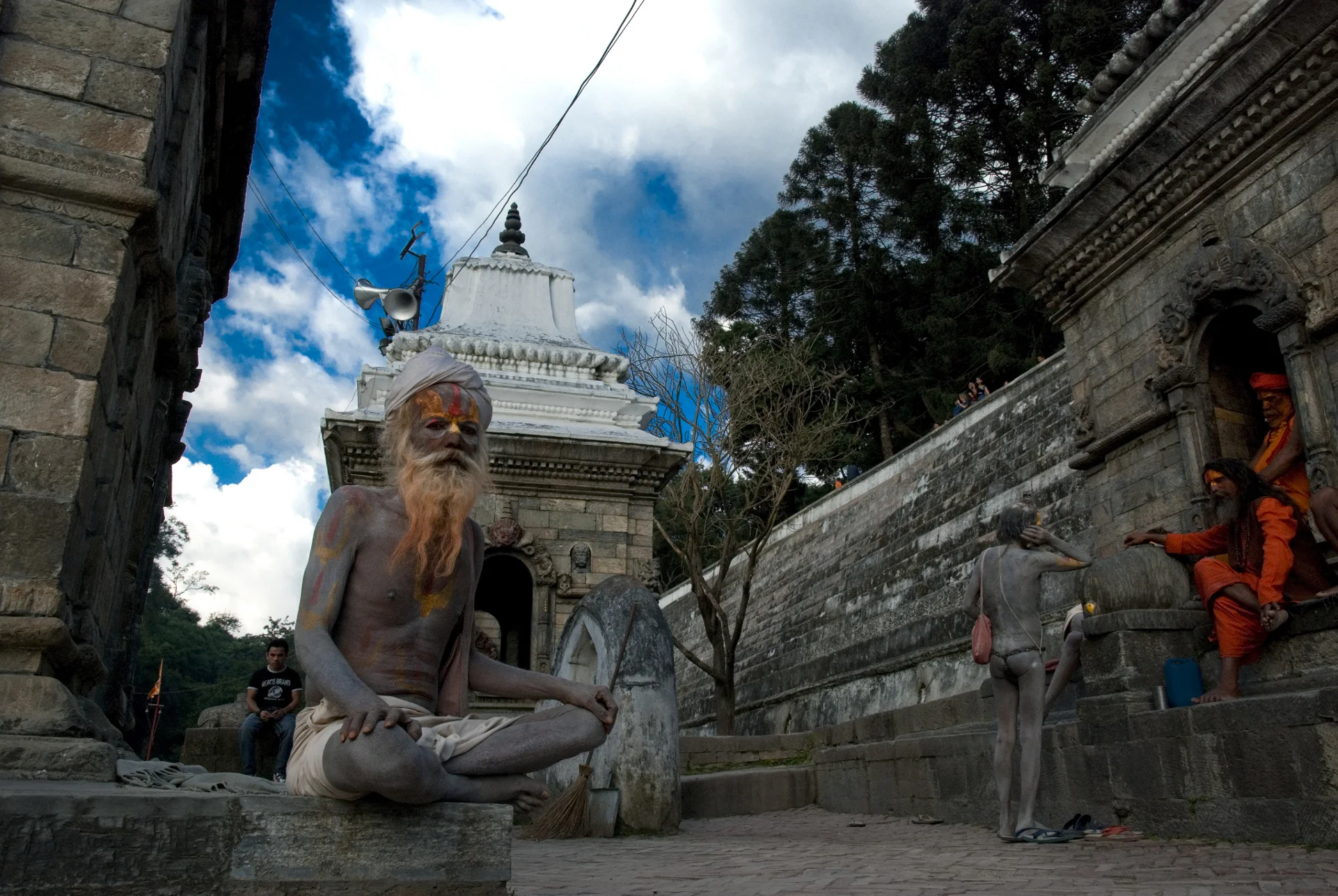
This story should give you a good idea of the kind of god in whose honor Maha Shivaratri is celebrated. Naturally, it’s the biggest festival for Hindu sadhus (those half naked, ash-smeared ascetics with wild unkempt hair in thick braids) from all over the world, particularly from India and Nepal. Their whole outlook and lifestyle is fashioned after their major god, Shiva, and this adds a really exotic allure to the festival. Added to this is the sweet smell of marijuana all around the temple on this day. Yes, it’s a day when smoking pot is supposed to please Shiva, who was high most of the time himself. Pot is legal, even if it’s for a day, as long as you smoke it at the temple.
The sadhus begin to arrive days ahead and camp out on the grounds of the temple complex, their wellbeing being the primary concern of the temple officials, who see to it that they do not want for anything. A particular sect known as the Naga sadhus make for the most arresting sight, their stout bodies completely smeared in ash, their hair in dreadlocks, and without so much as a loin cloth on them. Meaning, they are stark naked. Reading all this, you might be thinking that Maha Shivaratri is one rowdy festival; well, let me tell you, it’s not. It’s, in fact, a very spiritual experience. An experience that hundreds of thousands of devotees are eager to be part of, standing for long hours in serpentine queues to pay homage to the 14th century six-foot-tall four-headed Shiva Lingum (phallic symbol of Shiva) within the Pashupatinath Temple.
POPULAR ITINERARIES
SIMILAR POSTS